Premium Soccer Balls for Clubs - Professional Quality for Training and Matches

Get a Free Quote

Our representative will contact you soon.
Email
Name
Company Name
Message
0/1000

soccer balls for clubs

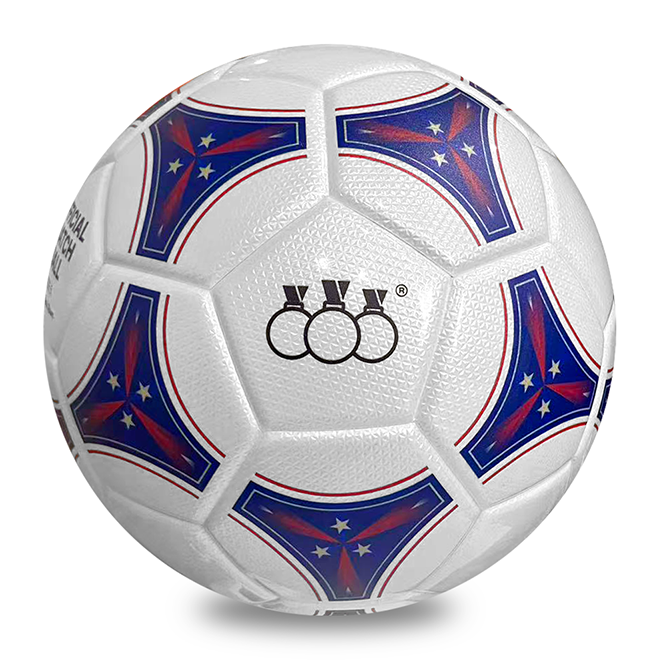
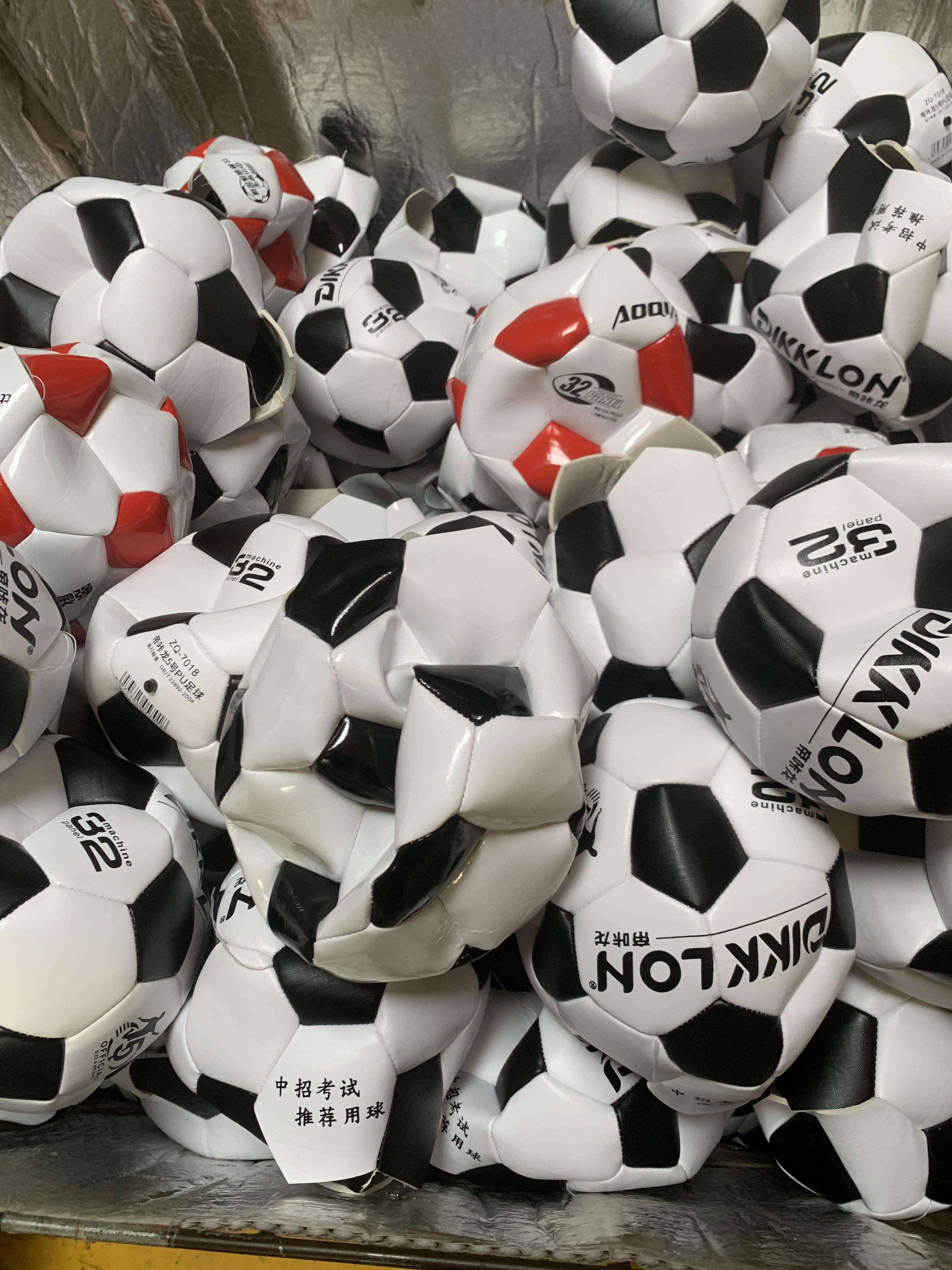
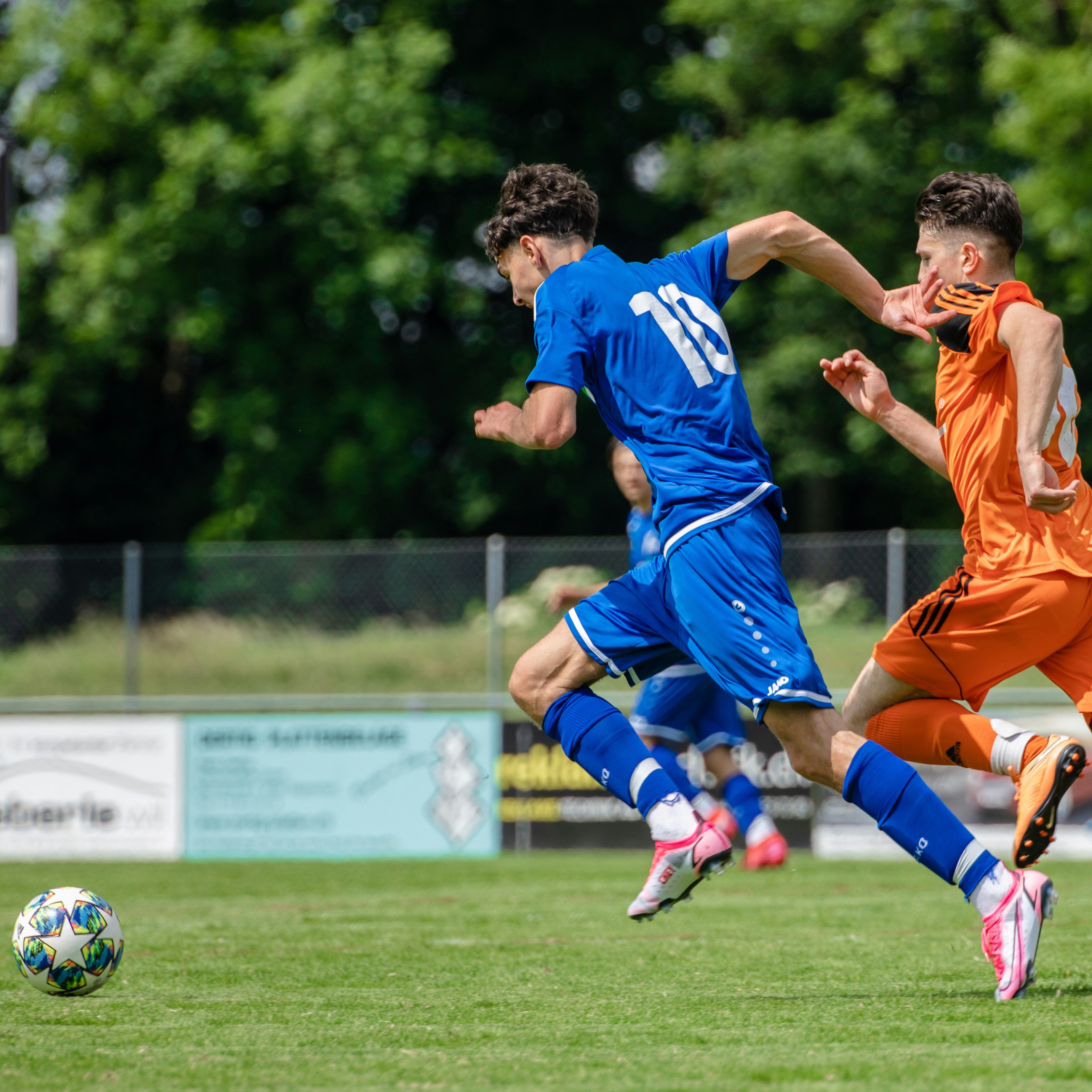
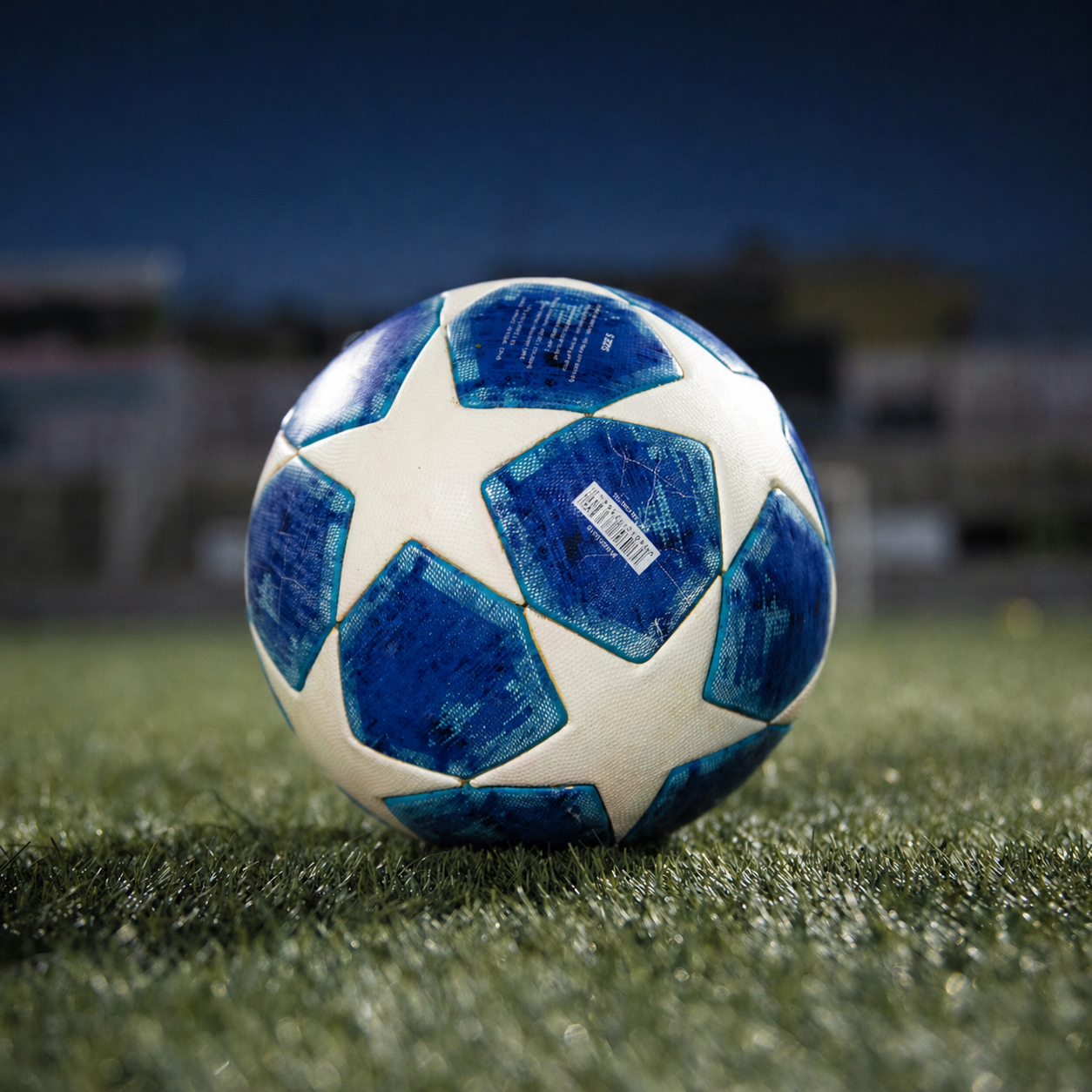
Soccer balls for clubs represent a specialized category of football equipment designed specifically to meet the demanding requirements of organized team play, training sessions, and competitive matches. These professional-grade balls differ significantly from recreational models, incorporating advanced construction methods and premium materials that ensure consistent performance across various playing conditions. Clubs at every level, from youth academies to professional organizations, rely on these balls to maintain training standards and deliver reliable match-day performance. The design philosophy behind soccer balls for clubs centers on durability, consistent flight characteristics, and optimal touch response. Manufacturers engineer these balls using multi-layered constructions that combine synthetic leather exteriors with specialized bladder systems and reinforced stitching patterns. This construction approach ensures that soccer balls for clubs can withstand intensive daily use while maintaining their shape, weight, and aerodynamic properties over extended periods. The outer casing typically features textured surfaces that enhance grip in both dry and wet conditions, allowing players to execute technical skills with precision regardless of weather. Inside, butyl or latex bladders provide superior air retention, reducing the need for frequent inflation and ensuring consistent bounce characteristics. The panel configuration, whether traditional 32-panel or modern thermally-bonded seamless designs, directly impacts how soccer balls for clubs perform during different types of play. Match balls often feature FIFA-approved specifications, guaranteeing that circumference, weight, and rebound properties meet international standards. Training versions might emphasize enhanced durability over slight performance variations, providing cost-effective solutions for clubs that conduct multiple sessions weekly. Color schemes and visibility features also play crucial roles, with high-contrast designs helping players track ball movement during fast-paced gameplay and low-light conditions, making soccer balls for clubs essential investments for serious football organizations.

New Products

Investing in quality soccer balls for clubs delivers numerous practical benefits that directly impact team performance and operational efficiency. First and foremost, these balls provide exceptional durability that translates into significant cost savings over time. Unlike consumer-grade alternatives that deteriorate quickly under intensive use, soccer balls for clubs feature reinforced construction that withstands thousands of impacts, abrasive surfaces, and harsh weather conditions. This longevity means clubs purchase replacements less frequently, reducing annual equipment budgets while ensuring players always train and compete with reliable gear. The consistency offered by these balls cannot be overstated. When players practice with the same ball specifications they will use during matches, muscle memory develops more effectively, improving passing accuracy, shooting power, and ball control. Soccer balls for clubs maintain uniform weight distribution and predictable flight paths, eliminating the frustrating variables that come with using different ball types throughout the week. This consistency accelerates skill development, particularly for younger players who benefit from repetitive practice with standardized equipment. Performance advantages extend to every aspect of the game. The superior materials and construction methods used in soccer balls for clubs deliver enhanced touch sensitivity, allowing players to receive passes cleanly and execute technical maneuvers with greater precision. The optimized panel designs reduce drag and create stable trajectories, helping strikers place shots accurately and midfielders deliver long passes to intended targets. Goalkeepers appreciate the predictable bounce and grip characteristics that make catching and parrying shots more manageable. Weather resistance represents another significant advantage. Soccer balls for clubs perform reliably in rain, maintaining their weight and grip properties when cheaper balls become waterlogged and heavy. This all-weather capability ensures training sessions proceed as planned and match quality remains high regardless of conditions. The professional appearance of these balls also matters. When clubs use proper equipment, they project seriousness and commitment, boosting player confidence and impressing opponents, parents, and potential sponsors. Teams that invest in quality soccer balls for clubs demonstrate organizational standards that attract talented players and create positive reputations within their communities. Finally, many soccer balls for clubs come with manufacturer warranties and quality guarantees, providing additional value protection and ensuring clubs receive products that meet advertised specifications, making them smart investments for any football organization committed to excellence.

Practical Tips

What is futsal and how does it differ from soccer?

29

Apr

What is futsal and how does it differ from soccer?

Futsal represents a distinct form of association football that has evolved into a globally recognized sport with its own identity, rules, and competitive structure. Originating in Uruguay during the 1930s, futsal was designed to be played indoors on ...
View More
Why does rugby ball grip matter for handling performance?

11

May

Why does rugby ball grip matter for handling performance?

The grip quality of a rugby ball fundamentally determines whether players can execute clean catches, accurate passes, and secure carries under match pressure. Unlike sports equipment where surface texture serves primarily aesthetic purposes, the grip...
View More
How does rugby ball size vary across different game levels?

04

May

How does rugby ball size vary across different game levels?

Understanding how rugby ball size varies across different game levels is essential for players, coaches, and equipment managers who want to ensure optimal performance and safety. The dimensions and weight of a rugby ball are not arbitrary—they ...
View More
What is a rugby ball and how does its shape affect play?

01

May

What is a rugby ball and how does its shape affect play?

The rugby ball stands as one of the most distinctive sporting objects in the world, instantly recognizable by its unique prolate spheroid shape. Unlike the perfectly round balls used in soccer or basketball, the rugby ball features an elongated oval ...
View More

Get a Free Quote

Our representative will contact you soon.
Email
Name
Company Name
Message
0/1000

soccer balls for clubs

Advanced Construction Technology for Unmatched Durability

Advanced Construction Technology for Unmatched Durability

The engineering behind soccer balls for clubs represents a significant technological achievement that separates professional equipment from recreational alternatives. Modern manufacturing processes employ multi-layered construction systems that combine various materials, each serving specific functional purposes to create balls capable of enduring intensive use. The outermost layer typically consists of premium synthetic leather, often polyurethane or PVC compounds that have been specially formulated to resist abrasion, water absorption, and UV degradation. This exterior surface receives treatments that enhance texture, providing optimal grip for players executing technical skills while maintaining aerodynamic smoothness for consistent flight characteristics. Beneath this outer casing, soccer balls for clubs incorporate backing layers made from cotton, polyester, or foam materials that add structural integrity and contribute to the overall feel when striking the ball. These intermediate layers absorb impact energy, protecting the internal bladder while providing the responsive touch that players need for controlled passing and dribbling. The stitching methods used to join panels together have evolved dramatically, with many premium soccer balls for clubs now featuring thermal bonding techniques that create seamless surfaces without traditional stitched seams. This innovation eliminates weak points where water might penetrate and ensures perfectly uniform surfaces that interact predictably with player boots. For traditionally stitched models, manufacturers use reinforced polyester threads and double-stitching patterns that prevent panel separation even after thousands of impacts. The bladder system inside soccer balls for clubs determines air retention properties and overall responsiveness. Butyl bladders offer superior air retention, requiring inflation only once every few weeks, while latex bladders provide enhanced responsiveness and softer touch, though they require more frequent inflation. This construction complexity ensures soccer balls for clubs maintain their specified circumference of 68-70 centimeters and weight of 410-450 grams throughout their service life, meeting official FIFA standards that guarantee fair play and predictable performance across all competitive levels.
Performance Optimization Across All Playing Conditions

Performance Optimization Across All Playing Conditions

Soccer balls for clubs distinguish themselves through carefully engineered performance characteristics that remain consistent across diverse playing environments and weather conditions. Aerodynamic optimization represents a primary focus, with panel configurations and surface textures designed through computational fluid dynamics and wind tunnel testing to minimize drag while maintaining stable flight paths. The number and arrangement of panels significantly influence how air flows around the ball during flight. Traditional 32-panel designs, featuring 12 pentagons and 20 hexagons, create nearly spherical shapes with predictable flight characteristics that players trust. Modern soccer balls for clubs increasingly adopt reduced panel counts, with some featuring as few as six thermally-bonded panels that create even more uniform surfaces. These innovative designs reduce the impact of panel seams on airflow, producing truer trajectories during long passes and shots. The surface texture applied to soccer balls for clubs enhances both aerodynamic performance and player control. Microscopic dimples, grooves, or raised patterns disrupt the boundary layer of air flowing around the ball, reducing turbulence and creating more predictable movement. These same textures improve grip during wet conditions, allowing players to impart spin and maintain control when rain makes surfaces slippery. Water resistance technologies embedded in soccer balls for clubs prevent moisture absorption that would increase weight and alter performance characteristics. Special coatings and tightly sealed construction prevent water from penetrating into backing layers or bladders, ensuring the ball maintains its specified weight even during heavy rain. This weather independence allows training and matches to proceed with confidence that ball behavior will remain consistent. Visibility optimization represents another performance dimension where soccer balls for clubs excel. High-contrast color patterns, often combining white with vibrant colors like orange, yellow, or green, enhance visibility against various playing surfaces and lighting conditions. This improved visibility helps players track ball movement more accurately, enabling better decision-making and technical execution. Some soccer balls for clubs incorporate reflective elements for use during evening training sessions, further expanding usability. The rebound characteristics of these balls receive careful calibration to meet official specifications, ensuring consistent bounce heights that players can anticipate and react to appropriately during matches and training exercises.
Professional Standards Meeting Club Requirements

Professional Standards Meeting Club Requirements

Soccer balls for clubs must satisfy rigorous standards that address the specific operational needs of organized football programs, from grassroots youth organizations to elite professional teams. Official certification processes, particularly FIFA Quality Pro and FIFA Quality programs, provide independent verification that balls meet internationally recognized performance criteria. These certification programs test soccer balls for clubs across multiple parameters including circumference accuracy, weight consistency, water absorption rates, shape retention, rebound characteristics, and pressure loss over time. Balls that achieve FIFA Quality Pro status represent the highest standard, approved for use in professional competitions and delivering performance that meets the exacting requirements of elite players. For clubs, choosing certified soccer balls ensures compliance with competition regulations while guaranteeing that equipment will perform as expected. The standardization these certifications provide creates training environments that accurately replicate match conditions, accelerating player development and team preparation. Beyond official certifications, soccer balls for clubs address practical operational considerations that matter to coaches, equipment managers, and club administrators. Bulk purchasing options allow organizations to acquire multiple identical balls at reduced per-unit costs, ensuring entire squads train with consistent equipment while managing budgets effectively. Many manufacturers offer customization services for soccer balls for clubs, including team logos, club colors, and sponsor branding that enhance professional appearance and create additional revenue opportunities through merchandise sales. The size variations available in soccer balls for clubs accommodate different age groups and competition levels. Size 5 balls serve adult and older youth players, while size 4 and size 3 options provide appropriately scaled equipment for younger age groups, supporting proper skill development with age-appropriate gear. Maintenance simplicity represents another advantage of professional-grade soccer balls for clubs. Quality construction means these balls require minimal care beyond basic cleaning and proper inflation, reducing the time equipment managers spend on ball maintenance. The extended service life of premium soccer balls for clubs means less frequent replacement cycles, simplifying inventory management and reducing the administrative burden associated with equipment procurement. Many manufacturers support their soccer balls for clubs with comprehensive warranties covering manufacturing defects and premature performance degradation, providing financial protection and ensuring clubs receive full value from their investments. This combination of certified performance standards, practical operational features, and manufacturer support makes soccer balls for clubs essential equipment for any football organization committed to providing players with professional-quality training and competition environments.


Get a Free Quote

Our representative will contact you soon.
Email
Name
Company Name
Message
0/1000