
 EN
EN


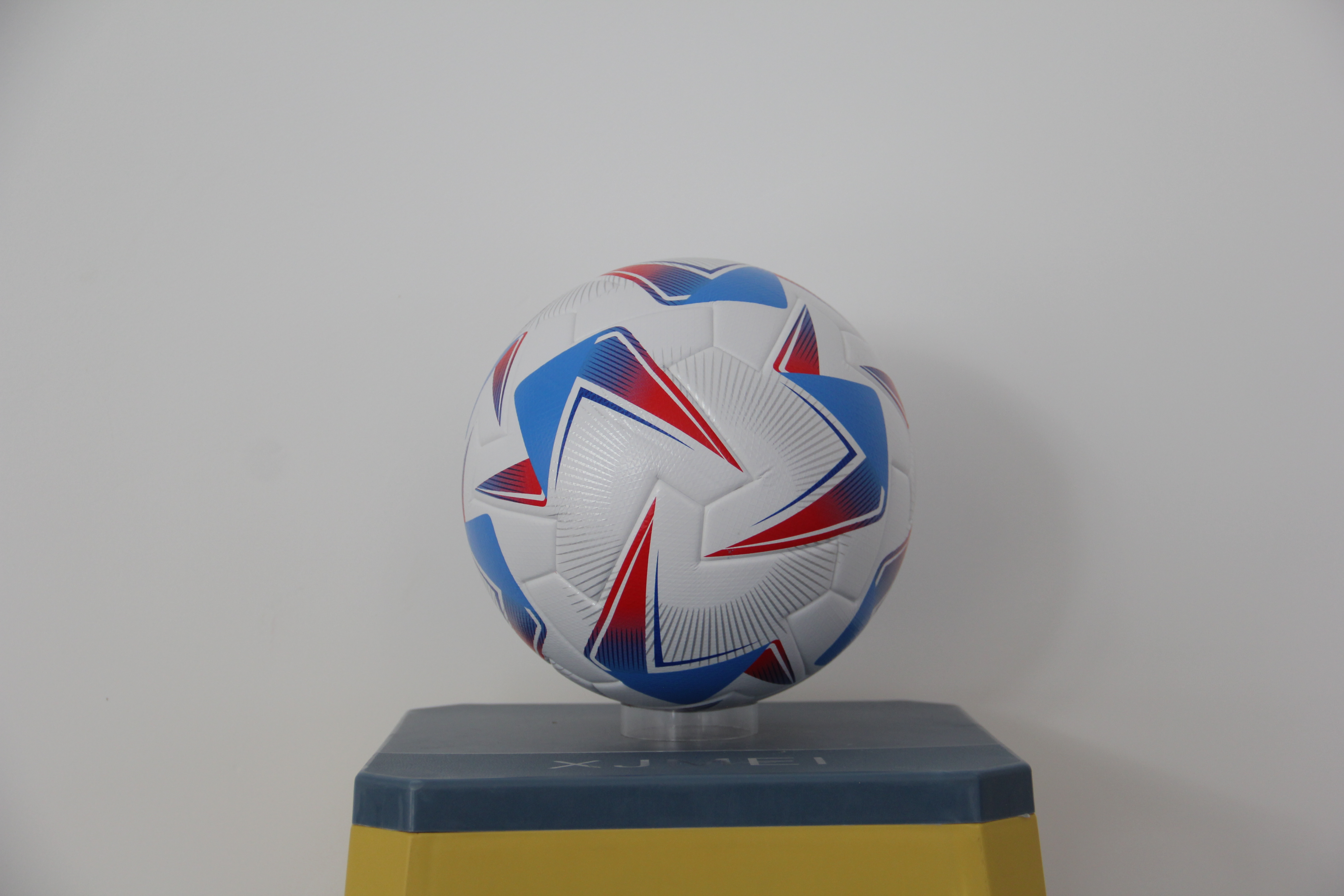
A soccer ball is far more than a simple rubber sphere. Modern soccer ball design integrates precise engineering, material science, and manufacturing techniques that directly influence how the ball responds during play. Understanding what a soccer ball is made of reveals why professional players prefer specific models and why ball quality remains a critical factor in competitive soccer. The composition, layering, and panel construction of a soccer ball determine its trajectory, spin characteristics, touch response, and longevity on the field.

The performance of a soccer ball depends on multiple interconnected factors: the outer covering material, the middle layers, the internal bladder, and the overall panel structure. Each component serves a specific function and contributes to the ball's overall behavior during passes, shots, and defensive plays. Professional tournaments, training facilities, and recreational leagues all depend on soccer ball consistency to ensure fair play and predictable outcomes. This comprehensive guide explores the materials and construction techniques that define modern soccer ball performance.
Outer Covering and Panel Materials
Surface Material Composition
The outer covering of a soccer ball typically uses synthetic leather or polyurethane, materials chosen for their durability and performance characteristics. Synthetic leather provides a consistent touch across all weather conditions and resists degradation from UV exposure and moisture. High-quality soccer ball covers feature multiple layers of polyurethane bonded to a fabric backing, creating a responsive surface that helps players control spin and direction. The soccer ball outer layer must withstand repeated contact from boots, shin guards, and the ground while maintaining its structural integrity throughout a match.
Panel Design and Stitching
Traditional soccer ball construction uses 12 pentagon and 20 hexagon panels, though modern designs now include thermally bonded panels without stitching. The panel configuration directly affects the soccer ball's aerodynamics and how the ball interacts with air currents during flight. Stitched soccer ball panels create small seams that can cause unpredictable movement, particularly during high-velocity shots. Thermally bonded soccer ball construction eliminates seams entirely, providing a smoother surface and more consistent flight patterns that benefit both accuracy and defensive positioning.
Internal Structure and Layering System
Middle Layer Technology
Between the outer covering and the internal bladder lies the foam layer, typically composed of synthetic foam that absorbs impact energy. This soccer ball foam layer determines how much rebound the ball provides and influences the touch sensation players experience when striking the ball. Premium soccer ball designs incorporate multiple foam layers with varying densities, creating a structure that balances responsiveness with control. The soccer ball's middle layers also influence how quickly the ball decelerates after being kicked, affecting both offensive strategies and defensive reactions.
Internal Bladder System
The soccer ball bladder is an inflatable chamber, traditionally made from butyl rubber, that maintains internal pressure and the ball's overall shape. Butyl rubber retains air more effectively than alternative materials, preventing pressure loss that would otherwise degrade soccer ball performance over time. Modern soccer ball bladders feature reinforced construction that resists punctures and maintains consistent pressure during intense match conditions. The soccer ball bladder must be precise in thickness and elasticity to ensure that the ball responds identically to impacts from different players and positions on the field.
Material Impact on Game Performance
Control and Touch Response
The soccer ball's outer material directly affects how players can control the ball during dribbling sequences and precise passing combinations. Synthetic leather offers superior grip compared to older rubber materials, allowing players to execute finer touches and more accurate short passes. A soccer ball with inconsistent covering material will feel unpredictable, forcing players to adjust their technique between touches and reducing their effectiveness in time-critical situations. Professional players often practice with the exact soccer ball specifications used in competitive matches to develop muscle memory for that specific ball's response characteristics.
Flight Characteristics and Aerodynamics
When a player strikes a soccer ball, the material composition influences how the ball curves through the air and how it moves in relation to wind and atmospheric pressure. A soccer ball with visible seams experiences greater air resistance and more unpredictable aerodynamic behavior compared to seamlessly bonded alternatives. The soccer ball's surface texture, determined by its covering material and panel construction, affects Magnus force and boundary layer dynamics that physicists have studied extensively. Players who understand their soccer ball's aerodynamic properties can exploit these characteristics for curved free kicks, chip shots, and passes that bend unexpectedly around defenders.
Durability and Consistency
High-quality materials ensure a soccer ball maintains consistent performance throughout an entire season of practice and competitive play. Lower-quality covering materials degrade more rapidly under UV exposure and moisture, causing the soccer ball to lose its original touch and flight characteristics within weeks. Professional teams invest in premium soccer ball construction because consistency directly impacts training effectiveness and match day performance. A deteriorating soccer ball forces coaches to frequently replace equipment and introduces variables that prevent accurate performance evaluation and player development assessment.
FAQ
What impact does soccer ball pressure have on performance?
Soccer ball pressure dramatically affects rebound characteristics, touch response, and flight behavior. Official competition rules specify that a soccer ball must maintain pressure between 0.6 and 1.1 bars. Under-inflated soccer balls produce softer touches and reduced bounce, making them easier to control but harder to shoot powerfully. Over-inflated soccer balls rebound sharply and travel faster but become unpredictable and more difficult to control during precise passing sequences. Players and coaches regularly check soccer ball pressure before training and matches to ensure consistent performance.
How do different weather conditions affect soccer ball materials?
Cold temperatures make a soccer ball's synthetic materials stiffer and less responsive, while heat increases elasticity and can cause pressure changes inside the bladder. Wet conditions reduce friction between the covering material and boot surfaces, making a soccer ball more prone to slipping during passes and shots. Quality materials like premium synthetic leather resist weather degradation better than cheaper alternatives, maintaining soccer ball performance across seasons and climates. Professional facilities often use different soccer ball models for indoor versus outdoor play because the playing surface and environmental factors affect how the ball's materials respond.
Why are seamless soccer balls considered superior to stitched models?
Seamless soccer balls feature thermally bonded panels that create a smoother surface without stitching seams that disrupt airflow. Stitched soccer ball seams can cause the ball to move unpredictably during flight, particularly when struck at high velocity or with spin. Seamless construction makes a soccer ball more predictable and allows players to develop more consistent technique because the ball responds identically regardless of which seam faces the impact point. Modern professional tournaments exclusively use seamless soccer ball designs to eliminate this variable from competitive play.