
 EN
EN


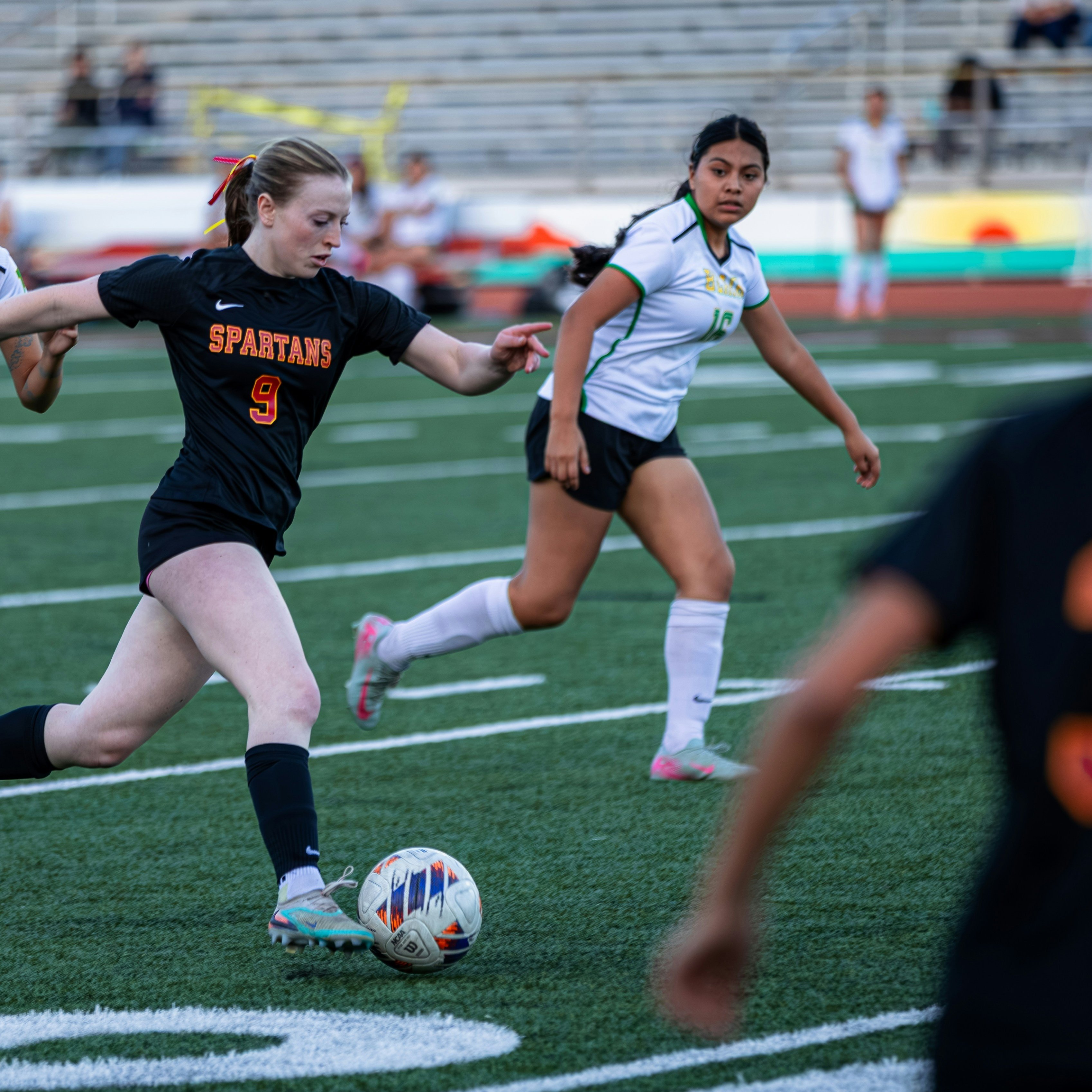
Selecting the right football soccer ball is not as simple as grabbing the nearest one off a shelf. Whether you are buying for a youth academy, a professional club, a recreational league, or a bulk order for your brand, every football soccer ball choice involves several critical factors that directly affect performance, durability, and player satisfaction. Making the wrong choice can lead to poor ball behavior on the pitch, faster wear, and wasted investment.
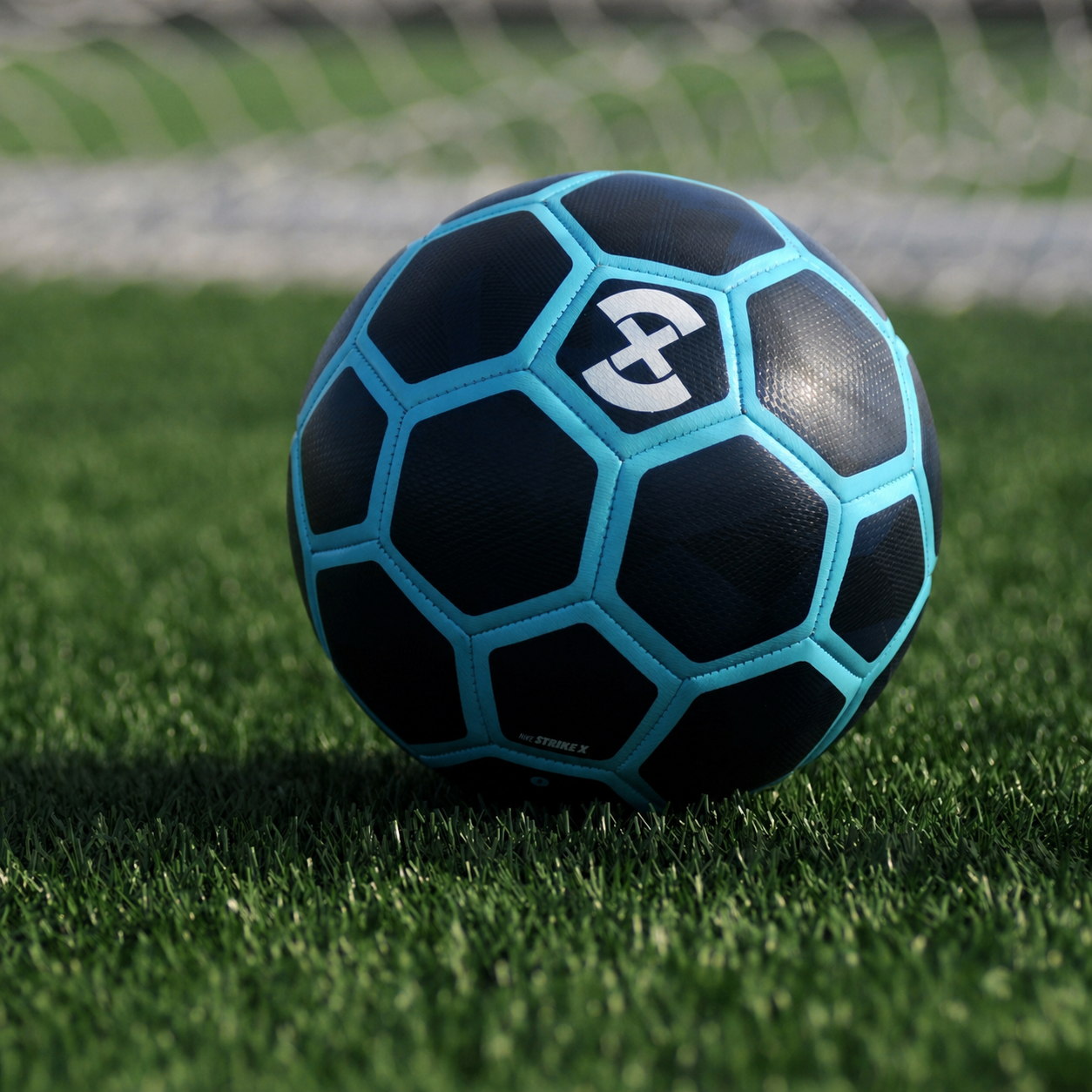
Understanding what makes one football soccer ball different from another gives buyers and coaches a real advantage when sourcing equipment. This guide covers the most important considerations, from construction method and size to surface type and intended use, so you can confidently identify the football soccer ball that best matches your needs. Each football soccer ball decision should be grounded in practical requirements rather than surface-level appearance alone.
Size and Age Group Suitability
Matching the Football Soccer Ball to the Player
Every football soccer ball is manufactured in standard sizes ranging from size 1 to size 5, and each size is designed for a specific player age group and application. A size 5 football soccer ball is the standard for adult and professional play, while a size 4 football soccer ball is typically recommended for players aged 8 to 12. Size 3 is suited for younger children, and smaller sizes like 1 and 2 are primarily used for skill training and promotional purposes. Using the wrong size football soccer ball can negatively impact a player's technique development and increase the risk of injury.
When purchasing a football soccer ball in bulk for an organization or academy, it is critical to match the football soccer ball size precisely to the intended age group. Coaches and program directors should evaluate the football soccer ball size requirements for each training group separately rather than ordering a single football soccer ball size for all players. A correctly sized football soccer ball supports healthy motor development and ensures that training drills translate effectively to match conditions.
Weight and Pressure Standards
Beyond diameter, a football soccer ball must meet specific weight and air pressure standards to perform correctly. A regulation size 5 football soccer ball should weigh between 410 and 450 grams and be inflated to between 8.5 and 15.6 PSI. Choosing a football soccer ball that holds pressure consistently over time is essential for reliable performance during extended training sessions or competitive matches. Lower-quality football soccer ball options may lose pressure quickly, requiring constant reinflation and disrupting play.
Construction Methods and Materials
Understanding Football Soccer Ball Panel Construction
The way a football soccer ball is constructed has a direct impact on its flight path, touch, and lifespan. Traditional football soccer ball designs use hand-stitched panels, which offer a familiar feel and are widely used in training environments. Machine-stitched football soccer ball options are more affordable and consistent for recreational use. Thermo-bonded football soccer ball construction, which fuses panels together using heat rather than thread, is increasingly preferred for high-performance play because it produces a rounder, more water-resistant football soccer ball with predictable flight characteristics.
The number of panels also affects how a football soccer ball behaves. A 32-panel football soccer ball is the most traditional design, while a 15-panel football soccer ball with thermo-bonded construction offers improved aerodynamics and a smoother surface. Buyers sourcing a football soccer ball for branded or competitive use should consider thermo-bonded options, as this football soccer ball construction provides better roundness, reduced water absorption, and more consistent performance across different weather conditions. Understanding construction type helps narrow down the football soccer ball choice significantly.
Outer Cover and Bladder Quality
The outer cover material of a football soccer ball determines how it interacts with a player's foot and how long it lasts under regular use. PU (polyurethane) covers are standard on mid-to-high-range football soccer ball products because they offer a soft touch and good durability. PVC covers are more common on entry-level football soccer ball options and are suitable for casual or recreational play. The bladder inside the football soccer ball, which holds air, can be made of latex or butyl. A latex bladder provides a more responsive football soccer ball feel, while a butyl bladder retains air longer, making it a practical choice for training where reinflation time is a concern.
Playing Surface and Usage Environment
Surface Compatibility for Every Football Soccer Ball
A football soccer ball performs differently depending on the surface it is used on. Grass pitches allow a football soccer ball to roll and bounce in a predictable manner, whereas hard court or futsal surfaces require a football soccer ball with a reduced bounce to keep play controlled. Indoor football soccer ball options typically feature a felt or low-bounce cover designed for smooth gymnasium floors. Using an outdoor football soccer ball on hard indoor surfaces will accelerate wear and may affect the football soccer ball's structural integrity over time.
Artificial turf surfaces present their own requirements for a football soccer ball. On synthetic grass, a football soccer ball with a durable PU outer cover and a thermo-bonded seam performs better and resists abrasion more effectively. Buyers purchasing a football soccer ball for facilities with multiple surface types should consider a football soccer ball that is rated for versatile use to maximize longevity and reduce replacement costs. Always check whether the football soccer ball is rated for the specific surface to avoid premature damage.
Indoor vs. Outdoor Football Soccer Ball Selection
The distinction between an indoor football soccer ball and an outdoor football soccer ball is more than cosmetic. Outdoor football soccer ball products are engineered to handle moisture, temperature variation, and rough terrain. An indoor football soccer ball is designed to minimize bounce and improve control in enclosed spaces. Choosing the correct football soccer ball type for the environment ensures safer play, better performance, and longer product life. When sourcing a football soccer ball for a mixed-use sports facility, consulting with a specialist supplier about the right football soccer ball specifications can prevent costly purchasing mistakes.
FAQ
What size football soccer ball is used in professional matches?
A size 5 football soccer ball is the official standard for professional and adult competitive matches worldwide. This football soccer ball size meets FIFA regulations for weight, circumference, and pressure, making it the appropriate choice for any senior-level play or organized adult league.
Is a thermo-bonded football soccer ball better than a hand-stitched one?
A thermo-bonded football soccer ball offers improved roundness, lower water absorption, and more consistent flight behavior compared to a hand-stitched football soccer ball. However, a hand-stitched football soccer ball is still widely valued for its traditional feel and is a practical choice for training and recreational use where thermo-bonded construction is not essential.
How often should a football soccer ball be replaced?
The lifespan of a football soccer ball depends on frequency of use, surface type, and storage conditions. A football soccer ball used daily in training may need replacement every few months, while a football soccer ball used occasionally can last several years. Regularly inspecting the football soccer ball for panel separation, cover cracking, or pressure loss helps determine when replacement is necessary.