
 EN
EN


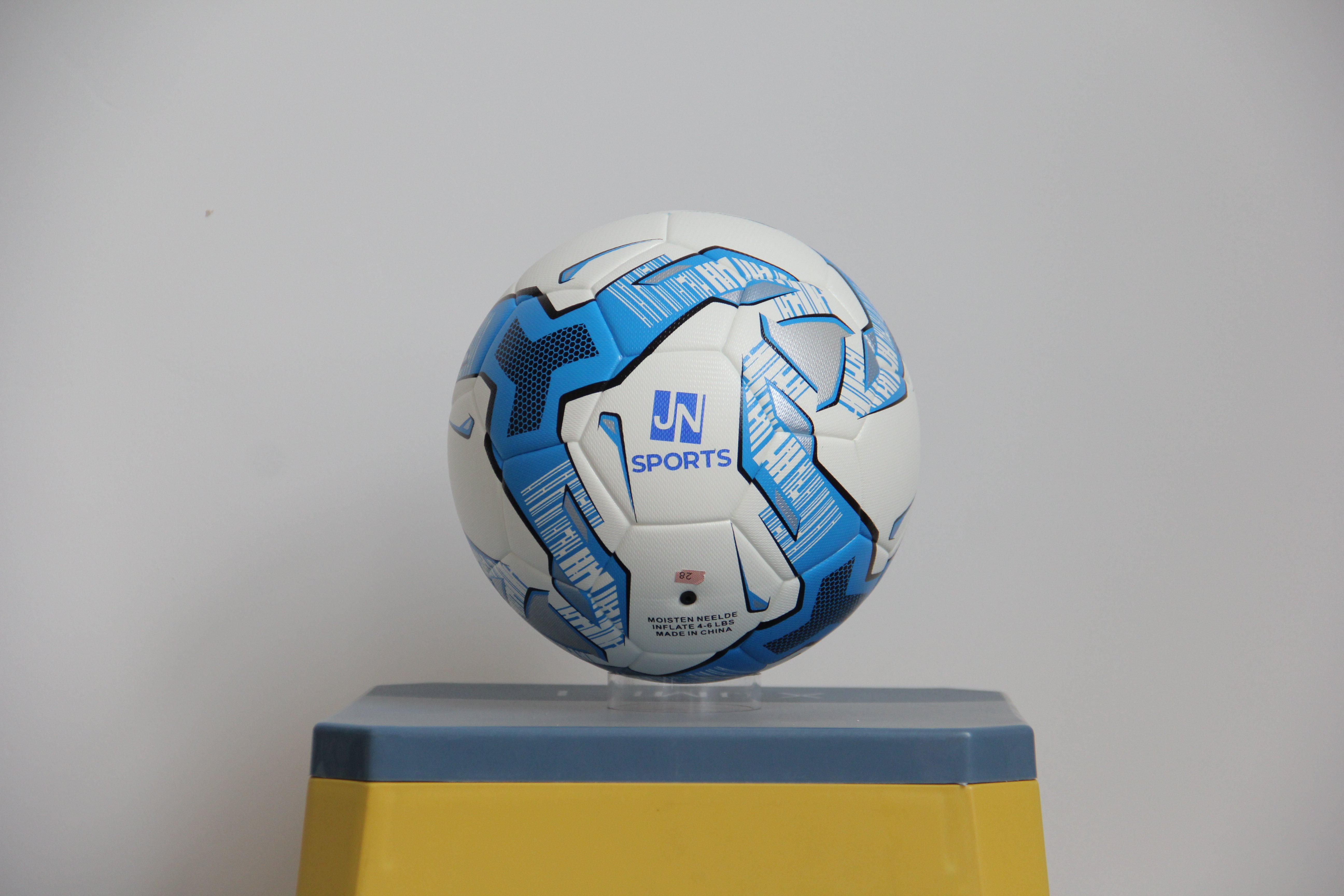
Every player, coach, or procurement manager who has handled a worn-out soccer ball knows how quickly performance can decline when the wrong materials or construction methods are used. A soccer ball that loses its shape, absorbs water, or develops surface cracks within weeks of purchase represents both a financial waste and a competitive disadvantage. Understanding which factors truly determine soccer ball quality and longevity is essential for anyone making informed buying decisions, whether for a youth academy, a professional club, or a bulk order program.

A high-quality soccer ball is not simply the result of one good material choice. It is the outcome of multiple decisions made during design, material selection, panel construction, and finishing. Each decision layer adds or subtracts from the overall durability and flight consistency of the soccer ball. This article examines the core factors in depth so buyers and specifiers can evaluate any soccer ball with confidence.
Materials That Define Soccer Ball Performance
Outer Cover Material and Surface Durability
The outer cover of a soccer ball is the first line of defense against wear, abrasion, and weather exposure. Most modern soccer ball covers are made from polyurethane, commonly known as PU, or polyvinyl chloride, known as PVC. PU-covered soccer ball designs offer superior softness, better touch response, and stronger resistance to cracking compared to PVC alternatives. For a soccer ball intended for regular match play or intensive training, PU cover material is the preferred choice because it maintains its texture and grip over a longer period.
A PVC soccer ball cover tends to be harder and less responsive, making it more suitable for casual or recreational play where cost is the primary consideration. The thickness and coating treatment of the outer layer also affect how well the soccer ball resists UV degradation and moisture penetration. Buyers ordering a soccer ball in bulk should always request material specification sheets to confirm cover composition before committing to a large volume order.
Bladder Material and Air Retention
Inside every soccer ball is a bladder that holds air and directly influences how the soccer ball feels underfoot and how consistently it performs over time. Latex bladders give the soccer ball a softer, more responsive feel and are widely used in premium match soccer ball designs. However, latex bladders tend to lose air faster than butyl alternatives, requiring more frequent inflation. A butyl bladder soccer ball retains air significantly longer, making it a practical choice for training environments or for any soccer ball used in settings where frequent re-inflation is inconvenient.
The quality of the valve integrated into the soccer ball bladder also matters. A poorly sealed valve allows micro-leaks that gradually deflate the soccer ball, affecting its roundness and bounce consistency. Premium soccer ball manufacturing uses reinforced valve housing to prevent this type of slow pressure loss, which is a detail buyers often overlook when evaluating overall soccer ball quality.
Construction Methods and Structural Integrity
Panel Count and Panel Bonding Technology
The number of panels and the method used to join them are critical determinants of how a soccer ball performs and how long it lasts. Traditional soccer ball designs use 32 panels stitched together, which creates a familiar aesthetic and a reasonably consistent flight path. However, hand-stitched soccer ball construction introduces small gaps and thread vulnerability that can open over time, particularly when the soccer ball is exposed to repeated high-impact kicks or wet conditions.
Thermo-bonded soccer ball construction addresses these limitations by using heat and pressure to fuse panels together without stitching. A thermo-bonded soccer ball offers a smoother, more seamless surface that resists water absorption and maintains its shape more reliably through extended use. The soccer ball produced through thermo-bonding also tends to deliver more predictable aerodynamic behavior, which matters greatly at competitive levels. The 15-panel thermo-bonded soccer ball format, for example, reduces surface irregularity and improves flight stability compared to higher panel-count stitched designs.
Internal Lining and Shape Retention
Between the outer cover and the bladder of a soccer ball lies one or more layers of internal lining, typically made from polyester or cotton. This lining controls how much the soccer ball flexes under impact and how quickly it returns to its original round shape after being kicked. A soccer ball with multiple layers of high-quality polyester lining maintains its roundness and firmness far longer than a soccer ball with minimal or low-grade lining material.
Shape retention is particularly important for a soccer ball used in competitive settings, where consistent bounce and predictable roll affect game outcomes. Buyers evaluating soccer ball options for club or institutional use should ask specifically about the number of lining layers and their composition, as this detail is often not prominently advertised but has a direct impact on soccer ball longevity.
Usage Conditions and Maintenance Practices
Surface Compatibility and Environmental Exposure
Even a well-constructed soccer ball will deteriorate faster when used on the wrong playing surface. A soccer ball designed for grass fields may show accelerated cover wear when used on artificial turf or concrete surfaces, where abrasion is significantly higher. Selecting the right soccer ball for the intended surface is one of the most practical and often underappreciated factors in extending soccer ball lifespan.
Environmental exposure also plays a major role. A soccer ball stored in direct sunlight or extreme heat will experience faster rubber and PU degradation than a soccer ball stored in cool, dry conditions. Prolonged exposure to moisture without proper drying between uses can cause a soccer ball bladder to weaken and the cover material to delaminate over time. Establishing simple care routines for every soccer ball in a team's inventory significantly extends the usable life of each unit.
Inflation Pressure and Handling Practices
Maintaining the correct inflation pressure is one of the simplest yet most impactful ways to protect the structural integrity of a soccer ball. An over-inflated soccer ball places excess stress on seams, panels, and the bladder, accelerating wear at every contact point. An under-inflated soccer ball deforms unevenly during play, which distorts both performance and panel alignment over repeated use. Checking the inflation pressure of each soccer ball before use and using a quality pressure gauge ensures that the soccer ball performs consistently and lasts as long as its materials allow.
FAQ
What is the most durable cover material for a soccer ball?
Polyurethane is widely considered the most durable and performance-friendly cover material for a soccer ball. A PU soccer ball resists cracking, handles moisture better than PVC, and maintains surface texture over extended use, making it the standard choice for match-grade and long-lasting training soccer ball designs.
How does panel construction affect soccer ball longevity?
Panel construction directly affects how well a soccer ball holds its shape and resists water infiltration. Thermo-bonded soccer ball construction eliminates stitched seams that can loosen or absorb moisture, resulting in a soccer ball that maintains structural integrity and aerodynamic consistency over a much longer service life than traditionally hand-stitched alternatives.
How often should a soccer ball be inflated to maintain quality?
A soccer ball should be checked for correct inflation before each use session. Most soccer ball manufacturers specify a pressure range printed near the valve. Staying within this range prevents structural stress and preserves the soccer ball bladder, cover, and panel alignment, all of which contribute directly to sustained soccer ball performance and longevity.