
 EN
EN


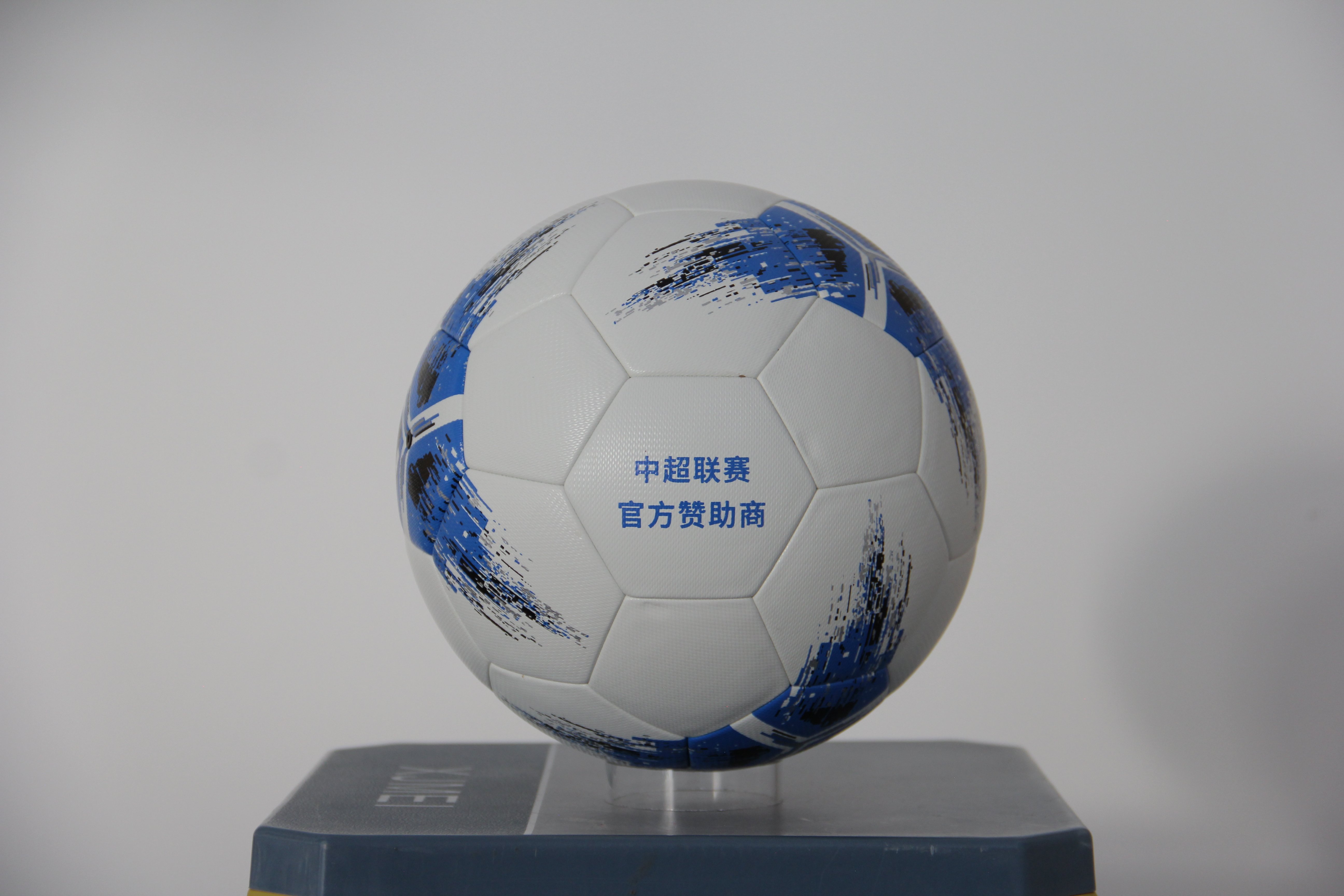
Selecting the right materials for a custom soccer ball is fundamental to achieving the performance, durability, and aesthetic qualities your brand requires. Whether you're designing balls for competitive play, training, or promotional purposes, material choices directly influence ball behavior, longevity, and player satisfaction. Understanding the material options available in custom soccer ball production enables you to make informed decisions that align with your budget, performance standards, and market positioning.

A custom soccer ball comprises multiple material layers working together to deliver consistent touch, flight, and durability. Each component, from the outer panels to the inner bladder, plays a critical role in overall performance. By exploring the material landscape, you can specify a custom soccer ball that meets official standards while reflecting your brand identity and operational requirements.
Panel Materials and Cover Options
Synthetic Leather and Polyurethane Covers
The outer cover of a custom soccer ball is typically made from synthetic leather or polyurethane, materials chosen for their durability, water resistance, and consistent playing surface. Synthetic leather, often referred to as microfiber or PU leather, provides a soft touch and excellent ball control, making it the preferred choice for higher-end custom soccer ball designs. Polyurethane covers offer superior water-resistance and UV stability, ideal for outdoor use and extended storage in variable climates. Both materials can be printed with custom graphics, logos, and color patterns, allowing your brand to create visually distinctive custom soccer ball designs that stand out on the field.
Panel Construction and Stitching
Most custom soccer ball designs use either 12-panel or 15-panel configurations, each affecting aerodynamics and manufacturing complexity. The 15-panel design, commonly found in professional custom soccer ball specifications, provides superior ball roundness and flight stability compared to 12-panel models. Panels are typically stitched together using nylon or polyester thread, with hand-stitching offering superior durability but requiring higher labor costs, while machine-stitching provides consistency and faster production. For premium custom soccer ball applications, thermal bonding technology eliminates visible seams entirely, reducing water absorption and improving ball longevity while maintaining the sleek aesthetic many brands prefer.
Bladder and Internal Structure Materials
Bladder Composition and Performance
The bladder is the air-retaining chamber inside a custom soccer ball, typically made from butyl rubber or latex, each offering distinct performance characteristics. Butyl rubber bladders are standard in professional-grade custom soccer ball production, providing excellent air retention, minimal pressure loss, and consistent performance over extended periods. Latex bladders, while offering superior touch and ball responsiveness, require more frequent re-inflation and are better suited for indoor training or recreational custom soccer ball applications where convenience takes priority over competition standards. When designing a custom soccer ball, bladder selection directly impacts air retention rates, affecting how often players must re-inflate the ball during extended use.
Middle Layers and Cushioning
Between the outer cover and the bladder, a custom soccer ball typically includes one or more middle layers made from foam, cotton, or synthetic materials that provide cushioning and shape retention. Foam layers, often polyurethane or EVA foam, absorb impact energy and contribute to the ball's responsiveness and comfort during play. A well-constructed custom soccer ball balances firmness with cushioning, ensuring players experience consistent touch across different striking techniques. Cotton or synthetic winding layers add structural integrity, helping your custom soccer ball maintain its shape through repeated use and storage cycles.
Achieving Quality and Regulatory Compliance
Weight, Circumference, and Performance Standards
Regulatory bodies establish strict specifications for official soccer balls, and a professional-grade custom soccer ball must meet these standards regardless of customization. Official custom soccer ball specifications require circumference between 68–70 centimeters and weight between 410–450 grams, achieved through precise material selection and construction techniques. The rebound characteristics, measured in bounce height, are also regulated, requiring manufacturers to balance material choices to ensure your custom soccer ball performs consistently within acceptable ranges. Meeting these specifications demonstrates commitment to quality and ensures your custom soccer ball is suitable for serious athletic applications.
Durability Testing and Material Selection
Premium custom soccer ball designs undergo durability testing to verify that material combinations withstand extended play, varied weather conditions, and storage stress. Selecting materials rated for extended UV exposure, temperature fluctuations, and moisture absorption ensures your custom soccer ball maintains performance characteristics throughout its operational lifespan. High-quality synthetic leather covers and butyl rubber bladders together create a custom soccer ball capable of thousands of hours of use before visible degradation occurs. custom soccer ball manufacturers who source materials from certified suppliers ensure consistency, traceability, and compliance with international quality standards.
FAQ
What material combination offers the best durability for outdoor use?
For outdoor applications, a custom soccer ball featuring polyurethane cover material combined with butyl rubber bladder and foam middle layers provides optimal durability and weather resistance. Polyurethane resists UV degradation and water absorption better than standard synthetic leather, making it ideal for extended outdoor storage and play across seasons. Thermal bonding construction eliminates stitched seams where moisture typically enters, further extending the lifespan of your custom soccer ball in harsh environmental conditions.
Can a custom soccer ball meet official competition standards?
Yes, a custom soccer ball manufactured to official specifications can meet FIFA and other governing body requirements for competitive play. The key is ensuring material selection achieves the required circumference, weight, rebound characteristics, and pressure retention within regulatory tolerances. Professional manufacturers design custom soccer ball specifications to pass official testing while incorporating your branding, allowing competitive integrity alongside brand visibility.
How do thermal-bonded panels improve custom soccer ball performance?
Thermal bonding creates seamless panel joints on a custom soccer ball, eliminating the water-absorption pathways that stitched seams create. This construction method enhances water resistance, extends product lifespan, and provides superior aerodynamic consistency throughout the ball's use cycle. A thermal-bonded custom soccer ball maintains more stable flight characteristics and requires less maintenance, making it ideal for professional and institutional applications where performance consistency is paramount.