
 EN
EN


The performance of a leather basketball is deeply influenced by environmental conditions that most players overlook. Temperature and humidity create a powerful combination that directly impacts how the leather basketball responds to your hands, affects ball control, and changes the overall playing experience. Understanding these environmental forces reveals why your leather basketball might feel different from one game to the next, and why grip quality fluctuates throughout the season.
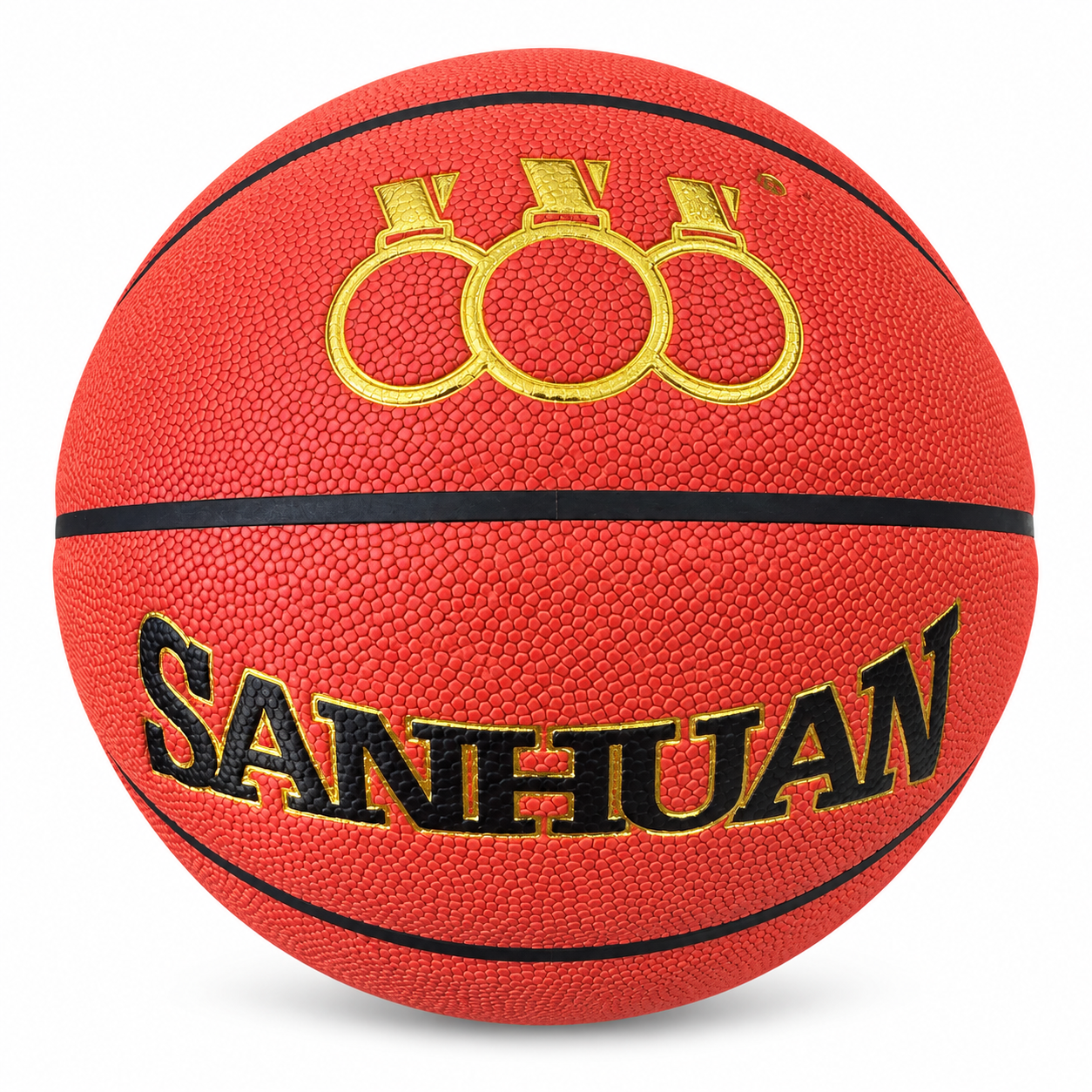
Environmental sensitivity is not a flaw in a leather basketball but rather an inherent characteristic of natural leather material. When you invest in a high-quality leather basketball, you're choosing a premium material that genuinely responds to its surroundings. This responsiveness means your leather basketball requires intentional care and awareness, but also delivers superior feel and playability when conditions are managed properly.
How Temperature Affects Leather Basketball Expansion and Contraction
Thermal Expansion in Leather Basketball Material
Temperature changes cause the leather basketball to expand and contract at the molecular level. When warmth increases, the leather fibers in your leather basketball absorb heat energy, causing them to spread apart and increase in volume. This expansion makes the leather basketball slightly larger and can noticeably affect air pressure inside the ball. A leather basketball that feels perfectly inflated in a cool gymnasium may feel overly firm when moved into sunlight or a warmer playing environment. The pressure gauge reading might remain constant, but the leather basketball itself occupies more space.
Conversely, when temperature drops, the leather basketball contracts as molecular movement slows. Cold conditions cause the leather fibers to compress, reducing the overall diameter of your leather basketball. This contraction can make a leather basketball feel slightly softer because the shell material tightens, and internal air pressure effectively decreases relative to the ball's volume. Outdoor courts in winter or air-conditioned arenas can present dramatic differences in how your leather basketball performs compared to natural-temperature environments.
Grip Quality Changes Due to Temperature
The grip characteristics of a leather basketball shift significantly with temperature fluctuations. Warm conditions activate the natural oils in leather, causing the leather basketball surface to become slightly more responsive and tacky. Players often report that their leather basketball feels better in hand during warmer sessions because the leather's natural grip enhances. These oils rise to the surface when the leather basketball warms, creating improved friction between your palm and the ball. Hot weather or indoor heating can make a leather basketball feel remarkably grippy and controllable.
Cold temperatures push these natural oils deeper into the leather basketball's material structure, leaving the surface temporarily drier. When the leather basketball cools, the grip sensation diminishes noticeably, and some players describe the ball feeling more slippery. This is why a leather basketball might feel difficult to control during early morning practice sessions or in frigid outdoor conditions. The same leather basketball that felt perfect during afternoon play becomes challenging when environmental temperature drops several degrees.
Humidity and Moisture Impact on Leather Basketball Performance
Moisture Absorption by Leather Basketball Material
Humidity directly influences how much moisture the leather basketball absorbs from the air. Leather is a hygroscopic material, meaning it naturally attracts and retains moisture based on surrounding humidity levels. High humidity environments cause your leather basketball to absorb water vapor, which penetrates into the leather's porous structure. As the leather basketball absorbs moisture, the material becomes softer and heavier, which subtly changes how the ball responds to shots and passes. A leather basketball in a humid gymnasium can weigh slightly more than the same ball in a dry environment, affecting shot velocity and control precision.
Conversely, dry air causes the leather basketball to release moisture gradually. When humidity drops significantly, the leather basketball becomes harder and loses some of its natural flexibility. This moisture loss can make the leather basketball feel more rigid and less forgiving on the hands during extended play. Extended exposure to very dry conditions can cause the leather basketball to crack if moisture loss is extreme, demonstrating how important humidity balance is for maintaining leather basketball integrity over time.
Grip Transformation in Humid Conditions
The grip experience of a leather basketball changes substantially in humid conditions. When humidity is high, moisture on the leather basketball's surface creates a wet or sticky sensation that many players find challenging. High humidity causes the leather basketball to feel almost clammy, and the grip becomes unpredictable. Some players prefer this extra stickiness for certain games, while others find it makes their leather basketball control more difficult. The leather basketball's response to spin, pass accuracy, and shooting touch all shift in humid environments.
Low humidity situations present the opposite challenge. In dry air, the leather basketball loses surface moisture and can feel slick or hard to grip firmly. Players might experience increased ball slippage during dribbling or shooting, and the leather basketball requires more hand pressure to maintain control. This is why traveling between different climates or playing in varying weather conditions requires adjustment time when using a leather basketball. Your hands need to adapt to how the leather basketball responds under specific environmental conditions.
Managing Environmental Effects on Your Leather Basketball
Climate Control and Storage Strategies
Proper storage protects your leather basketball from extreme temperature and humidity swings. The ideal storage environment for a leather basketball maintains a consistent temperature between sixty and seventy degrees Fahrenheit with relative humidity between forty and fifty percent. These conditions preserve the leather basketball's material integrity and prevent rapid changes in grip characteristics. Store your leather basketball indoors away from direct sunlight, heating vents, or air conditioning units that create temperature extremes.
When transporting your leather basketball between environments, allow acclimation time before play whenever possible. If you bring a leather basketball from a cold vehicle into a warm gymnasium, allow thirty to forty-five minutes for the leather basketball to reach thermal equilibrium before intense play. This waiting period helps the leather basketball stabilize to new temperature and humidity levels, ensuring consistent performance. Rushing directly into competition with an unacclimated leather basketball can lead to unexpected grip changes and performance variability.
Conditioning and Protective Measures
Regular conditioning maintains the leather basketball's resilience against temperature and humidity fluctuations. Professional-grade leather basketball conditioners penetrate the material and help maintain moisture balance within the leather basketball's structure. Conditioning the leather basketball every three to six months creates a protective barrier that reduces rapid moisture absorption during humid periods and prevents excessive drying in low-humidity environments. This investment in maintenance directly extends your leather basketball's lifespan and stabilizes its performance characteristics.
A leather basketball benefits from protective covers or storage bags that shield it from direct environmental exposure. These accessories reduce temperature fluctuations around the ball and prevent rapid humidity changes. Using a microfiber cloth to wipe your leather basketball after play removes surface moisture and helps maintain consistent grip characteristics. These simple protective habits accumulate into significant performance stability over an entire season.
FAQ
Does a leather basketball perform worse in cold weather than in warm weather?
A leather basketball typically experiences reduced grip quality and softer feel in cold weather because the leather contracts and natural oils retreat into the material. Cold temperatures decrease the responsiveness that players expect from premium leather basketballs. However, some players actually prefer the firmer feel and more predictable bounce of a cold leather basketball. Performance depends on player preference and adjustment to environmental conditions.
Can humidity permanently damage a leather basketball?
Extreme humidity variations can permanently damage a leather basketball if the material constantly absorbs and loses moisture without protective conditioning. Consistent exposure to very high humidity followed by very dry conditions accelerates material degradation in leather basketballs. Proper storage and maintenance prevent most humidity-related damage to leather basketballs. Regular conditioning creates a protective barrier that helps leather basketballs withstand humidity fluctuations without permanent harm.
Should I adjust the air pressure of my leather basketball for different temperatures?
Yes, checking the inflation pressure of your leather basketball in different temperature conditions is wise practice. The same leather basketball may require slight pressure adjustment when moving between cold and warm environments because temperature affects internal air density. Many serious players maintain a leather basketball at proper specifications by checking pressure regularly throughout the season. This simple adjustment ensures that your leather basketball maintains consistent performance regardless of environmental temperature changes.