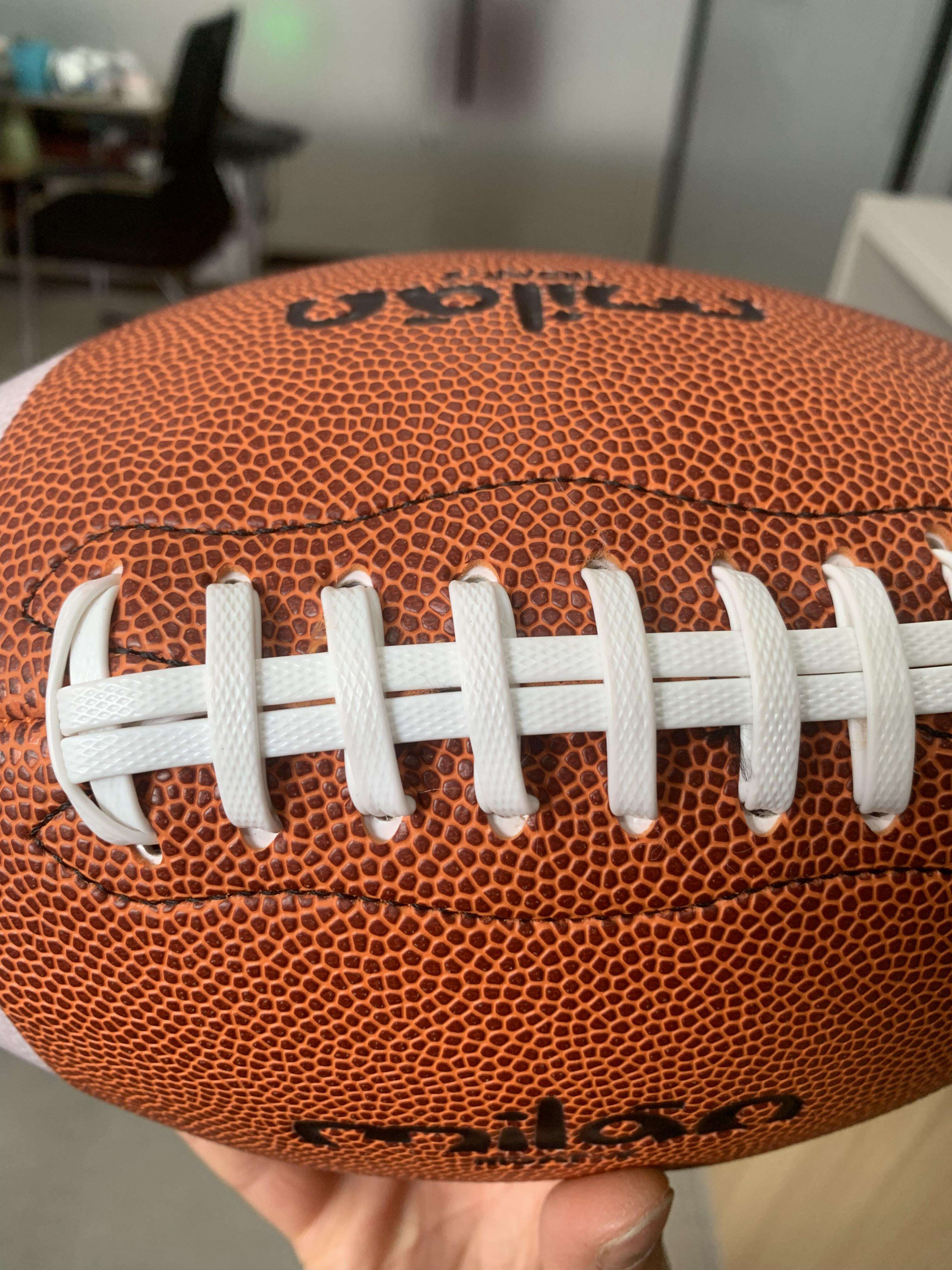
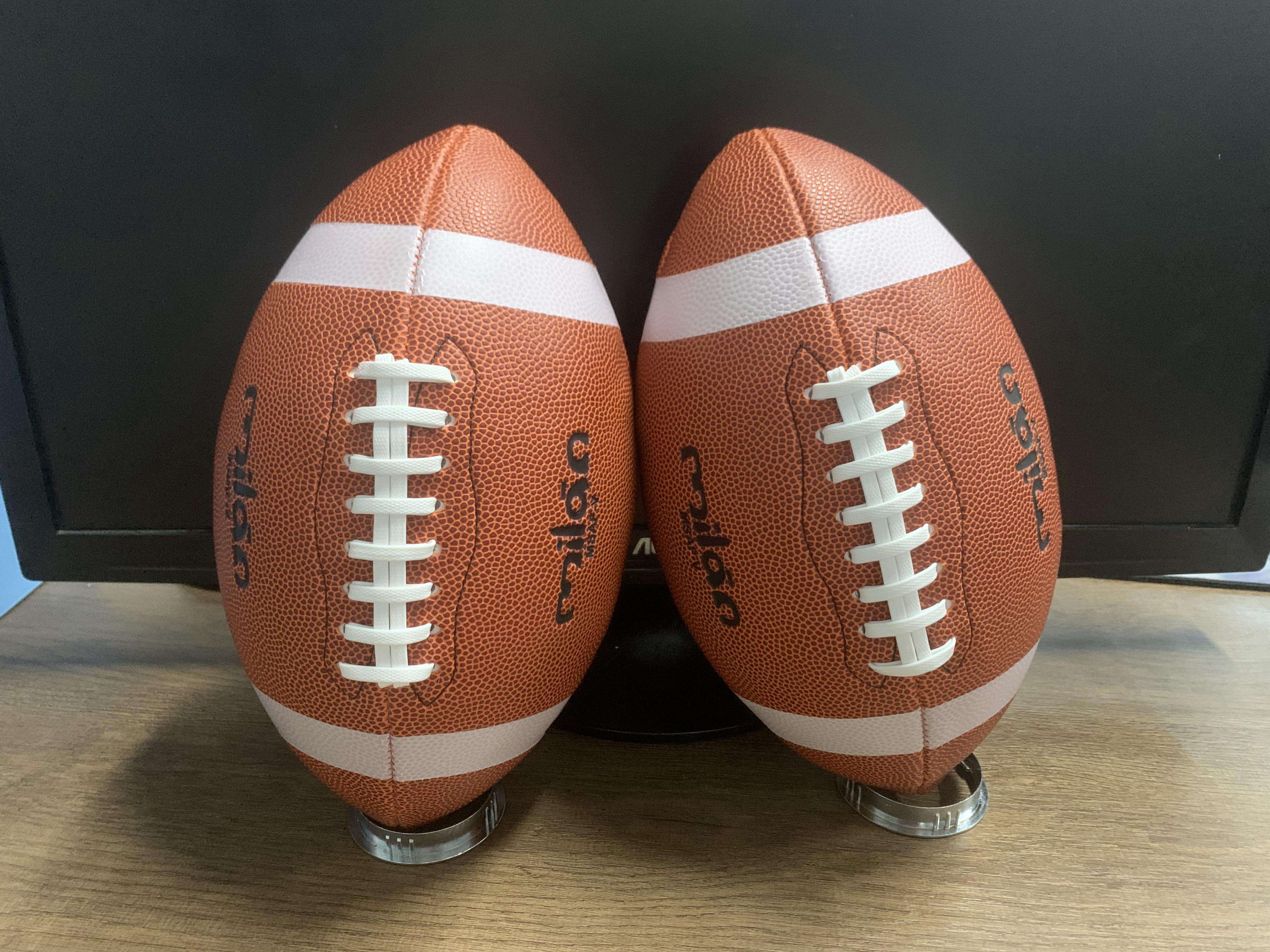
Wholesale Training Footballs - Bulk Soccer Balls for Teams & Clubs | Premium Quality Training Equipment

Get a Free Quote

Our representative will contact you soon.
Email
Name
Company Name
Message
0/1000

wholesale training footballs

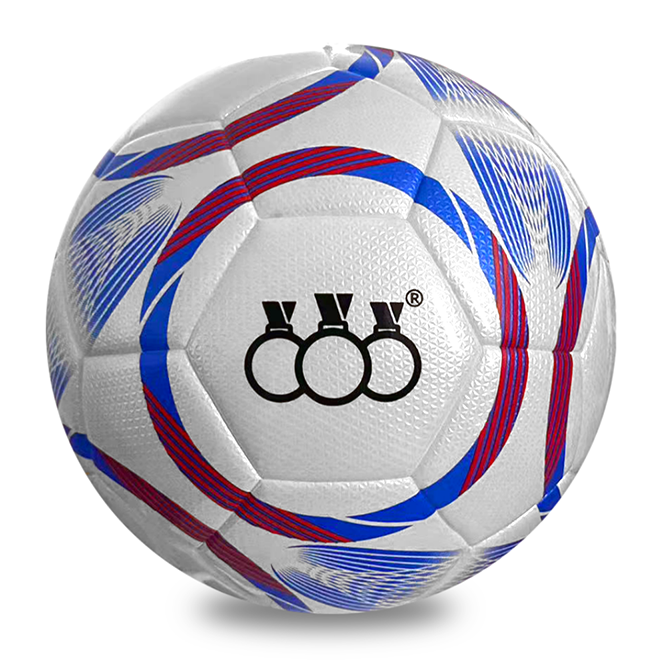
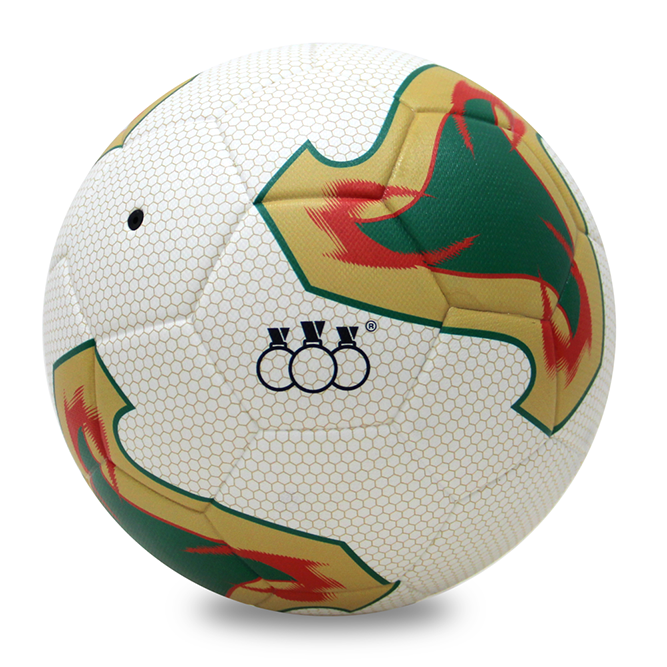
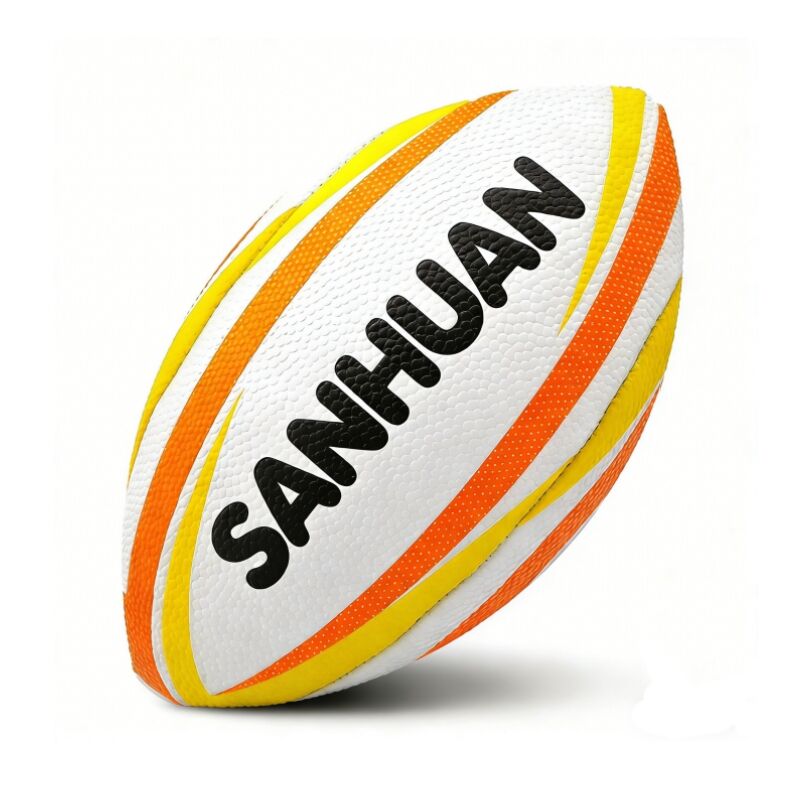
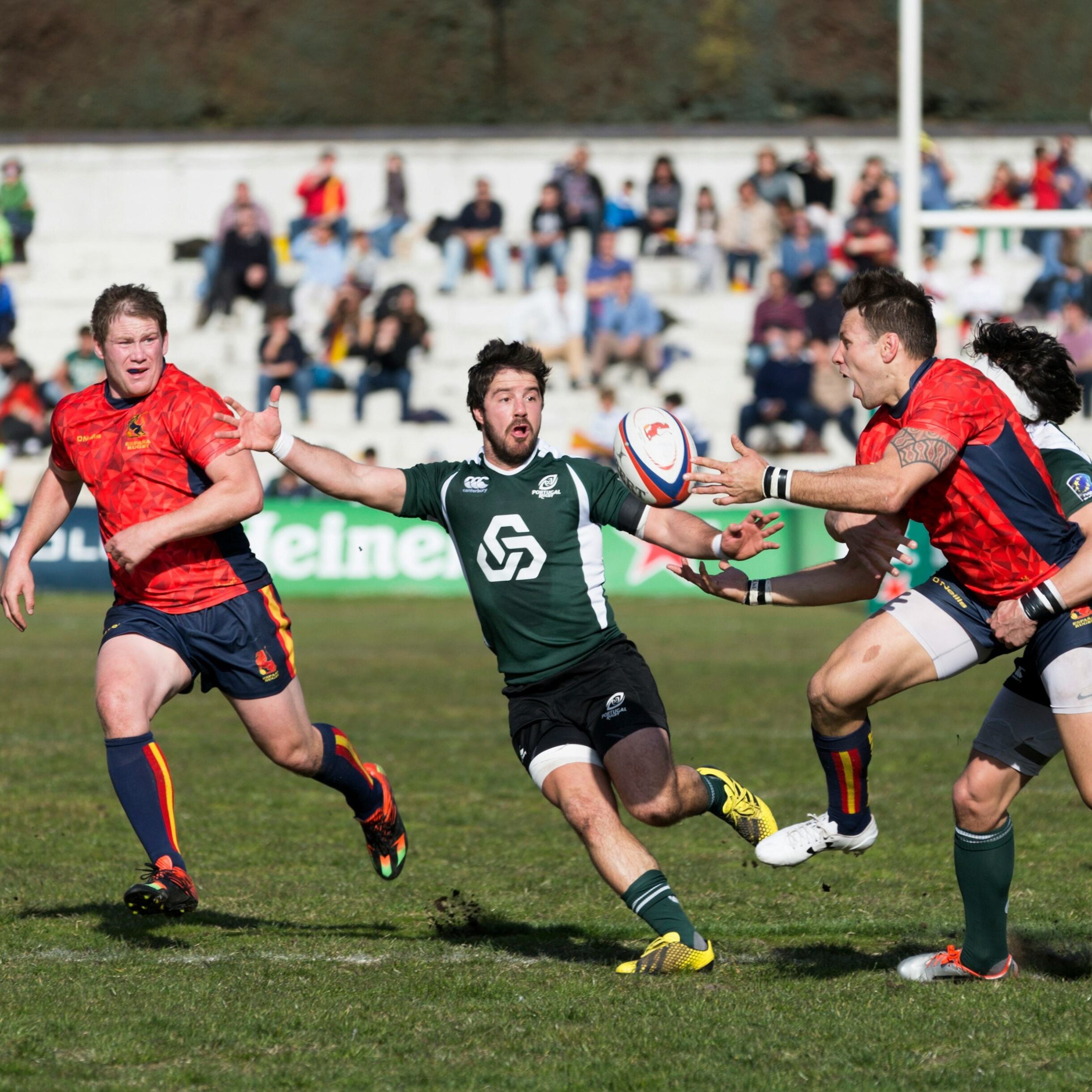
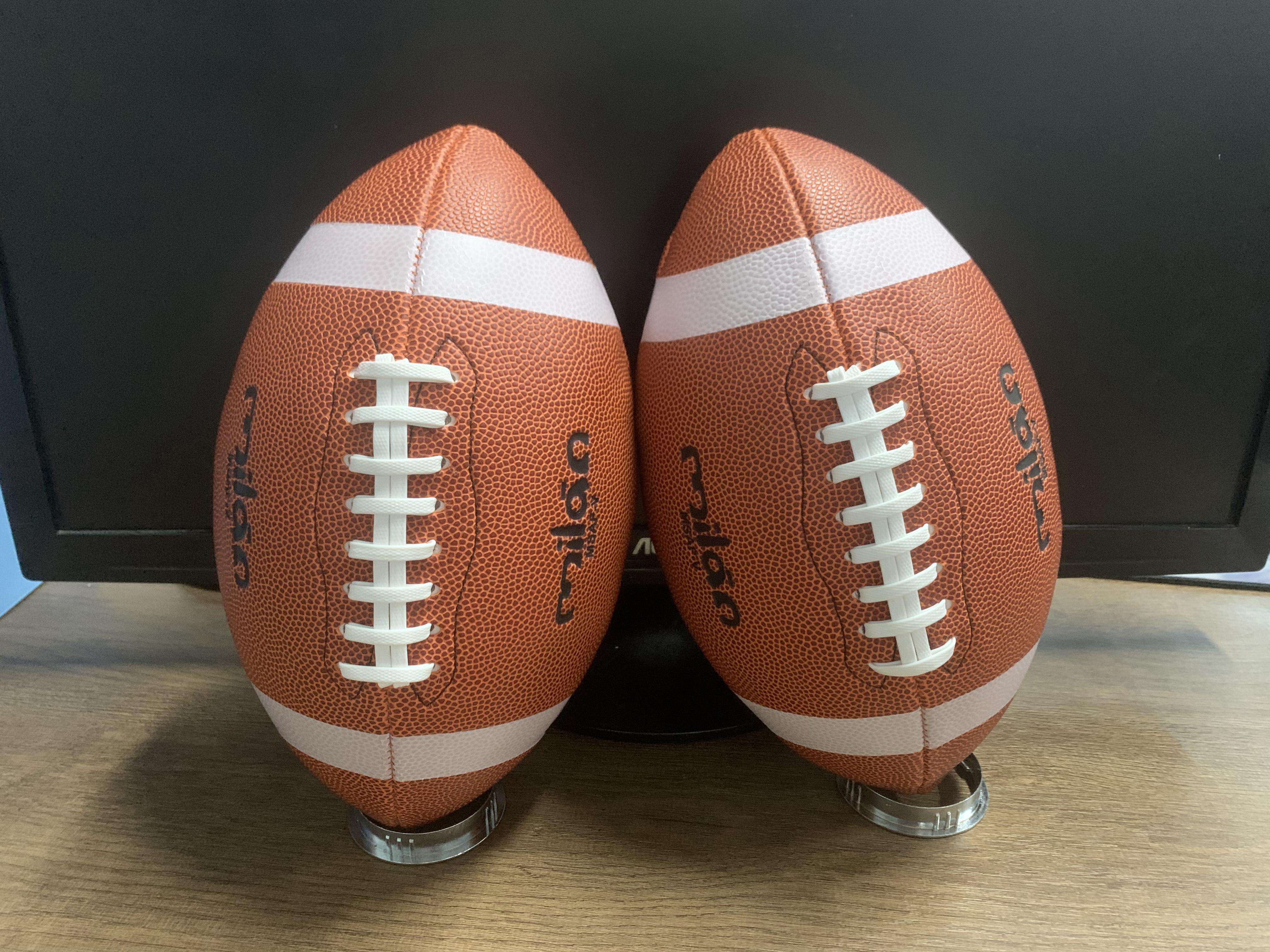
Wholesale training footballs represent an essential investment for sports organizations, schools, athletic clubs, and retailers seeking quality equipment at competitive prices. These specialized footballs are engineered specifically for practice sessions, skill development, and repetitive training exercises that demand durability and consistent performance. Unlike match-day balls, wholesale training footballs prioritize longevity and cost-effectiveness while maintaining the fundamental characteristics needed for effective player development. The main functions of these footballs include enhancing ball control techniques, improving passing accuracy, developing shooting skills, and facilitating tactical drills across all age groups and skill levels. Technological features incorporated into modern wholesale training footballs include reinforced stitching patterns that withstand intensive use, premium synthetic leather or polyurethane outer panels that resist water absorption and maintain shape integrity, specialized bladder systems that ensure optimal air retention for extended periods, and carefully calibrated weight distribution that mimics professional-grade balls. The construction typically employs machine-stitched or thermal-bonded panels that deliver exceptional durability at accessible price points when purchased in bulk quantities. Applications for wholesale training footballs span diverse environments including youth academies where foundational skills are established, school physical education programs requiring multiple balls for simultaneous activities, professional training facilities conducting daily intensive sessions, community sports programs serving large participant numbers, and retail operations supplying amateur teams and individual practitioners. The versatility of these training balls makes them suitable for various surface types including natural grass fields, artificial turf installations, indoor gymnasiums, and recreational play areas. By purchasing wholesale training footballs, organizations benefit from economies of scale that significantly reduce per-unit costs while ensuring consistent quality across their entire inventory, enabling comprehensive training programs without budget constraints compromising equipment standards or availability for participants at any level of competition or development stage.

New Product Recommendations

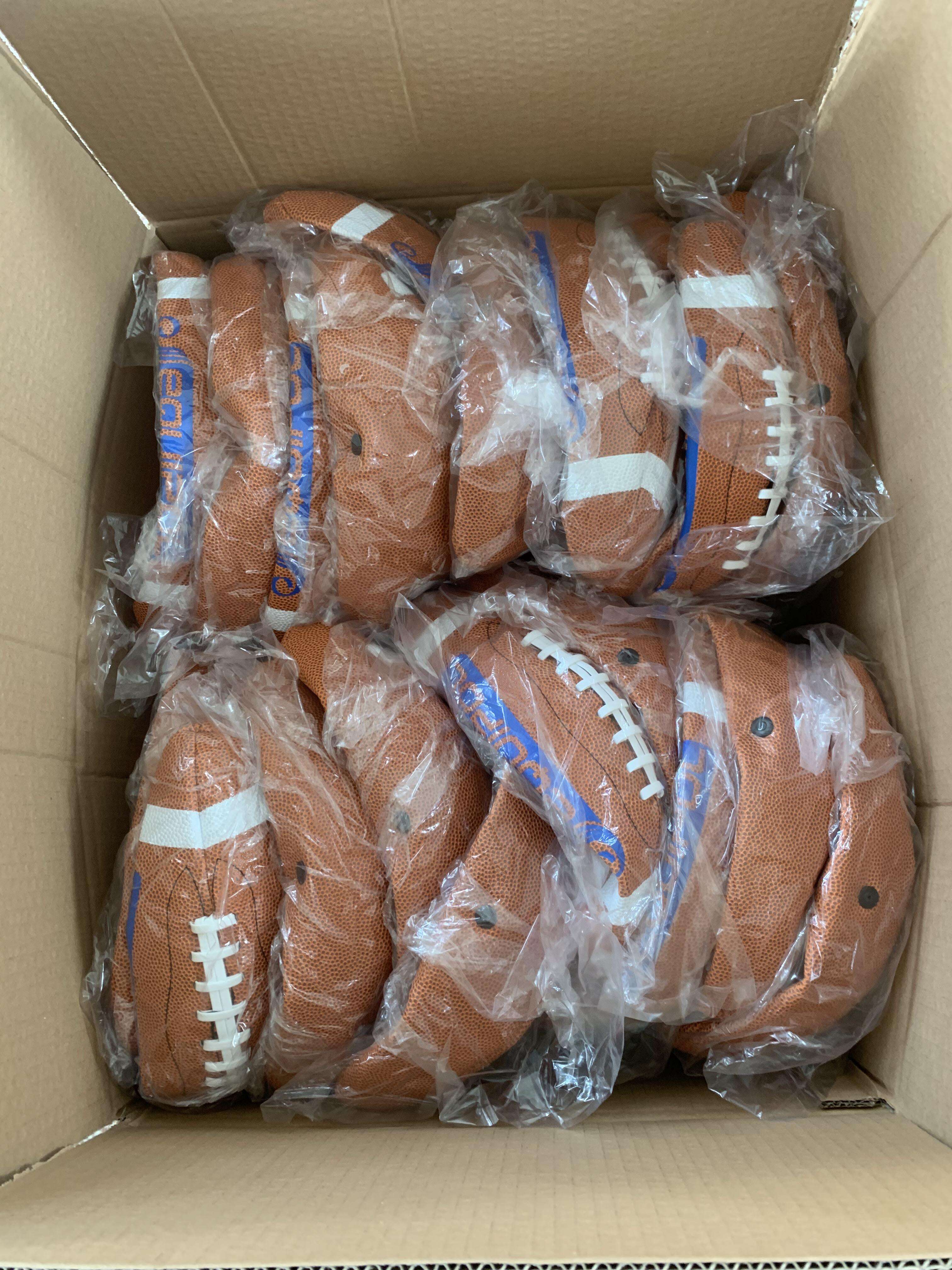
Purchasing wholesale training footballs delivers substantial financial savings that directly impact organizational budgets, allowing sports programs to allocate resources toward coaching development, facility improvements, and expanded participation opportunities. The bulk purchasing model reduces individual ball costs by twenty to forty percent compared to retail pricing, making quality equipment accessible even for organizations operating with limited funding. This cost efficiency enables schools and clubs to maintain adequate ball-to-player ratios during training sessions, ensuring every participant receives sufficient practice touches rather than waiting in lines or sharing equipment inefficiently. Wholesale training footballs are specifically constructed to endure thousands of kicks, headers, and ground impacts without significant degradation in performance characteristics. The reinforced panel construction and industrial-grade stitching resist splitting and separation even under aggressive play conditions, extending useful lifespan far beyond standard recreational balls. This durability translates to lower replacement frequencies and reduced long-term equipment expenditures, providing exceptional value over multi-season usage periods. Consistency across training inventory represents another critical advantage, as wholesale orders typically source from identical production batches ensuring uniform weight, size, bounce characteristics, and flight patterns. This standardization allows players to develop muscle memory and technical proficiency without adjusting to variable equipment properties, accelerating skill acquisition and building confidence through predictable ball behavior. Coaches benefit from this consistency when designing drills and evaluating player progress, as performance variations stem from athlete development rather than equipment inconsistencies. The immediate availability of replacement balls from wholesale inventory prevents training disruptions when balls become damaged or lost, maintaining program continuity and maximizing productive practice time. Organizations holding adequate wholesale training football reserves can simultaneously conduct multiple training groups, accommodate larger squad sizes, and run varied drill stations without equipment shortages constraining activities or participation numbers. Wholesale suppliers typically offer customization options including team logos, color schemes, and identification markings at minimal additional cost when ordering bulk quantities, enhancing team identity and equipment management while preventing loss or confusion in shared facility environments. The environmental consideration of purchasing durable wholesale training footballs rather than frequently replacing cheaper alternatives reduces waste generation and resource consumption over time. Quality training balls maintain structural integrity and performance standards throughout extended lifecycles, supporting sustainability objectives while delivering superior economic and functional outcomes. Establishing relationships with wholesale training football suppliers provides ongoing access to updated product lines, technical support, and flexible reordering processes that adapt to changing organizational needs, seasonal demands, and program expansion initiatives without complicated procurement procedures or extended lead times affecting training schedules.

Tips And Tricks

Which factors determine rugby ball durability for training?

18

May

Which factors determine rugby ball durability for training?

When selecting equipment for intensive training programs, understanding which factors determine rugby ball durability becomes essential for coaches, club managers, and training coordinators who need to balance performance quality with long-term inves...
View More
Why does rugby ball grip matter for handling performance?

11

May

Why does rugby ball grip matter for handling performance?

The grip quality of a rugby ball fundamentally determines whether players can execute clean catches, accurate passes, and secure carries under match pressure. Unlike sports equipment where surface texture serves primarily aesthetic purposes, the grip...
View More
How does rugby ball size vary across different game levels?

04

May

How does rugby ball size vary across different game levels?

Understanding how rugby ball size varies across different game levels is essential for players, coaches, and equipment managers who want to ensure optimal performance and safety. The dimensions and weight of a rugby ball are not arbitrary—they ...
View More
What is a rugby ball and how does its shape affect play?

01

May

What is a rugby ball and how does its shape affect play?

The rugby ball stands as one of the most distinctive sporting objects in the world, instantly recognizable by its unique prolate spheroid shape. Unlike the perfectly round balls used in soccer or basketball, the rugby ball features an elongated oval ...
View More

Get a Free Quote

Our representative will contact you soon.
Email
Name
Company Name
Message
0/1000

wholesale training footballs

Superior Durability Engineering for Intensive Training Demands

Superior Durability Engineering for Intensive Training Demands

Wholesale training footballs incorporate advanced durability engineering specifically designed to withstand the rigorous demands of daily practice sessions where balls experience significantly higher impact frequencies and surface abrasions compared to limited match-day usage. The construction methodology emphasizes reinforced stress points and premium materials that maintain structural integrity through thousands of repetitive strikes, ensuring consistent performance throughout extended training cycles. The outer casing typically features high-grade synthetic leather or thermoplastic polyurethane materials selected for exceptional abrasion resistance, enabling wholesale training footballs to endure repeated contact with various playing surfaces including coarse artificial turf, compacted natural grass, concrete play areas, and indoor gymnasium floors without premature wear patterns developing. These advanced materials resist moisture penetration that would otherwise compromise ball weight, balance, and responsiveness during wet weather conditions or dewy morning sessions. The panel configuration employs either machine-stitched construction with reinforced polyester thread or thermal bonding technology that fuses panels through heat application, both methods delivering robust seam integrity that prevents separation even under maximum impact forces generated during powerful shots and clearances. Wholesale training footballs utilize butyl rubber bladders rather than standard latex alternatives, providing superior air retention characteristics that maintain proper inflation pressure for weeks rather than requiring daily adjustments before training sessions. This air retention stability ensures consistent bounce height, flight trajectory predictability, and touch responsiveness throughout training periods, allowing players to develop accurate technical skills without compensating for gradually deflating equipment. The weight distribution engineering within wholesale training footballs balances durability requirements against authentic playing characteristics, ensuring balls respond naturally to various techniques including ground passes, lofted crosses, driven shots, and controlled touches despite reinforced construction elements. This careful calibration prevents training balls from feeling excessively heavy or responding sluggishly compared to match balls, facilitating skill transfer from practice environments to competitive situations. The manufacturing quality control processes for wholesale training footballs include pressure testing, sphericity measurements, bounce consistency evaluations, and water absorption assessments that verify each production batch meets established performance standards before distribution to bulk purchasers. Organizations investing in wholesale training footballs benefit from equipment that maintains playability across multiple seasons rather than degrading rapidly and requiring frequent replacement, optimizing budget allocation while ensuring athletes always train with properly functioning gear that supports rather than hinders development progression.
Cost-Effective Bulk Procurement Maximizing Training Resources

Cost-Effective Bulk Procurement Maximizing Training Resources

The financial advantages of wholesale training footballs extend far beyond simple per-unit price reductions, creating comprehensive resource optimization that transforms how organizations approach equipment planning, budget management, and program capacity expansion. Bulk purchasing models eliminate retail markup layers that typically add thirty to fifty percent to individual ball costs, allowing schools, clubs, and facilities to acquire professional-quality training equipment at prices previously accessible only to elite organizations with substantial funding. This democratization of equipment access ensures athletes at all competitive levels benefit from proper training tools regardless of organizational budget constraints. Wholesale training footballs enable organizations to establish appropriate ball-to-player ratios that maximize productive training time and individual skill development opportunities during group sessions. Sports science research consistently demonstrates that players require sufficient ball contact frequency to develop technical proficiency, yet many programs operate with inadequate equipment inventories that force participants to wait extended periods between touches or share balls inefficiently during drills. By investing in wholesale training football quantities that support recommended ratios of one ball per two to three players depending on activity type, organizations dramatically increase practice effectiveness and accelerate skill acquisition rates across their participant populations. The inventory depth provided by wholesale purchasing creates operational flexibility for conducting simultaneous training groups segregated by age, ability level, or tactical focus without equipment availability limiting organizational capacity or forcing compromises in session design. Coaches can implement station-based training methodologies that rotate players through varied skill-development activities, each requiring dedicated ball supplies, only when wholesale training football inventories provide sufficient equipment depth to support these pedagogically superior approaches. The reduced per-unit costs achieved through wholesale procurement free budget resources for complementary investments including coaching education programs, specialized training equipment, facility improvements, travel to competitive events, and expanded participation subsidies that together elevate overall program quality beyond what equipment-focused budgets typically achieve. Organizations purchasing wholesale training footballs establish predictable multi-year equipment lifecycles and replacement schedules that facilitate accurate budget forecasting and eliminate emergency procurement situations that force acceptance of whatever products are immediately available rather than preferred specifications. The relationship continuity with wholesale suppliers generates additional value through priority access to new product releases, technical consultation regarding optimal equipment selection for specific training objectives, flexible payment terms accommodating organizational cash flow patterns, and streamlined reordering processes that reduce administrative burden compared to navigating multiple retail transactions throughout each year.
Performance Consistency Supporting Systematic Skill Development

Performance Consistency Supporting Systematic Skill Development

The performance consistency delivered by wholesale training footballs represents a frequently undervalued yet critically important factor in effective player development and coaching effectiveness across training environments. When organizations source equipment through wholesale channels, they typically receive balls from identical production batches manufactured to precise specifications, ensuring uniform characteristics across entire inventories rather than the performance variability common in mixed retail purchases. This standardization means every wholesale training football in organizational inventory exhibits essentially identical weight distribution, circumference measurements, panel configuration, surface texture, bounce coefficients, and flight characteristics, creating the consistent training environment essential for systematic skill acquisition and reliable performance assessment. Players developing technical abilities including first-touch control, passing accuracy, shooting technique, and aerial skills benefit immensely from equipment consistency that allows neuromuscular systems to develop precise motor patterns through repetition with predictable ball behavior. When training footballs vary significantly in weight, balance, or responsiveness, athletes unconsciously compensate for these differences, fragmenting skill development across multiple adaptation patterns rather than refining singular optimal techniques. Wholesale training footballs eliminate this counterproductive variability, accelerating learning curves and building confident execution of techniques that transfer directly to match situations. Coaching effectiveness similarly improves when wholesale training footballs provide consistent performance platforms for instruction, demonstration, and evaluation activities. Coaches designing progressive drill sequences can confidently predict how balls will respond to specific techniques, allowing precise exercise parameters that systematically challenge players at appropriate difficulty levels. Performance assessments become more accurate when coaches can attribute execution variations to player ability differences rather than questioning whether equipment inconsistencies influenced results. The psychological benefits of training with consistent wholesale footballs include enhanced player confidence stemming from predictable equipment responses that validate proper technique application and remove uncertainty about whether execution failures resulted from athlete error or equipment quirks. This confidence foundation proves especially valuable for developing players who require positive reinforcement and clear feedback regarding technical progress. The wholesale procurement approach facilitates equipment rotation strategies that distribute usage evenly across ball inventories, preventing scenarios where some balls become significantly more worn than others and introducing performance inconsistencies despite initially uniform characteristics. Organizations can implement systematic rotation schedules ensuring all wholesale training footballs experience comparable usage frequencies, maintaining fleet-wide consistency throughout extended service periods and maximizing collective inventory lifespan before replacement becomes necessary for maintaining quality standards.

Get a Free Quote

Our representative will contact you soon.
Email
Name
Company Name
Message
0/1000