
 EN
EN


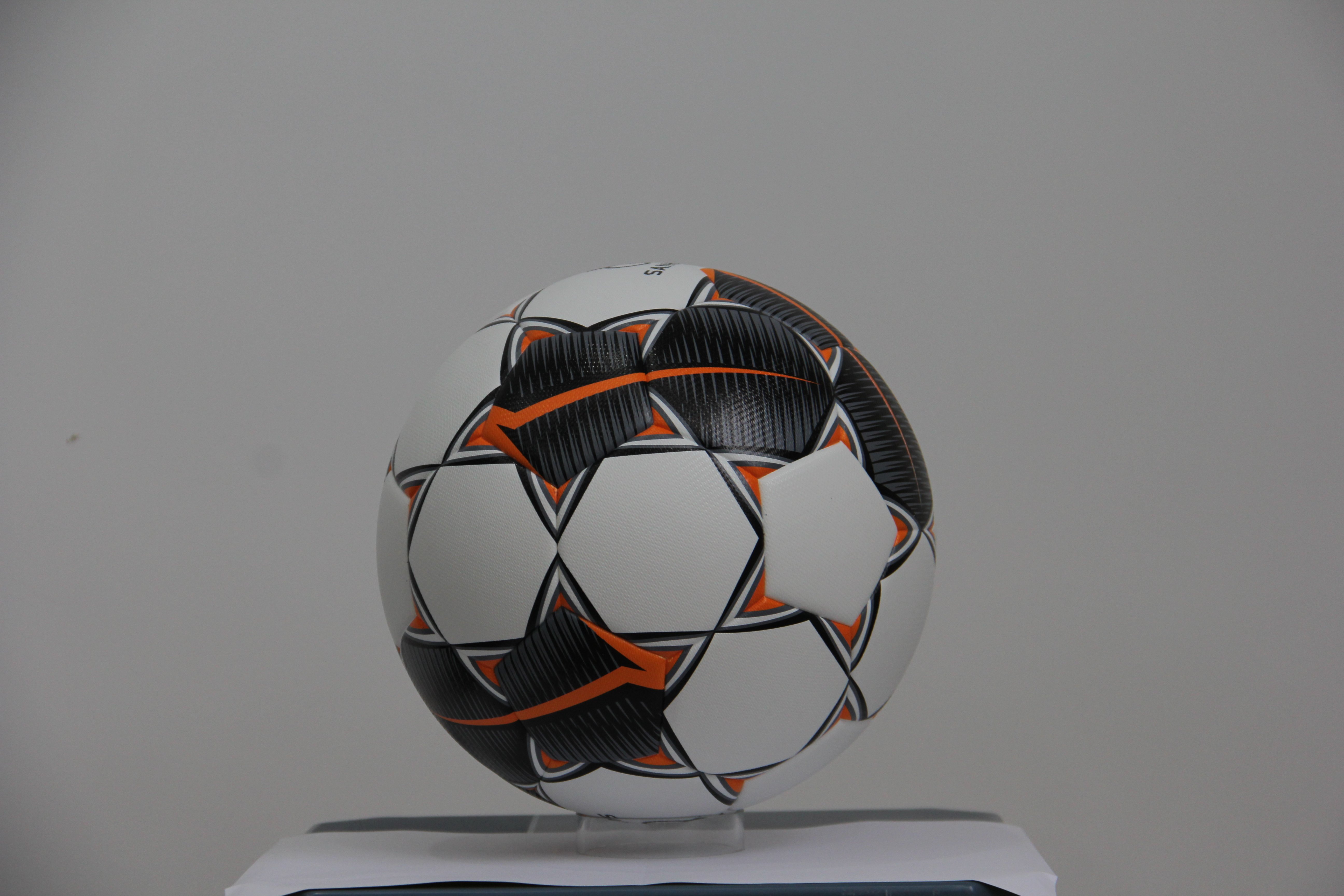
Kapag pumipili ng isang football soccer ball para sa pagsasanay, kompetisyon, o pangkalahatang suplay, ang tibay ay kadalasang ang pinakamahalagang salik na nagpapadetermina sa mahabang panahong halaga. Ang isang bola na nawawala ang hugis nito, nagkakahiwalay ang mga layer nito (delaminates), o nabubuo ng tubig matapos lamang ilang sesyon ay kumakatawan sa malaking gastos at pagkabigo sa pagganap — lalo na para sa mga club, aklatan ng pagsasanay (academies), at mga distributor na umaasa sa pare-parehong kalidad sa daan-daang yunit. Ang pag-unawa kung ano ang gumagawa ng isang football pilong Futbol na tunay na matibay ay nangangailangan ng pagtingin lampas sa panlabas na takip nito at pagsusuri sa mga desisyong pang-ekiniserya na ginawa sa bawat layer ng kanyang konstruksyon.

Ang katatagan sa isang football soccer ball ay hindi isang solong katangian — ito ay ang kabuuan ng kalidad ng materyal, teknik ng paggawa, heometriya ng panel, at mga kondisyon kung saan ginagamit ang bola. Ang mga propesyonal sa industriya ng mga kagamitang pang-sport ay alam na ang isang bola na dinisenyo para sa pagsasanay sa labas sa mabahid na turf ay dapat gawin nang iba kumpara sa isang bola na idinisenyo para sa laruan sa loob ng bahay o para sa libangan. Ang artikulong ito ay binibigkas ang mga pangunahing determinante ng tibay ng football (soccer) ball upang ang mga buyer, coach, at mga koponan sa paghahanap ng suplay ay makapag-decide nang maingat na magpapatuloy sa paglipas ng panahon.
Materyal ng Panlabas na Takip at Pagtutol sa Ibabaw
Ang Papel ng PU at PVC sa Matagalang Paggamit
Ang panlabas na takip ng bola ng football ang unang linya ng depensa laban sa abrasion, kahalumigmigan, at pagkasira ng UV. Ang polyurethane (PU) at polyvinyl chloride (PVC) ang dalawang pinakakaraniwang materyales sa takip, na bawat isa ay may magkakaibang profile ng tibay. Ang PU ay karaniwang mas gusto para sa mga match-quality at premium na training ball dahil pinagsasama nito ang lambot at pakiramdam na may malakas na resistensya sa pagbibitak at pagbabalat ng ibabaw sa paglipas ng panahon.
Ang PVC, bagaman mas ekonomikal, ay madalas na tumitigas sa malamig na temperatura at maaaring sumira kapag ginamit nang matagal at mabigat, lalo na sa magaspang na concrete o buhay na sintetikong turf na ibabaw. Gayunpaman, ang mga mataas na antas ng PVC formulation na may dagdag na plasticizer ay maaaring magbigay ng kagalang-galang haba ng buhay para sa rekreasional na paggamit ng soccer ball sa mas mababang presyo. Ang kapal ng takip na layer ay gumaganap din ng makabuluhang papel — ang mas makapal na PU coating ay nagbibigay ng mas mahusay na proteksyon laban sa malalim na mga sugat at paghihiwalay ng mga panel.
Ang texture ng ibabaw ay isa pang variable na may kinalaman sa tibay. Ang mga micro-textured o embossed na PU surface ay nagpapabahagi ng contact stress nang mas pantay, na binabawasan ang posibilidad ng surface fatigue sa anumang isang lugar. Para sa isang football soccer ball na ginagamit sa mga high-frequency training environment, ang ganitong uri ng textural engineering ay maaaring makapag-extend nang makabuluhan sa usable lifespan nito.
Resistensya sa Mga Stressor ng Kapaligiran
Bukod sa pisikal na abrasion, kailangan din ng isang football soccer ball na tumagal sa paulit-ulit na pagkakalantad sa ulan, kahalumigan, diretsong sikat ng araw, at mga pagbabago ng temperatura. Ang mga low-quality cover materials ay madalas na sumisipsip ng tubig sa paglipas ng panahon, na nagdudulot ng pagmamasa ng bola at pagkabali ng hugis — isang problema na hindi lamang nakaaapekto sa playability kundi pabilisin din ang degradation ng internal bladder at lining.
Ang mga takip na gawa sa PU na may UV stabilizer ay mas epektibong tumutol sa pagpapalabas ng kulay at pagkakabrittle ng ibabaw kaysa sa mga hindi naka-stabilize na alternatibo. Para sa mga club o distributor na nagsisilbi sa mga lugar na mainit at maraming sikat ng araw, ang resistensya sa UV ay isang hindi mapag-uusap na kadahilanan ng tibay. Ang komposisyong kimikal ng materyal ng takip, imbes na ang itsura lamang nito, ang determinado kung ang isang football (soccer ball) ay pananatilihin ang kalidad nito sa pamamagitan ng mga pagbabago ng temperatura sa buong panahon at sa matagal na pagkakalantad sa labas.
Pagkakabuo ng Panel at Teknolohiya ng Pagkakabit
Stitched vs. Thermo-Bonded Panels
Ang paraan kung paano pinagsasama-sama ang mga panel ay isa sa pinakamahalagang kadahilanan ng tibay sa anumang football (soccer ball). Ang mga bola na tinatahi ng kamay, na tradisyonal na ginagawa gamit ang polyester o nylon na sinulid, ay nag-aalok ng malakas na integridad ng seam kapag mataas ang kalidad ng sinulid at ang density ng tahi. Gayunpaman, ang mga stitched seam ay maaaring maging daanan ng tubig kung ang sinulid ay lumuhod o kung ang mga puwang ng seam ay lumuwang dahil sa paulit-ulit na stress.
Ang konstruksyon na thermo-bonded, na pagsasama-sama ng mga panel gamit ang init at teknolohiya ng pandikit imbes na sinulid, ay lumilikha ng isang seamless na ibabaw na walang mga punto kung saan pumasok ang tubig sa loob ng mga seam. Dahil dito, ang mga bola sa football/soccer na thermo-bonded ay malaki ang resistensya sa pag-absorb ng kahalumigmigan at sa pagkahiwalay ng mga panel sa paglipas ng panahon. Ang lakas ng pagkakabond sa isang maayos na ginawang bola na thermo-bonded ay karaniwang lumalampas sa tensile strength ng mismong materyal ng panel, na nangangahulugan na mas malamang na mag-deform ang mga panel kaysa mabigo ang bond.
Ang bilang at heometriya ng mga panel ay nakaaapekto rin sa pamamahagi ng tibay. Ang isang bola sa football/soccer na gawa sa higit pang mga panel—tulad ng disenyo na may 15 panel—ay nagpapamahagi ng mekanikal na stress sa mas maraming punto ng seam, kaya nababawasan ang konsentrasyon ng load sa anumang indibidwal na bond. Maaari itong magresulta sa mas mahusay na pagpapanatili ng hugis pagkatapos ng libo-libong kick, lalo na sa mga kapaligiran ng pagsasanay kung saan ang parehong bola ay maaaring paulit-ulit na hit sa mataas na bilis.
Mga Panlabas na Layer at Integridad ng Lining
Sa ilalim ng panlabas na takip ng isang soccer ball o football ay mayroon isang o higit pang mga layer ng panlikod — karaniwang gawa sa cotton, polyester, o isang kompositong tela — na pumipigil sa impact, pinapanatili ang rigidity ng mga panel, at protektado ang bladder mula sa direkta at matinding stress. Ang kalidad at pagkakadikit ng mga layer na ito ay direktang nakakaapekto kung ang bola ay mananatiling may parehong hugis at pakiramdam sa buong tagal ng kanyang paggamit.
Ang mga multi-layer na linings na may cross-directional na oryentasyon ng tela ay mas tumutol sa paglalawig at deformasyon ng mga panel kaysa sa mga single-layer o unidirectional na opsyon. Kapag ang materyal na panlikod ay mahigpit at pantay na nakadikit sa parehong panlabas na takip at sa casing ng bladder, ang buong istruktura ng bola ay kumikilos bilang iisang sistema kapag hinampas — na nagpapamahagi ng enerhiya nang walang paggalaw o paghiwalay ng anumang indibidwal na bahagi.
Ang mahinang pagkakadikit ng panloob na layer ay isang karaniwang uri ng kabiguan sa mga produkto ng football o soccer ball na may mababang kalidad. Ito ay lumilitaw bilang isang banayad na kabuholan o hindi regular na pakiramdam sa bola na unti-unting lumalala habang ginagamit. Ang mga bumibili na nagtataya ng kalidad ng bola para sa bulk procurement ay dapat laging suriin nang maingat ang konstruksyon ng backing layer gaya ng pag-susuri sa panlabas na ibabaw.
Kalidad ng Bladder at Pagpapanatili ng Presyon
Latex vs. Butyl Bladders
Ang bladder ay ang pangunahing bahagi ng bawat football o soccer ball na nag-iimbak ng hangin, at ang kanyang materyal ang direktang tumutukoy kung gaano kahusay ang bola sa pagpapanatili ng presyon sa loob ng panahon. Ang mga bladder na gawa sa latex ay nagbibigay ng likas na sensitibong pakiramdam at kaunting elastisidad na pinipili ng maraming manlalaro, ngunit mas madaling pasukin ng gas kaysa sa mga bladder na gawa sa butyl, kaya kailangan ng mas madalas na pagpapapuno upang mapanatili ang optimal na presyon.
Ang mga butyl rubber bladders ay ang pamantayan sa industriya para sa produksyon ng football soccer ball na nakatuon sa tibay. Mas mahaba ang pananatili ng hangin sa loob nila kumpara sa latex — madalas na pinapanatili ang tamang inflation nang ilang araw o linggo sa pagitan ng bawat sesyon — at mas tumutol sa pagsusunog at pagbabago ng hugis dahil sa paulit-ulit na impact. Para sa mga kapaligiran ng pagsasanay kung saan maaaring hindi gamitin ang mga bola sa pagitan ng mga sesyon, ang mga butyl bladder ay nagbibigay ng praktikal na pakinabang sa tibay na direktang nakaaapekto sa pagkakapare-pareho at kaligtasan.
Ang kapal ng pader ng bladder at kalidad ng valve ay pangalawang, ngunit mahahalagang mga konsiderasyon. Ang isang bladder na may hindi pantay na kapal ng pader ay magdudulot ng hindi pantay na distribusyon ng presyon, na magreresulta sa di-regular na pag-uugali ng bola at mas mabilis na pagkapagod ng istruktura. Ang mga mataas na kalidad na valve na may maingat na paggawa ng sapat na toleransya ay nakakapigil sa mikro-leakage sa punto ng inflation, na isa pang karaniwang kahinaan sa tibay sa karaniwang konstruksyon ng football soccer ball.
Pagpapanatili ng Hugis Sa Ilalim ng Paulit-Ulit na Impact
Ang isang matibay na bola sa football o soccer ay hindi lamang dapat panatilihin ang presyon ng hangin kundi pati na rin ang hugis nito bilang isang sphere pagkatapos ng libu-libong mataas na pwersang impact. Ang elastisidad ng bladder ay gumaganap ng pangunahing papel dito. Ang isang bladder na sobrang madaling mag-deform kapag hinampas at hindi bumabalik nang maayos sa tunay na hugis ng sphere ay unti-unting magdudulot ng pagkabent sa mga panlabas na panel at di-pantay na stress sa lining.
Ang mga pamantayan sa pagsusuri para sa mga propesyonal na bola ay kasama ang bilog na hugis, pagpapanatili ng circumference, at pagkakapareho ng rebound pagkatapos ng isang tiyak na bilang ng impact. Ang mga bola na pumasa sa mga pagsusuring ito sa mas mataas na bilang ng ulit ay dinisenyo gamit ang kombinasyon ng bladder at lining na epektibong sumusorbo at muling nagpapamahagi ng enerhiya mula sa impact. Kapag sinusuri ang isang bola sa football o soccer para sa pangmatagalang institusyonal na paggamit, ang mga metrikong ito sa pagsusuri ay nagbibigay ng mas obhetibong impormasyon tungkol sa tibay kaysa sa presentasyon ng brand o inspeksyon lamang gamit ang paningin.
Mga Kondisyon ng Surface at Intensidad ng Paggamit
Kakayahang Magamit sa Iba’t Ibang Playing Surface
Ang kapaligiran kung saan ginagamit ang bola ng football o soccer ay may malalim na epekto sa bilis ng pag-degrade nito. Ang mga ibabaw na gawa sa likas na damo ang pinakamahinahon sa mga takip ng bola, na nagbibigay ng relatibong mababang abrasyon at mabuting pamamahala ng kahalumigan. Ang artipisyal na turf, lalo na ang mga lumang ibabaw ng ika-tatlong henerasyon na may rubber crumb infill, ay gumagawa ng malaki ang surface abrasion at init habang tumatagal ang laro — parehong mga kadahilanan na pabilisin ang wear ng takip.
Ang mga ibabaw na gawa sa concrete at asphalt ang pinakamahihirap na kondisyon para sa anumang bola ng football o soccer. Ang mataas na friction sa kontak at ang mga pwersa ng impact ay nagdudulot ng mabilis na surface scuffing, stress sa mga seam, at sa ekstremong mga kaso, bruising sa bladder. Ang mga bola na inilaan para sa street o hard-court na paggamit ay dapat piliin na may reinforced PVC o mataas na durometer na PU covers na partikular na kinokonsidera para sa mga ibabaw na ito. Ang paggamit ng isang karaniwang training ball sa concrete ay magpapababa nang husto sa functional lifespan nito, anuman ang kalidad ng orihinal na konstruksyon nito.
Para sa mga club na nagsisilbi sa maraming uri ng ibabaw, ang isang football soccer ball na may balanseng profile sa tibay — katamtamang kahigpit ng takip, malakas na pagkakabit ng mga seam, at butyl bladder — ang nag-aalok ng pinakapraktikal na buhay ng serbisyo sa iba't ibang kondisyon. Ang pagtugma ng teknikal na espesipikasyon ng bola sa ibabaw ng laruan ay isang disiplina sa pagbili na kung saan nababawasan nang malaki ang dalas ng pagpapalit at ang kabuuang gastos sa pagmamay-ari.
Pananatili ng Presyon at Mga Pamamaraan sa Pag-iimbak
Kahit ang pinakamataas na kalidad na football soccer ball ay maaaring mabilis na mapinsala kung hindi ito maingat na iniimbak at pinapanatili. Ang sobrang pagpapapresyon (over-inflation) ay isang karaniwang sanhi ng stress sa bladder, paghiwalay ng mga seam, at paglalawig ng mga panel — lalo na sa mainit na kapaligiran kung saan lumalawak ang nakaposong hangin. Samantala, ang kulang sa presyon (under-inflation), bagaman hindi agad nakasasama, ay nagdudulot ng pagbabago ng hugis ng mga panel kapag hinampas at mas mabilis na pumupukaw ng cracking sa ibabaw dahil sa pagsiksik ng bola paloob sa bawat paghampas.
Ang pag-iimbak ng isang football o soccer ball sa diretsong sikat ng araw, malapit sa mga pinagmumulan ng init, o sa mga madumi o nababasa na kondisyon ay magpapababa sa kalidad ng takip nito at ng mga pandikit na ugnayan sa pagitan ng mga layer. Ang tamang paraan ng pag-iimbak ay kinabibilangan ng pagpapanatili ng presyon na inirerekomenda para sa mga bola, panatilihin ang mga ito sa isang cool at tuyo na kapaligiran, at i-rotate ang stock upang matiyak ang pantay na distribusyon ng paggamit sa buong imbentaryo ng mga bola. Para sa mga aklatan at club na namamahala ng malalaking dami ng mga bola, ang mga gawaing ito ay maaaring magdulot ng dalawang beses o tatlong beses na pagtaas sa epektibong buhay ng serbisyo ng kanilang suplay ng football o soccer ball.
Madalas Itanong
Ano ang pinakamahalagang salik sa tibay ng football o soccer ball?
Walang iisang pangunahing kadahilanan — ang tibay ay bunga ng interaksyon ng kalidad ng takip na materyal, paraan ng pagkakabit ng mga panel, konstruksyon ng bladder, at mga kondisyon sa paggamit. Gayunpaman, kung kailangang tukuyin ang pinakamalaking impluwensya, ang karamihan sa mga propesyonal sa industriya ay tutukoy sa takip na materyal at konstruksyon ng mga seam, dahil ang mga ito ang nagsasalamin ng parehong pisikal na paglaban at proteksyon laban sa kahalumigmigan. Ang isang football (soccer ball) na gawa sa premium na PU cover at thermo-bonded panels ay laging magtatagal nang higit pa kaysa sa isang gawa sa pangkaraniwang PVC at mga seam na tinahi gamit ang makina, kapag ginamit sa magkatulad na kondisyon.
Paano nakaaapekto ang ibabaw ng laruan sa haba ng buhay ng isang football (soccer ball)?
Ang ibabaw kung saan naglalaro ay isa sa mga pinakamahalagang panlabas na kadahilanan ng tibay. Ang likas na damo ay mahina sa mga takip at mga butas, samantalang ang artipisyal na turf at matitigas na court ay nagdudulot ng mas malaking abrasyon at mekanikal na stress. Ang isang football soccer ball na ginagamit lamang sa kongkreto ay maaaring magpakita ng nakikitang pagkasira ng takip sa loob lamang ng ilang linggo, habang ang parehong bola na ginagamit sa likas na damo ay maaaring panatilihin ang integridad ng ibabaw nito sa loob ng maraming buwan. Ang pagtutugma ng teknikal na tatak ng bola sa uri ng ibabaw ay isang mahalagang bahagi ng responsable na pagbili para sa mga club at pasilidad sa pagsasanay.
Mas matibay ba ang mga thermo-bonded na football soccer ball kaysa sa mga hand-stitched?
Sa karamihan ng mga kondisyon, ang konstruksyon na thermo-bonded ay nag-aalok ng mas mataas na paglaban sa kahalumigan at lakas ng pagkakabond ng mga panel kumpara sa mga alternatibong hand-stitched. Dahil wala ng sinulid o butas sa mga seam ng thermo-bonded, halos nawawala ang pagsusubok ng tubig — na isa sa pangunahing sanhi ng pagtaas ng timbang at pagkasira ng istruktura sa mga bola na may tahi. Para sa paggamit sa labas at sa panahon ng ulan, ang isang football soccer ball na thermo-bonded ay nagbibigay ng makikitang kalamangan sa tibay. Ang mga bola na hand-stitched, kapag ginamitan ng de-kalidad na sinulid at mataas na bilang ng tahi, ay nananatiling matibay para sa indoor at kompetisyon na paggamit sa mga tuyong kondisyon.
Paano dapat itago ang mga football soccer ball upang maksimisinhin ang kanilang buhay na tagal?
Upang mapatagal ang buhay ng isang soccer ball, imbakin ito sa presyon ng pagpapaputok na inirekomenda ng tagagawa sa isang malamig at tuyo na lugar na malayo sa direkta na sikat ng araw at mga pinagmumulan ng init. Huwag patungan ng mabibigat na bagay ang mga bola dahil ang paulit-ulit na pag-compress ay maaaring pabagu-baguhin ang hugis ng bladder at distorsyon sa geometry ng mga panel sa paglipas ng panahon. Para sa mga institusyong gumagamit ng malalaking imbentaryo, ang pag-rotate ng paggamit ng mga bola ay nag-aaseguro na walang isang soccer ball ang tumatanggap ng hindi proporsyonadong bahagi ng stress dulot ng impact, kaya naman binabalanse ang wear at pinatatagal ang produktibong buhay ng buong imbentaryo.
Talaan ng Nilalaman
- Materyal ng Panlabas na Takip at Pagtutol sa Ibabaw
- Pagkakabuo ng Panel at Teknolohiya ng Pagkakabit
- Kalidad ng Bladder at Pagpapanatili ng Presyon
- Mga Kondisyon ng Surface at Intensidad ng Paggamit
-
Madalas Itanong
- Ano ang pinakamahalagang salik sa tibay ng football o soccer ball?
- Paano nakaaapekto ang ibabaw ng laruan sa haba ng buhay ng isang football (soccer ball)?
- Mas matibay ba ang mga thermo-bonded na football soccer ball kaysa sa mga hand-stitched?
- Paano dapat itago ang mga football soccer ball upang maksimisinhin ang kanilang buhay na tagal?