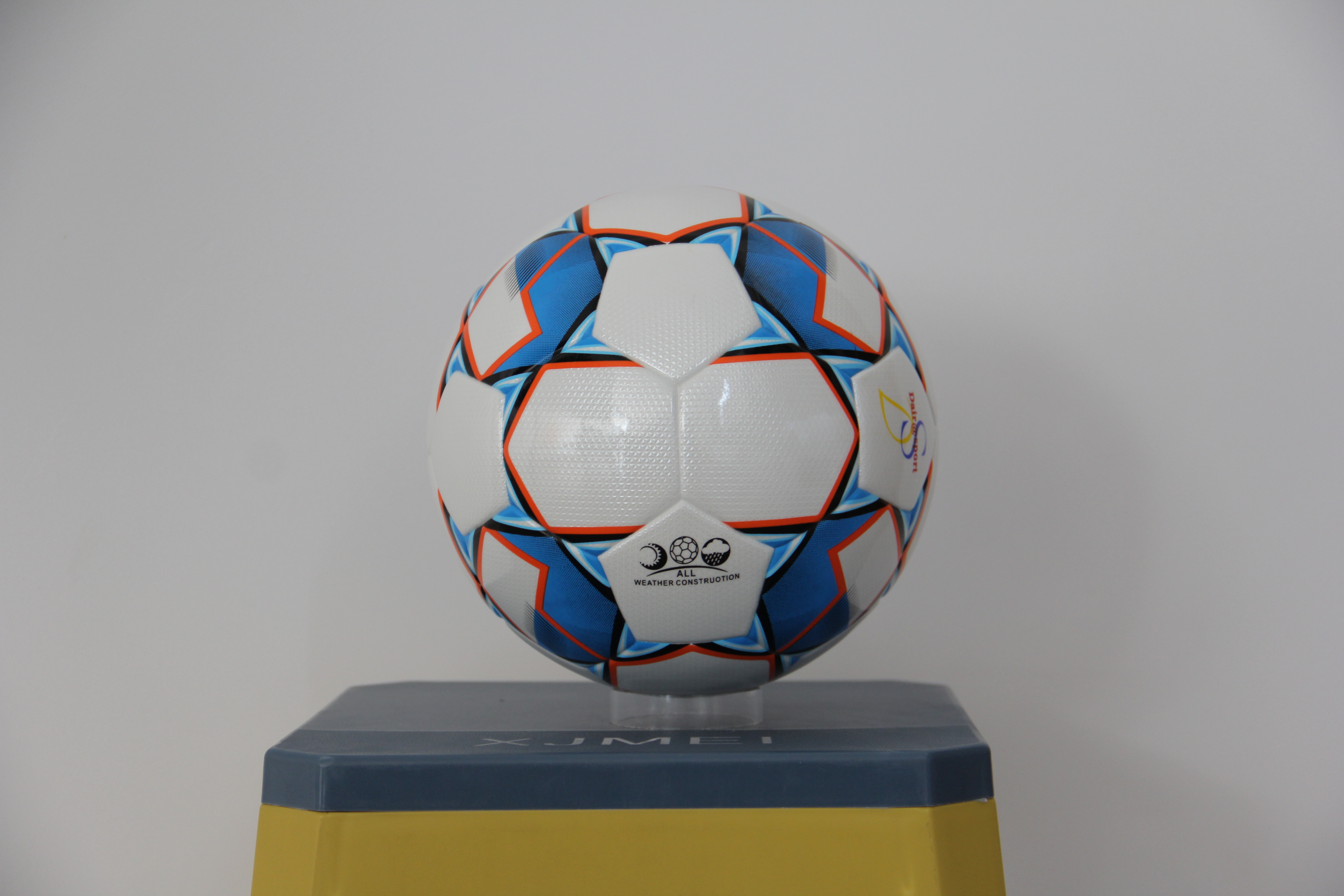
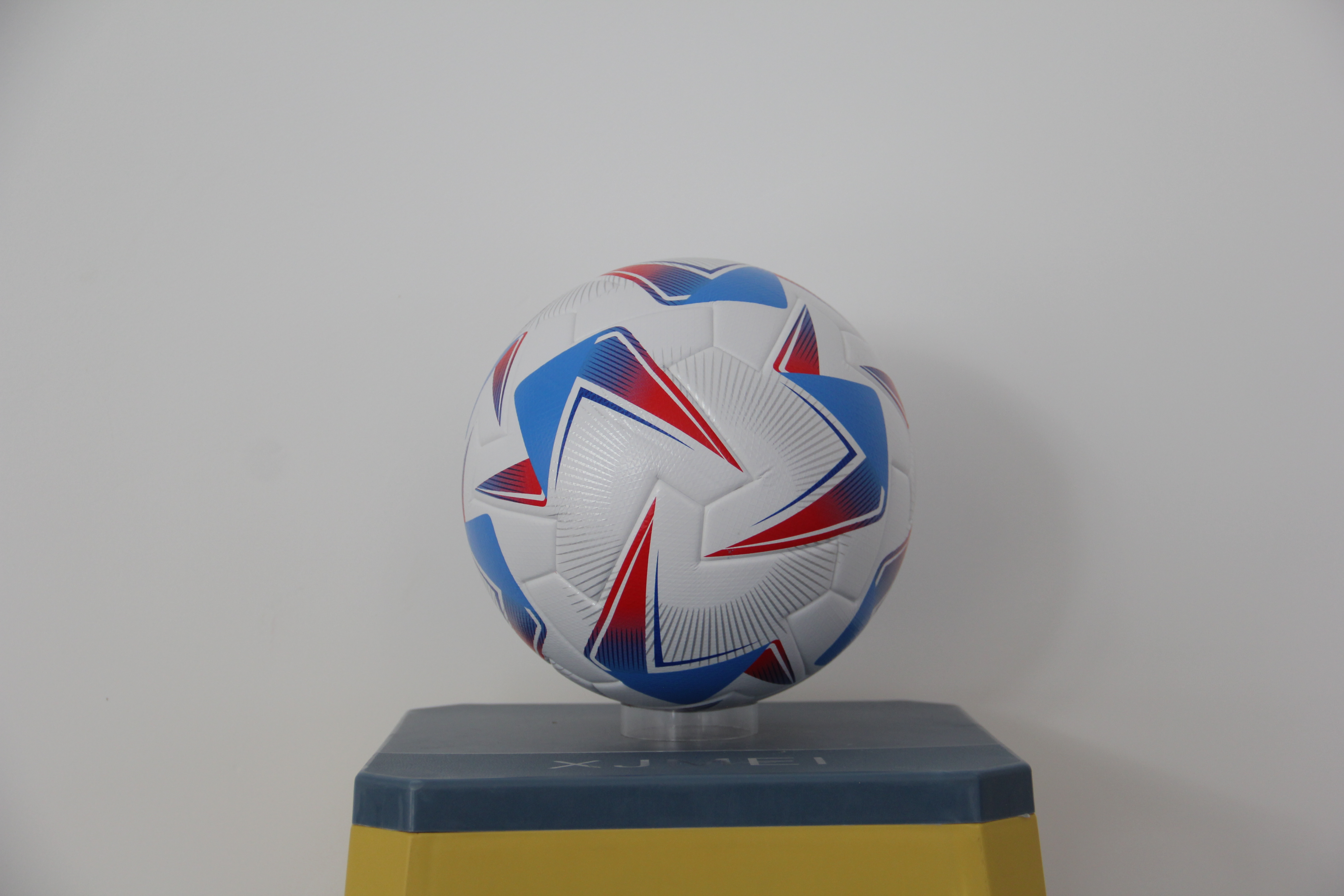
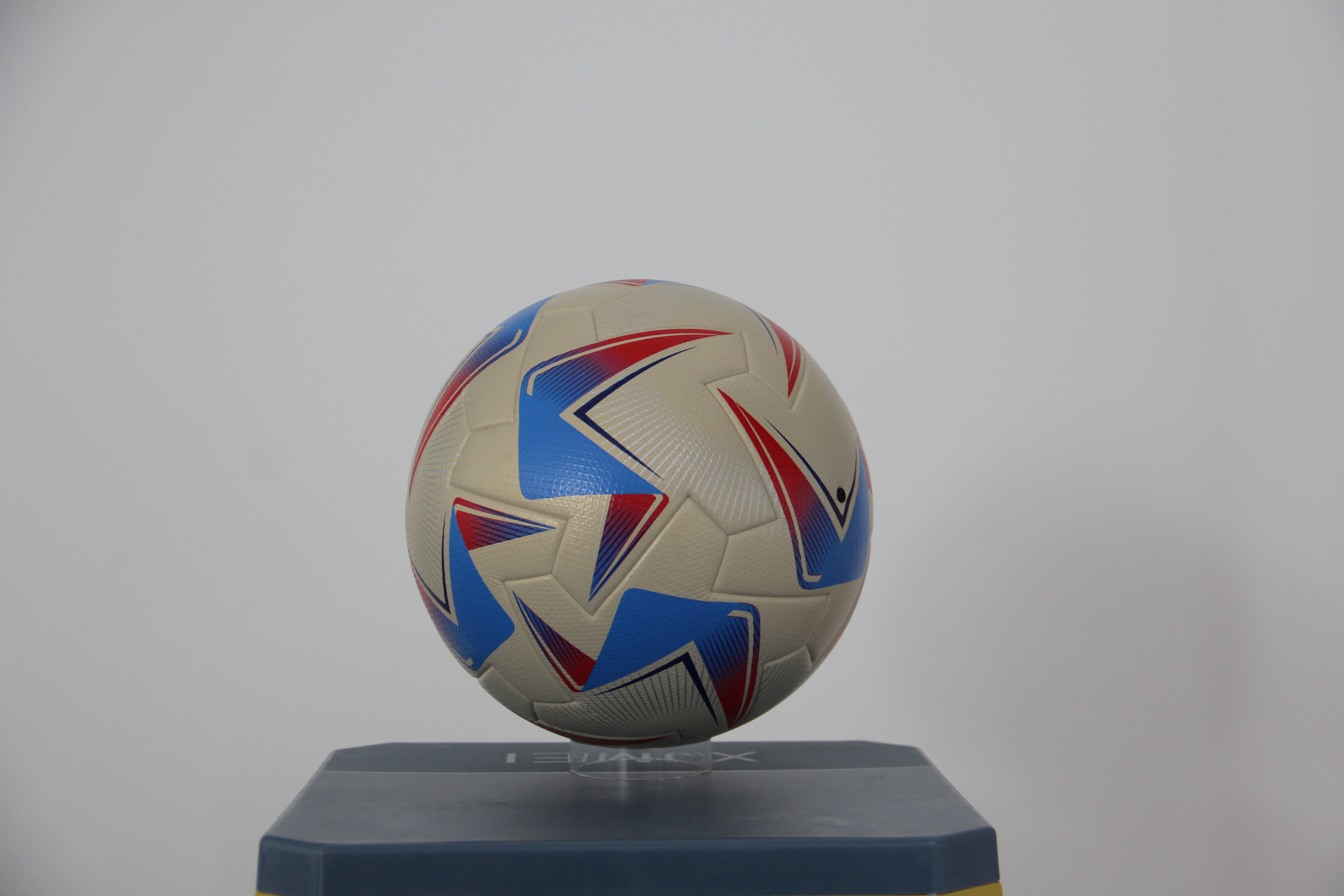
size 4 match ball
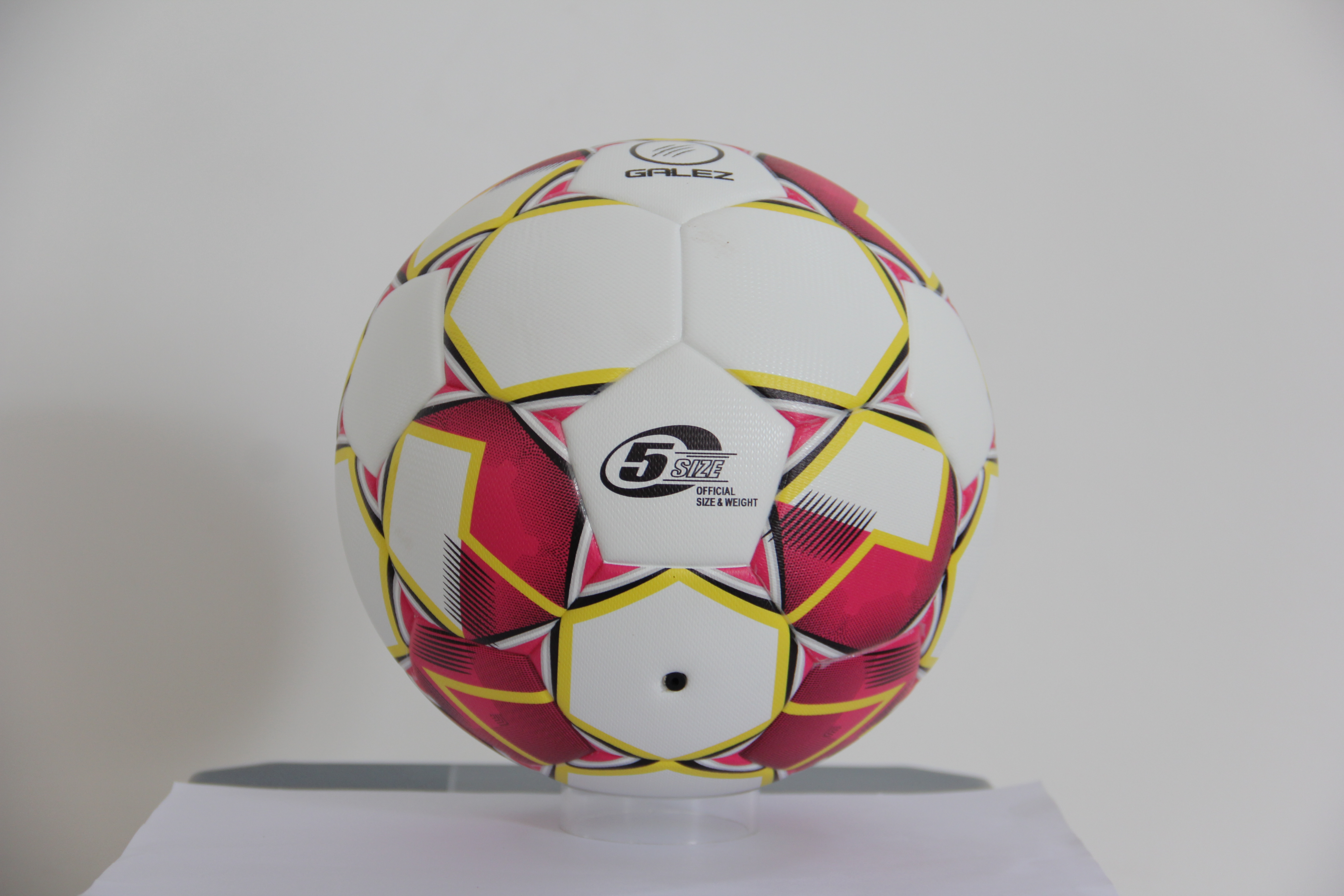
A size 4 match ball is the regulation youth match ball — verified size and weight, match-grade construction and consistent flight. With a circumference measuring between 63.5 and 66 centimeters and weighing approximately 350 to 390 grams, this ball strikes the perfect balance between professional standards and age-appropriate specifications. The size 4 match ball serves as an essential bridge in player development, transitioning young athletes from smaller training balls to the full-sized equipment used in professional competitions. Its primary function extends beyond simple recreational play, as it plays a crucial role in skill development, tactical understanding, and physical conditioning for emerging football talent. The technological features incorporated into modern size 4 match balls include advanced synthetic leather construction, precision-molded panels for consistent flight characteristics, and specialized bladder systems that maintain optimal air retention. These balls undergo rigorous testing to ensure they meet international quality standards for bounce, water resistance, and durability. The construction typically involves thermal bonding or hand-stitching techniques that create seamless surfaces, reducing unpredictable movement during play. Applications for the size 4 match ball span across various competitive and training environments, including youth league matches, school tournaments, training academies, and recreational programs. Coaches and development programs worldwide recognize this ball as the standard equipment for pre-teen players, making it indispensable for proper skill progression. The size 4 match ball accommodates the physical capabilities of younger players while maintaining the authentic feel and performance characteristics that prepare them for advanced levels of competition. Its widespread adoption in youth football programs demonstrates its importance as a developmental tool that shapes the next generation of football players.

 EN
EN