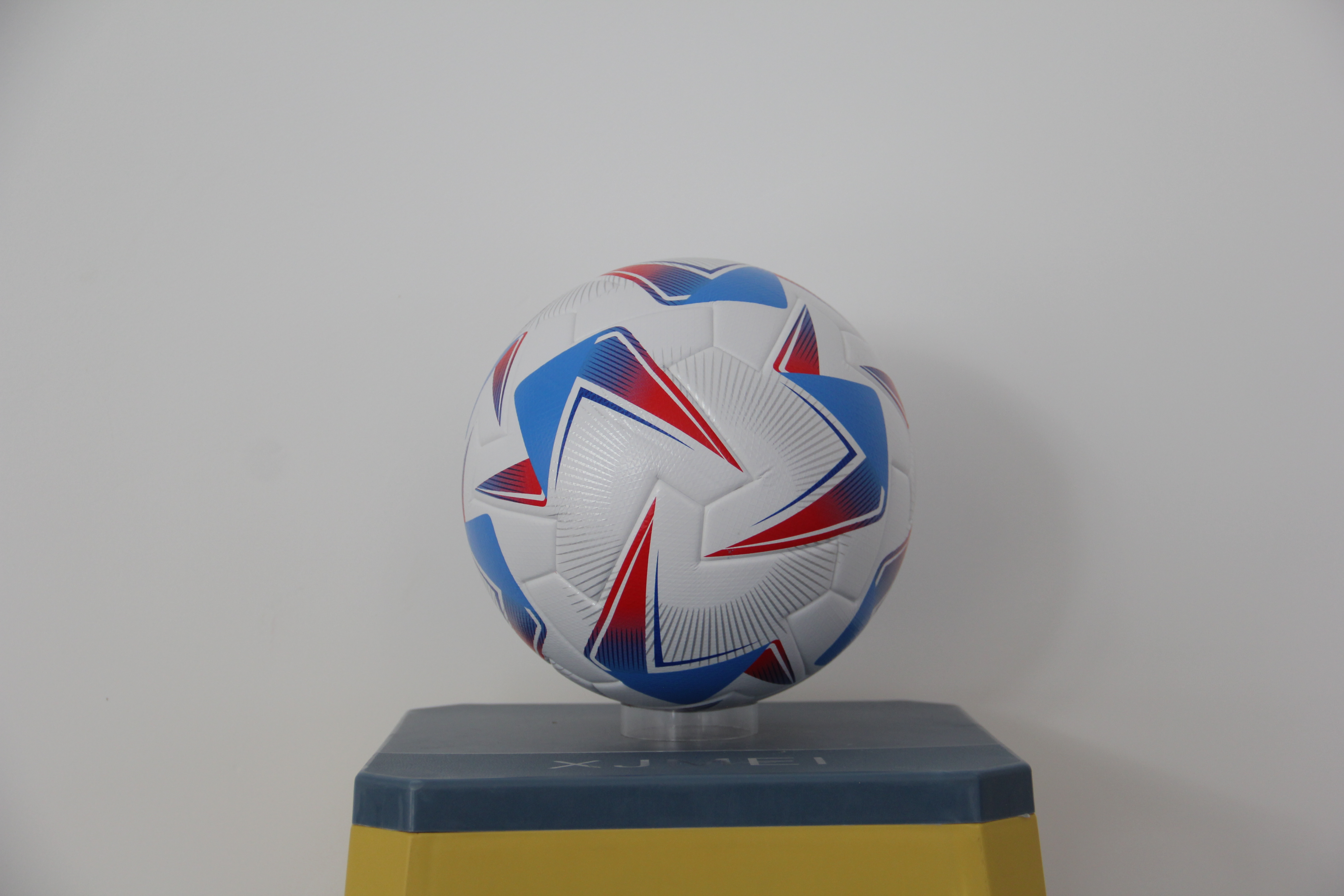
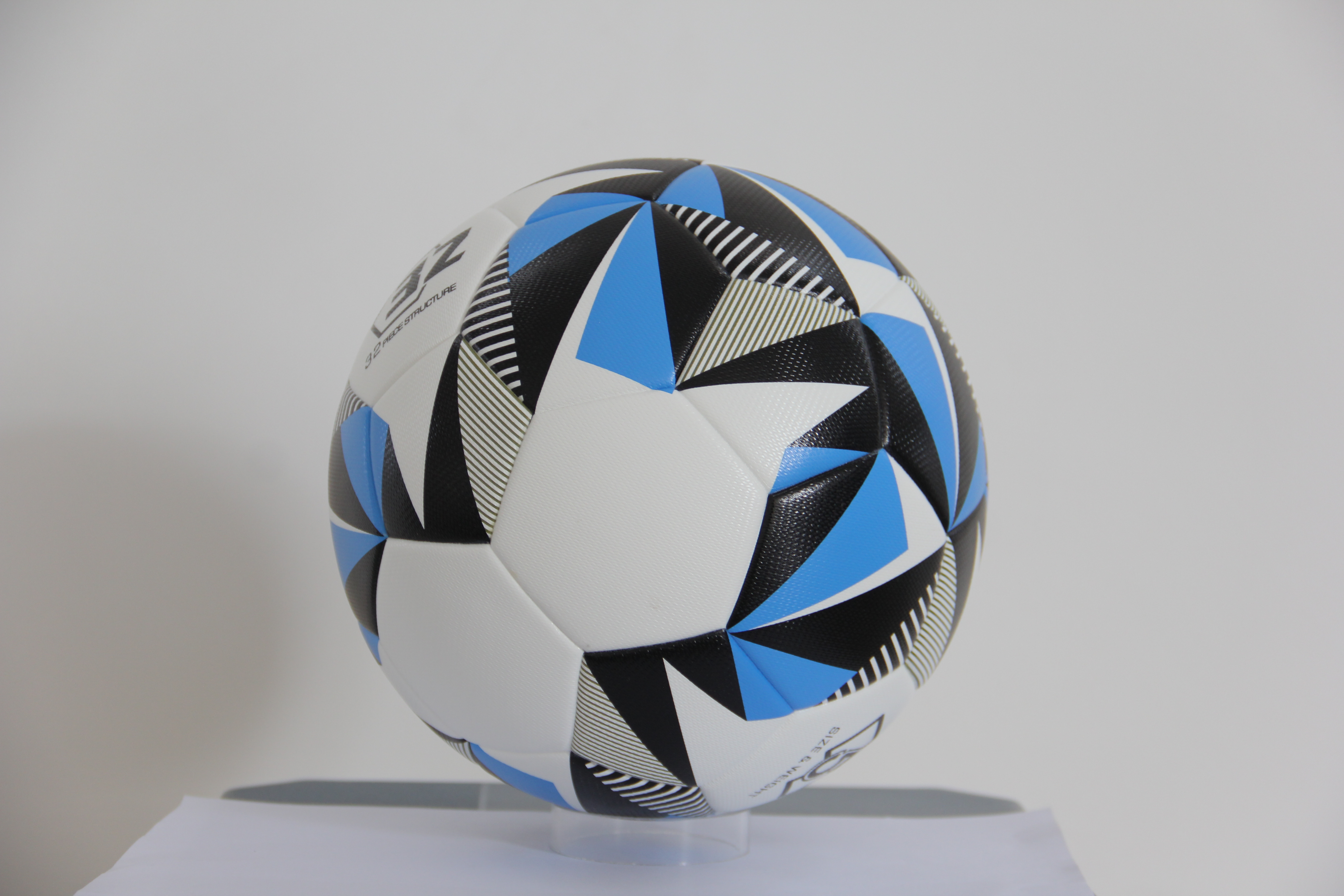
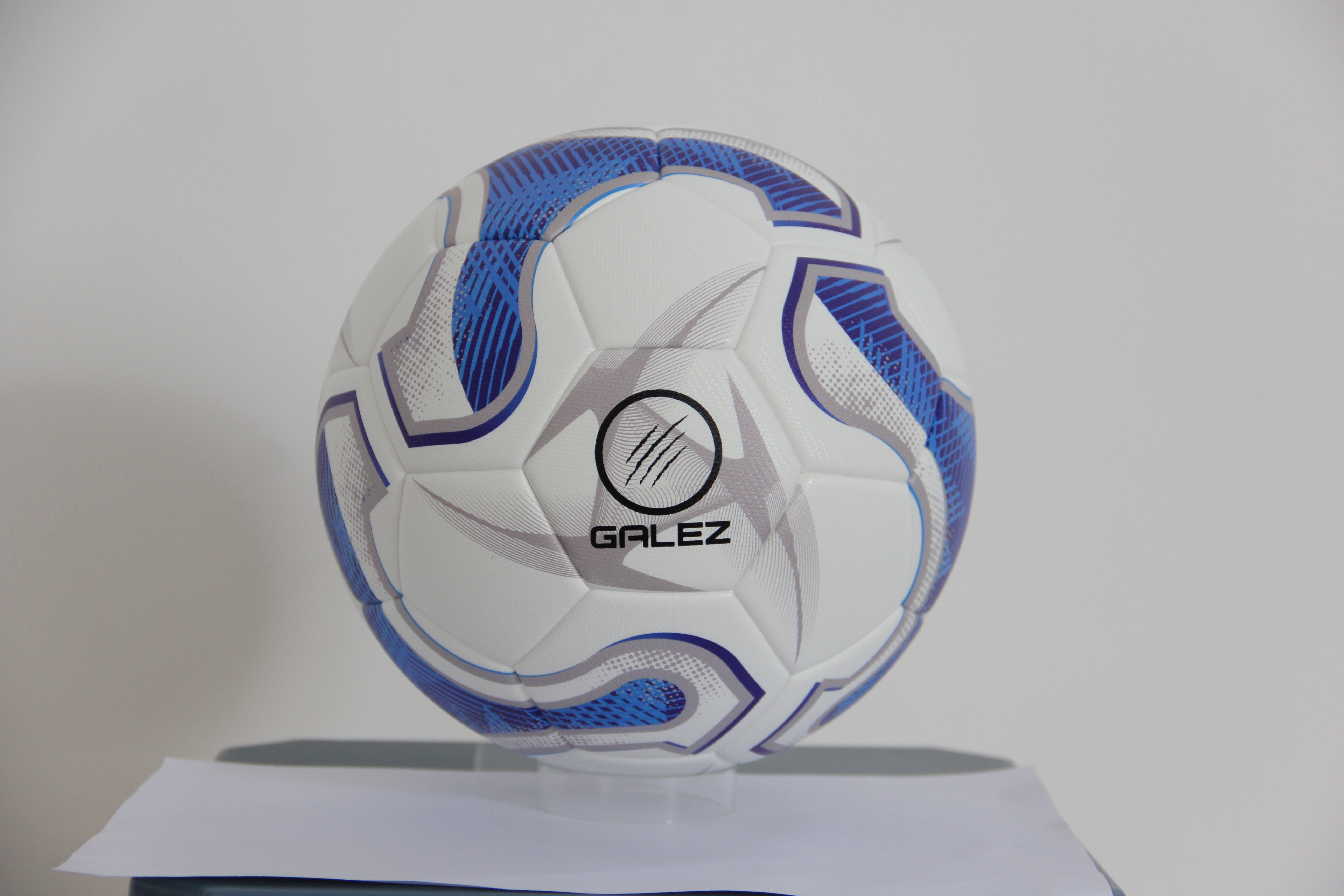
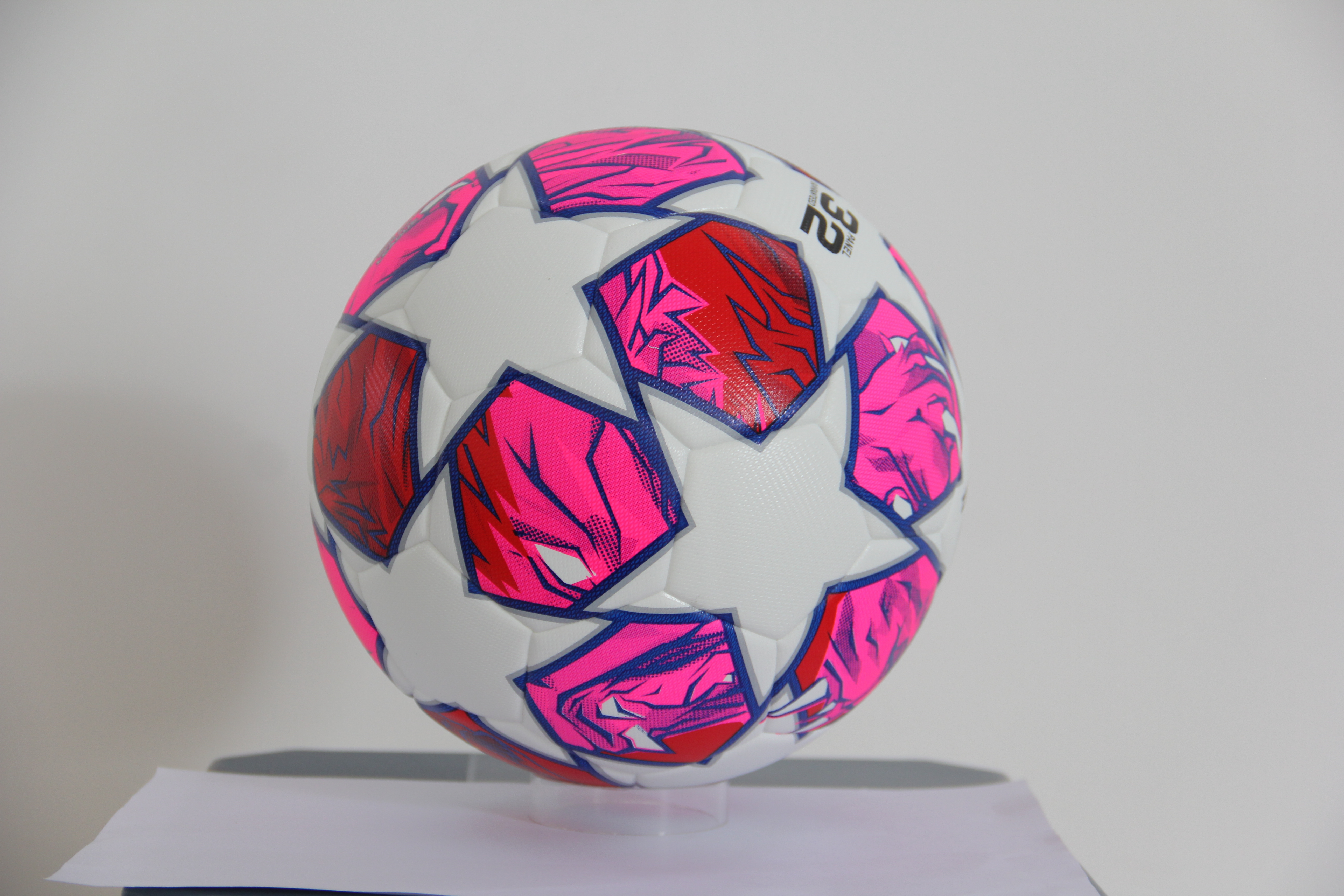
Soft Indoor Soccer Balls for Kids, Schools and Gyms
Soft indoor soccer balls fit home playrooms, school gyms and kids' training — Sanhuan offers sizes 3 and 4, plus printing for schools and clubs ordering in bulk. This universal accessibility stems from thoughtful design decisions that account for variable surface types, space constraints, and player populations. Unlike outdoor soccer balls optimized for grass fields, the soft indoor soccer ball must function equally well on polished hardwood gymnasium floors, textured rubber surfaces, low-pile carpeting, and smooth concrete. Each surface presents unique challenges regarding friction, bounce behavior, and wear patterns, yet quality soft indoor soccer balls adapt seamlessly, maintaining playability regardless of substrate. This adaptability eliminates the frustrating experience of purchasing sports equipment that works well in one location but proves unsuitable elsewhere, ensuring that players receive consistent value from their investment. Schools particularly appreciate this universal functionality, as a single soft indoor soccer ball type serves multiple spaces including gymnasiums, multipurpose rooms, outdoor covered areas, and even classrooms during movement breaks. The space efficiency of soft indoor soccer ball activities also deserves recognition, as the controlled movement characteristics enable meaningful play in areas that would be too confined for traditional soccer. Basement recreation rooms, apartment living spaces, narrow hallways, and small outdoor patios all become viable soccer venues when using soft indoor soccer balls, dramatically expanding participation opportunities for families lacking access to large playing fields or dedicated sports facilities. This democratization of soccer access supports public health objectives by reducing barriers to physical activity, particularly for urban populations facing space limitations. The soft indoor soccer ball also serves therapeutic and adaptive sports programs, where specialized equipment needs often limit activity options. Individuals with mobility challenges, visual impairments, or developmental differences can safely participate in soccer activities using soft indoor soccer balls, experiencing the social connection and physical benefits that team sports provide. Occupational therapists and physical therapists incorporate these balls into treatment protocols, using soccer-based exercises to improve coordination, strength, and cardiovascular fitness while maintaining patient safety and engagement. Senior activity centers have similarly adopted soft indoor soccer balls for gentle exercise programs that provide cardiovascular benefits without joint stress or fall risks. The multigenerational appeal enables family gatherings and community events to include soccer activities that everyone can enjoy together, regardless of age or athletic background. Religious organizations, after-school programs, summer camps, and youth centers all benefit from the inclusive nature of soft indoor soccer ball activities, as minimal skill requirements and safety features encourage broad participation. The portability of soft indoor soccer balls further enhances accessibility, as their lightweight construction and compact storage requirements enable easy transport between locations.

 EN
EN