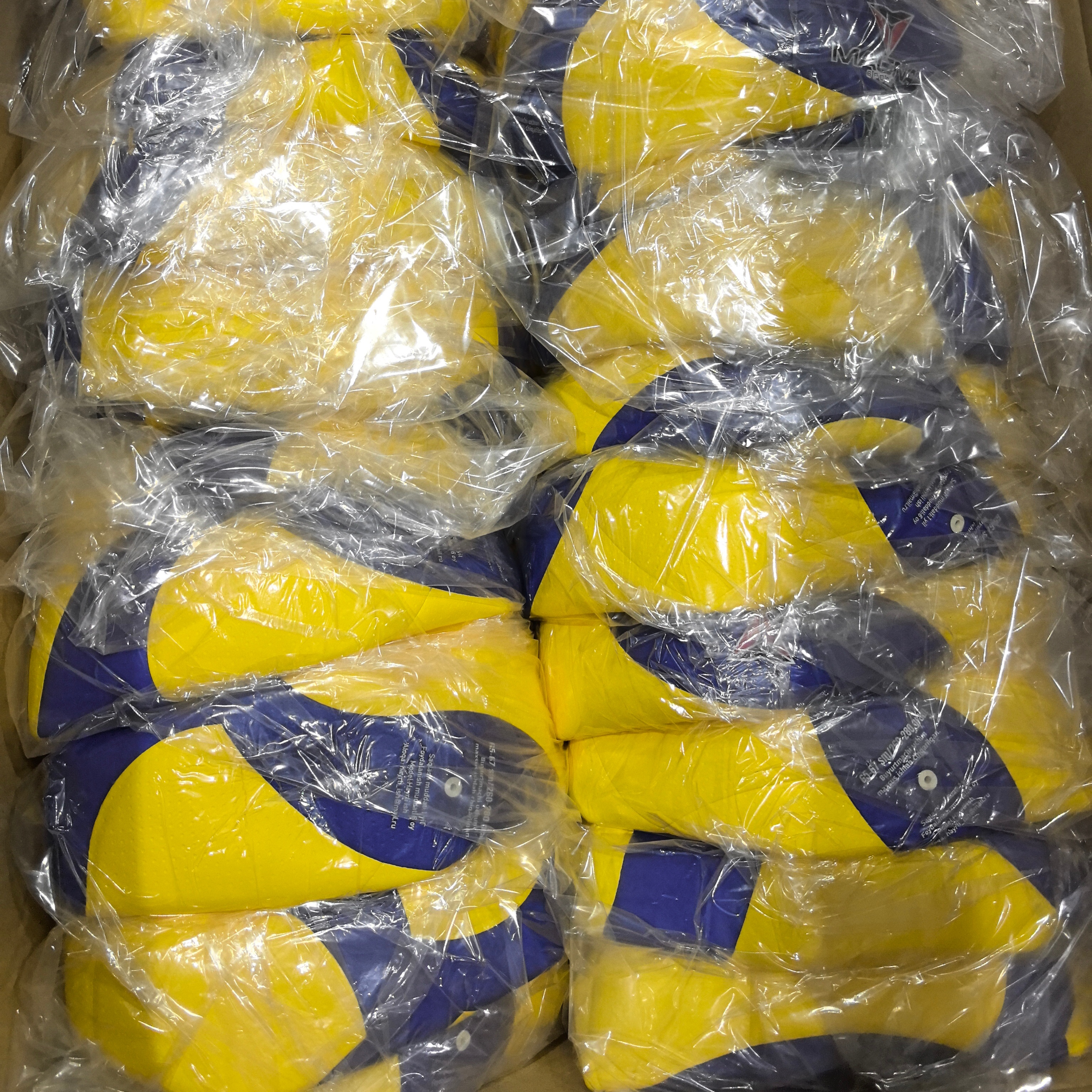
Volleyball Factory: Premium Manufacturing Solutions for Professional and Recreational Balls

Get a Free Quote

Our representative will contact you soon.
Email
Name
Company Name
Message
0/1000

volleyball factory

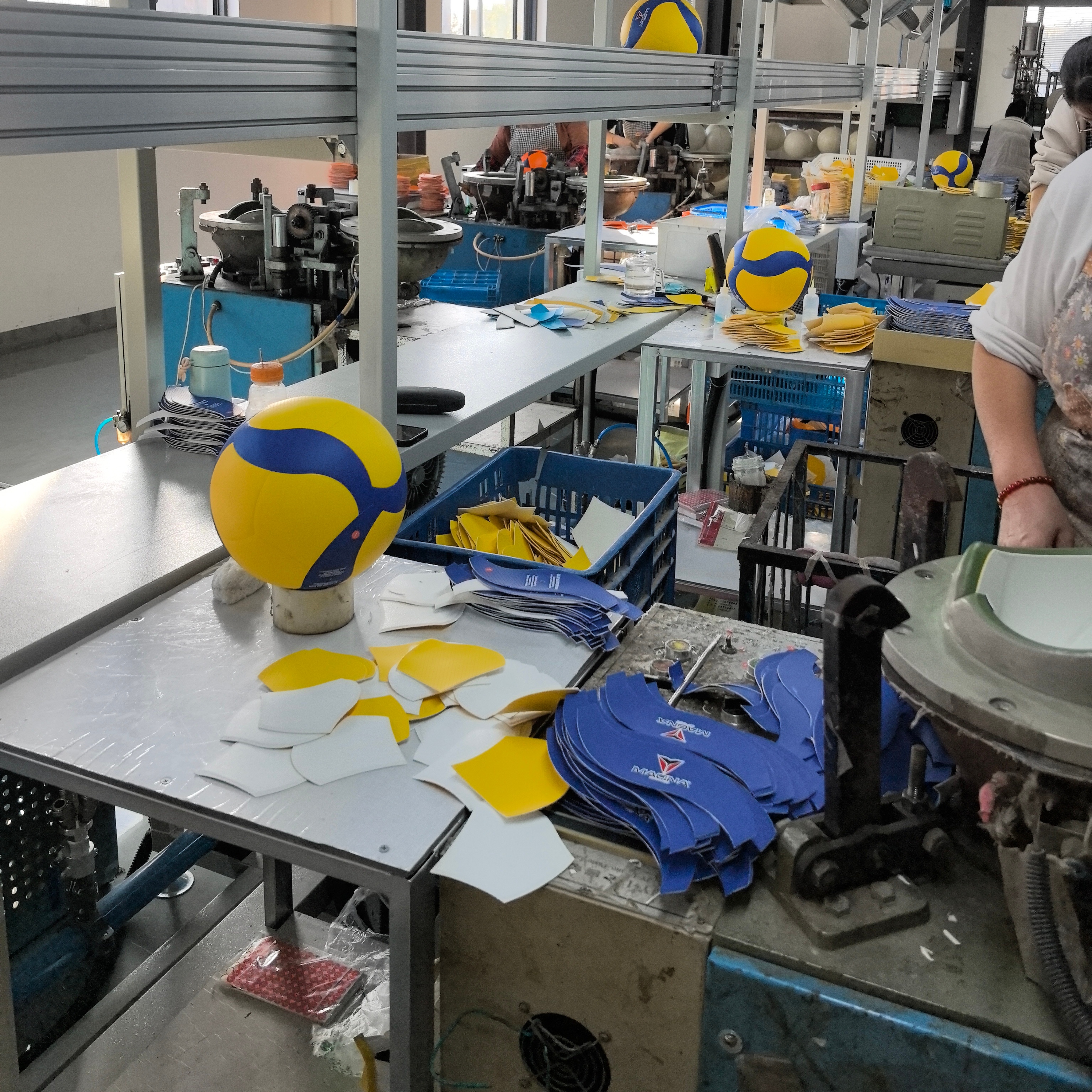
A volleyball factory represents a specialized manufacturing facility dedicated to producing high-quality volleyballs for recreational, professional, and competitive use. These sophisticated production centers combine traditional craftsmanship with modern manufacturing technologies to create balls that meet strict international standards. The volleyball factory operates through multiple interconnected departments, each focusing on specific aspects of ball production, from initial material selection to final quality inspection. The main functions of a volleyball factory include material procurement, panel cutting and preparation, stitching or bonding assembly, bladder insertion, inflation testing, quality control verification, and packaging for distribution. Modern volleyball factory facilities incorporate advanced machinery such as computerized cutting systems, precision stitching equipment, automated inflation stations, and comprehensive testing apparatus that measures bounce consistency, air retention, circumference accuracy, and weight specifications. Technological features within these factories often include climate-controlled production environments to ensure consistent material behavior, digital quality monitoring systems that track every ball through production stages, and sophisticated testing chambers that simulate various playing conditions. The applications of volleyball factory output span multiple markets, including educational institutions requiring durable training balls, professional leagues demanding competition-grade equipment, recreational facilities seeking cost-effective options, and international sporting events requiring certified match balls. These factories typically produce various volleyball types, including indoor volleyballs with leather or synthetic leather coverings, beach volleyballs with water-resistant exteriors, training volleyballs designed for durability, and youth-sized volleyballs for developmental programs. The volleyball factory environment prioritizes precision manufacturing, as even minor deviations in panel alignment, stitching tension, or inflation pressure can significantly impact ball performance. Through integration of quality materials, skilled workforce expertise, and technological innovation, these manufacturing centers ensure consistent production of volleyballs that enhance player performance and game enjoyment across all skill levels and competitive environments.

New Products

Choosing products from a dedicated volleyball factory offers numerous practical benefits that directly impact your playing experience and purchasing value. First and foremost, specialized volleyball factory production ensures consistency across every ball manufactured. Unlike generic sporting goods facilities that produce multiple products, a focused volleyball factory develops deep expertise in the specific requirements of volleyball construction, resulting in balls that perform predictably game after game. This consistency means players can develop muscle memory and refine techniques without adjusting to varying ball characteristics. Another significant advantage involves cost efficiency through economies of scale. A volleyball factory producing large volumes can negotiate better prices on premium materials like genuine leather, synthetic composites, and high-retention bladders, passing these savings directly to customers without compromising quality. Quality control represents another major benefit, as volleyball factory specialists implement rigorous testing protocols at multiple production stages. Every ball undergoes bounce tests, weight verification, circumference measurement, and pressure retention checks before leaving the facility, ensuring you receive equipment that meets or exceeds official standards. Customization options available through volleyball factory direct purchasing allow schools, clubs, and organizations to order balls featuring specific colors, logos, or design elements that build team identity and brand recognition. The volleyball factory supply chain also provides reliability and availability advantages, maintaining consistent inventory levels and predictable delivery schedules that prevent equipment shortages during critical training periods or competitive seasons. Durability improvements emerge from volleyball factory research and development efforts focused exclusively on extending ball lifespan through reinforced stitching techniques, abrasion-resistant materials, and enhanced seam construction that withstands intensive use. Environmental responsibility increasingly characterizes modern volleyball factory operations, with many facilities implementing sustainable practices like recycled materials, reduced waste production, and energy-efficient manufacturing processes that appeal to environmentally conscious buyers. Technical support and warranty services from volleyball factory manufacturers provide additional value, offering expert guidance on proper ball care, inflation recommendations, and surface compatibility while backing products with comprehensive guarantees. The volleyball factory direct relationship also enables faster response to market needs, allowing manufacturers to quickly address emerging trends, incorporate player feedback, and introduce innovative features that enhance game enjoyment. Finally, the expertise concentrated within a volleyball factory extends beyond manufacturing to include deep understanding of different playing environments, skill levels, and competition requirements, enabling better product recommendations that match specific customer needs rather than one-size-fits-all solutions.

Latest News

What is futsal and how does it differ from soccer?

29

Apr

What is futsal and how does it differ from soccer?

Futsal represents a distinct form of association football that has evolved into a globally recognized sport with its own identity, rules, and competitive structure. Originating in Uruguay during the 1930s, futsal was designed to be played indoors on ...
View More
Which factors determine rugby ball durability for training?

18

May

Which factors determine rugby ball durability for training?

When selecting equipment for intensive training programs, understanding which factors determine rugby ball durability becomes essential for coaches, club managers, and training coordinators who need to balance performance quality with long-term inves...
View More
Why does rugby ball grip matter for handling performance?

11

May

Why does rugby ball grip matter for handling performance?

The grip quality of a rugby ball fundamentally determines whether players can execute clean catches, accurate passes, and secure carries under match pressure. Unlike sports equipment where surface texture serves primarily aesthetic purposes, the grip...
View More
How does rugby ball size vary across different game levels?

04

May

How does rugby ball size vary across different game levels?

Understanding how rugby ball size varies across different game levels is essential for players, coaches, and equipment managers who want to ensure optimal performance and safety. The dimensions and weight of a rugby ball are not arbitrary—they ...
View More

Get a Free Quote

Our representative will contact you soon.
Email
Name
Company Name
Message
0/1000

volleyball factory

Advanced Manufacturing Technology Integration

Advanced Manufacturing Technology Integration

Modern volleyball factory facilities distinguish themselves through sophisticated technological integration that revolutionizes traditional ball manufacturing processes. At the heart of these advancements lies computerized cutting systems that utilize precision laser or blade technology to cut panel materials with microscopic accuracy, ensuring each piece meets exact dimensional specifications regardless of whether hundreds or thousands of balls are being produced. This technological precision eliminates the inconsistencies inherent in manual cutting methods, where human fatigue or judgment variations could create panels that differ slightly in size or shape, ultimately affecting ball performance. The volleyball factory technological ecosystem extends to automated stitching stations equipped with programmable machines that maintain consistent thread tension, stitch length, and seam alignment throughout entire production runs. These machines can execute complex stitching patterns that enhance structural integrity while maintaining the flexibility required for optimal ball response during play. Digital monitoring systems track every volleyball factory production stage, creating detailed records that enable traceability from raw materials through final packaging. This data-driven approach allows quality managers to identify potential issues before they affect large production batches, significantly reducing waste and ensuring consistent output quality. Climate control technology within the volleyball factory environment maintains optimal temperature and humidity levels throughout production areas, critical because materials like leather and synthetic composites expand or contract with environmental changes. By stabilizing these conditions, the factory ensures materials behave predictably during cutting, stitching, and assembly, resulting in balls that maintain consistent characteristics regardless of production date or season. Inflation and testing technology represents another crucial volleyball factory innovation, with automated stations that inflate balls to precise pressures, then monitor pressure retention over extended periods to verify bladder integrity. Advanced testing equipment simulates thousands of impacts, measuring bounce consistency, deformation recovery, and structural durability under conditions far exceeding normal play requirements. This comprehensive testing regime guarantees that balls leaving the volleyball factory will perform reliably throughout their intended lifespan, providing excellent value and user satisfaction.
Superior Material Selection and Quality Standards

Superior Material Selection and Quality Standards

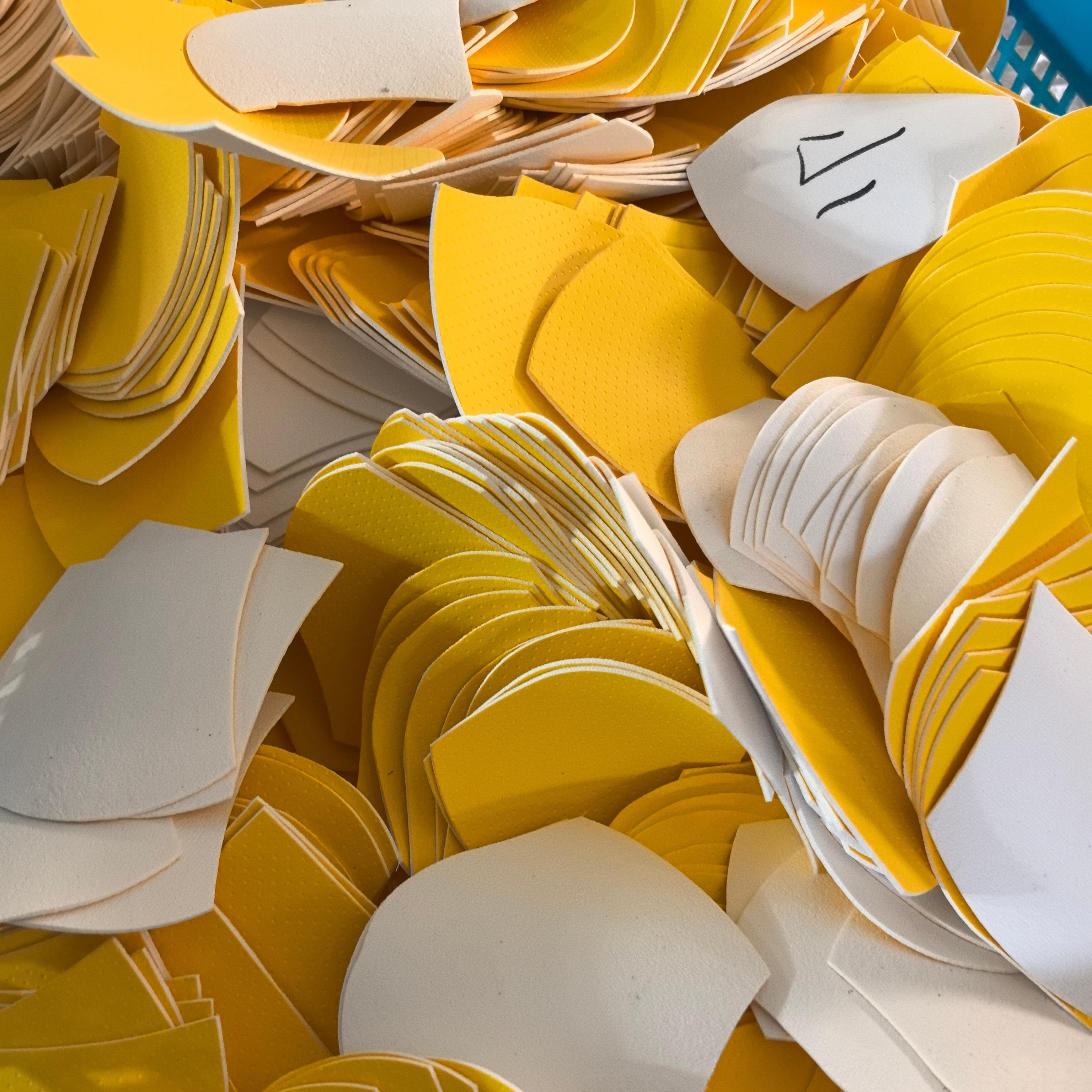
The volleyball factory commitment to material excellence fundamentally separates quality manufacturers from generic producers, beginning with rigorous supplier qualification processes that evaluate potential material sources against demanding performance criteria. Premium volleyball factory operations establish long-term relationships with specialized suppliers who provide materials specifically engineered for volleyball construction rather than generic sporting goods components. The outer covering materials receive particular attention, with volleyball factory quality specialists selecting leather or synthetic materials based on specific performance characteristics including grip texture, moisture resistance, color retention, and abrasion durability. Genuine leather options sourced by discerning volleyball factory buyers come from tanneries that process hides using specialized treatments creating consistent grain patterns and optimal surface tackiness that enhances player control without excessive stickiness that might impede clean ball release. Synthetic alternatives selected by forward-thinking volleyball factory material engineers often incorporate microfiber technologies that replicate leather performance characteristics while offering superior water resistance and easier maintenance, ideal for facilities with limited storage or cleaning capabilities. The internal bladder component receives equally careful volleyball factory consideration, with manufacturers specifying butyl or latex rubber compounds based on intended ball applications. Butyl bladders preferred by many volleyball factory operations offer exceptional air retention properties, maintaining optimal pressure for extended periods and reducing the inflation maintenance burden for users. Thread selection within the volleyball factory material procurement process focuses on high-tensile strength synthetic fibers resistant to moisture, abrasion, and ultraviolet degradation, ensuring stitched seams maintain integrity throughout the ball lifespan. Adhesive systems used in bonded volleyball factory construction undergo extensive testing to verify they create permanent bonds that withstand temperature extremes, moisture exposure, and the repetitive stress of ball impacts without delamination or separation. Quality standards enforced throughout the volleyball factory operation extend beyond material specifications to include incoming inspection protocols that verify every material shipment meets documented requirements before entering production. This comprehensive volleyball factory approach to material selection and quality verification ensures finished products deliver consistent, reliable performance that justifies customer investment and builds lasting brand reputation in competitive markets where performance differences directly influence purchasing decisions and user satisfaction levels.
Customization Capabilities and Market Responsiveness

Customization Capabilities and Market Responsiveness

The volleyball factory advantage in customization and market responsiveness provides significant value for organizations seeking equipment that reflects their unique identity while meeting specific performance requirements. Unlike mass retailers offering limited standard options, a direct volleyball factory relationship opens extensive customization possibilities beginning with color selection that extends far beyond basic choices to include custom color matching that precisely replicates school colors, corporate branding, or event themes. Logo application represents another powerful volleyball factory customization capability, with manufacturers offering various imprinting methods including screen printing, heat transfer, embroidery, and sublimation techniques that permanently incorporate organizational logos, mascots, or event branding directly onto ball surfaces. These volleyball factory customization services enable schools to create instantly recognizable equipment that builds team identity, helps organizations promote their brands during tournaments or community events, and creates memorable promotional items that generate lasting impressions. Size customization available through volleyball factory direct ordering allows youth programs to specify balls scaled appropriately for different age groups and skill levels, ensuring young players develop proper techniques using equipment proportioned to their physical capabilities rather than struggling with standard adult-sized balls. Panel configuration customization offered by innovative volleyball factory operations enables customers to specify different panel numbers, shapes, or arrangements that affect ball flight characteristics, visual appearance, and construction durability based on specific playing environments or user preferences. Performance specification customization represents perhaps the most valuable volleyball factory capability, allowing customers to request specific weight ranges, circumference measurements, or inflation pressure recommendations tailored to particular competition rules, altitude conditions, or facility characteristics. The volleyball factory rapid response capability proves invaluable when organizations face urgent equipment needs, with dedicated manufacturers maintaining production flexibility that accommodates rush orders, seasonal demand spikes, or emergency replacements without compromising quality standards. Market responsiveness extends to volleyball factory innovation cycles, with leading manufacturers actively soliciting customer feedback, monitoring competitive developments, and investing in research that produces next-generation features addressing emerging player needs or competitive requirements. This volleyball factory commitment to customization and responsiveness creates partnership relationships rather than transactional interactions, with manufacturers invested in customer success and equipped to provide ongoing support that extends well beyond initial purchase completion, including technical consultation, performance optimization recommendations, and proactive communication about new capabilities or product improvements that might benefit existing customers.

Get a Free Quote

Our representative will contact you soon.
Email
Name
Company Name
Message
0/1000