
 EN


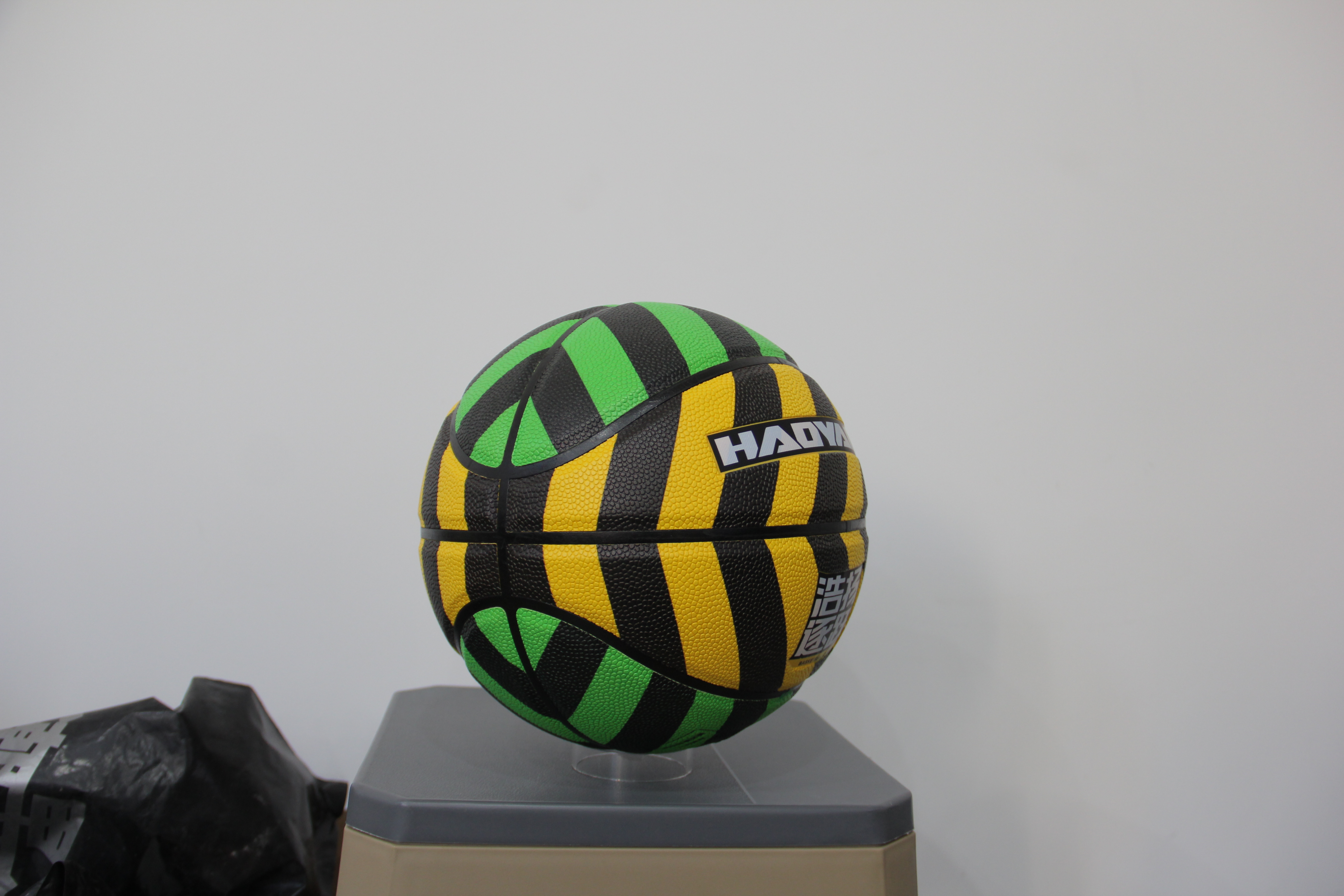
The soccer ball remains one of the most fundamental pieces of equipment in the sport, yet its size has profound implications for how players of different ages develop their skills and enjoy the game. A soccer ball that is too large or too small can negatively impact ball control, accuracy, strength development, and overall enjoyment of play. Understanding how soccer ball dimensions vary across age groups is essential for coaches, parents, and players who want to optimize training outcomes and ensure age-appropriate development. The relationship between soccer ball size and player performance is not merely about comfort; it directly influences technical skill acquisition, confidence, and injury prevention at every developmental stage.

Selecting the right soccer ball for each age group ensures that young athletes can properly manipulate the ball, develop foundational techniques, and build confidence as they progress through different stages of competitive play. The standard soccer ball used in professional and adult recreational leagues has a circumference of 27 to 28 inches and weighs between 14 and 16 ounces. However, younger players require smaller, lighter soccer ball options to match their physical capabilities and developmental needs. This article explores the critical relationship between soccer ball size and age group performance, helping stakeholders make informed decisions about equipment selection.
Soccer Ball Sizing Standards by Age Group
Youth Soccer Ball Specifications
Youth soccer players operate within specific size categories that correspond to their age and physical development. Children aged 4 to 8 years old typically use a size 3 soccer ball, which has a circumference of 23 to 24 inches and weighs approximately 11 to 12 ounces. A size 3 soccer ball is significantly lighter and smaller than adult versions, allowing young children to execute passes, shots, and first touches with appropriate force application. Players aged 8 to 12 years old generally use a size 4 soccer ball, featuring a circumference of 25 to 26 inches and weighing about 12 to 13 ounces. The size 4 soccer ball provides a bridge between youth and adult play, allowing players to develop stronger leg muscles while still maintaining technical control. These specifications ensure that a soccer ball remains manageable for developing athletes while gradually introducing them to equipment that more closely resembles professional standards.
Transition to Adult Soccer Ball
Players aged 12 and older typically transition to the official size 5 soccer ball, which is the standard used in competitive play across all adult leagues and international competitions. The size 5 soccer ball has a circumference of 27 to 28 inches and weighs between 14 and 16 ounces, requiring substantially more strength and technical precision than smaller versions. This transition is a critical developmental milestone because it demands that teenage players adapt their muscle memory, passing power, and ball control techniques to accommodate the larger, heavier soccer ball. Athletes who make this transition gradually develop the leg strength, coordination, and tactical awareness necessary for competitive adult-level play. Understanding this progression helps coaches and parents anticipate the challenges their players will face as equipment demands increase.
Impact of Soccer Ball Size on Skill Development
Technical Skill Acquisition
The size and weight of a soccer ball directly influence how quickly and effectively young players develop fundamental technical skills such as dribbling, passing, and shooting. When children use a soccer ball that is appropriately sized for their age and strength level, they can execute clean first touches and maintain better ball control during drills and match play. An oversized or overweight soccer ball forces young players to overcompensate with their leg muscles, leading to less precise ball striking and reduced ability to execute delicate technical movements. Coaches observe that players working with properly sized soccer ball equipment demonstrate faster technical progression and higher confidence when attempting complex skills like inside-foot passes, outside-foot strikes, and curved shots. This improved skill development during youth years creates a solid technical foundation that translates to superior performance in later stages of competitive play.
Physical Development and Injury Prevention
Using an appropriately sized soccer ball supports healthy physical development and significantly reduces the risk of injuries related to overloading young muscles and joints. When a player is forced to use a soccer ball that is too heavy or too large for their developmental stage, they may compensate by using improper kicking technique, which places excessive stress on the knee, ankle, and hip joints. This compensation pattern can lead to overuse injuries, growth plate stress, and chronic pain conditions that persist into adulthood. A properly sized soccer ball allows young athletes to use biomechanically efficient movements, distributing force evenly across the kinetic chain and minimizing injury risk. Research in youth sports medicine demonstrates that players who train with age-appropriate equipment experience fewer soft tissue injuries and develop stronger, more resilient musculature than those who train with oversized equipment.
Performance Implications Across Playing Levels
Competitive Match Performance
The specifications of a soccer ball used in competitive matches directly affect player performance, game pace, and tactical execution at each competitive level. Youth leagues typically mandate specific soccer ball sizes to ensure fairness and age-appropriate challenge levels; using an incorrect soccer ball size can provide unfair advantage to teams with larger, heavier equipment. A soccer ball that matches official specifications for a given age group ensures that all players operate under identical equipment conditions, allowing skill and tactical understanding to determine match outcomes rather than equipment variables. Players competing with the correct soccer ball size develop playing patterns and tactical habits that transfer seamlessly when they advance to higher competitive levels. Conversely, players who train and compete with incorrectly sized soccer ball equipment may struggle when they transition to official equipment specifications because their muscle memory and tactical patterns no longer align with the new ball characteristics.
Player Confidence and Enjoyment
Beyond measurable performance metrics, the correct soccer ball size significantly impacts player confidence, engagement, and long-term commitment to the sport. Young players who struggle to control an oversized or overweight soccer ball experience frustration, reduced enjoyment, and decreased motivation to participate in training and matches. This negative experience during critical developmental years can discourage talented athletes from continuing their soccer involvement, resulting in lost potential and reduced participation rates in youth programs. Conversely, when players use a properly sized soccer ball that matches their physical capabilities, they experience success, enjoyment, and positive feedback that reinforces their desire to improve and continue playing. This psychological element of equipment selection is often overlooked by coaches and parents but represents a crucial factor in youth athlete retention and long-term development.
FAQ
What size soccer ball should my 6-year-old use?
Children aged 4 to 8 years old should use a size 3 soccer ball with a circumference of 23 to 24 inches and weight of 11 to 12 ounces. This soccer ball size allows young children to execute proper techniques without excessive strain and promotes faster skill development and greater enjoyment of the sport.
When should a player transition from size 4 to size 5 soccer ball?
Most players transition to a size 5 soccer ball between ages 12 and 13, though individual development varies based on physical maturity and strength levels. A soccer ball size 5 represents the official standard for competitive play, and transitioning too early can negatively impact younger players' technique, while transitioning too late may limit their preparation for higher levels of play.
Does using the wrong soccer ball size affect injury rates?
Yes, using an incorrectly sized soccer ball significantly increases injury risk because players compensate for equipment mismatch by using improper technique that stresses joints and soft tissues. An appropriately sized soccer ball allows young athletes to maintain biomechanically efficient movement patterns, reducing overuse injuries and protecting long-term physical health.