
 EN
EN


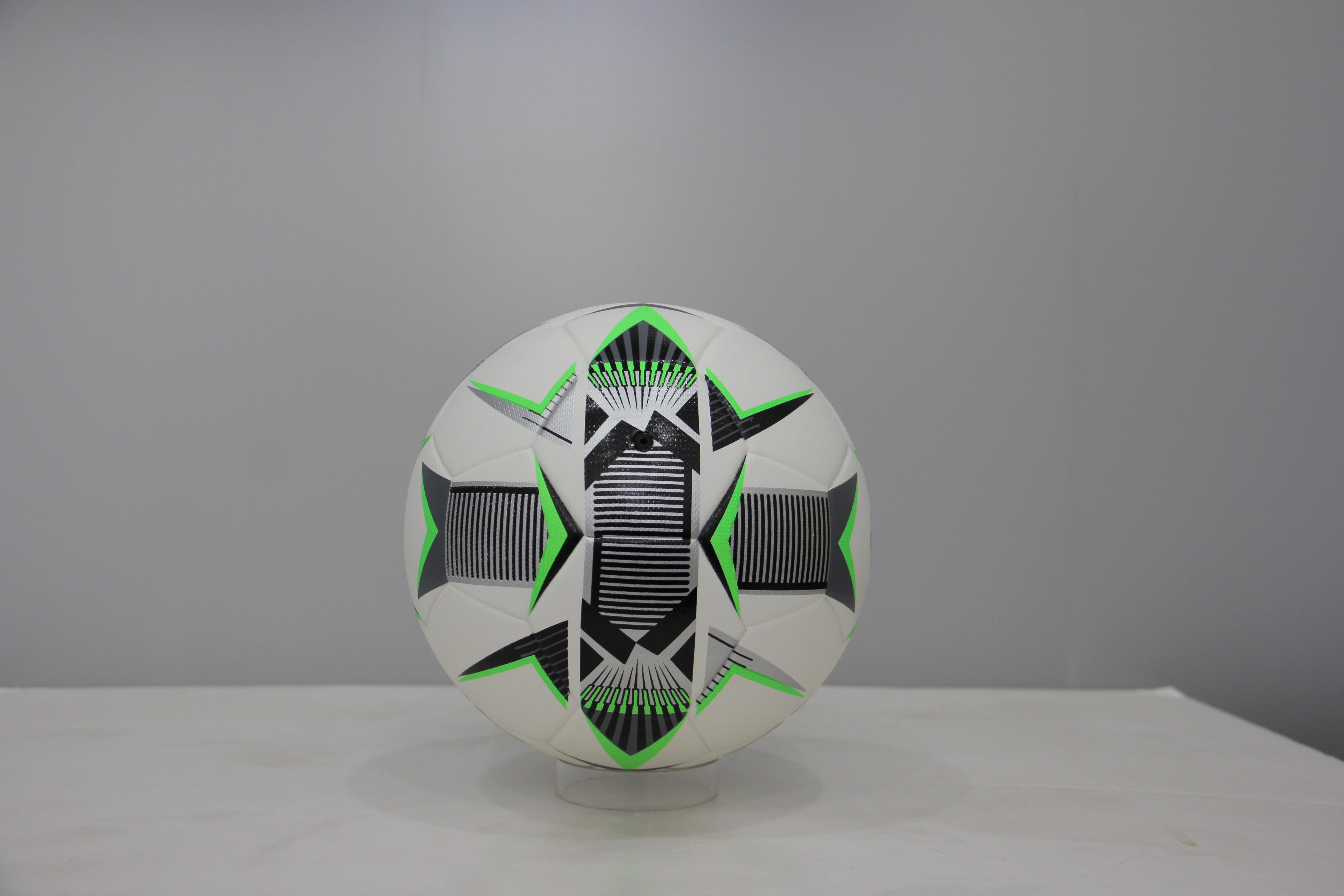
Modern sports manufacturing has transformed the way teams, brands, and organizations personalize their equipment. The process of creating a custom soccer ball involves sophisticated printing technologies that combine precision engineering with artistic design capabilities. Understanding how these advanced systems work provides insight into why a custom soccer ball has become essential for professional teams, academies, and promotional campaigns worldwide.

Creating a custom soccer ball requires multiple integration points between design software, material preparation, and specialized printing equipment. Each stage of production demands strict quality control to ensure the finished custom soccer ball meets performance standards while displaying vibrant, durable graphics. The technology behind custom soccer ball printing has evolved significantly over the past decade, enabling manufacturers to produce personalized balls at scale without sacrificing quality or design complexity.
Understanding the Design Preparation Phase
Digital Design and File Conversion
The journey toward producing a custom soccer ball begins long before printing equipment is activated. Designers create artwork using professional graphics software, developing logos, team colors, and intricate patterns that will eventually appear on the ball surface. Once the design is finalized, it must be converted into a format compatible with the printing technology being used. For a custom soccer ball, this typically means separating colors into layers and adjusting resolution to match the printer's specifications. The digital file undergoes rigorous testing to confirm that the custom soccer ball design will render accurately across the curved surface without distortion or color bleeding.
Panel Layout and Template Mapping
A custom soccer ball consists of multiple fabric panels stitched together to form the spherical structure. The printing process requires precise template mapping that accounts for the three-dimensional nature of the ball. Technicians must calculate how two-dimensional artwork will wrap across curved panels without misalignment at seams. When preparing a custom soccer ball for production, software tools allow designers to visualize the final appearance by applying the design to a virtual ball model. This prevents costly errors and ensures that the custom soccer ball meets client expectations before any physical material is touched. The panel layout phase is critical because a custom soccer ball's visual impact depends entirely on accurate geometric calculations.
Core Printing Technologies for Soccer Ball Customization
Thermal Transfer Printing Method
One of the most widely adopted approaches for producing a custom soccer ball is thermal transfer printing. This method involves transferring pre-printed designs from a special carrier film onto the ball's fabric panels using heat and pressure. The custom soccer ball panels are first prepared and positioned in the thermal transfer equipment. Heat is applied to activate adhesive properties in the ink transfer film, bonding the design permanently to the fabric. A custom soccer ball created through thermal transfer exhibits excellent color vibrancy and durability because the inks penetrate the fabric fibers. This technology allows manufacturers to produce a custom soccer ball with photographic-quality graphics and sharp color transitions. The thermal transfer process has become industry standard for high-volume custom soccer ball production because it balances quality with manufacturing efficiency.
Screen Printing Application
Screen printing represents another fundamental technology for creating a custom soccer ball with bold, solid-color graphics. In this method, custom-made screens containing the design are aligned with each ball panel. Ink is pushed through the mesh screen onto the fabric using specialized squeegees, depositing the design directly onto the custom soccer ball surface. Screen printing works exceptionally well for logos, team names, and single-color elements because it produces opaque, durable finishes. A custom soccer ball made through screen printing can withstand years of play and multiple wash cycles without significant fading. However, screen printing becomes more complex when the custom soccer ball requires photorealistic images or numerous colors, as each color typically requires a separate screen and printing pass.
Digital Direct-to-Print Technology
Recent innovations have introduced digital direct-to-print systems that apply designs to a custom soccer ball without intermediate transfer films or screens. These advanced printers use inkjet or similar technologies to spray specialized inks directly onto the ball's fabric panels in a single pass. A custom soccer ball produced through digital direct-to-print technology can display unlimited colors and photographic detail because there are no color separation limitations. This method offers unprecedented design flexibility for customers seeking a custom soccer ball with intricate artwork, gradient effects, or photographic images. Digital direct-to-print also reduces setup time and enables shorter production runs, making it ideal for small-batch custom soccer ball orders. The technology is becoming increasingly popular because a custom soccer ball created this way rivals the quality of screen printing while offering superior design complexity.
Quality Assurance and Finishing Processes
Durability Testing and Color Fastness
Before a custom soccer ball leaves the manufacturing facility, it undergoes rigorous quality testing to ensure the printed design will withstand the demands of competitive play. Color fastness tests involve exposing a custom soccer ball sample to UV light, moisture, and abrasion to simulate real-world conditions. Manufacturers measure color retention and evaluate whether the design remains vibrant after repeated wear. A custom soccer ball must pass strict standards for ink adhesion because poor bonding leads to peeling, cracking, or fading that compromises both appearance and player experience. Testing protocols also verify that the custom soccer ball's seams remain intact and that ink does not transfer to a player's clothing or equipment. Quality assurance teams inspect every custom soccer ball batch to maintain consistency and protect the brand's reputation.
Final Assembly and Surface Treatment
After printing is complete, a custom soccer ball undergoes final assembly and surface treatment steps. Any protective coatings or sealants are applied to the custom soccer ball surface to enhance durability and water resistance. These protective layers ensure that the custom soccer ball maintains its vibrant appearance throughout its service life while improving performance characteristics. The custom soccer ball is then pressurized to the appropriate PSI specifications and undergoes weight and circumference verification. Final inspection stations evaluate the custom soccer ball for print quality, color accuracy, and structural integrity. Once a custom soccer ball passes all inspections, it is packaged and prepared for shipment to the client.
FAQ
What materials are best for a custom soccer ball design?
Most manufacturers recommend synthetic leather or polyester-blended fabrics for a custom soccer ball because these materials accept printing inks exceptionally well and provide excellent durability. A custom soccer ball made from traditional leather can be printed but requires specialized inking and surface preparation techniques. The panel composition directly affects how vividly colors appear on a custom soccer ball and how long the design remains vibrant under outdoor conditions. Always verify material compatibility with the printing method before finalizing a custom soccer ball order.
How long does the custom soccer ball printing process typically take?
The timeline for producing a custom soccer ball depends on order volume, design complexity, and manufacturing capacity. A simple single-color custom soccer ball design might require 2–3 weeks from order to delivery, while a complex multi-color custom soccer ball may take 4–6 weeks. Rush production options are available for customers who need a custom soccer ball quickly, though expedited services typically involve additional fees. Most manufacturers provide timeline estimates when you request a custom soccer ball quote.
Can a custom soccer ball be reprinted or updated after delivery?
Once a custom soccer ball is manufactured and the design is permanently bonded to the fabric, reprinting or updating the design is not feasible because removing the existing design would damage the ball's integrity. However, you can order additional custom soccer ball units with an updated design for future batches. Some facilities offer small-run reorders at lower costs when you place a repeat custom soccer ball order within a reasonable timeframe.