
 EN
EN


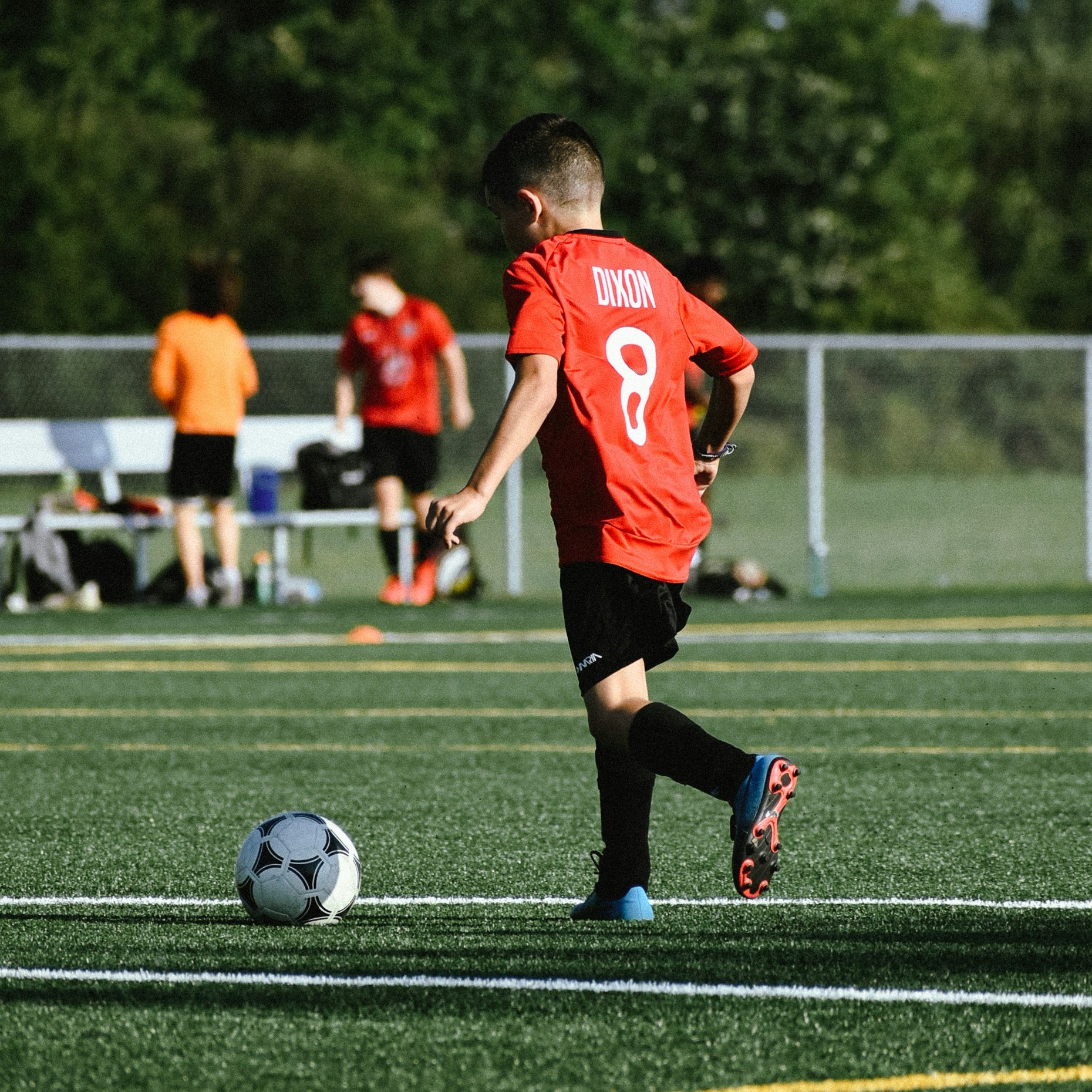
The pressure inside a soccer ball is far more than a technical specification relegated to equipment managers and referees. It is a fundamental factor that directly influences how the ball behaves during play, how athletes can control it, and ultimately how the game itself unfolds. Many players and coaches underestimate the critical role that proper soccer ball pressure plays in creating consistency, safety, and peak performance on the pitch. When a soccer ball operates at the correct pressure, players experience predictable touch, accurate passes, reliable shooting mechanics, and enhanced ball control. Conversely, when soccer ball pressure deviates from recommended standards, the entire playing experience deteriorates, leading to frustration, injury risk, and suboptimal results.
Understanding why soccer ball pressure matters requires examining the physics, athlete experience, and competitive standards that govern professional and recreational play. Whether you coach youth teams, manage equipment for a club, or simply want to improve your personal game, maintaining proper soccer ball pressure is one of the most straightforward yet impactful actions you can take. This guide explores the science behind soccer ball pressure, the specific performance outcomes tied to proper inflation, and how to monitor and maintain optimal conditions for your soccer ball across seasons and playing environments.
The Physics of Soccer Ball Pressure and Ball Behavior
How Air Pressure Affects Ball Motion
The pressure inside a soccer ball directly determines its elasticity, rebound velocity, and response to impact. When a soccer ball is inflated to the correct PSI (pounds per square inch), the internal air pressure creates uniform tension across the ball's exterior panels and bladder. This tension allows the ball to maintain its spherical shape, distribute impact force evenly, and return to its original form after contact. When you strike a properly pressurized soccer ball, the energy transfers efficiently from your foot to the ball, resulting in predictable trajectory and distance. A soccer ball with inadequate pressure behaves sluggishly, absorbs impact inconsistently, and may travel unpredictably. Over-pressurized soccer ball conditions create an overly rigid surface, reducing touch control and increasing the risk of erratic bounces. The relationship between pressure and performance is not linear; small deviations from the recommended range can yield noticeable changes in how the ball plays, especially at competitive levels where precision matters.
Official Soccer Ball Pressure Standards
FIFA, the international governing body of soccer, establishes official pressure standards for all sanctioned play. The official soccer ball pressure range is between 0.6 and 1.1 bar, which translates to approximately 8.5 to 15.6 PSI. Most professional matches operate with soccer ball pressure closer to the middle or upper range of this specification, typically around 11 to 12 PSI, to ensure consistent, predictable gameplay across venues. Youth leagues, recreational leagues, and training environments may vary slightly, but the FIFA standard serves as the baseline reference. A soccer ball's pressure naturally decreases over time due to normal air permeation through the bladder material, temperature fluctuations, and use-related wear. Referees at formal matches are responsible for checking soccer ball pressure before kickoff to ensure compliance. This standardization exists because even minor variations in soccer ball pressure can alter pass accuracy, shot power, goalkeeper response times, and overall game rhythm, making standardization essential for fair competition.
Performance Impact: Why Players Notice the Difference
Ball Control and Touch Sensitivity
One of the most immediate effects of proper soccer ball pressure is improved ball control and first-touch performance. When a soccer ball is inflated correctly, the ball's surface offers predictable resistance and response to a player's foot. This allows athletes to execute precise dribbling patterns, receive passes cleanly, and adjust their body position with confidence. A soccer ball with low pressure feels soft and mushy, absorbing foot energy rather than responding crisply. This makes dribbling sluggish and reduces a player's ability to execute tight turns or explosive acceleration. Conversely, an over-pressurized soccer ball feels hard and bouncy, causing the ball to rebound unpredictably and making first-touch control difficult. Professional players spend years developing muscle memory and touch sensitivity calibrated to properly pressurized soccer ball conditions. When they encounter a soccer ball that deviates from the norm, their performance often drops noticeably because their training and experience depend on consistent ball behavior. Young players learning the game benefit enormously from training with correctly pressurized soccer ball equipment, as it accelerates their development of accurate touch and ball awareness.
Passing Accuracy and Shot Consistency
The accuracy and consistency of passes and shots depend critically on soccer ball pressure. When you strike a properly pressurized soccer ball, the impact energy transfers efficiently, producing predictable velocity and arc. This consistency allows players to calibrate their technique, aim for specific targets, and execute plays with confidence. A soccer ball with inadequate pressure absorbs more energy, resulting in shorter distances and softer trajectories that players must compensate for during play. This compensation often leads to overcorrection, missed targets, and increased errors. An over-pressurized soccer ball behaves more like a bowling ball, traveling faster and with less arc control, making it difficult for players to curve the ball or execute chip passes. In competitive environments, these differences determine match outcomes. A midfielder cannot reliably switch play from flank to flank if the soccer ball pressure is inconsistent. A striker cannot execute the precision finishing needed to score if the ball's response is unpredictable. Team tactics, set-piece execution, and overall play rhythm all depend on soccer ball pressure stability. This is why equipment managers at professional clubs monitor soccer ball pressure obsessively and prepare backup balls for every match.
Safety, Injury Prevention, and Long-Term Equipment Care
Injury Risk and Player Safety
Improper soccer ball pressure poses direct safety risks to players. A significantly under-pressurized soccer ball places abnormal stress on a player's foot, ankle, and knee joints during contact, as the player's body compensates for the ball's lack of responsiveness. Over time, this can lead to strain injuries, stress fractures, or tendonitis. Players may also alter their kicking mechanics to generate more power with an under-pressurized soccer ball, creating muscle imbalances and increasing injury likelihood. An over-pressurized soccer ball, conversely, delivers impact force more abruptly and intensely, which can cause contusions, foot fractures, or hand injuries to goalkeepers. Young players with developing bones and muscles are particularly vulnerable to pressure-related injuries. Maintaining proper soccer ball pressure is therefore not just a performance issue but a safety mandate. Coaches and equipment managers should check soccer ball pressure before every practice and match, especially in youth settings where injury prevention is paramount. This simple preventive habit protects players and extends their athletic careers.
Equipment Longevity and Maintenance
Proper soccer ball pressure maintenance directly affects how long the ball remains usable. A soccer ball consistently under-pressurized will develop permanent shape deformation, as the panels and bladder lack sufficient internal tension to maintain proper geometry. This deformation is largely irreversible and renders the soccer ball unfit for competitive play. An over-pressurized soccer ball experiences accelerated wear on the bladder and panel stitching, as excessive internal stress strains these components over time. The bladder may develop micro-tears, leading to gradual air loss and eventual failure. A soccer ball maintained at proper pressure experiences the least stress, allowing the materials to age gradually and predictably. Teams that follow strict soccer ball pressure protocols report longer usable lifespans for their equipment, reducing replacement costs and waste. Environmental factors such as temperature fluctuations and altitude also affect soccer ball pressure, so regular monitoring and adjustment are necessary. A soccer ball used in cold climates will lose pressure over time, while one stored in extreme heat may develop excess pressure. Establishing a routine maintenance schedule ensures that your soccer ball investment provides consistent performance throughout its useful life.
Practical Guidance for Monitoring and Maintaining Soccer Ball Pressure
Checking and Adjusting Pressure
Monitoring soccer ball pressure requires a simple tool: a pressure gauge, commonly called a ball pump with an integrated gauge or a standalone PSI meter. To check soccer ball pressure, insert the needle into the valve on the ball's surface and read the gauge. For most soccer ball applications, aim for a pressure between 11 and 12 PSI, which falls comfortably within FIFA standards and provides excellent performance for competitive and recreational play. If the soccer ball pressure is low, use an air pump to inflate until reaching the desired PSI. If over-pressurized, carefully release air by pressing the valve needle and monitoring the gauge. Many teams maintain a dedicated pressure-checking station with multiple gauges and pumps to streamline this process. It is advisable to check soccer ball pressure before every practice session and match, as pressure naturally fluctuates throughout the week due to temperature changes and normal air permeation. Establishing this habit takes minutes but yields significant performance and safety improvements. Clubs should train multiple staff members to perform soccer ball pressure checks, ensuring consistency and preventing game disruptions due to equipment issues.
Seasonal and Environmental Adjustments
Environmental factors influence soccer ball pressure significantly. In cold weather, the air inside the soccer ball contracts, reducing pressure. Conversely, in hot weather, air expands, increasing pressure. A soccer ball that is properly pressurized indoors may be slightly under-pressurized when brought onto a cold outdoor field. Professional teams account for these variations by adjusting soccer ball pressure based on weather conditions and match venue. If playing at high altitude, atmospheric pressure is lower, meaning the soccer ball will behave as though slightly over-pressurized relative to sea-level conditions. Teams that travel to high-altitude venues often adjust soccer ball pressure downward slightly to maintain consistent performance. Similarly, indoor soccer facilities may have different temperature controls than outdoor fields, requiring separate soccer ball pressure protocols. Coaches and equipment managers should develop location-specific pressure standards and adjust accordingly. This attention to environmental detail separates professional operations from casual play and contributes significantly to competitive consistency.
FAQ
What is the ideal PSI for a soccer ball?
The ideal PSI for a soccer ball is between 11 and 12 PSI for most competitive and recreational play, which sits within FIFA's official standard range of 0.6 to 1.1 bar (approximately 8.5 to 15.6 PSI). This range ensures optimal ball control, consistent passing and shooting performance, and player safety. Some professional leagues and tournaments may specify slightly different pressures based on playing surface or altitude, but 11–12 PSI represents the best starting point for any soccer ball application.
How often should I check my soccer ball pressure?
You should check your soccer ball pressure before every practice session and match to maintain consistent performance and safety. Soccer ball pressure naturally decreases over time due to normal air permeation through the bladder, temperature fluctuations, and regular use. A weekly check is a practical minimum for equipment that is used frequently. If your soccer ball has not been used for several weeks, check the pressure before returning it to play, as the ball may have lost pressure during storage.
Can I tell if a soccer ball pressure is wrong just by touching it?
While experienced players can develop an intuitive sense of soccer ball pressure by feel and performance during play, this method is unreliable for precise adjustment. A soccer ball that feels slightly soft or overly hard might indicate pressure issues, but the only accurate way to verify soccer ball pressure is with a pressure gauge. Using a gauge ensures that you maintain the ball within official standards and avoid the performance and safety risks associated with incorrect pressure.