
 EN
EN



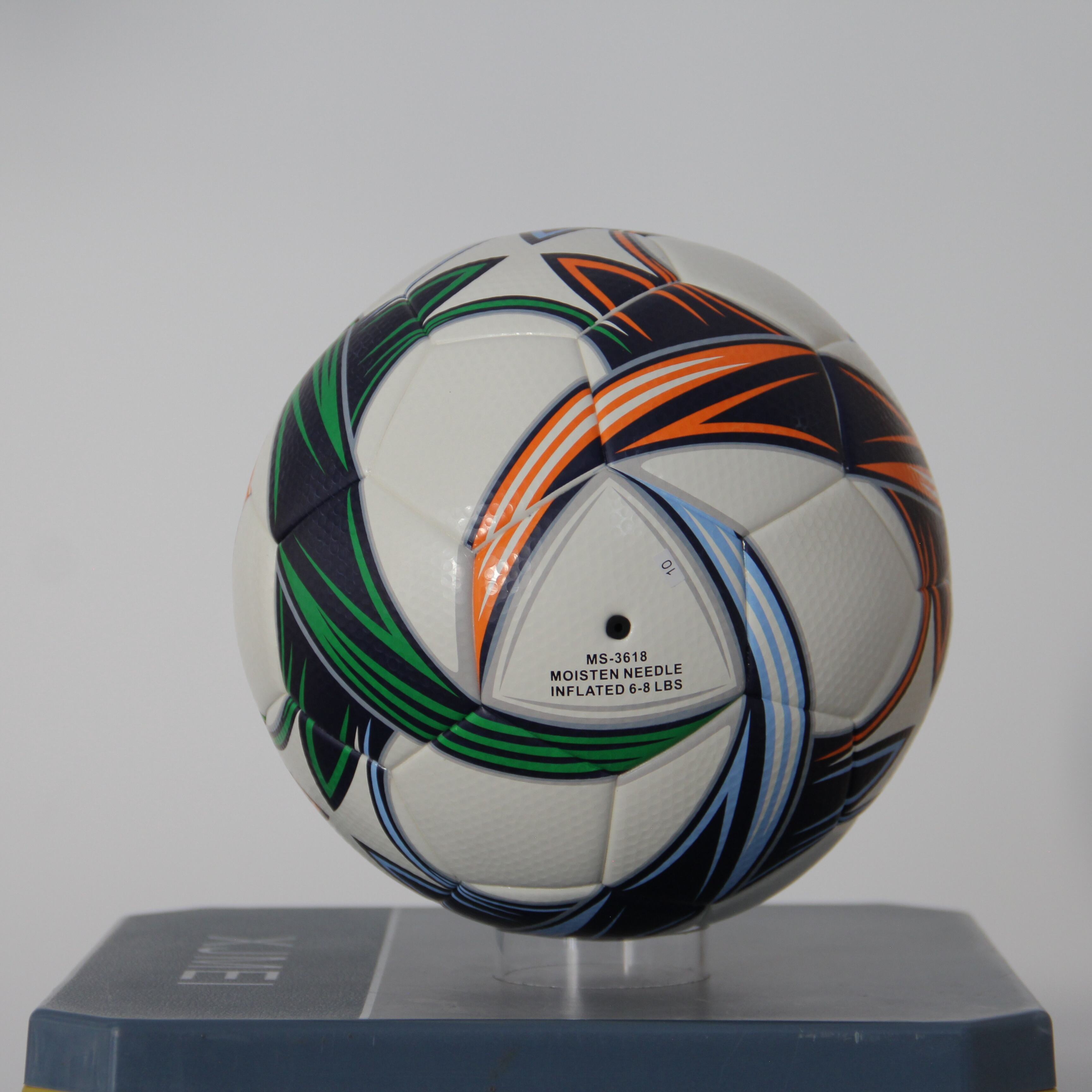
Every detail in competitive soccer is deliberate, and the equipment a player uses has a direct impact on how they develop skills, execute techniques, and perform under pressure. Among all the variables on the pitch, the ball itself is perhaps the most fundamental. The soccer ball size 5 is the internationally standardized match ball used at the professional, collegiate, and senior amateur levels, and understanding how it influences player performance can help coaches, players, and equipment buyers make smarter decisions.
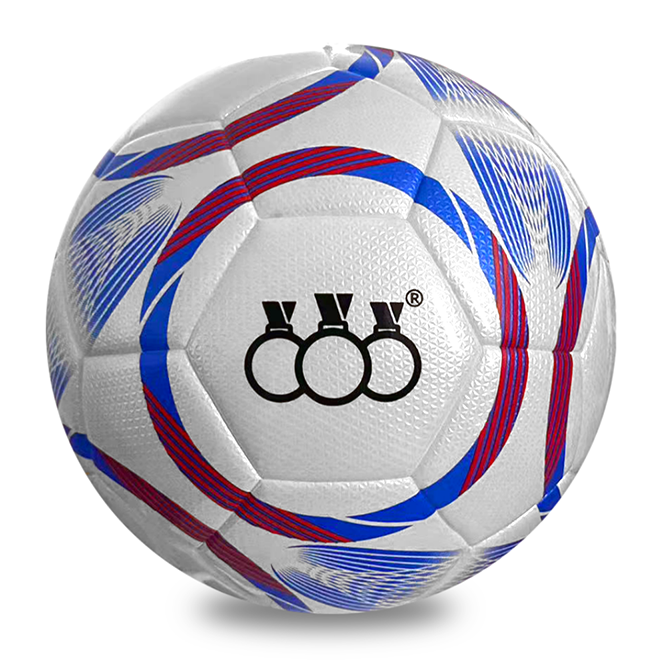
The soccer ball size 5 carries specific physical characteristics — a circumference of 68 to 70 centimeters and a weight of 410 to 450 grams when fully inflated — that are carefully engineered to match the physical demands placed on adult and senior youth players. These dimensions are not arbitrary. They are the result of decades of refinement by governing bodies like FIFA, and they directly shape how a player receives the ball, distributes it, strikes it, and controls it in match conditions. Examining the mechanics behind this relationship reveals just how profoundly ball size affects performance outcomes at every position on the field.
The Physical Mechanics of a Size 5 Ball and Player Interaction
Weight and Resistance in Ball Control
The soccer ball size 5 weighs noticeably more than its smaller counterparts, and this weight plays a meaningful role in how players physically engage with the ball. When a player receives a pass, the inertia of the ball requires a conscious cushioning technique. Players must learn to absorb energy through their feet, thighs, or chest, which develops the kind of proprioceptive awareness that becomes automatic over time.
A heavier ball also demands more deliberate force application during passing and shooting. Players transitioning to the soccer ball size 5 from a size 4 often report needing to adjust their striking mechanics because the ball requires more power to travel the same distance. This adjustment, though challenging, builds functional leg strength and teaches accurate force calibration — skills that directly translate to match performance.
In high-pressure defensive scenarios, the resistance of a soccer ball size 5 also influences heading accuracy. A player must engage their neck muscles and upper body with intention when heading this ball, as poor technique becomes immediately apparent through discomfort or mistimed contact. This has practical safety and performance implications that coaches should account for in training design.
Circumference and Surface Contact Area
The circumference of the soccer ball size 5 directly affects how much of the ball's surface a player's foot contacts during a pass or shot. A larger ball provides a broader contact area, which can actually assist less experienced senior players in making solid contact but can also punish imprecise foot placement more noticeably than a smaller ball would.
For wingers and attacking midfielders who rely on precise dribbling patterns, the size of the ball relative to their foot determines how smoothly they can maneuver at speed. Dribbling with a soccer ball size 5 at high tempo requires tight foot-eye coordination. Players who have trained with this ball extensively develop a natural spatial awareness that allows them to shield, cut, and accelerate without breaking stride.
Goalkeepers are also significantly affected by ball circumference. A soccer ball size 5 requires goalkeepers to fully spread their hands and apply proper wrist mechanics to catch or deflect cleanly. The size demands genuine catching technique, which means training with the correct ball is essential for developing goalkeeper-specific hand strength and reaction habits.
How Soccer Ball Size 5 Influences Technical Skill Development
Passing Accuracy and Distance Judgment
Passing is the most frequently executed skill in any soccer match, and the soccer ball size 5 directly shapes how players develop their passing technique. The ball's weight means that longer passes require more precise energy output — if a player misjudges the force needed, the ball either falls short or overshoots the target. This feedback loop accelerates the development of accurate distance judgment in training sessions.
Short combination passing — the kind used in quick triangles or wall passes — is also shaped by the ball's size. With a soccer ball size 5, the ball must be struck cleanly with the inside of the foot to maintain pace and direction. Sloppy technique results in inaccurate weighted passes, which reinforces the necessity of consistent foot mechanics. Coaches who use structured rondo drills with this ball see faster technique refinement compared to using undersized alternatives.
At the professional level, players who have grown up training with a soccer ball size 5 from the appropriate developmental stage demonstrate superior pass weight calibration. The muscle memory built through repetitive contact with the standardized ball size translates into reliable performance under the stress of competitive play.
Shooting Mechanics and Strike Power
Striking the soccer ball size 5 with power and precision requires a well-developed technique that balances hip rotation, ankle lock, and approach angle. Because of the ball's size and weight, a player must generate genuine force through a full kinetic chain — from the planting foot through the hip and into the striking foot. This demands physical coordination that develops progressively with consistent practice.
Curve and swerve shots are also directly tied to the ball's size. A soccer ball size 5 provides enough surface area for players to apply meaningful spin through sidespin or topspin techniques. The physics of Magnus effect — the curving trajectory created by spin — are more pronounced with a larger, heavier ball, which means players who master these strikes with a size 5 gain a significant competitive advantage in dead ball situations and long-range attempts.
Low-driven shots, lofted passes, and volleys each carry specific technique requirements that are shaped by the dimensions of the soccer ball size 5. Players who train exclusively with the match-standard ball develop an instinctive feel for how the ball will react off their foot, which reduces decision lag during high-pressure shooting opportunities in match scenarios.
Positional Impact: How Size 5 Requirements Vary Across Roles
Outfield Players and Ball Manipulation
Outfield players interact with the soccer ball size 5 in distinctly different ways depending on their positional role. Defensive players prioritize clearances, interceptions, and long distributing passes, all of which require confident striking of a full-size ball under physical pressure. Consistent training with a soccer ball size 5 builds the composure and strength needed to execute these actions decisively.
Midfielders are perhaps most affected by the soccer ball size 5's characteristics because they handle the ball most frequently and in the widest variety of situations. From switching the play with driven passes to turning tightly in congested zones, the size of the ball requires midfielders to maintain a low center of gravity and quick footwork. The weight of the ball punishes poor first touches, making technical midfielders sharpen their control habits through ongoing repetition.
Forwards rely on the soccer ball size 5 for clinical finishing, flick-ons, and hold-up play. The ball's size requires forwards to be physically assertive when shielding possession, using their body mass effectively to protect the ball. The ability to bring down a driven cross or a long diagonal pass cleanly is a skill refined exclusively through extensive contact with the full-size match ball.
Goalkeepers and the Demands of a Full-Size Ball
Goalkeepers face some of the most physically demanding interactions with the soccer ball size 5. Diving saves, reflex stops, and high-ball catches all require the goalkeeper to handle a ball that is specifically sized to challenge adult hand span and reaction timing. Training with the correct size ball is non-negotiable for goalkeepers who want to build reliable technique.
Distribution from the goalkeeper — including goal kicks, long throws, and driven volleys — also depends heavily on familiarity with the soccer ball size 5. A goalkeeper who trains with an incorrectly sized ball will struggle to develop the accurate kicking technique needed to initiate attacking moves from the back. The feedback provided by the size 5 ball's weight and bounce tells the goalkeeper exactly how well their distribution mechanics are functioning.
High-pressure penalty situations further highlight the importance of the soccer ball size 5 for goalkeepers. Reading the trajectory of a full-speed penalty kick and reacting correctly requires a goalkeeper whose spatial awareness and dive mechanics have been calibrated against the correct ball. Only consistent training with the size 5 ball enables this level of precise perceptual tuning.
Ball Construction Quality and Its Effect on Size 5 Performance
Panel Design and Flight Consistency
Not all soccer ball size 5 products perform identically, even when they meet size regulations. The panel construction method — whether hand-stitched, machine-stitched, or thermally bonded — significantly affects how the ball flies, bounces, and responds to spin. Thermally bonded panels create a smoother surface and more uniform shape retention, which produces more predictable ball flight and bounce characteristics.
A soccer ball size 5 with inconsistent panel alignment will wobble during flight, making it harder for players to read the ball's trajectory and respond appropriately. This inconsistency in cheaper or poorly constructed balls can actually hinder skill development because the unpredictable flight patterns train players to compensate rather than execute clean technique. Investing in well-constructed training balls helps players develop transferable skills that apply directly to match conditions.
The surface texture of the soccer ball size 5 also influences grip during wet weather, spin application during free kicks, and how easily the ball can be controlled with different body parts. Higher-quality materials maintain their performance characteristics across more uses and weather conditions, giving players consistent sensory feedback that supports skill refinement.
Inflation Pressure and Responsiveness
The FIFA standard for a soccer ball size 5 specifies an inflation pressure between 0.6 and 1.1 atmosphere. Playing with a ball outside this range alters its physical behavior significantly. An underinflated soccer ball size 5 feels sluggish, requires more force to strike, and loses its responsive bounce — all of which disrupt a player's calibrated striking and passing mechanics.
An overinflated soccer ball size 5, by contrast, becomes harder and less forgiving on contact. It bounces more sharply and unpredictably, which can cause poor heading technique and miscontrolled first touches. Players training with an overinflated ball may develop compensatory habits that become problematic when they switch to a properly inflated match ball.
Maintaining correct inflation is therefore not just a maintenance task — it is a performance consideration. Teams and individual players who consistently check and correct the inflation of their soccer ball size 5 before training sessions ensure that their technical development is occurring under conditions that match what they will encounter in competitive play.
FAQ
At what age should players start using a soccer ball size 5?
Most football governing bodies recommend transitioning players to a soccer ball size 5 at around 12 to 13 years of age, coinciding with the U13 age group. Before this stage, smaller balls like size 3 or size 4 are more appropriate because they match the physical capabilities and body proportions of younger players. Introducing the full-size ball too early can lead to poor technique habits and potential overuse injuries from the additional weight demands.
Does the soccer ball size 5 affect injury risk during training?
Yes, the weight and size of a soccer ball size 5 can contribute to injury risk if players use incorrect technique, particularly during heading and volleys. Proper coaching on how to engage the core, neck, and leg muscles when contacting a full-size ball significantly reduces the risk of strain. Using a correctly inflated soccer ball size 5 and progressing training intensity gradually also helps players adapt safely to the ball's physical demands.
Can training with a soccer ball size 5 improve performance in other ball sports?
The coordination, balance, and lower-body strength developed through training with a soccer ball size 5 do have transfer benefits to other sports that involve kicking, footwork, or spatial awareness. However, the specific technical skills — such as passing weight, dribbling angles, and shooting mechanics — are highly soccer-specific and are primarily beneficial within soccer performance contexts rather than as a cross-training tool for other sports.
How does ball quality affect performance at the soccer ball size 5 standard?
Ball quality significantly impacts performance even when two balls share the same soccer ball size 5 dimensions. Higher-quality construction ensures consistent shape, reliable bounce, and predictable flight characteristics, all of which support accurate technical development. Lower-quality balls may meet size specifications but deliver inconsistent feedback during play, which can subtly hinder a player's ability to build repeatable striking and control mechanics over time.