
 EN
EN



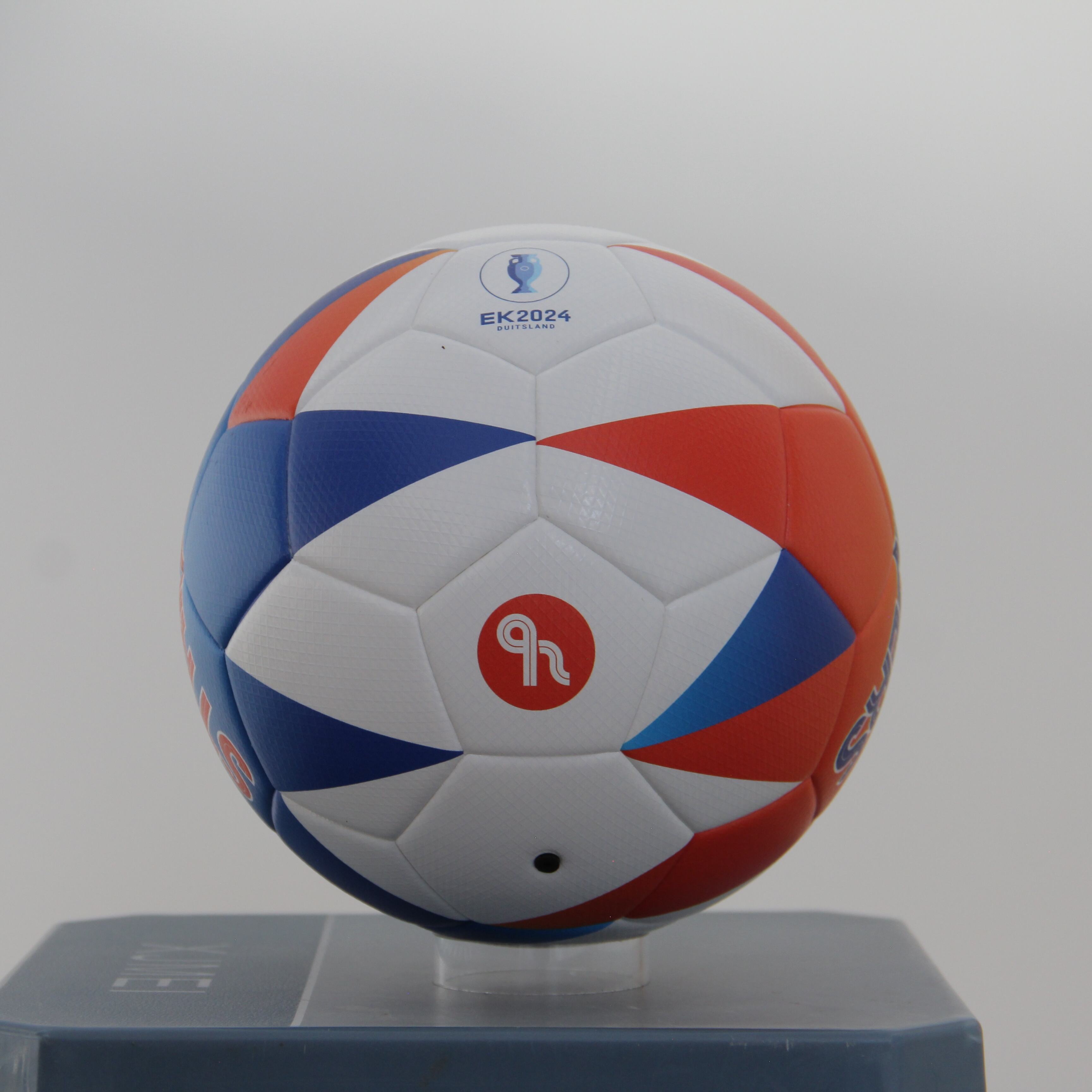
Choosing the right ball for the game is never a trivial decision, especially when it comes to full-scale competitive or recreational play. The soccer ball size 5 is the standard choice for players aged 13 and above, used in professional leagues, international tournaments, and casual adult matches alike. But simply knowing that size 5 is the appropriate category is only the beginning — what you purchase within that category depends on several technical, functional, and budgetary considerations that can dramatically affect performance and durability.
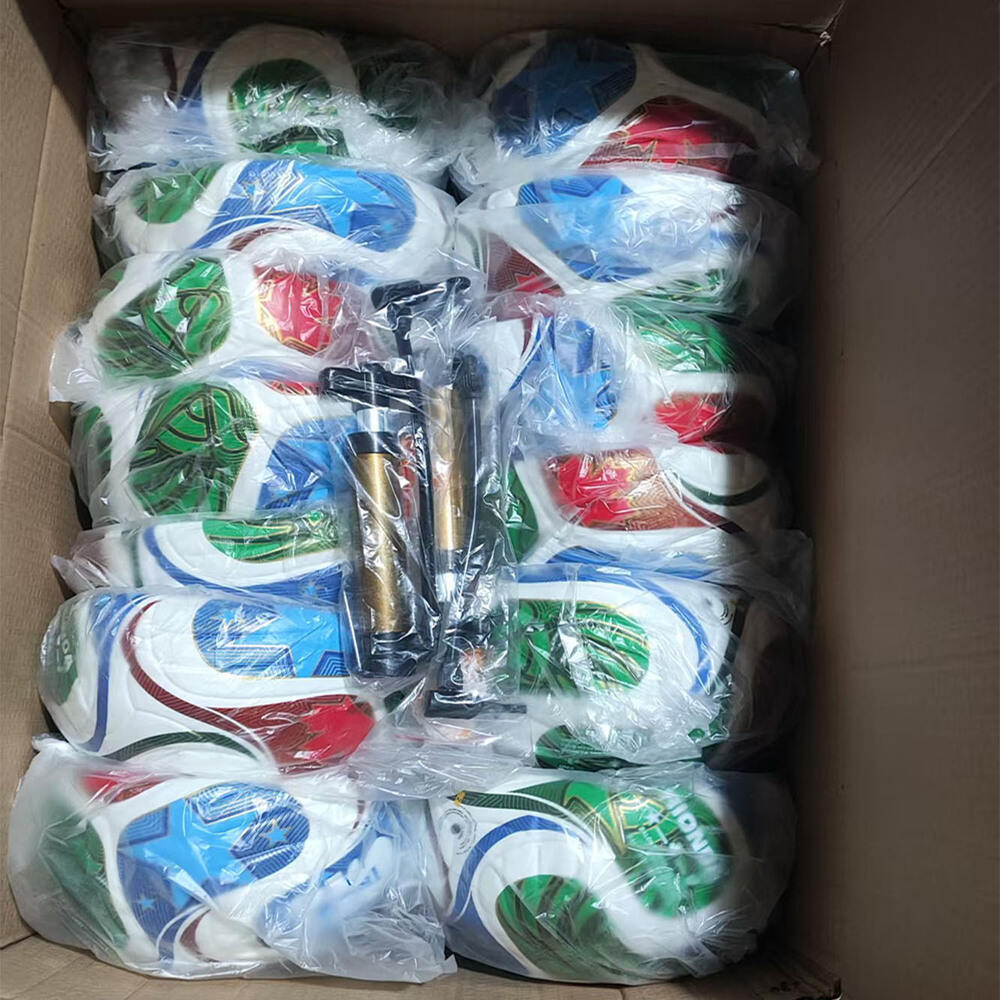
Whether you are a club manager sourcing balls in bulk, a coach outfitting a team, or an individual player investing in quality training equipment, understanding the key factors behind a well-constructed soccer ball size 5 will help you make a smarter, more confident buying decision. This guide walks you through every important dimension — from materials and construction methods to surface type compatibility and pressure standards — so you can evaluate options critically before spending your budget.
Understanding What Makes a Soccer Ball Size 5 the Right Fit
The Official Dimensions and Weight Standards
A soccer ball size 5 must conform to recognized international standards. The circumference should fall between 68 and 70 centimeters, and the weight at kickoff must be between 410 and 450 grams. These specifications are enforced by governing bodies like FIFA to ensure consistent behavior across all levels of play. When evaluating any ball, verifying that it meets these dimensional requirements is the first checkpoint before anything else.
Balls that fall outside these ranges may feel different in play — too light balls lose trajectory control in windy conditions, while oversized or overweight balls can put unnecessary strain on players' joints and feet. For competitive environments, always confirm that the soccer ball size 5 you are purchasing complies with official measurement standards, particularly if it will be used in sanctioned matches or tournaments.
Even for training purposes, using a ball that closely mirrors official dimensions ensures that muscle memory, passing technique, and shooting habits develop accurately. A ball that is measurably off-spec can subtly distort a player's sense of timing and contact, which becomes apparent during actual match conditions.
Age and Player Level Suitability
The soccer ball size 5 is intended for players aged 13 years and older, covering youth academies in their advanced stages, amateur clubs, semi-professional setups, and elite-level competitions. Before buying, confirm that the players who will use the ball are within this age bracket. Using a size 5 for younger children can negatively impact their development and even cause injury due to the heavier weight and harder surface contact.
For clubs that operate across multiple age groups, this distinction is especially important during bulk procurement. Mixing ball sizes within a single shipment requires careful planning and labeling. Many coaches mistakenly assume that older juniors can simply adapt to a larger ball, but the transition should be properly timed and the soccer ball size 5 introduced only when the player's physical strength and technique are ready to support it.
Key Construction Features to Evaluate Before Purchase
Panel Count and Geometry
A soccer ball size 5 can be manufactured with varying numbers of panels. The traditional 32-panel design is the most recognized, offering a rounded shape with predictable aerodynamic behavior. However, modern manufacturing has introduced balls with fewer panels — including 6-panel or thermally bonded designs — that alter how the ball moves through the air and reacts on foot contact.
Fewer panels with smooth seam transitions tend to produce a more aerodynamic flight path with less predictable curve behavior, which is preferred at professional levels. More panels with clearly defined seams offer more surface grip and a more controlled, consistent feel — often preferred in training environments. When selecting a soccer ball size 5, consider how panel geometry aligns with the playing context, whether that's high-speed competitive matches or technical training drills.
Panel symmetry also affects how the ball rolls and bounces. Irregular panel designs or manufacturing defects can produce unpredictable bounces, which is especially problematic when conducting finishing exercises or goalkeeper reaction drills. Always inspect or test a sample unit before committing to a larger order.
Outer Casing Material and Surface Texture
The outer casing of a soccer ball size 5 is one of the most direct indicators of quality and intended use. PU (polyurethane) coverings are widely considered the premium standard — they offer a softer touch, excellent responsiveness, and good resistance to abrasion. PVC coverings are more common in entry-level and recreational balls; they are harder, more resistant to moisture, and typically longer-lasting under rough conditions but sacrifice feel and control.
Surface texture influences grip in wet conditions and how cleanly a player can apply spin during passes or shots. Smoother textures produce less friction, which benefits aerial control but may feel slippery in the rain. Textured or pebbled surfaces improve grip but can sometimes increase drag. For year-round outdoor training, a PU-covered soccer ball size 5 with a micro-textured finish typically offers the best balance of feel, control, and durability.
In wet climates or regions with heavy rainfall, also look at whether the outer casing is treated for water resistance. Some entry-level balls absorb moisture heavily over time, significantly increasing their weight mid-game. A water-resistant soccer ball size 5 maintains its official weight range and flight characteristics even in adverse weather conditions, making it a smarter long-term investment.
Bladder Type and Air Retention
Inside every soccer ball size 5 is a bladder that determines how long the ball holds its pressure and how responsive it feels underfoot. Butyl bladders are the most common due to their excellent air retention — these balls stay inflated longer and require less frequent pumping. Latex bladders offer superior touch and a more natural feel but lose pressure more quickly and require regular maintenance.
For clubs managing many balls across multiple teams, butyl bladders are the practical choice. The reduced maintenance burden and consistent pressure over time mean less disruption during training sessions. For elite players who prioritize responsiveness and are willing to check pressure before each session, latex bladder options within the soccer ball size 5 range can deliver a performance edge.
Surface Compatibility and Environment Considerations
Matching the Ball to the Playing Surface
Not all soccer ball size 5 options are designed for every playing surface. Natural grass, artificial turf, futsal courts, and indoor wooden floors all interact differently with ball materials. A ball used on rough artificial turf wears out much faster if it lacks abrasion-resistant paneling, while a high-gloss match ball used on indoor hardwood floors may scuff and lose its aesthetic finish quickly.
When purchasing, check whether the product is designated for specific surface types. Many manufacturers label their balls for natural grass (FG), artificial ground (AG), or multi-surface use. Selecting the wrong category can lead to premature wear, unpredictable bouncing, and an overall shorter lifespan — all of which increase your long-term cost per ball.
If your team trains across multiple surfaces throughout the week, a multi-surface soccer ball size 5 with a durable PU casing and reinforced stitching offers the most versatile and cost-effective solution. Specialty match balls are best reserved for official games on premium pitches, while training sessions on mixed surfaces benefit from a slightly more robust construction.
Indoor Versus Outdoor Use Scenarios
Indoor play imposes different demands on a soccer ball size 5 than outdoor play. Indoor balls used in sports halls or hard-surface courts typically need reduced bounce to remain manageable in confined spaces. Some indoor-designated size 5 balls have foam inner linings or are slightly under-inflated by design to achieve this effect without compromising the feel.
Outdoor balls, on the other hand, need to perform consistently across temperature changes, light rain, and varied grass conditions. UV-resistant coatings and weather-treated panels help maintain the ball's color and structural integrity over seasons. If you plan to use the soccer ball size 5 exclusively outdoors, prioritize weather resistance and color fastness alongside the technical specifications.
Certification, Quality Standards, and Bulk Buying Guidance
Understanding FIFA Quality Pro and FIFA Quality Certifications
FIFA offers two tiers of ball certification — FIFA Quality Pro (for elite matches) and FIFA Quality (for amateur and recreational use). These certifications are awarded after rigorous testing that covers circumference, weight, rebound behavior, water absorption, shape retention, and loss of pressure. A soccer ball size 5 bearing one of these labels has passed standardized performance tests conducted by accredited laboratories.
For clubs or organizations that host official competitions, sourcing FIFA-certified balls is often a regulatory requirement. Even for informal leagues, using a certified soccer ball size 5 provides assurance that the ball's construction is consistent and predictable. Without certification, quality claims are largely unverifiable, and product consistency between batches from the same manufacturer cannot be guaranteed.
That said, non-certified balls can still offer excellent performance for training use, especially when sourced from reputable manufacturers who follow industry-standard production processes. In such cases, requesting production quality reports, material specification sheets, or sample testing before placing a large order helps verify consistency and performance without relying solely on certification labels.
Volume Orders and Customization Requirements
When purchasing a soccer ball size 5 in bulk — whether for a school, club, sports retailer, or branded program — several procurement considerations come into play. Minimum order quantities, lead times, printing options, and packaging requirements all need to be clarified before finalizing a supplier relationship. Custom branding, including club logos, sponsor marks, or specific color schemes, typically requires a minimum batch and adds production time.
Quality consistency across a large batch is a critical concern. Request pre-production samples before approving full-scale manufacturing and establish clear acceptance criteria around weight tolerance, seam integrity, and color matching. Bulk purchases of a soccer ball size 5 represent a significant investment, and identifying quality issues after delivery creates costly logistics and replacement challenges.
Also consider packaging requirements for storage and transportation. Balls shipped deflated in bulk reduce freight costs significantly, but ensure that your receiving facility has the equipment to inflate and test each ball upon arrival. Establishing a simple inspection protocol at the point of receipt — checking pressure, seam quality, and visible surface defects — can prevent long-term issues and ensure your team or customers receive a consistent product.
Price Range, Value Assessment, and Long-Term Cost
What Drives Price Differences in Soccer Ball Size 5 Products
The price of a soccer ball size 5 can vary significantly based on material quality, construction method, certification status, and customization options. Entry-level recreational balls with PVC coverings and basic rubber bladders typically occupy the lower price tier. Mid-range training balls with PU covers, butyl bladders, and machine-stitched panels offer a strong performance-to-cost ratio for most club environments. Premium match balls with thermally bonded panels, latex bladders, and official certification represent the highest price point.
Understanding what drives these price differences allows you to make value-based decisions rather than defaulting to the cheapest option. A soccer ball size 5 that costs slightly more but lasts twice as long under regular training conditions is more cost-effective in practice. Factor in expected usage frequency, surface type, storage conditions, and player level when setting your budget per ball.
Evaluating Total Cost of Ownership Over a Season
Total cost of ownership for a soccer ball size 5 goes beyond the purchase price. Consider how many sessions the ball will be used per week, whether it will be shared across multiple groups, and how it will be stored between uses. Poor storage — leaving balls in direct sunlight, under heavy equipment, or in extreme temperatures — significantly accelerates wear and degrades the bladder's air retention capabilities.
Replacing a soccer ball size 5 mid-season because it has lost shape or deflates after every session adds both cost and inconvenience. Investing in a slightly higher-quality ball upfront, paired with proper inflation monitoring and storage practices, extends product life considerably. Over the course of a full season, this approach typically results in fewer replacements and a lower effective cost per training hour.
FAQ
What is the correct circumference for a soccer ball size 5?
A soccer ball size 5 must have a circumference between 68 and 70 centimeters, as defined by international football governing body standards. This measurement ensures consistent play behavior and compatibility with professional match regulations. Always verify this specification when purchasing, especially for competitive or tournament use.
Can a soccer ball size 5 be used on artificial turf?
Yes, but the ball should be designed or rated for artificial turf use. Standard match balls with smooth PU coverings may wear faster on abrasive artificial surfaces. Look for a soccer ball size 5 specifically described as suitable for artificial ground or multi-surface use, as these typically have more durable casing materials and reinforced seam construction that withstands rougher turf conditions.
What is the difference between a training ball and a match ball in soccer ball size 5?
Training balls in the soccer ball size 5 category are constructed to withstand high-frequency use across varied surfaces, prioritizing durability over feel. Match balls prioritize touch, aerodynamic performance, and weight consistency, often featuring thermally bonded panels and premium bladder materials. Training balls are usually more affordable and better suited for daily practice, while match balls are reserved for official game days.
How should I maintain a soccer ball size 5 to extend its lifespan?
Proper maintenance of a soccer ball size 5 includes checking inflation pressure before each use and adjusting to the manufacturer's recommended PSI. Store the ball in a cool, dry location away from direct sunlight and extreme temperatures. Clean the surface after muddy sessions with a damp cloth and mild soap, and avoid dragging or kicking the ball on rough concrete surfaces unnecessarily. Regular care significantly extends the ball's usable life and keeps its performance consistent.