
 EN
EN


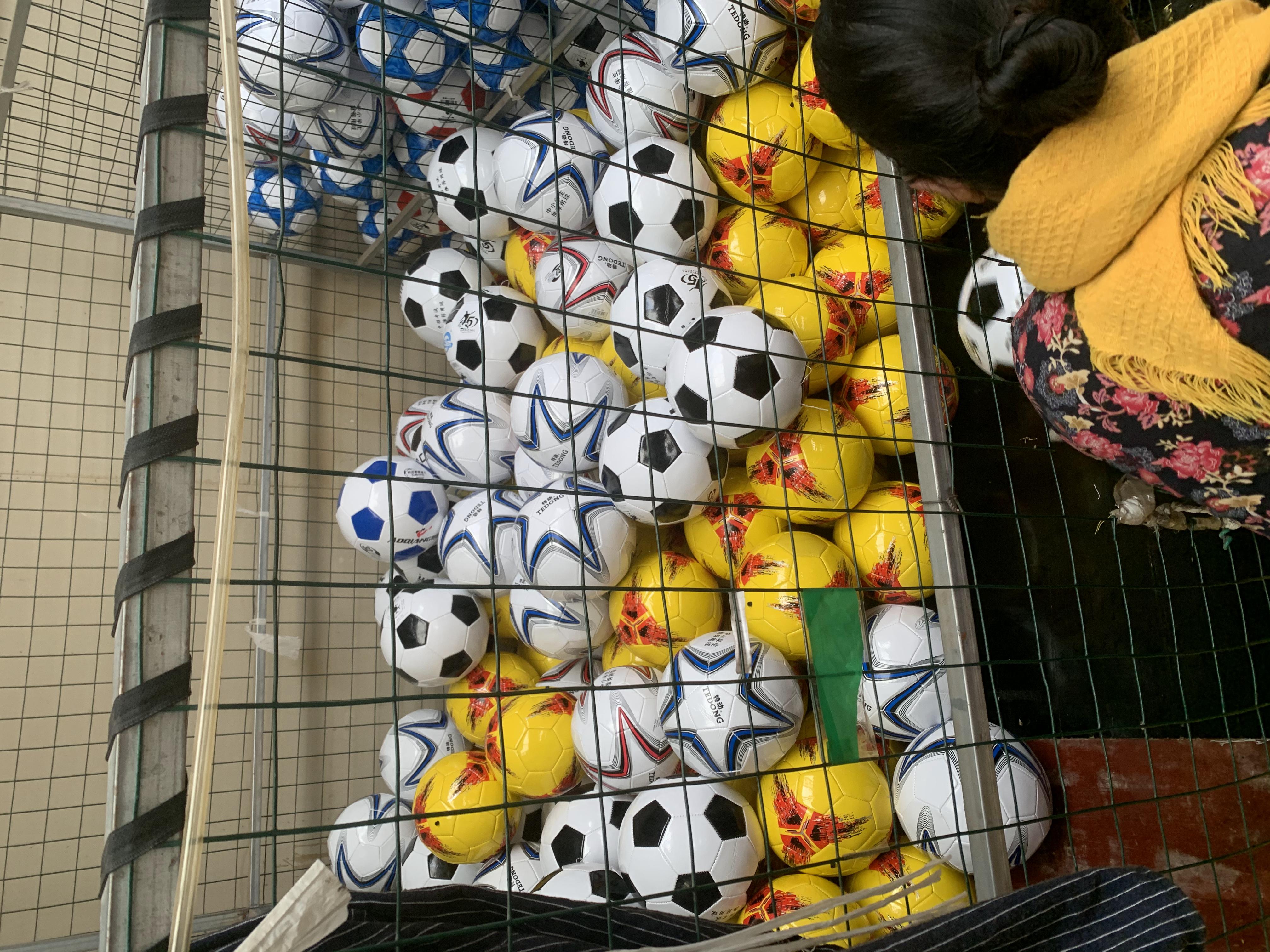
When you invest in a quality football soccer ball, one of the first practical questions that comes to mind is how long it should reasonably last. Whether you are a club manager sourcing equipment in bulk, a coach outfitting a training facility, or a brand looking to private-label premium match balls, understanding the expected lifespan of a football soccer ball is essential for budgeting, quality assurance, and player satisfaction. Lifespan is not simply a matter of time — it is a function of construction quality, usage intensity, storage habits, and environmental exposure all working together.

A well-constructed football soccer ball used in professional or semi-professional settings can last anywhere from a few months to several years, depending on how it is used and maintained. For training contexts with daily use, a durable football soccer ball should realistically provide 6 to 12 months of reliable service before showing meaningful wear. Match-quality balls used only on match days can stretch considerably longer. Understanding what drives this lifespan — and what cuts it short — helps buyers make smarter procurement decisions and helps brands deliver on their quality promise.
The Role of Construction Quality in Ball Longevity
Panel Technology and Bonding Methods
The way a football soccer ball is constructed has a direct and significant impact on how long it will last. Traditional hand-stitched balls rely on skilled sewing to hold panels together, which provides durability but can allow water absorption through the seams over time. Thermo-bonded construction, by contrast, uses heat and adhesive technology to fuse panels seamlessly, eliminating stitching holes entirely. This method produces a football soccer ball that is more water-resistant, maintains its round shape more consistently, and generally resists wear along the seam lines where older balls tend to fail first.
The number and shape of panels also matter. A 15-panel football soccer ball, for instance, is engineered so that each panel contributes to an aerodynamically stable and structurally resilient whole. Fewer panels with larger surface areas can introduce stress concentration points, while a well-balanced panel count distributes pressure more evenly across the shell. This results in less deformation under repeated impact and a longer usable life. When a football soccer ball is designed with both performance and durability in mind, the geometry of its construction reflects that dual priority.
Outer Cover Material
The outer cover of a football soccer ball is its first line of defense against the environment and repeated contact. High-grade polyurethane covers offer a softer feel and excellent abrasion resistance, making them the preferred choice for premium match balls. PVC covers are more economical and often more resistant to rough surfaces, which makes them a practical choice for training balls used on concrete or artificial turf. The choice of cover material will meaningfully affect how many hours of play a football soccer ball can sustain before the surface begins to crack, peel, or delaminate.
Thickness matters as well. A thicker cover layer absorbs more stress per impact but can slightly affect touch and responsiveness. A thinner cover delivers better feel but may wear faster under intense training conditions. Premium football soccer ball manufacturers balance these factors carefully, selecting cover thickness based on the ball's intended application — whether it is a high-performance match ball or a heavy-duty training ball. Buyers should factor in the intended surface type and frequency of use when evaluating cover material choices.
How Usage Patterns Determine Lifespan
Training Frequency and Surface Type
A football soccer ball used in daily professional training will age much faster than one reserved for weekend matches. High-frequency use on artificial turf or concrete surfaces accelerates abrasion on the outer cover and increases internal pressure fluctuations. Natural grass is gentler on the ball's exterior, but wet conditions can still lead to water ingress in lower-quality balls, increasing weight and affecting balance over time. Understanding the surface context is critical when estimating how long a football soccer ball will remain match-ready or practice-suitable.
Training drills that involve heavy shooting, wall rebounding, or goalkeeper diving further stress the ball's bladder and panel bonds. Repeated high-impact contact with hard surfaces compresses and stresses the internal bladder more aggressively than passing drills on open grass. A football soccer ball subjected to this kind of training regimen on a daily basis may begin to lose its shape retention or pressure consistency within three to five months, even if the outer cover still appears intact. For this reason, professional clubs often rotate multiple balls throughout a training session to distribute wear.
Match Play Versus Training Use
Match balls and training balls are treated very differently within organized football, and this distinction directly affects lifespan expectations. A football soccer ball designated for competitive match play is often used only for a limited number of games before being retired or repurposed for autograph or display use. Some professional leagues use a new football soccer ball for every match, meaning the lifespan under match conditions is measured in hours, not months. For amateur and semi-professional clubs, a match ball might serve 20 to 40 games before noticeably losing its flight characteristics or pressure retention.
Training balls, on the other hand, are expected to absorb far more cumulative contact. A well-designed training football soccer ball built with a reinforced cover and robust bladder can handle hundreds of hours of use across a season. The key is matching ball specification to use case: using a match-grade football soccer ball for daily drills is inefficient and costly, while using a training ball in competitive matches may compromise play quality. Smart procurement means selecting the right ball for the right application from the start.
Maintenance Practices That Extend Ball Life
Proper Inflation and Storage
Maintaining correct inflation pressure is one of the simplest yet most impactful ways to extend the life of a football soccer ball. Underinflated balls are subjected to excessive internal panel stress with each kick, while overinflated balls become harder, less responsive, and more prone to bladder damage on high-impact contact. Most quality football soccer ball specifications recommend a pressure range printed directly on the ball, typically between 0.6 and 1.1 bar. Checking and adjusting pressure before each use is a basic maintenance habit that significantly reduces unnecessary wear.
Storage conditions are equally important. A football soccer ball should be stored away from direct sunlight and extreme temperature fluctuations. UV exposure degrades polyurethane covers over time, causing discoloration and surface cracking. Heat causes bladders to expand and potentially stress-fracture the internal lining. Cold temperatures can make covers brittle and reduce elasticity in the bladder. Storing balls in a cool, dry, shaded environment — ideally deflated to reduce bladder pressure during inactivity — significantly prolongs functional lifespan and keeps the football soccer ball performing as intended for longer periods.
Cleaning and Post-Use Care
After use, a football soccer ball should be wiped clean with a damp cloth to remove mud, dirt, and moisture before it dries and becomes abrasive. Using harsh chemical cleaners or solvents can damage the outer cover material, accelerating surface degradation. For balls used on synthetic turf, rubber crumb particles can embed in the cover texture; gentle brushing with a soft cloth prevents cumulative abrasion. These small post-use rituals may seem minor, but across hundreds of training sessions they add up to a meaningfully longer functional life for each football soccer ball in a club's inventory.
For clubs managing large ball inventories, rotating stock evenly across training sessions ensures no single football soccer ball accumulates disproportionate wear. Numbering or tagging balls and tracking their usage history allows equipment managers to identify which balls are approaching the end of their service life and need replacement before they become a liability during training or competition. This level of care is common in professional football environments and is increasingly adopted by well-organized amateur clubs and academies.
Signals That a Football Soccer Ball Has Reached End of Life
Physical and Structural Warning Signs
Knowing when a football soccer ball should be retired is just as important as knowing how to care for it. Visible surface cracking, panel delamination, or persistent deformation after inflation are clear signs that a football soccer ball has exceeded its safe and effective lifespan. A ball that no longer holds pressure overnight — requiring inflation before every session — has a compromised bladder or valve, which is rarely worth repairing in a production ball. These structural issues affect not only performance but also player safety, as an unpredictably behaving ball can contribute to poor technique development or minor injuries.
Changes in flight behavior — such as a football soccer ball that wobbles in the air, veers unpredictably on volleys, or rolls unevenly on the ground — suggest that the internal bladder has shifted or that panel geometry has been permanently distorted. Players and coaches often notice these changes instinctively before a formal inspection is conducted. When multiple players report that a particular football soccer ball 'feels off,' that feedback is a reliable indicator that the ball should be removed from active use and inspected for structural integrity.
Performance Consistency as a Lifespan Indicator
Beyond visible damage, a football soccer ball's performance consistency is one of the best practical lifespan indicators. A quality ball should deliver predictable bounce, consistent flight arc, and reliable touch across every session. When these characteristics begin to vary noticeably from session to session — or even within a single session — it signals that the ball's internal structure or cover integrity is degrading. For training environments focused on technical skill development, inconsistent ball behavior is not just inconvenient; it actively undermines the learning process.
For B2B buyers and brand partners sourcing football soccer ball products at volume, building a clear replacement cycle into procurement planning is sound practice. Rather than waiting for balls to reach a visibly degraded state, forward-looking procurement managers establish usage-hour thresholds — for example, replacing training balls after 200 hours of active use regardless of visible condition. This approach standardizes quality across the inventory and prevents the gradual 'good enough' decline that can quietly lower training standards without being immediately obvious to coaching staff.
FAQ
How long does a professional-grade football soccer ball typically last?
A professional-grade football soccer ball used exclusively for competitive matches can last one to two seasons if properly maintained, as it experiences relatively limited use per game. Training balls of equivalent construction used daily may need replacement every 6 to 12 months, depending on surface conditions and training intensity. The key variable is cumulative contact hours, not calendar time.
Does thermo-bonded construction make a football soccer ball last longer than stitched versions?
In most practical conditions, yes. Thermo-bonded football soccer ball construction eliminates the seam holes that traditional stitching creates, reducing water absorption and panel separation. This results in better shape retention and more consistent pressure maintenance over time. However, the overall lifespan still depends heavily on cover material quality and how the ball is used and stored.
What is the biggest factor that shortens a football soccer ball's lifespan?
Surface type is one of the most significant lifespan-shortening factors. Using a football soccer ball regularly on abrasive artificial turf or concrete dramatically accelerates cover wear compared to natural grass use. Incorrect inflation and improper storage — particularly exposure to heat or UV light — also significantly reduce lifespan. Matching ball specification to the intended surface and maintaining proper care practices are the most effective ways to maximize value from each football soccer ball.
How should bulk buyers or brands plan for football soccer ball replacement cycles?
Bulk buyers and brand partners should establish usage-based replacement thresholds rather than relying solely on visual inspection. Tracking approximate training hours per ball and setting replacement benchmarks — typically 150 to 250 hours for training balls — allows for predictable procurement planning. Sourcing from manufacturers who offer consistent quality across production batches is equally important, as variability in a football soccer ball's construction can make lifespan estimates unreliable across an inventory.
Table of Contents
- The Role of Construction Quality in Ball Longevity
- How Usage Patterns Determine Lifespan
- Maintenance Practices That Extend Ball Life
- Signals That a Football Soccer Ball Has Reached End of Life
-
FAQ
- How long does a professional-grade football soccer ball typically last?
- Does thermo-bonded construction make a football soccer ball last longer than stitched versions?
- What is the biggest factor that shortens a football soccer ball's lifespan?
- How should bulk buyers or brands plan for football soccer ball replacement cycles?