
 EN
EN



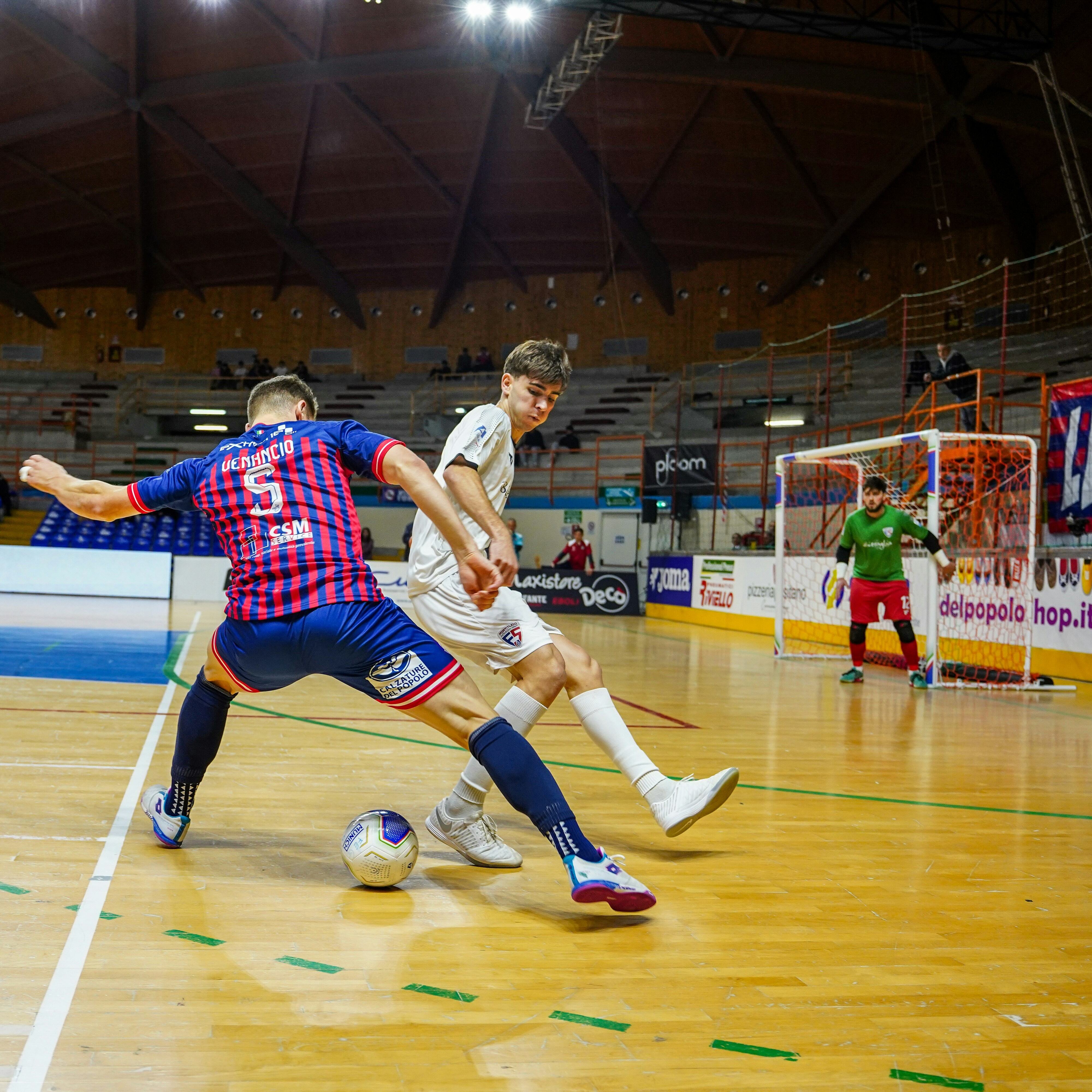
A soccer training ball is a purpose-built piece of equipment designed to support the development of player skills, technical drills, and repetitive practice sessions. Unlike match balls intended for official competition, a soccer training ball is engineered with durability, consistency, and cost-effectiveness at its core. Understanding what sets it apart from other ball types is essential for coaches, club managers, and players who want to make informed purchasing decisions and optimize their training programs.
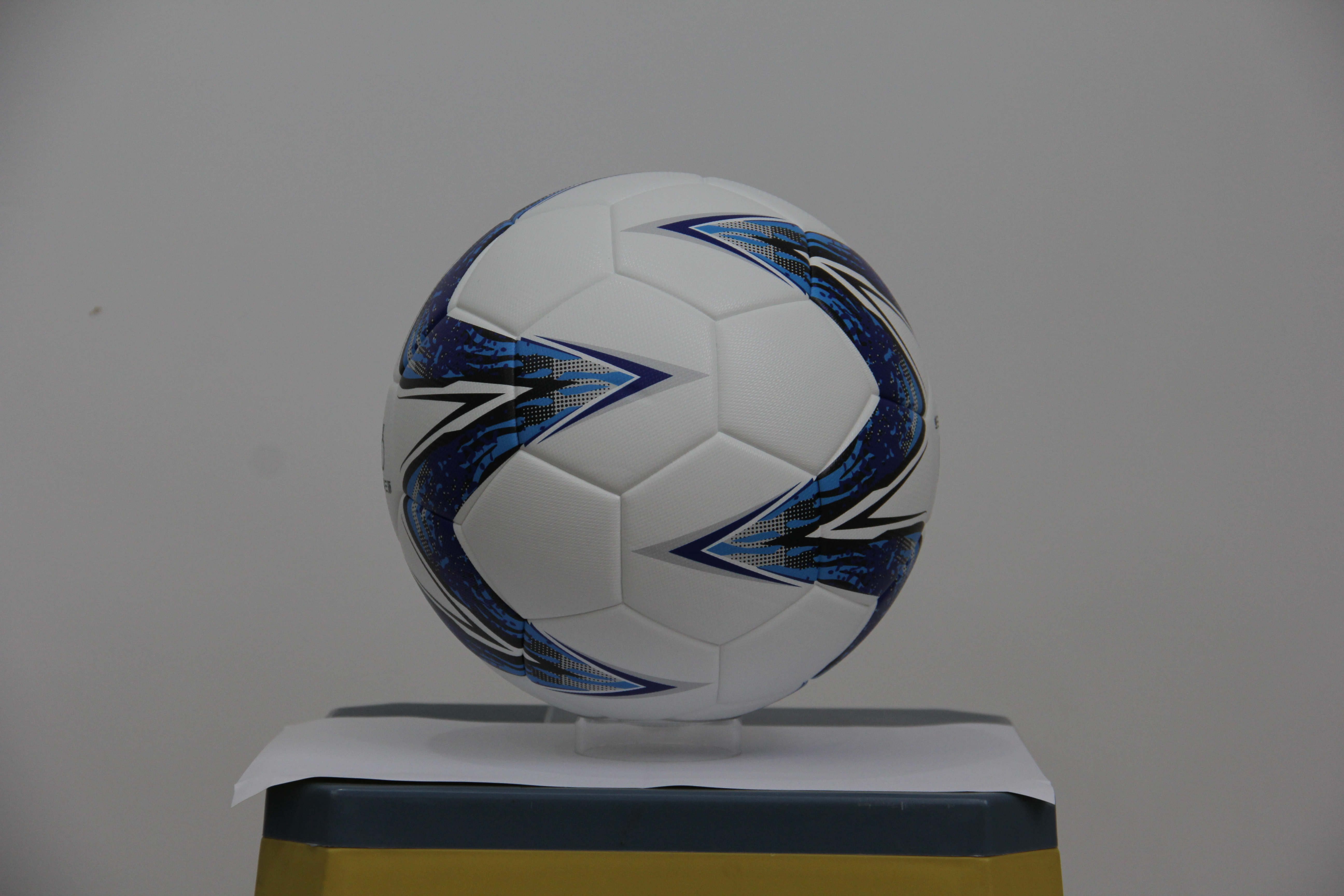
The distinction between a soccer training ball and a match ball goes far beyond surface appearance. It involves differences in construction methods, materials, intended usage frequency, performance standards, and price positioning. Whether you are equipping a youth academy, a semi-professional club, or a recreational team, knowing exactly what a soccer training ball is and how it differs from other options will help you invest wisely and train more effectively.
Defining the Soccer Training Ball
Core Purpose and Function
A soccer training ball is specifically designed to withstand the rigors of daily practice. Players kick, head, trap, and pass hundreds of times per session, and ordinary match balls would degrade rapidly under such repeated stress. The soccer training ball is built to absorb that punishment while maintaining a consistent shape and feel throughout extended use.
The primary function of a soccer training ball is skill development. It must behave predictably so that players can build muscle memory and refine technique without compensating for irregular bounce or flight. Consistency in air retention, surface texture, and responsiveness is therefore a key engineering priority for any soccer training ball.
Training environments also expose balls to harder surfaces, harsh weather, and contact with walls or rebounders. A well-designed soccer training ball accounts for all of these conditions, offering a level of resilience that pure match balls are not necessarily built to provide.
Construction and Materials Overview
The typical soccer training ball uses a machine-stitched or thermo-bonded outer casing made from durable PU or PVC materials. These outer layers are chosen for their abrasion resistance rather than the ultra-soft touch materials used in premium match balls. Inside, the soccer training ball features a butyl rubber bladder, which offers superior air retention compared to latex alternatives, helping coaches avoid constant re-inflation during sessions.
Panel configuration also plays a role. The classic 32-panel design remains common in the soccer training ball category because it provides a balanced combination of aerodynamic stability, consistent ball flight, and structural durability. Some modern soccer training ball designs use fewer panels with thermo-bonded seams to improve waterproofing and reduce water absorption on wet pitches.
The overall construction philosophy behind a soccer training ball prioritizes longevity and performance reliability over the ultra-refined touch characteristics that elite competition balls are engineered to deliver. This is a deliberate engineering trade-off, not a quality shortcut.
How the Soccer Training Ball Differs from a Match Ball
Material and Surface Texture Differences
A match ball used in professional or competitive settings is typically crafted from high-grade thermally bonded PU panels with a micro-textured surface engineered for aerodynamic precision and a refined first-touch feel. A soccer training ball, by contrast, uses durable synthetic materials that prioritize wear resistance over tactile softness. The surface of a soccer training ball may feel slightly firmer under foot, but it maintains that characteristic consistently across its lifespan.
This material difference directly affects how each ball behaves in flight and on contact. Match balls are often designed to minimize water uptake and maximize spin response, giving players the ability to bend and curve shots with high precision. A soccer training ball may have slightly different aerodynamic properties, but for the purposes of technical development and tactical drilling, these differences are negligible and often imperceptible to players below elite level.
Practically speaking, coaching staff frequently prefer a soccer training ball that retains consistent weight and pressure over time. A waterlogged or pressure-inconsistent ball disrupts drills and creates false feedback for developing players. The durable surface materials of a quality soccer training ball help prevent these issues across an entire training season.
Durability and Lifespan Expectations
One of the clearest differences between a soccer training ball and a match ball is the expected lifespan under regular use. A premium match ball used in training would likely show significant wear within weeks, as its materials are optimized for performance rather than endurance. A soccer training ball, designed for daily use across multiple sessions, can last an entire season or longer when properly maintained.
Clubs and academies operating with limited budgets need equipment that can handle hundreds of training hours without losing structural integrity. The soccer training ball meets this demand by using thicker panel materials, reinforced stitching or bonding, and bladders that minimize pressure loss between sessions. This makes the soccer training ball a far more economical choice for regular practice environments.
Durability also matters for indoor training surfaces, artificial turf, and hard concrete areas, where ball abrasion is significantly higher than on natural grass. A soccer training ball engineered for multi-surface use protects your equipment investment and ensures players always have a reliable, properly inflated ball to work with.
Differences Between a Soccer Training Ball and a Recreational Ball
Performance Standards and Consistency
It is equally important to distinguish a soccer training ball from a basic recreational or promotional ball. Recreational balls are designed primarily for casual play and are typically the most affordable option available. While they may look similar on the surface, a recreational ball often uses low-grade materials, minimal panel precision, and bladders with poor air retention. These characteristics make them unsuitable for structured training programs.
A soccer training ball, even at an entry-level price point, is held to higher performance standards. Ball roundness, circumference consistency, pressure retention, and weight distribution are all controlled within tighter tolerances. These standards ensure that a soccer training ball gives players reliable and repeatable feedback during technical exercises, which is essential for skill development.
Coaches and team managers should be particularly cautious about sourcing balls labeled as 'practice balls' that are actually low-specification recreational models. A genuine soccer training ball carries defined performance characteristics that separate it from promotional giveaway balls or budget toy-grade alternatives.
Suitability for Structured Drills and Coaching
The soccer training ball is specifically suited for structured coaching environments where predictability matters. Whether running passing drills, shooting circuits, positional exercises, or set-piece rehearsals, coaches rely on the ball behaving consistently from kick to kick. A recreational ball introduces too many variables — inconsistent bounce, unpredictable flight, and rapid deflation — that undermine the quality of structured sessions.
Many professional academies and semi-professional clubs maintain a dedicated inventory of soccer training ball stock precisely because they understand the value of consistent equipment in a development environment. Using the right ball type for the right purpose improves session quality, reduces equipment waste, and gives players the best possible conditions for skill acquisition.
For bulk purchasing decisions, clubs should look for a soccer training ball that offers a balance of durability, consistent air retention, appropriate size options for different age groups, and surface materials suitable for the training surfaces in regular use. These practical criteria are what genuinely distinguish a proper soccer training ball from lower-grade alternatives.
Choosing the Right Soccer Training Ball for Your Program
Size, Age Group, and Surface Considerations
Soccer training ball selection begins with size. The FIFA size system ranges from size 1 through size 5, with size 5 being the full adult match standard. Youth development programs should use appropriately sized soccer training ball options — typically size 3 for children under 8, size 4 for ages 8 to 12, and size 5 for players aged 13 and above. Using the correct size as part of a structured soccer training ball program directly influences technical development, as players learn proper contact mechanics for their physical stage.
Surface compatibility is another key selection factor. Clubs training primarily on natural grass have a wide range of soccer training ball options available. Those using artificial turf or 3G surfaces should specifically seek a soccer training ball with an abrasion-resistant outer casing designed for synthetic surfaces. Using a natural-grass-oriented soccer training ball on artificial turf will accelerate wear and reduce the ball's usable lifespan significantly.
For indoor training facilities, a futsal-specific training ball exists as a distinct sub-category, but for standard gym or sports hall sessions, a slightly deflated outdoor soccer training ball of appropriate size is a commonly used practical solution. Coaches should always check manufacturer guidance on recommended inflation pressure for the specific soccer training ball model being used indoors.
Construction Quality Indicators to Evaluate
When evaluating a soccer training ball for purchase, several construction quality indicators should guide the decision. Panel bonding method is one of the first things to assess. Thermo-bonded panels provide better waterproofing and a more uniform surface compared to hand-stitched alternatives for training use. A thermo-bonded soccer training ball will typically absorb less water during wet-weather sessions, helping maintain consistent weight and performance throughout a session.
Bladder type is another critical indicator. A butyl bladder in a soccer training ball retains pressure far more reliably than a latex bladder, meaning less time spent re-inflating between sessions. For clubs managing large squad numbers across multiple training groups, this practical advantage in air retention makes a meaningful difference to daily operations.
Panel count, outer layer thickness, and outer casing material grade all contribute to how long a soccer training ball remains fit for purpose. Clubs ordering in bulk should request samples and put them through a short real-world usage test before committing to large-volume orders. A soccer training ball that performs consistently under realistic training conditions is always a more reliable investment than one that impresses only on paper.
FAQ
What makes a soccer training ball different from a match ball?
A soccer training ball is built for durability, air retention, and consistent performance under repeated daily use, while a match ball prioritizes refined aerodynamics, premium touch, and competition-grade performance characteristics. The soccer training ball uses tougher outer materials and butyl bladders to withstand high-volume training sessions, whereas match balls are optimized for single or limited-use match conditions.
Can a soccer training ball be used in official matches?
A standard soccer training ball is generally not approved for official competitive matches, as it does not meet the specific FIFA Quality or FIFA Quality Pro certification standards required for regulated play. However, for informal matches, friendly games, and developmental fixtures, a soccer training ball is entirely appropriate and widely used at the grassroots and youth levels.
How long does a soccer training ball typically last?
With proper care, a quality soccer training ball can last a full training season or longer, even under daily use conditions. Key factors that affect lifespan include the surface type it is used on, inflation pressure maintenance, storage conditions, and the quality of the outer casing materials. A soccer training ball used on hard artificial turf will typically show more wear than one used on natural grass.
What size soccer training ball should youth players use?
Youth players should use a soccer training ball sized appropriately for their age group. Size 3 is recommended for players under 8 years old, size 4 for players between 8 and 12 years old, and size 5 for players aged 13 and above. Using the correctly sized soccer training ball helps young players develop proper technique, foot-eye coordination, and ball control skills in line with their physical development stage.