
 EN
EN



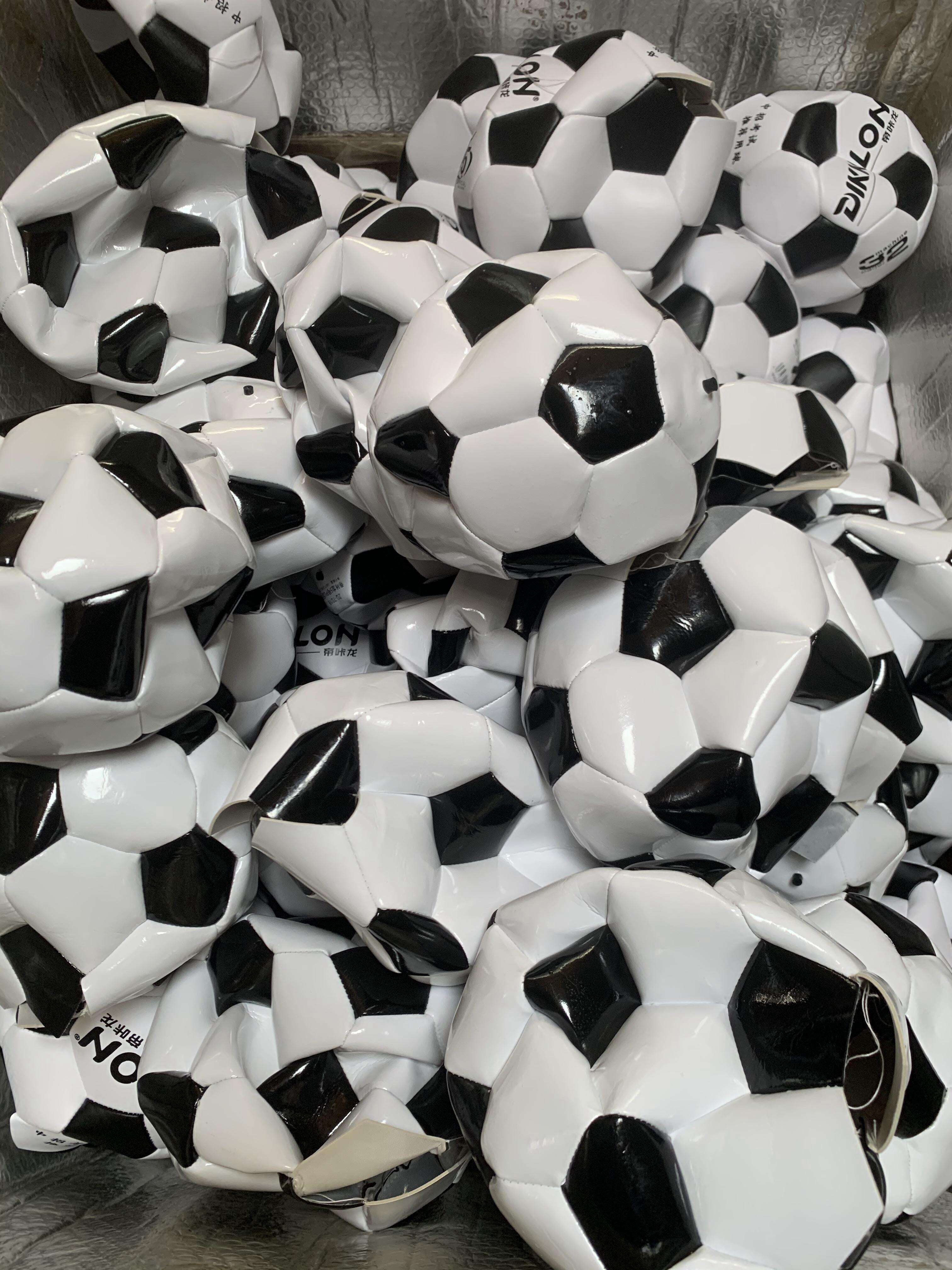
When parents, coaches, and youth sports program directors begin selecting equipment for young athletes, one of the most frequently asked questions centers on ball sizing. A size 4 soccer ball occupies a distinct and important place in youth development, sitting between the introductory balls used by the youngest players and the full-size match ball used by adults. Understanding exactly what this ball is designed for helps coaches structure better training sessions and helps organizations make smarter equipment investments for their programs.
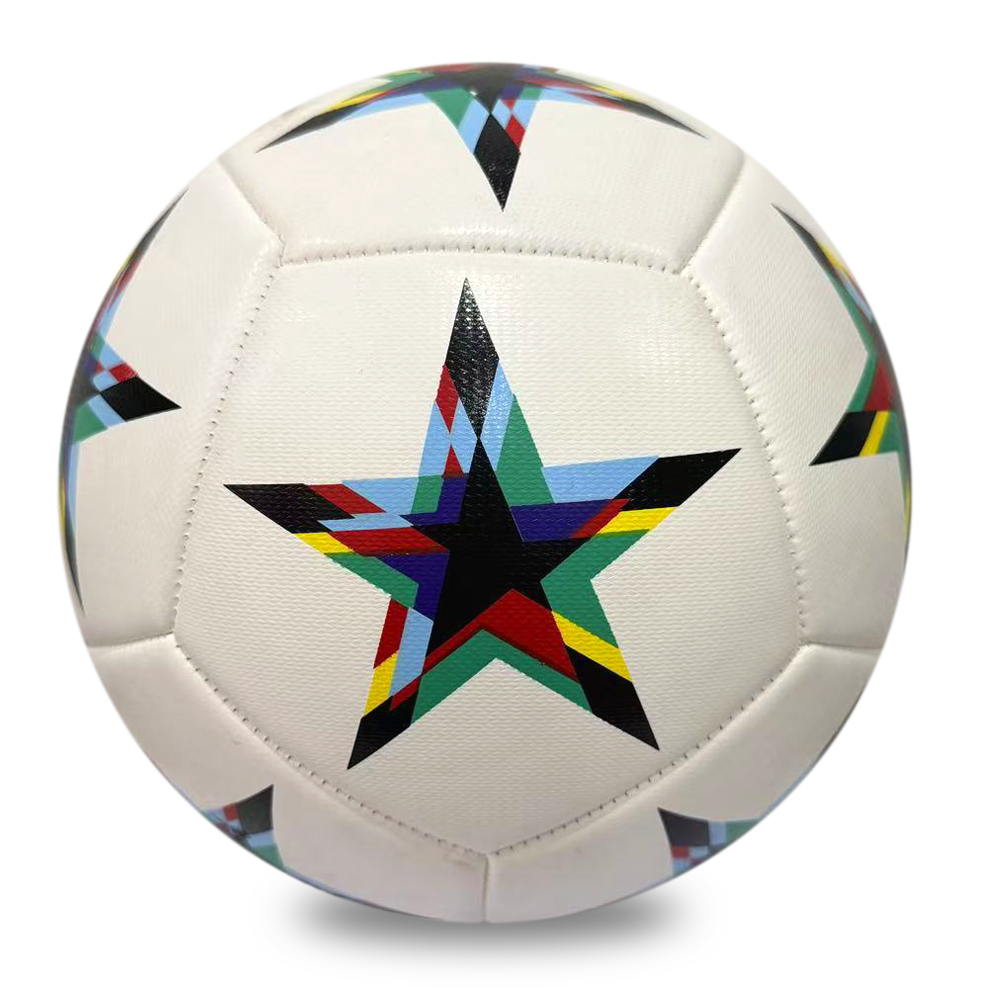
The size 4 soccer ball is specifically designed to match the physical and developmental needs of players in a transitional age group — typically those between 8 and 12 years old. At this stage of athletic growth, hand-eye coordination, foot-eye coordination, and spatial awareness are all advancing rapidly, and using a correctly sized ball can significantly influence how well those skills develop. This article explores what the size 4 soccer ball is used for in youth sports, why it exists as its own category, how it supports player development, and when programs should integrate it into their equipment plans.
Understanding the Size 4 Soccer Ball in the Broader Sizing System
Where the Size 4 Fits Within Standard Ball Categories
Soccer balls are officially categorized into sizes ranging from 1 through 5. Size 1 and size 2 balls are primarily skill trainers or novelty balls, often used for juggling practice or promotional purposes. Size 3 is the entry-level match ball used by children under age 8. Size 5 is the full-size ball used in adult and professional competition. The size 4 soccer ball bridges the gap between the introductory size 3 and the adult size 5, making it a purpose-built tool for middle-stage youth development.
A standard size 4 soccer ball measures between 25.5 and 26.5 inches in circumference and weighs between 350 and 390 grams. These dimensions are deliberately proportioned to suit the smaller stature and developing muscular strength of players aged 8 to 12. When a child in this age group practices with a ball that is too large or too heavy, the mechanics of their kicking, passing, and trapping techniques can be distorted, establishing poor habits that become harder to correct at later stages.
The size 4 soccer ball is recognized and mandated by major youth sports organizations as the appropriate ball for competition and training within this age group. Programs that bypass this sizing recommendation and use size 5 balls too early risk slowing skill acquisition, increasing the risk of overuse strain in young joints, and reducing overall enjoyment for players who struggle to control a ball that simply does not match their physical capabilities.
The Physical Proportions That Make Size 4 Ideal for Young Players
Young athletes between 8 and 12 years old are in a phase of rapid motor skill refinement. Their feet are growing, their stride patterns are stabilizing, and their capacity for technical instruction is peaking. A size 4 soccer ball fits naturally within the arc of a child's instep kick, allowing for cleaner contact mechanics and more accurate feedback during training. When a child strikes the ball correctly, the response they feel confirms proper technique, which is essential for building muscle memory.
The weight of the size 4 soccer ball also plays a crucial role. Because it is lighter than the adult size 5 ball, it allows young players to experiment with lofted passes, volleys, and first-touch control without placing excessive stress on developing knee and ankle joints. Coaches working with this age group frequently note that players show noticeably greater confidence and technical progress when they are working with a properly sized ball rather than one designed for older athletes.
Primary Uses of the Size 4 Soccer Ball in Youth Sports Programs
Competitive Match Play for the 8 to 12 Age Group
The most direct and standardized use of the size 4 soccer ball is in official match play for youth leagues serving players between ages 8 and 12. Whether the competition is recreational, club-level, or regional tournament play, governing bodies in youth soccer consistently specify this size for this age bracket. Using the correct ball during matches ensures that the game experience matches the developmental stage of the players, promotes fair competition, and aligns with the way skills have been practiced in training environments.
When a league or tournament switches to size 4 soccer ball specifications, coaches and players alike benefit from the consistency. Players who have trained with size 4 balls feel natural and confident during match conditions because their trained muscle responses directly translate to game situations. This consistency between training and competition is one of the defining values of using age-appropriate equipment throughout a program's structure.
Organizations managing multiple age-group teams should stock their equipment rooms with enough size 4 soccer ball units to support both practice sessions and match needs for this demographic. High-volume procurement from reliable manufacturing sources ensures that all players within the same program have access to consistent ball quality, which matters for fairness during internal scrimmages and team selection drills.
Technical Skill Development and Passing Drills
Beyond formal matches, the size 4 soccer ball is extensively used in structured training drills focused on passing accuracy, receiving and controlling the ball, dribbling through tight spaces, and short-range shooting technique. Coaches who design technical practice sessions for this age group rely on the specific dimensions of the size 4 ball to create exercises that challenge players appropriately without overwhelming them physically.
Passing drills, in particular, benefit greatly from the correct ball size. When a player delivers a ground pass with a size 4 soccer ball, the pace of the ball, the footwork required to generate that pace, and the trapping technique needed by the receiving player are all calibrated to the physical output of an 8 to 12 year old. Scaling these same drills with a size 5 ball distorts the effort-to-result relationship in ways that reinforce incorrect technique over time.
Shooting practice and goalkeeper training are also heavily dependent on using the correct ball. A size 4 soccer ball traveling toward a youth goalkeeper at a speed generated by a peer allows the goalkeeper to develop realistic reaction timing and positioning habits. Goalkeeping coaches in youth programs specifically emphasize using the right size ball so that the saves and positioning adjustments their players rehearse actually match what they will experience in matches.
Role of the Size 4 Soccer Ball in Long-Term Athlete Development
Building a Technical Foundation That Transfers to Adult Play
One of the most underappreciated aspects of proper ball sizing is its role in long-term athlete development. The years spent training with a size 4 soccer ball are among the most technically formative in a player's career. Players who receive quality coaching while working with correctly sized equipment during this phase typically develop cleaner technical fundamentals, better spatial awareness on the field, and stronger decision-making instincts than those who trained with improperly sized equipment.
The transition from size 4 to size 5 becomes much smoother when a player has mastered technical fundamentals on the smaller ball first. Because the size 4 soccer ball has conditioned their movement patterns, foot positioning, and striking mechanics at a proportionate scale, scaling up to the adult ball requires only physical adjustment rather than a wholesale re-learning of core techniques. This sequencing is intentional and forms the basis of structured youth development pathways used by professional academies around the world.
Programs that prioritize age-appropriate equipment investments report better player retention rates, higher enthusiasm for practice, and smoother skill progression curves across age groups. The size 4 soccer ball is not simply a smaller version of the adult ball — it is a purpose-engineered developmental tool that serves a specific and essential function in the broader framework of player growth.
Supporting Goalkeeper and Outfield Position Development Simultaneously
Youth development programs often run position-specific training sessions alongside general team practices. Both outfield players and goalkeepers in the 8 to 12 age bracket benefit from working exclusively with the size 4 soccer ball during all stages of position-specific training. For outfield players, the ball's proportions support the development of first touch, crossing accuracy, and weak-foot technique without placing the body under inappropriate physical demand.
For young goalkeepers, the size 4 soccer ball provides appropriately scaled shot trajectories and handling challenges. Catching, boxing, and parrying exercises all translate more effectively to match conditions when the ball being used matches what will be used in games. Coaches working with youth goalkeepers should be deliberate about this sizing requirement, as habits formed during early training tend to be deeply ingrained by the time players advance to the next competitive tier.
Procurement and Program Management Considerations for the Size 4 Soccer Ball
Volume Needs for Academies, Leagues, and School Programs
Youth sports organizations managing large programs face practical procurement decisions around the size 4 soccer ball. Academies, recreational leagues, school programs, and community sports centers all operate with different budget structures and storage capacities, but they share a common need for durable, consistent, and reasonably priced size 4 balls in sufficient quantities. A single practice session for one team might require anywhere from 10 to 20 balls, and running multiple teams simultaneously multiplies that requirement quickly.
High-volume procurement strategies for the size 4 soccer ball typically focus on sourcing from manufacturers that offer machine-stitched construction, which provides consistent panel alignment, reliable air retention, and cost-effective pricing for bulk orders. Machine-stitched size 4 balls offer a practical balance between performance and affordability for programs that need to equip large numbers of players without sacrificing the quality standards that directly affect training outcomes.
Organizations should also evaluate the durability characteristics of the size 4 soccer ball models they procure for high-frequency training use. Balls that are used daily across multiple sessions in different weather and surface conditions need to withstand repeated impact, maintain their shape, and hold air pressure consistently. Selecting the right construction specification during the procurement phase significantly reduces ongoing replacement costs and ensures that the training experience remains consistent throughout the season.
Matching Ball Quality to Program Level and Playing Surface
Not every size 4 soccer ball needs to meet match-quality specifications. Programs can strategically segment their ball inventory by use case, reserving higher-quality balls for match play and using durable training-grade balls for daily practice sessions. This tiered approach to procurement allows organizations to manage costs while ensuring that players always have access to match-appropriate equipment when it matters most.
Playing surface is another factor that should influence the size 4 soccer ball specifications chosen for a program. Artificial turf, natural grass, and indoor hard courts each place different demands on a ball's outer casing. Programs that operate across multiple surface types should ensure that their size 4 ball inventory includes models appropriate for each surface, as using a ball on the wrong surface accelerates wear and reduces performance predictability during training sessions.
Coaches and program directors who take a structured approach to size 4 soccer ball procurement — accounting for volume needs, quality tiers, and surface compatibility — create a more consistent and professionally managed training environment. This attention to equipment detail signals to players and parents alike that the program takes youth development seriously at every level, from coaching methodology down to the equipment that players handle every day.
FAQ
At what age should players start using a size 4 soccer ball?
Most youth soccer programs and governing bodies recommend transitioning players to a size 4 soccer ball at around age 8. Before this age, players typically use a size 3 ball, which better matches the body proportions and strength levels of younger children. The size 4 ball remains the standard for competitive play and structured training through age 12, after which players move on to the full-size adult size 5 ball.
Can a size 4 soccer ball be used for indoor youth soccer?
Yes, a size 4 soccer ball can be used in indoor youth soccer programs for players in the appropriate age range. However, for hard indoor surfaces, programs should look for size 4 models specifically designed or approved for indoor use, as these typically feature a lower-bounce outer casing that suits the faster pace of indoor play. Using a standard outdoor size 4 ball on indoor hard courts will accelerate surface wear and may affect ball response in ways that distort player training feedback.
How many size 4 soccer balls does a youth team typically need for training?
For effective training sessions, most youth coaches recommend having at least one size 4 soccer ball per player on the field. This allows for full participation in individual skill drills and reduces idle time during technical exercises. For a squad of 16 to 20 players, having 16 to 20 balls available for practice ensures that sessions run efficiently. Programs managing multiple teams benefit from bulk procurement strategies that maintain consistent ball quality across all squads.
Does ball quality affect skill development at the youth level?
Yes, ball quality does have a meaningful impact on skill development, even at the youth level. A size 4 soccer ball that maintains consistent air pressure, holds its round shape, and provides predictable surface response gives players reliable feedback during technical drills. Inconsistent or poorly constructed balls can produce unpredictable rebounds and irregular rolling behavior that makes it harder for young players to develop accurate passing, trapping, and shooting mechanics. Investing in reasonably constructed size 4 balls for daily training is a worthwhile decision for any serious youth development program.