
 EN
EN



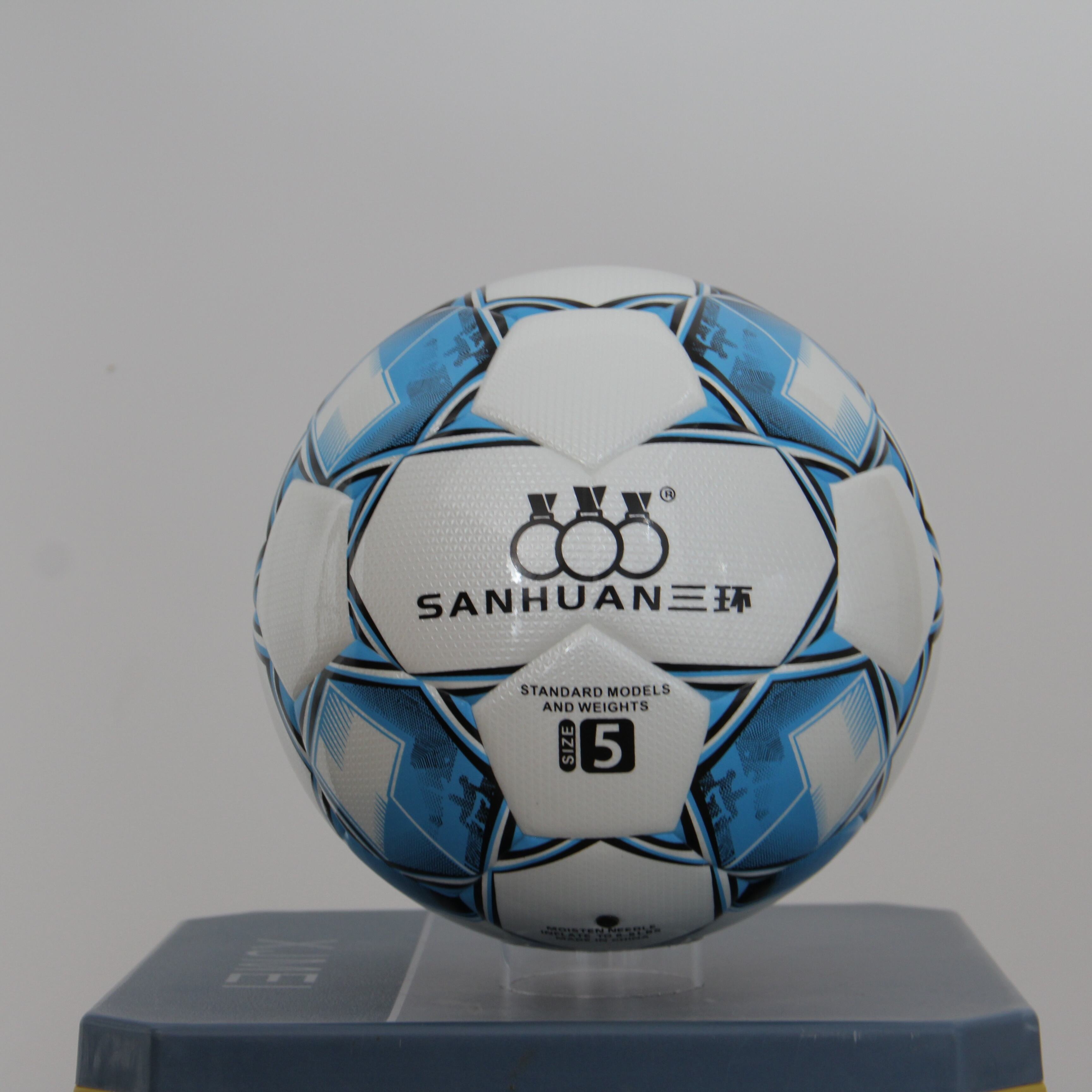
Player development in soccer is a highly nuanced process, and the equipment used during formative training years can have a lasting impact on a young athlete's technical skills, physical conditioning, and tactical understanding. One of the most critical yet often overlooked variables in youth soccer development is the size of the ball. Specifically, the size 4 soccer ball occupies a pivotal position in the progression from junior beginner to competitive intermediate player, bridging the gap between the smaller size 3 and the full adult size 5.
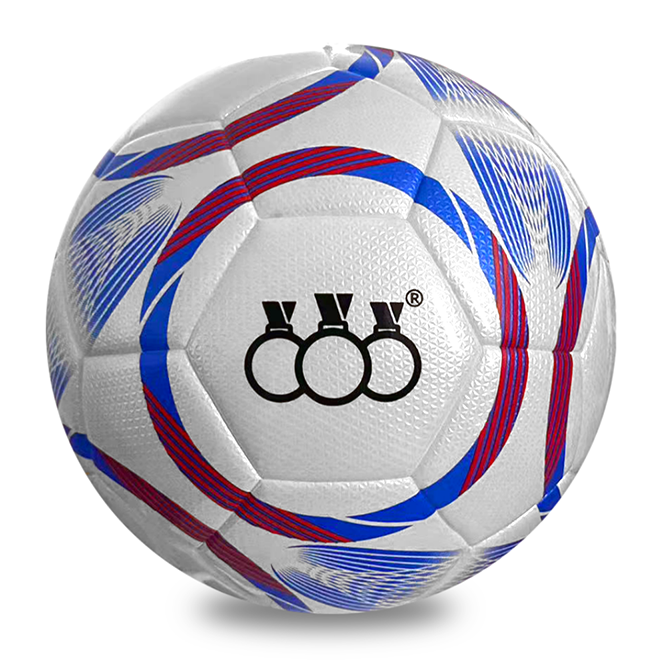
The size 4 soccer ball is officially recognized for use in youth soccer competitions for players aged roughly 8 to 12, though its training value extends beyond age categories. Understanding how this specific ball influences technical execution, physical coordination, and mental readiness offers coaches, parents, and clubs a more evidence-informed approach to structuring youth development programs. This article explores the direct and measurable ways the size 4 soccer ball shapes how young players grow within the game.
The Role of Ball Size in Youth Skill Acquisition
Why Equipment Dimensions Matter in Early-Stage Training
In skill-based sports, the proportionality between an athlete's body and their equipment is a fundamental factor in effective learning. When a young player uses equipment that is too large or too heavy, the body compensates by developing poor habits that can be difficult to reverse. The size 4 soccer ball is designed to align with the hand-eye-foot coordination range of players at the elementary and early intermediate developmental stage.
Using a size 4 soccer ball in training allows youth players to practice first touches, dribbling sequences, and short passing combinations with a level of control that a size 5 ball simply cannot offer at that age. The slightly reduced circumference and lower weight make it easier for smaller feet and shorter legs to manipulate the ball with precision, which directly accelerates skill acquisition. This is not just a matter of comfort — it is a matter of neuromotor programming.
When repeated movement patterns are trained using properly scaled equipment, the brain builds more accurate motor memory. In practical terms, players who consistently train with a size 4 soccer ball during their developmental window build a stronger foundation for the technical skills they will carry into higher-level competition.
Technical Skills Directly Influenced by Using a Size 4 Soccer Ball
The technical skills most directly influenced by the size 4 soccer ball are the foundational ones: trapping, passing, dribbling, and shooting. Each of these skills requires a specific relationship between the player's body mechanics and the ball's physical properties. When the ball is correctly sized, players can develop clean technical habits without overexerting compensatory mechanics.
Trapping, for example, depends heavily on a player's ability to cushion the ball upon arrival using the inside of the foot, thigh, or chest. A size 4 soccer ball provides enough mass to give realistic feedback without bouncing unpredictably out of control, which would happen with a size 3 ball used by players in higher intensity settings. This feedback loop between player action and ball response is what trains instinctive ball control over time.
Short passing accuracy also benefits significantly. Players aged 8 to 12 who train with a size 4 soccer ball develop the muscle memory required to weight passes correctly, adjust for ground conditions, and understand angles of distribution — skills that transfer directly to adult-level play when the progression to size 5 is made.
Physical Development and the Size 4 Soccer Ball
How the Ball Influences Muscular and Biomechanical Development
Physical development in young soccer players is shaped not only by drills and fitness regimens but also by the repeated biomechanical patterns they execute during ball work. The size 4 soccer ball, due to its weight and circumference specifications, requires a specific force output from the foot and leg when striking, passing, or shooting. This level of force is calibrated for the musculature of youth players at the appropriate developmental stage.
Using a size 5 ball too early can place excessive stress on the knee joints, hip flexors, and ankle tendons of young players, as they must generate unnatural force to achieve meaningful outcomes. Over time, this misalignment between physical capacity and equipment demand can result in chronic overuse injuries. The size 4 soccer ball minimizes this risk while still challenging players sufficiently to promote muscular development.
Balance and proprioception — the body's ability to sense its own position and movement in space — are also trained through repeated interaction with the ball. A size 4 soccer ball's proportionality to the youth player's foot encourages natural weight distribution and balance when dribbling, which builds the core stability and lower limb coordination that underpin all higher-level athletic performance.
Coordination and Agility Gains Attributed to Proper Ball Sizing
Agility in soccer is not simply about speed — it is about the ability to change direction efficiently while maintaining control of the ball. Training with a size 4 soccer ball during the phase when coordination systems are most neurologically plastic gives young players the best opportunity to internalize agile movement patterns.
The relationship between footwork and ball control is more easily mastered when the ball fits naturally within the player's range of motion. Coaches working with players in the 8 to 12 age group consistently report faster technical progression when the size 4 soccer ball is used correctly in small-sided games, rondos, and technical circuit training. These are the environments where coordination improvements are most rapidly consolidated.
Furthermore, the size 4 soccer ball provides a more predictable bounce trajectory on standard playing surfaces, which helps players develop anticipatory skills. Reading the bounce, adjusting body position, and executing a clean touch requires repetitive experience with a consistent ball format — another reason why developmental associations worldwide have standardized this ball size for this age group.
Cognitive and Tactical Development Through the Size 4 Soccer Ball
Decision-Making Speed and In-Game Awareness
Technical execution and physical coordination are only two pillars of soccer development. Cognitive development — particularly decision-making under pressure — is equally important, and the size 4 soccer ball plays an indirect but meaningful role in this area as well. When players are not struggling to control an oversized ball, mental bandwidth is freed up to focus on reading the game, identifying space, and making decisions.
Young players who consistently train with a properly scaled size 4 soccer ball are better positioned to lift their heads, scan for teammates, and process tactical information during live play. This is because ball control has become semi-automatic through practice, allowing conscious attention to shift toward higher-order game understanding. It is a progression that mirrors how expert performers in any field move from deliberate processing to intuitive execution.
Tactical concepts like pressing, off-ball movement, and switching play are more effectively learned when the ball is not a barrier to participation. The size 4 soccer ball, by being appropriately manageable, allows young players to engage with tactical concepts earlier and more meaningfully in their development journey.
Confidence and Psychological Readiness
The psychological dimension of player development is frequently underestimated. Confidence is built through positive repetition — through the experience of controlling the ball successfully, making a pass that reaches its target, or scoring from a well-struck shot. The size 4 soccer ball enables these success moments to happen more frequently for players who are developmentally matched to it.
When players consistently experience competence with the ball, intrinsic motivation increases. They are more likely to engage in deliberate practice voluntarily, to push through challenges, and to develop a growth mindset toward their soccer abilities. This psychological trajectory, initiated through something as practical as using the right ball size, has long-term implications for how far a player progresses in the sport.
Conversely, youth players forced to use a size 5 ball prematurely often struggle with visible frustration, loss of confidence, and a tendency to avoid ball contact during games. The size 4 soccer ball, as a developmental tool, protects the motivational foundation upon which long-term participation and elite progression are built.
Transitioning From the Size 4 Soccer Ball to a Size 5
Knowing When the Progression Is Ready to Happen
One of the most important decisions in a young player's development path is when to transition from the size 4 soccer ball to the full-size 5. This transition is not purely age-based — it depends on technical readiness, physical maturation, and the competitive level at which the player is participating. Coaches should look for consistent, confident control across a wide range of technical skills before initiating this progression.
Players who have fully internalized the foundational mechanics using a size 4 soccer ball — clean first touch, accurate short and medium passing, composed dribbling in tight spaces, and a reliable shooting technique — are generally ready for the transition. Attempting this move before those benchmarks are met risks undoing technical habits that took months of proper training to establish.
Most governing football associations recommend the transition to size 5 at approximately age 12 to 13, which aligns with the entry into junior competitive league formats. This timing has been developed based on both physiological research and longitudinal analysis of youth player performance data, reinforcing the importance of the size 4 soccer ball as the development tool of choice in the preceding years.
How Proper Size 4 Foundations Accelerate Size 5 Adoption
Players who have trained extensively and correctly with a size 4 soccer ball during their development window tend to adapt to the size 5 more quickly and with fewer technical regressions. The motor programs established through consistent size 4 training are close enough in mechanical demand that only modest adjustments are needed when switching up.
This is in stark contrast to players who were inadequately prepared — those who jumped to the size 5 too early or trained inconsistently with properly scaled equipment. These players often experience noticeable performance drops when entering higher-level formats, as their underlying technical habits are not robust enough to handle the additional demands of the larger ball.
In this sense, the size 4 soccer ball is not just a training tool for the present — it is an investment in the quality of a player's future performance. Clubs and academies that take this seriously report more consistent player output from their youth pipelines and lower rates of technical regression during the transition to adult formats.
FAQ
What age group is the size 4 soccer ball designed for?
The size 4 soccer ball is officially recommended for players aged approximately 8 to 12. This range corresponds to a key period of physical and neurological development during which properly scaled equipment has the greatest impact on skill acquisition and movement pattern formation. Some governing bodies apply it specifically to under-9 through under-12 age categories in competitive play.
Can a size 4 soccer ball be used for indoor training as well as outdoor play?
Yes, the size 4 soccer ball is suitable for both indoor and outdoor training environments. Its dimensions make it manageable in tighter spaces like indoor halls and futsal courts, which can actually enhance technical training by demanding more precise control. The ball's specifications remain consistent across surface types, making it a versatile training tool throughout the developmental stage.
How does training with the wrong ball size affect a youth player's long-term development?
Training consistently with an incorrectly sized ball — either too large or too small — can result in the internalization of compensatory movement patterns that are difficult to correct later. Using a size 5 ball too early may lead to muscle strain, poor technique under fatigue, reduced confidence, and slower skill development. The size 4 soccer ball exists precisely to prevent these outcomes during the most formative years of a player's career.
Should coaches use a size 4 soccer ball in all training drills for the 8 to 12 age group?
In general, yes — the size 4 soccer ball should be the primary ball used for technical training, small-sided games, and match play within this age group. There may be specific physical conditioning or goalkeeping exercises where a different size is temporarily used, but for all technical and tactical development work, consistently using the size 4 soccer ball ensures that the feedback and mechanics players experience in training closely mirror what they will face in competitive situations.
Table of Contents
- The Role of Ball Size in Youth Skill Acquisition
- Physical Development and the Size 4 Soccer Ball
- Cognitive and Tactical Development Through the Size 4 Soccer Ball
- Transitioning From the Size 4 Soccer Ball to a Size 5
-
FAQ
- What age group is the size 4 soccer ball designed for?
- Can a size 4 soccer ball be used for indoor training as well as outdoor play?
- How does training with the wrong ball size affect a youth player's long-term development?
- Should coaches use a size 4 soccer ball in all training drills for the 8 to 12 age group?