
 EN
EN



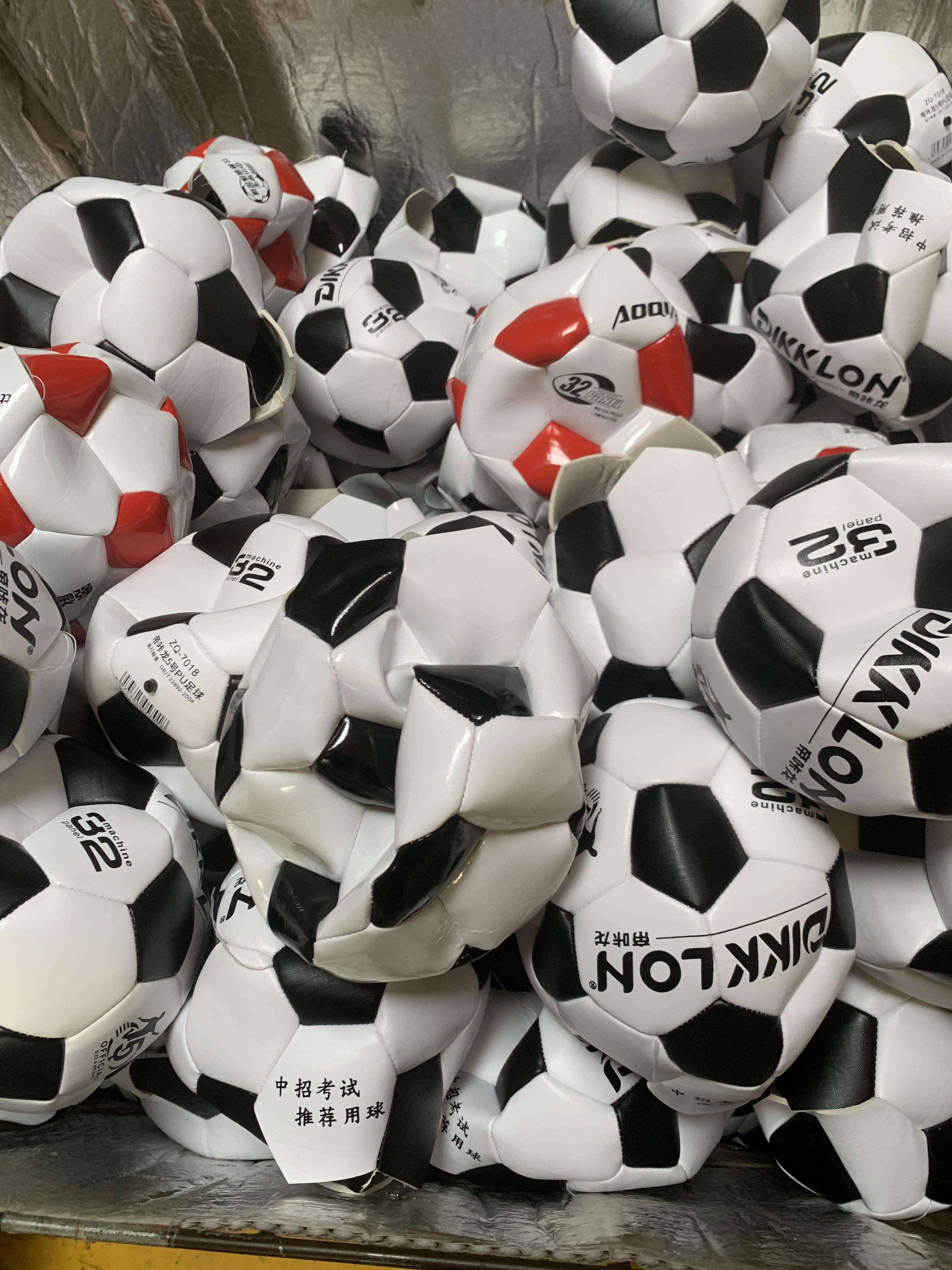
Futsal represents a distinct form of association football that has evolved into a globally recognized sport with its own identity, rules, and competitive structure. Originating in Uruguay during the 1930s, futsal was designed to be played indoors on hard court surfaces with a smaller, low-bounce ball and fewer players per team. Unlike outdoor soccer played on grass fields with eleven players per side, futsal emphasizes technical skill, quick decision-making, and spatial awareness in a confined playing area. The sport has gained substantial traction across South America, Europe, and increasingly in Asia and North America, serving both as a standalone competitive discipline and as a development tool for soccer players seeking to refine their ball control and tactical intelligence.
Understanding what futsal is requires examining its foundational principles, playing environment, and regulatory framework. The sport operates under specific rules governed by FIFA, which distinguish it clearly from traditional outdoor soccer. These differences extend beyond mere field dimensions to encompass ball specifications, player contact regulations, substitution procedures, and match duration. For coaches, athletes, and sporting goods professionals, recognizing these distinctions is essential for proper equipment selection, training methodology development, and competitive preparation. This comprehensive exploration clarifies the defining characteristics of futsal and systematically contrasts them with conventional soccer to provide actionable knowledge for participants and industry stakeholders alike.
Defining Characteristics of Futsal
Playing Surface and Court Dimensions
Futsal is conducted exclusively on hard court surfaces, typically made of wood, synthetic materials, or polished concrete, which fundamentally alters the dynamics of ball movement and player interaction compared to grass or artificial turf. The standard court dimensions range from 25 to 42 meters in length and 16 to 25 meters in width for international matches, with FIFA recommending 40 meters by 20 meters as the optimal specification. This significantly reduced playing area compared to soccer fields, which measure between 90 and 120 meters in length and 45 to 90 meters in width, creates a compressed tactical environment where space is at a premium. The hard surface eliminates the unpredictable bounces and friction variations associated with natural grass, demanding precise ball control and immediate responsiveness from players.
The court boundaries in futsal are marked by touchlines and goal lines rather than the sidelines and end lines of soccer fields, with the ball remaining in play until it completely crosses these lines. There are no barriers or boards surrounding the court perimeter, meaning the ball goes out of bounds frequently, leading to kick-ins rather than throw-ins. Goal dimensions in futsal measure 3 meters wide by 2 meters high, substantially smaller than the 7.32 by 2.44-meter goals used in soccer, which places greater emphasis on shooting accuracy and goalkeeper positioning. The penalty area extends 6 meters from the goal line, and a second penalty mark is positioned 10 meters from the goal for accumulated fouls, creating unique strategic considerations for both attacking and defending teams.
Ball Specifications and Handling Properties
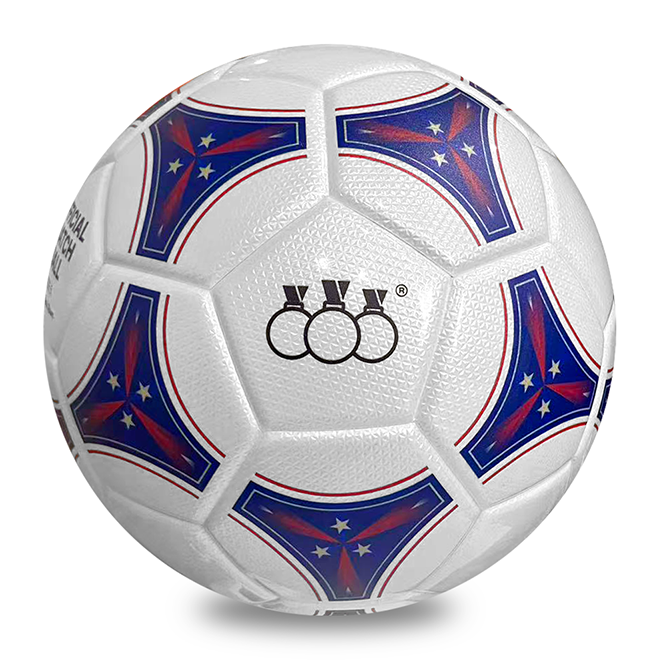
The futsal ball represents one of the most distinctive elements separating the sport from soccer, engineered specifically for reduced bounce and enhanced control on hard surfaces. A regulation futsal ball is size 4, slightly smaller than the size 5 ball used in adult soccer, with a circumference of 62 to 64 centimeters and a weight between 400 and 440 grams at the start of the match. The critical differentiator lies in the ball's reduced bounce characteristics, achieved through a foam-filled or low-pressure bladder construction that limits rebound height to no more than 65 centimeters when dropped from 2 meters, compared to soccer balls that typically bounce to approximately 135 centimeters under similar conditions. This reduced bounce forces players to rely on technical skill rather than allowing the ball's momentum to carry play forward.
The construction of quality futsal balls emphasizes durability and consistent performance across varied indoor surfaces, with manufacturers utilizing thermo-bonded panel technology and specialized synthetic leather materials to ensure shape retention and predictable flight characteristics. The lower bounce coefficient compels players to maintain closer ball contact, execute more frequent touches, and develop superior first-touch control compared to outdoor soccer environments where the ball's natural bounce can be utilized to cover distance. This equipment specification directly influences playing style, encouraging ground-based passing combinations and technical dribbling over long aerial passes or high balls that characterize much of traditional soccer play.
Team Composition and Player Roles
Futsal teams consist of five players on the court at any given time, including one designated goalkeeper, which creates a 4-to-1 field player ratio compared to soccer's 10-to-1 configuration. This reduced player count dramatically increases individual involvement in play, with each player touching the ball more frequently and being required to participate in both offensive and defensive phases continuously throughout the match. The compact team structure eliminates specialized positional roles to a significant degree, demanding versatility and comprehensive skill development from all field players. While tactical formations do exist in futsal, such as the diamond, square, or Y-shaped alignments, players must be comfortable operating across multiple zones and fulfilling various functions as play transitions rapidly.
Substitutions in futsal occur on a rolling basis without stoppage of play, similar to ice hockey, allowing teams to maintain fresh legs and tactical flexibility throughout the match. There is no limit to the number of substitutions a team may make during a game, enabling coaches to rotate players strategically based on match situations, fatigue levels, or opponent adjustments. This unlimited substitution policy fundamentally changes game management compared to soccer, where substitution limits range from three to five depending on competition rules. The goalkeeper in futsal functions as an active outfield player when their team possesses the ball in attacking situations, often receiving back passes and initiating build-up play, which is restricted in soccer where goalkeepers cannot handle deliberate back passes from teammates' feet.
Rule Variations Between Futsal and Soccer
Match Duration and Timing Regulations
A standard futsal match consists of two 20-minute periods of running time, totaling 40 minutes of actual play, which contrasts sharply with soccer's two 45-minute halves for a total of 90 minutes. The clock in futsal stops whenever the ball goes out of play, during substitutions, after goals, and for any other stoppages, ensuring that the full 40 minutes represent active playing time. This stopped-clock format mirrors basketball and hockey rather than soccer's continuous-clock approach where stoppage time is added at the referee's discretion. Each team is permitted one timeout per half, lasting 60 seconds, during which coaches can provide tactical instructions and players can receive hydration—a feature entirely absent from soccer regulations.
The time management system in futsal creates a faster-paced game environment with higher intensity periods, as players understand that clock manipulation through time-wasting tactics is ineffective. Throw-ins and kick-ins must be executed within four seconds of the referee's signal, and goalkeepers have four seconds to release the ball after controlling it in their penalty area, preventing the deliberate delay tactics sometimes employed in soccer. This emphasis on continuous action and minimal interruption aligns with the sport's indoor entertainment context, where spectators expect constant engagement and rapid transitions between defensive and offensive phases. The reduced total match time also allows for multiple games to be scheduled in tournament formats within a single day, increasing competitive density and player development opportunities.
Foul Accumulation and Free Kick Procedures
Futsal implements a cumulative foul system that fundamentally alters defensive tactics and physical play compared to soccer's individual yellow and red card approach. Each team is allowed five direct free kicks per half before accumulated fouls trigger additional penalties, with the sixth and subsequent fouls in a half resulting in a direct free kick from the second penalty mark without a defensive wall. Direct fouls include kicking, tripping, jumping at, charging, striking, pushing, holding, spitting at an opponent, handling the ball deliberately, or tackling an opponent to gain possession. This accumulated foul rule discourages aggressive physical defending and promotes technical defensive positioning, as teams must carefully manage their foul count throughout each period.
When a team commits fewer than six accumulated fouls in a half, opponents may position a defensive wall at least five meters from the ball during free kicks, similar to soccer protocols. However, once the sixth accumulated foul occurs, the defending team forfeits wall privileges, and the attacking team receives a direct shot from 10 meters with only the goalkeeper as protection. This creates significant strategic pressure on defending teams to maintain disciplined tackling and avoid unnecessary contact in dangerous areas. Unlike soccer where free kicks can be taken quickly to catch opponents disorganized, futsal requires a referee's whistle before the kick is executed for accumulated fouls, allowing both teams to set their positions properly. The ball must be stationary when kicked, and the kicker cannot touch the ball again until another player has made contact, rules consistent with soccer but applied in a context where scoring opportunities from set pieces carry magnified importance.
Offside Rules and Spatial Restrictions
One of the most significant rule differences between futsal and soccer is the complete absence of offside in the indoor variant, fundamentally changing attacking strategies and defensive organization. In soccer, the offside law prevents attacking players from positioning themselves closer to the opponent's goal than both the ball and the second-to-last defender when the ball is played forward, restricting deep runs and forcing defenses to maintain a coordinated line. The elimination of offside in futsal allows attackers to position themselves anywhere on the court, including directly in front of the opponent's goal, without penalty. This creates constant numerical threats in dangerous areas and requires defenders to maintain individual marking responsibility rather than relying on an offside trap.
The absence of offside encourages a more dynamic attacking philosophy in futsal, with forwards frequently checking into deep positions before spinning and running in behind the defense, secure in the knowledge that their positioning cannot be penalized. Defenders must maintain constant awareness of potential threats across all zones simultaneously, as attackers can legally occupy goal-side positions throughout the entire match. This spatial freedom results in higher-scoring games and places premium value on goalkeeper shot-stopping ability and defender recovery speed. The tactical implications extend to transition play, where quick outlet passes to advanced positions can immediately create scoring chances without the delay required in soccer to ensure attackers remain onside. This rule distinction makes futsal particularly attractive for developing forward movement patterns and exploiting defensive gaps in confined spaces.
Tactical and Technical Distinctions
Pressing Intensity and Defensive Strategies
The compressed playing area in futsal creates an environment where pressing and counter-pressing occur with far greater intensity and frequency than in outdoor soccer. With only five players defending a space roughly one-tenth the size of a soccer field, defending teams can apply immediate pressure on the ball carrier from multiple angles, forcing quicker decision-making and increasing turnover rates. Defensive systems in futsal typically employ man-marking principles with zonal awareness, as the limited space makes pure zonal defending vulnerable to quick rotations and overloads. Teams often implement aggressive forechecking strategies, attempting to win possession in the attacking third rather than dropping into deep defensive blocks, since the goalkeeper serves as an additional outfield option capable of relieving pressure through distribution.
The accumulated foul rule significantly influences defensive tactics in futsal, requiring defenders to prioritize positioning and anticipation over physical challenges. Teams cannot afford to commit reckless fouls in dangerous areas, as reaching the six-foul threshold exposes them to direct free kicks without defensive walls for the remainder of the half. This constraint forces defenders to develop superior reading of play, body positioning, and tactical fouling awareness, committing infractions strategically only when absolutely necessary to prevent clear scoring opportunities. In contrast, soccer defenders have greater latitude to commit tactical fouls without immediate team-wide consequences, provided they avoid individual cards. The futsal defensive requirement for technical excellence over physical imposition creates a skill development environment particularly valuable for youth players transitioning between both sports.
Passing Patterns and Ball Circulation
Ball circulation in futsal occurs at significantly higher velocities with shorter passing distances compared to soccer, driven by the proximity of opponents and the need to exploit limited space before defensive recovery. Teams typically complete 150 to 200 passes per game in futsal, with average pass distances of 3 to 8 meters, whereas soccer teams might complete similar pass volumes but over distances averaging 10 to 20 meters across a much larger field. The emphasis on short, rapid passing combinations develops exceptional first-touch control and decision-making under pressure, as receiving players have minimal time to assess options before opponents close down space. The low-bounce ball characteristics demand precise weight on passes, as balls cannot skip across the surface or use bounce to carry through tight spaces.
The absence of throw-ins in futsal, replaced by kick-ins that must be executed within four seconds, maintains possession pressure and prevents the extended build-up sequences common in soccer restarts. Teams utilize various passing patterns including give-and-goes, third-man runs, and parallel combinations to break down compact defenses, with constant rotation of players creating passing angles and pulling defenders out of position. The goalkeeper's active participation as a fifth outfield player when in possession adds a numerical advantage that skilled teams exploit through back passes and circulation behind pressure, a tactical option unavailable in soccer where goalkeepers function as pure shot-stoppers. These passing dynamics make futsal an exceptional training environment for developing combination play and spatial awareness that transfers effectively to outdoor soccer contexts.
Shooting Technique and Finishing Demands
Shooting technique in futsal emphasizes placement, disguise, and quick release over raw power, as the smaller goal dimensions and reduced shooting distances demand precision finishing. Most shots in futsal occur from 8 to 15 meters, compared to soccer's typical shooting range of 15 to 25 meters, with goalkeepers positioned closer and able to cover more of the goal frame. The low-bounce ball properties eliminate the dipping or swerving trajectories achievable with standard soccer balls, requiring shooters to rely on accurate placement into corners or deceptive body positioning to wrong-foot goalkeepers. The hard court surface enables various finishing techniques including toe pokes, sole rolls, and drag-back shots that would be impractical on grass surfaces where ball friction is inconsistent.
The higher game tempo and increased possession turnover rates in futsal create more frequent shooting opportunities, with competitive matches often featuring 20 to 35 shot attempts per team compared to soccer's typical 10 to 20 shots per game. This volume of finishing chances accelerates shooter development and confidence, as players receive immediate feedback on technique adjustments within compressed timeframes. The accumulated foul system also generates set-piece shooting opportunities from the second penalty mark, where shooters face one-on-one confrontations with goalkeepers without defensive interference, similar to penalty kicks in soccer but occurring multiple times per match. These finishing repetitions under game pressure make futsal particularly effective for developing composure and execution quality in goal-scoring situations that translate directly to soccer performance.
Physical and Athletic Demands
Movement Patterns and Metabolic Demands
The physiological demands of futsal differ substantially from soccer due to the sport's higher intensity, shorter duration, and greater change-of-direction frequency. Players in futsal typically cover 3 to 5 kilometers during a 40-minute match compared to soccer's 9 to 13 kilometers over 90 minutes, but the movement intensity per minute is significantly elevated. The confined playing area requires constant acceleration, deceleration, lateral shuffling, and explosive directional changes, engaging anaerobic energy systems more heavily than the aerobic endurance emphasized in soccer. Heart rate studies indicate futsal players maintain 85 to 95 percent of maximum heart rate during active playing periods, with brief recovery intervals during substitutions and stoppages.
The unlimited substitution policy in futsal allows players to maintain maximum intensity during their on-court periods, similar to shift patterns in ice hockey, whereas soccer players must pace themselves across 90 minutes with limited substitution availability. This difference creates distinct conditioning requirements, with futsal demanding superior anaerobic capacity, explosive power, and rapid recovery ability, while soccer emphasizes aerobic endurance and sustained output over extended periods. The increased frequency of high-intensity actions in futsal—sprints, jumps, tackles, and shots—results in greater muscular fatigue and metabolic stress per minute of play, requiring specific training protocols that emphasize interval conditioning and power development rather than steady-state endurance common in soccer preparation.
Injury Patterns and Contact Dynamics
Injury epidemiology in futsal reveals distinct patterns compared to soccer, influenced by the hard playing surface, increased physical density, and contact frequency. Lower extremity injuries predominate in both sports, but futsal shows higher rates of ankle sprains, knee ligament strains, and foot contusions due to the unforgiving court surface and rapid direction changes on non-yielding flooring. The absence of studs or cleats on indoor footwear reduces the rotational torque that causes anterior cruciate ligament tears in soccer, but the friction coefficient of rubber soles on polished surfaces creates different biomechanical stress patterns. Contact injuries occur more frequently in futsal due to the proximity of players and frequency of physical challenges in confined spaces, though the accumulated foul system moderates the severity of challenges compared to soccer where tactical fouling is more prevalent.
The ball's harder construction and reduced bounce in futsal create unique impact injury risks, particularly facial contusions and hand injuries when players attempt to block shots or protect themselves during play. Goalkeepers in futsal face more frequent and closer-range shots than their soccer counterparts, increasing exposure to ball impact injuries despite the smaller goal dimensions. The sport's faster pace and constant engagement mean players have less recovery time between high-intensity actions, potentially increasing overuse injury risk if training loads and match schedules are not properly managed. Understanding these injury pattern differences is essential for medical staff, coaches, and equipment specialists working across both futsal and soccer environments, as prevention strategies and protective equipment requirements vary according to each sport's specific demands.
Development Pathways and Skill Transfer
Youth Development Benefits and Technical Formation
Futsal has gained widespread recognition as an exceptional development tool for youth soccer players, with many professional soccer organizations incorporating futsal training into their academy structures. The increased ball touches per player—estimated at 600 to 800 percent more than equivalent soccer sessions—accelerate technical skill acquisition, particularly in first touch, close control, and rapid decision-making. The confined space and constant pressure environment force young players to develop solutions under duress, building problem-solving capacity and tactical intelligence that transfers effectively to the larger soccer environment. Many of the world's elite soccer players, including numerous FIFA World Cup and Ballon d'Or winners, credit their technical foundation to extensive futsal participation during formative years.
The absence of offside in futsal encourages creative movement patterns and attacking initiative without the spatial restrictions imposed by soccer's offside law, allowing young players to experiment with forward runs and position rotations freely. The smaller team size ensures every player must defend and attack rather than specializing in narrow positional roles, promoting well-rounded skill development across all game phases. The low-bounce ball demands quality contact on every touch, as poor technique is immediately exposed and punished in the fast-paced futsal environment where opponents capitalize on mistakes instantly. These developmental advantages make futsal particularly valuable during the critical skill acquisition phase from ages 6 to 14, when neuromuscular plasticity and technical learning capacity are at their peak.
Professional Pathways and Competitive Structures
While futsal originated as a recreational alternative to soccer, the sport has evolved into a professional discipline with its own competitive structures, including the FIFA Futsal World Cup, continental championships, and domestic professional leagues across numerous countries. Top-level futsal players are specialized athletes who train exclusively for the indoor game, developing skills and tactical understanding specific to futsal rather than treating it as supplementary training for soccer. Professional futsal leagues exist in Spain, Brazil, Italy, Russia, Japan, and many other nations, offering career pathways for athletes who excel in the sport's unique demands. The wage structures and commercial opportunities in professional futsal, while generally lower than elite soccer, provide viable athletic careers for thousands of players worldwide.
The skill transfer between futsal and soccer operates bidirectionally but asymmetrically, with technical abilities developed in futsal translating more readily to soccer than soccer-specific skills apply to futsal. Soccer players entering futsal must adjust to the faster decision-making tempo, tighter spaces, and elimination of offside, while futsal players transitioning to soccer must adapt to larger distances, lower ball contact frequency, and positional specialization requirements. Many soccer players utilize futsal during off-seasons or as supplementary training to maintain touch and sharpness, while some retired soccer professionals extend their careers in professional futsal leagues. Understanding this relationship helps sporting goods manufacturers, coaches, and facility operators position futsal appropriately within the broader football development ecosystem, recognizing its value both as a standalone sport and as a complementary training modality.
FAQ
How many players are on a futsal team during play?
A futsal team has five players on the court during active play, consisting of four outfield players and one goalkeeper. This is significantly fewer than soccer's eleven players per side. Teams can make unlimited substitutions throughout the match on a rolling basis without stopping play, allowing for strategic player rotation and maintaining high intensity throughout the game. The reduced player count increases individual involvement and ensures every player participates actively in both defensive and offensive phases.
Can goalkeepers handle back passes in futsal?
Yes, goalkeepers in futsal can handle back passes from their teammates, which differs from soccer where goalkeepers cannot pick up deliberate passes played with the foot. However, once the futsal goalkeeper controls the ball with their hands, they have only four seconds to release it either by throwing or kicking. The goalkeeper can also receive passes and play as an outfield player outside their penalty area, actively participating in build-up play and providing a numerical advantage when their team has possession.
Why does futsal not have an offside rule?
Futsal eliminates the offside rule to maintain continuous action and attacking flow in the confined playing space. The smaller court dimensions and five-player format make offside enforcement impractical and unnecessary, as defenders can more easily track opponents across the limited area. This absence encourages constant movement, creative positioning, and dynamic attacking strategies, as players can position themselves anywhere on the court without restriction. The rule simplification also makes the game more accessible for recreational players while increasing scoring opportunities and entertainment value.
What makes the futsal ball different from a regular soccer ball?
The futsal ball is specifically designed with reduced bounce characteristics, achieved through foam filling or low-pressure construction that limits rebound to approximately 65 centimeters when dropped from 2 meters, compared to soccer balls that bounce to about 135 centimeters. This design forces players to maintain closer ball control and develop superior technical skills. The futsal ball is also slightly smaller (size 4 versus size 5 for adult soccer) and weighs similarly to a soccer ball but behaves very differently on hard indoor surfaces, requiring precise touch and eliminating reliance on the ball's natural bounce to carry play forward.