
 EN
EN


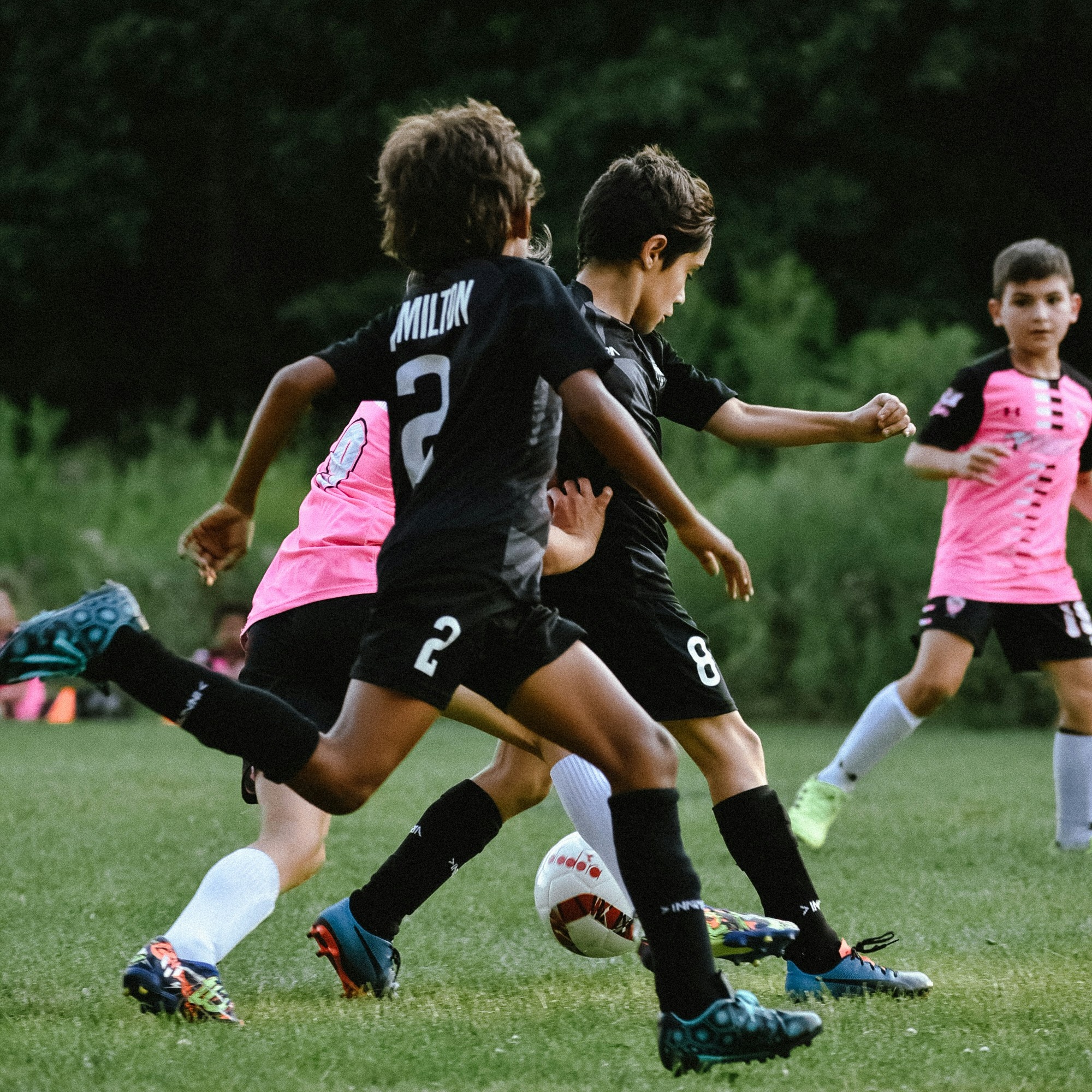
Selecting the right soccer ball is far more complex than grabbing the first option off a shelf. Whether you're a recreational player, a competitive athlete, or managing a team, understanding the critical factors that define soccer ball quality and performance will directly impact your game. A soccer ball must meet specific standards for construction, durability, and play characteristics to deliver consistent performance across different field conditions and usage scenarios. The wrong choice can lead to frustration, poor ball control, reduced accuracy, and unnecessary wear on your feet and legs during training or competition.

This comprehensive guide walks you through the essential considerations for choosing a soccer ball that aligns with your skill level, intended use, and performance expectations. From panel construction and material composition to pressure standards and surface texture, each element plays a vital role in how a soccer ball behaves during play. By evaluating these factors systematically, you can make an informed decision that ensures you're investing in a soccer ball built for durability, consistency, and optimal performance in your specific context.
Panel Design and Construction Quality
Understanding Panel Configuration
The number of panels on a soccer ball directly influences its aerodynamics, accuracy, and durability. Traditional designs feature 32 panels arranged in a pentagonal and hexagonal pattern, while modern soccer ball designs often use 6, 8, 12, or 20 panels. A soccer ball with fewer panels typically offers better aerodynamics and flight stability, making it ideal for competitive play. Conversely, a soccer ball with more panels provides greater surface area contact and can deliver more predictable touch characteristics during ball handling and shooting. When evaluating a soccer ball, examine the panel configuration carefully, as this single feature significantly affects how the ball responds to your touch and movement through the air.
Stitching and Bonding Methods
The method used to assemble a soccer ball determines its longevity and water resistance. Hand-stitched soccer balls offer traditional craftsmanship and durability but can develop seam weaknesses over time, particularly in wet conditions. Thermally bonded soccer balls use heat fusion technology to fuse panels together seamlessly, creating a water-resistant and longer-lasting soccer ball. Hybrid construction combines both stitching and bonding for balanced performance. A high-quality soccer ball should feature consistent, tight seams or strong thermal bonds with no visible gaps. This construction method directly affects how long your soccer ball will maintain its shape, air retention, and playability throughout its lifespan, making it a critical factor in your selection process.
Material Composition and Performance Standards
Outer Cover Materials
The outer covering of a soccer ball determines touch quality, durability, and performance in various weather conditions. Premium soccer ball options use synthetic leather or polyurethane covers that offer excellent ball control, weather resistance, and longevity. Natural leather provides authentic feel and superior touch but requires more maintenance and deteriorates faster in wet environments. For most players, a soccer ball with a synthetic leather cover strikes the optimal balance between affordability, durability, and playability. The cover thickness and material quality directly influence how a soccer ball responds to your foot during passing, shooting, and receiving. Thicker covers typically last longer, while specialized coating on a soccer ball can enhance grip even in rainy conditions, making material selection essential for consistent performance.
Inner Bladder and Pressure Specifications
A soccer ball's inner bladder, typically made from butyl rubber or latex, maintains air pressure and impacts ball responsiveness. Butyl bladders in a soccer ball offer superior air retention and durability, making them ideal for frequent use and competitive play. Latex bladders provide excellent touch and feel but require more frequent re-inflation. Official soccer ball standards mandate specific pressure ranges, typically between 0.6 and 1.1 bars or 8.5 to 15.6 pounds per square inch. Checking your soccer ball's pressure regularly ensures consistent performance and extends bladder life. A soccer ball that maintains pressure well indicates quality bladder construction and overall craftsmanship, which directly correlates with sustained playability and value for your investment.
Size, Weight, and Application-Specific Selection
Official Size Standards and Age Appropriateness
Soccer ball sizes range from size 1 through size 5, with each designated for specific age groups and skill levels. A soccer ball in size 3 suits children under eight years old, while size 4 is appropriate for youth players aged eight to twelve. A soccer ball in size 5 represents the official regulation size used in professional and competitive adult play. Selecting the correct size soccer ball for your age group or team ensures proper skill development, injury prevention, and compliance with league standards. A soccer ball that's too large can hinder control and increase injury risk, while an oversized soccer ball may feel awkward and reduce confidence. Always verify that your chosen soccer ball matches official size specifications for your intended competition or training environment, as this directly affects performance outcomes and safety.
Weight Considerations and Usage Context
Official regulations specify that a soccer ball should weigh between 410 and 450 grams, though this can vary slightly depending on the exact ball model and construction method. A lighter soccer ball typically accelerates faster and is easier to control for younger or less experienced players, while a heavier soccer ball delivers more power and stability for competitive adult play. The weight of a soccer ball also affects its behavior in windy conditions; heavier models maintain trajectory better, while lighter designs are more susceptible to wind deflection. Considering your playing environment, skill level, and intended use will guide you toward the appropriate weight range for your soccer ball selection. A soccer ball's weight ultimately influences passing accuracy, shooting power, and overall playability, making it a fundamental consideration in your decision-making process.
Performance Testing and Final Validation
Bounce and Response Characteristics
Before committing to a soccer ball purchase, evaluate its bounce characteristics and overall response on different surfaces. A high-quality soccer ball should bounce consistently and return to its original shape quickly after impact. Test your soccer ball on grass, artificial turf, and hard court surfaces to understand how it performs in your typical playing environment. The soccer ball's responsiveness to touch, trajectory after strikes, and behavior during rapid directional changes reveal construction quality and suitability for your skill level. Pay attention to how the soccer ball feels during first touch, as this sensory feedback often indicates material quality and internal pressure consistency. A soccer ball that delivers predictable, controlled responses across various conditions suggests reliable construction and deserves serious consideration.
Durability and Long-Term Value
Evaluating durability helps determine whether your soccer ball investment will provide lasting value or require frequent replacement. Inspect the soccer ball for uneven panel wear, seam deterioration, and cover degradation after several weeks of use. A well-constructed soccer ball maintains its shape, color, and performance characteristics even after intensive training sessions and matches. Consider the warranty or guarantee offered by the manufacturer, as this reflects confidence in the soccer ball's construction quality. Comparing the initial cost against projected lifespan and replacement frequency provides a clear picture of true value. A soccer ball that costs slightly more upfront but lasts significantly longer ultimately delivers superior value and reduces the total cost of ownership for serious players and teams. This long-term perspective transforms your selection from a simple purchase into a strategic investment in consistent, reliable performance.
FAQ
How often should I replace my soccer ball?
The lifespan of a soccer ball depends on usage frequency, construction quality, and storage conditions. A recreational soccer ball used casually may last two to three years, while a professional-grade soccer ball subjected to intensive training can require replacement annually or sooner. Regular inspection for visible wear, loss of shape, and air retention problems indicates when your soccer ball needs replacing. Proper storage in a cool, dry location extends the soccer ball's lifespan significantly compared to leaving it exposed to direct sunlight or extreme temperatures. Maintaining appropriate air pressure and rotating between multiple soccer balls during training extends overall durability and reduces premature deterioration.
Can I use an indoor soccer ball for outdoor play?
Indoor soccer balls differ from outdoor models in construction, typically featuring lower rebound and smoother surfaces designed for gym floors rather than grass or artificial turf. Using an indoor soccer ball outdoors can damage the cover and accelerate wear, as outdoor surfaces are rougher and more abrasive than gymnasium floors. Additionally, an indoor soccer ball may not perform optimally on outdoor terrain, affecting touch quality, accuracy, and overall playability. For consistent performance and equipment longevity, match your soccer ball type to your intended playing surface, ensuring your equipment is engineered for those specific conditions.
What does a soccer ball's pressure rating mean for performance?
A soccer ball's pressure rating directly impacts how it responds to your touch, travels through the air, and bounces off surfaces. Higher pressure within a soccer ball creates a firmer, more responsive feel and faster ball movement, beneficial for advanced players seeking precision and power. Lower pressure creates a softer touch and slower response, often preferred by younger players developing ball control skills. Official competitions require specific pressure ranges, and maintaining your soccer ball within those specifications ensures compliance with standards and delivers predictable, consistent performance throughout your training and competition.