
 EN
EN


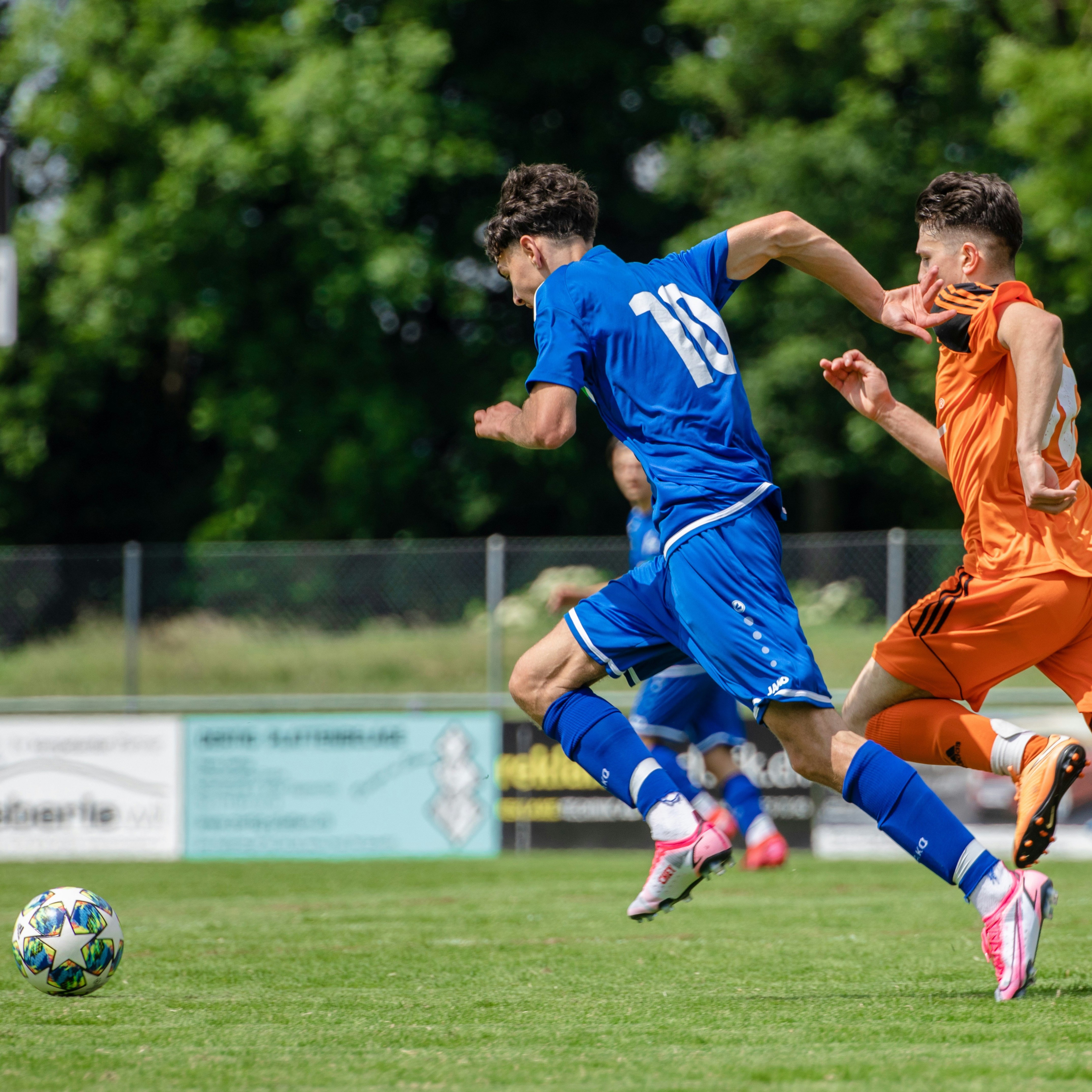
A custom soccer ball represents far more than just a piece of sporting equipment. It serves as a brand ambassador, a tool for team identity, and a tangible connection between organizations and their audiences. Whether you manufacture equipment for professional leagues, youth development programs, corporate events, or retail distribution, understanding the available design options for a custom soccer ball is essential to creating a product that meets both aesthetic and functional requirements. The design choices you make directly impact how your custom soccer ball performs on the field and how it resonates with end users.

The global sports equipment industry continues to expand opportunities for organizations seeking to differentiate their offerings through specialized product customization. A custom soccer ball provides manufacturers, distributors, and brands with an opportunity to create distinctive products that stand out in competitive markets. With multiple design variables available, from panel configurations to color schemes and material selections, businesses can tailor their custom soccer ball to precise specifications. This article explores the comprehensive range of design options available for custom soccer ball production and how each choice influences the final product's appearance, durability, and market appeal.
Panel Designs and Construction Patterns for Custom Soccer Ball
Traditional 32-Panel Configuration
The traditional 32-panel design has long been the standard for professional-grade soccer equipment, and it remains an excellent choice for a custom soccer ball. This configuration consists of 12 pentagonal panels and 20 hexagonal panels arranged in a geodesic dome pattern. For manufacturers producing a custom soccer ball with this classic structure, the 32-panel option offers proven performance characteristics, excellent ball control, and immediate recognition among players worldwide. The symmetrical layout provides consistent contact points for kicks and passes, making it particularly suitable for serious athletes and professional tournaments. A custom soccer ball featuring this design appeals to purists who value traditional ball construction and proven aerodynamic properties.
Thermal Bonding and Thermochromic Panels
Modern manufacturing techniques have expanded the options available when designing a custom soccer ball. Thermal bonding eliminates traditional stitching, creating seamless panel integration that enhances durability and water resistance. For premium-grade custom soccer ball production, thermochromic technology allows panels to change color based on temperature variations, adding visual interest and contemporary appeal. This advanced approach to a custom soccer ball appeals to organizations seeking cutting-edge differentiation. The seamless construction also provides superior performance characteristics, particularly in wet conditions, making a custom soccer ball with thermal bonding ideal for year-round play and diverse climate zones. These modern panel integration techniques significantly extend the lifespan of a custom soccer ball while maintaining consistent aesthetic appeal.
Color Schemes and Visual Branding Elements
Monochromatic and Dual-Tone Customization
Color selection plays a crucial role in the visual identity of a custom soccer ball. Monochromatic designs featuring a single dominant color with contrasting accents create clean, professional appearances suitable for corporate branding and formal competitions. A custom soccer ball in monochromatic schemes often communicates stability and tradition. Alternatively, dual-tone combinations provide more dynamic visual impact while maintaining design sophistication. Organizations can select complementary color pairs that align with brand guidelines or team identities. A custom soccer ball with dual-tone coloring appeals to youth programs and commercial applications where visual distinctiveness enhances market positioning. The color choices available for a custom soccer ball range from traditional black and white combinations to vibrant neon accents and metallic finishes.
Multi-Panel Color Blocking and Gradient Effects
Advanced design approaches to a custom soccer ball incorporate multi-panel color blocking, where different sections of the ball feature distinct colors arranged in strategic patterns. This technique creates visual complexity and modern aesthetic appeal while maintaining manufacturing feasibility. A custom soccer ball with gradient effects uses color transitions across panels to achieve sophisticated depth perception. Gradient approaches on a custom soccer ball appeal to premium market segments and lifestyle applications beyond competitive sports. Organizations seeking distinctive market presence often prefer gradient-designed custom soccer ball products. These advanced color techniques require precise color specification and quality control during manufacturing, ensuring that each custom soccer ball maintains consistent appearance across production batches. The investment in sophisticated color design for a custom soccer ball typically correlates with higher perceived value and stronger brand association.
Material Composition and Performance Specifications
Cover Materials and Durability Characteristics
The outer covering of a custom soccer ball significantly influences both durability and performance characteristics. Synthetic leather covers provide consistent ball behavior, excellent water resistance, and superior durability compared to natural materials. For budget-conscious applications, PVC covers offer cost-effective solutions for a custom soccer ball while maintaining acceptable performance standards. Organizations producing a custom soccer ball for high-volume distribution often select synthetic leather to balance quality expectations with production economics. Premium custom soccer ball applications may incorporate genuine leather, though this option requires careful maintenance and environmental consideration. The material selection for a custom soccer ball's cover directly impacts longevity, touch feel, and long-term value proposition. Manufacturers must evaluate end-user expectations, environmental conditions, and budget constraints when selecting cover materials for a custom soccer ball.
Bladder Technology and Pressure Retention Systems
Internal bladder construction represents a critical but often overlooked aspect of custom soccer ball design. Butyl rubber bladders provide superior air retention compared to latex alternatives, making them the preferred choice for a custom soccer ball intended for competitive or frequent use. A custom soccer ball featuring butyl bladders maintains consistent internal pressure longer, reducing the need for frequent reinflation during competitions or training sessions. For cost-sensitive custom soccer ball applications, latex bladders offer acceptable performance at lower price points, though they may require more frequent maintenance. The valve system in a custom soccer ball also influences durability and performance characteristics. Quality valve construction ensures that a custom soccer ball maintains proper pressure throughout its operational lifespan. Organizations investing in custom soccer ball production should prioritize bladder technology that aligns with intended use cases and durability expectations.
Personalization and Branding Integration Options
Logo Placement and Text Customization Strategies
Incorporating branded elements into a custom soccer ball requires strategic planning to ensure visual impact without compromising aesthetic balance. Logo placement on a custom soccer ball can occur on a single prominent panel, distributed across multiple panels, or integrated as part of the overall color design pattern. Text customization for a custom soccer ball might include team names, sponsor information, event dates, or motivational messaging. A custom soccer ball featuring integrated branding elements serves as mobile advertising, extending brand visibility beyond the field environment. The scale, positioning, and design integration of logos on a custom soccer ball influence the final product's perceived quality and professional appearance. Organizations should work with design professionals to ensure that custom soccer ball branding elements complement overall panel design rather than appearing as afterthought additions. Strategic branding on a custom soccer ball enhances team identity, corporate recognition, and product differentiation in competitive market segments.
Custom Match Details and Performance Specifications
Beyond visual aesthetics, a custom soccer ball can incorporate performance-related specifications and match details that add functional value. Panel size variation allows for custom soccer ball designs that appeal to different player demographics and skill levels. Younger players often benefit from smaller panel configurations that improve ball control and handling characteristics. A custom soccer ball designed for youth applications might feature larger, more distinct panel sections with simplified color patterns. Match-specific details such as official competition markings, certification symbols, or numbered editions can be incorporated into custom soccer ball production. These performance and specification elements transform a custom soccer ball from simple promotional item into functional sporting equipment. Organizations can leverage these customization options to create multi-purpose custom soccer ball products that serve both promotional and practical functions simultaneously.
FAQ
What is the minimum order quantity for producing a custom soccer ball?
Minimum order quantities for custom soccer ball production typically range from 500 to 2,000 units, depending on the manufacturer and specific customization requirements. The complexity of your custom soccer ball design, material selections, and production timeline can influence minimum order thresholds. Many manufacturers offer tiered pricing structures that reduce per-unit costs as custom soccer ball order volumes increase. Organizations planning custom soccer ball projects should discuss volume requirements with production partners early to ensure alignment with business objectives and inventory management capabilities.
How long does it take to produce a custom soccer ball from design to delivery?
Production timelines for a custom soccer ball typically range from 30 to 90 days, depending on design complexity, order volume, and current manufacturing capacity. Simple custom soccer ball designs with standard color combinations may be completed more quickly, while intricate multi-color patterns or specialized material selections may extend production timelines. Organizations should establish clear production schedules with manufacturers when planning custom soccer ball projects, particularly for time-sensitive applications such as seasonal competitions or promotional events.
Can a custom soccer ball design be modified after production begins?
Modifying a custom soccer ball design after production has commenced may be possible depending on the manufacturing stage and nature of requested changes. Minor modifications to a custom soccer ball, such as text revisions or color tone adjustments, might be accommodated early in production. Significant structural or design changes to a custom soccer ball typically cannot be implemented without stopping production and incurring additional costs. Organizations should finalize all custom soccer ball design specifications before approving production samples and committing to manufacturing runs to minimize disruption and unexpected expenses.