
 EN
EN



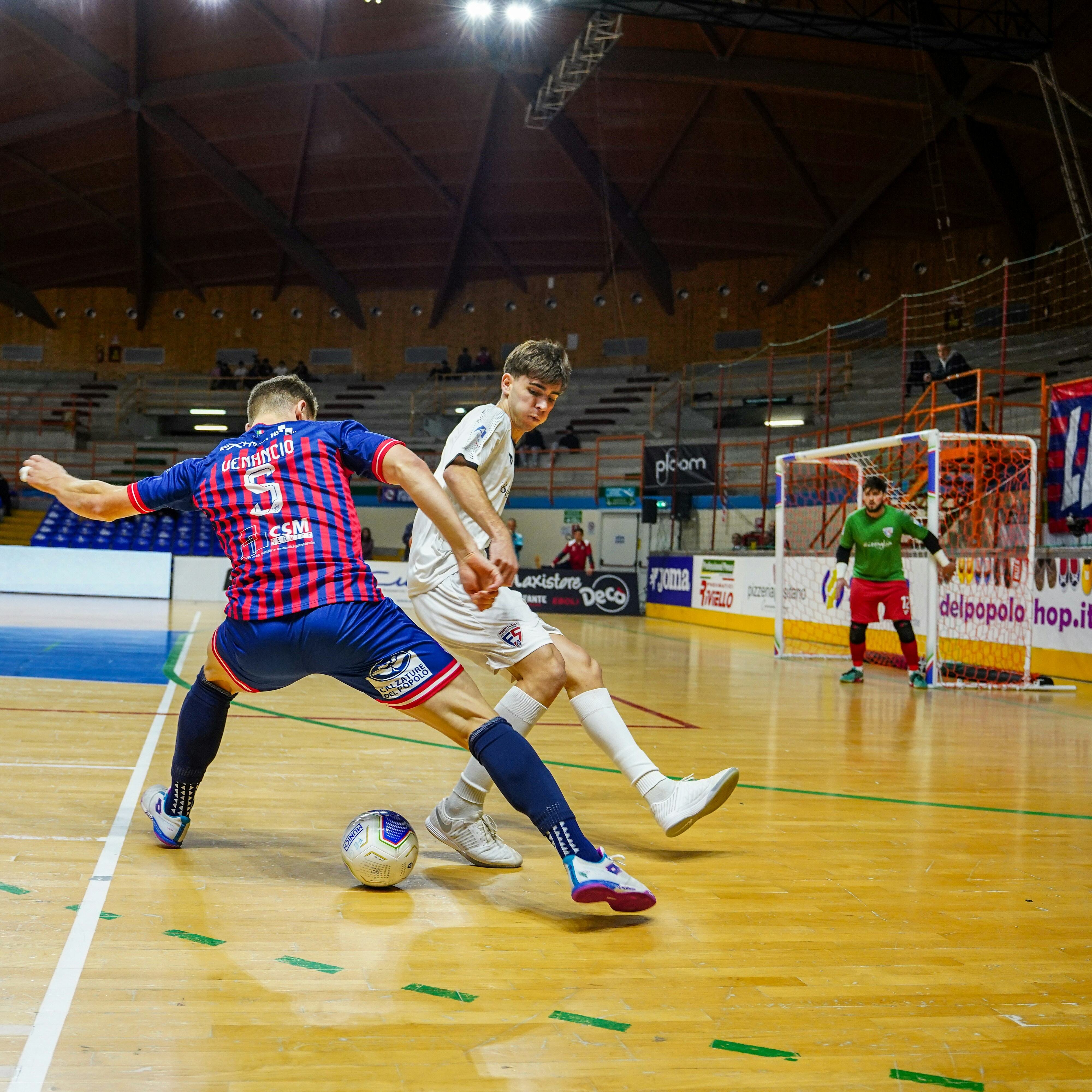
When coaches and players invest in a soccer training ball, durability is rarely an afterthought — it is the central concern. A soccer training ball that wears out after a few weeks of heavy use creates unnecessary costs, disrupts practice schedules, and forces procurement teams to reorder far more frequently than planned. Understanding which factors actually determine how long a soccer training ball lasts is essential for anyone responsible for equipping a team, academy, or sports facility.
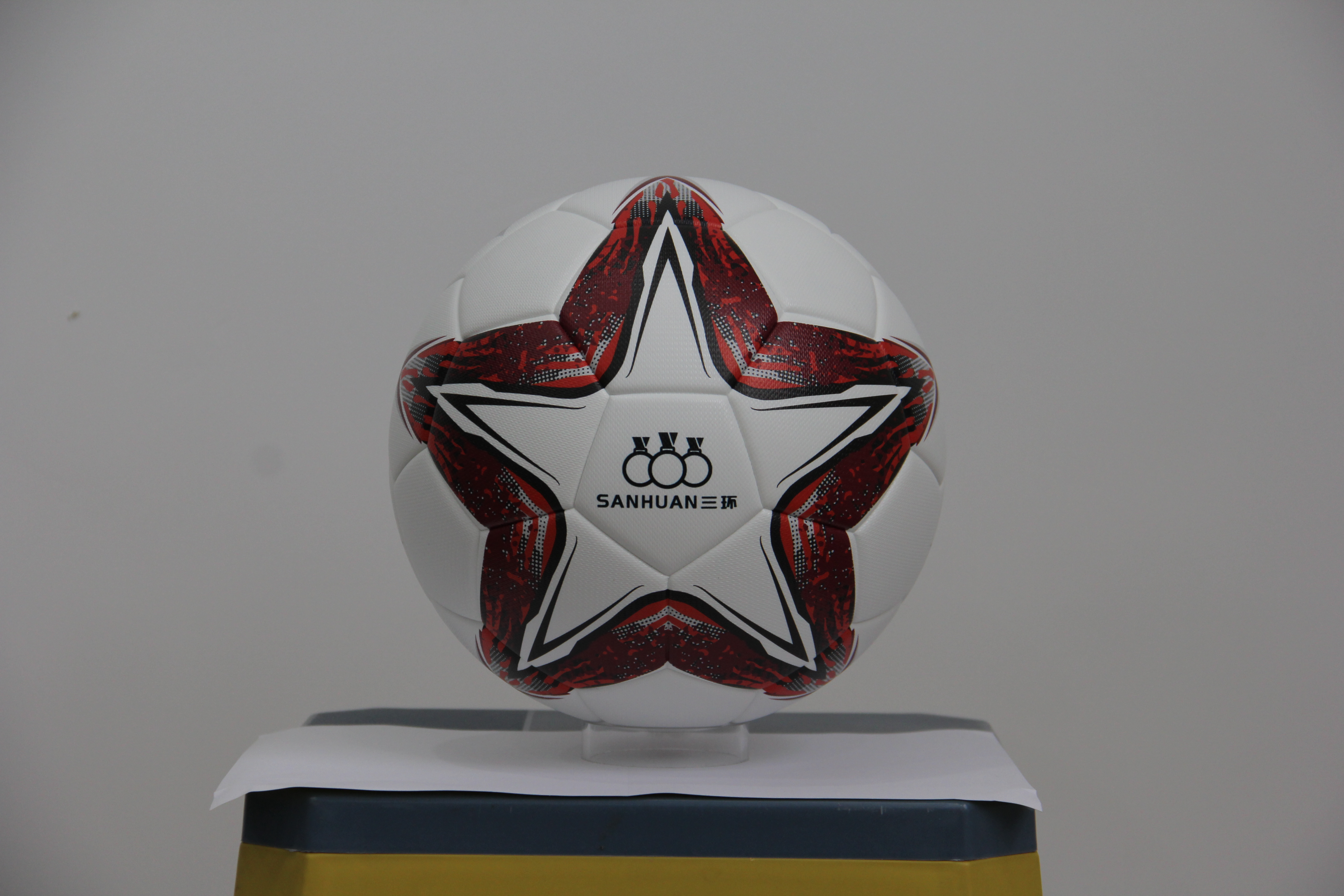
Durability in a soccer training ball is not a single property — it is the combined result of material choices, construction methods, surface conditions, and maintenance habits. Each of these dimensions interacts with the others, meaning that even a well-made soccer training ball can degrade quickly if used on abrasive surfaces without proper care. This article breaks down the key factors that determine soccer training ball durability so that buyers, coaches, and equipment managers can make informed, long-term decisions.
Material Composition and Its Role in Longevity
Outer Cover Materials
The outer cover of a soccer training ball is its first line of defense against wear. The most common cover materials are PVC, PU (polyurethane), and TPU (thermoplastic polyurethane). Each offers a different balance of durability, feel, and cost. PVC is the most economical option and tends to be the most resistant to abrasion, making it a practical choice for high-volume training environments where balls are used daily on rough surfaces.
PU covers offer a softer touch and better responsiveness, which is why they are often preferred for skill-focused training. However, PU is generally less resistant to surface abrasion than PVC, meaning a soccer training ball with a PU cover may show scuffing and cracking sooner when used on concrete or artificial turf with a coarse texture. TPU sits between the two, offering improved durability over standard PU while retaining a reasonable level of feel and flexibility.
The thickness of the cover layer also matters significantly. A thicker outer skin provides more protection against punctures and surface wear, extending the usable life of the soccer training ball. Buyers sourcing balls for intensive daily training should prioritize cover thickness alongside material type when evaluating options.
Bladder Material and Air Retention
The bladder is the internal component that holds air and maintains the shape of the soccer training ball. Butyl bladders are the industry standard for training balls because they offer excellent air retention over time. A soccer training ball with a high-quality butyl bladder will hold its pressure for days or even weeks without needing reinflation, which reduces stress on the valve and the surrounding material.
Latex bladders, while offering a more responsive feel, are more porous and lose air faster. For a soccer training ball used in daily drills, this means more frequent inflation, which gradually weakens the valve area and can lead to leaks. In high-volume training contexts, butyl is almost always the more durable and practical choice.
The quality of the valve itself is another overlooked factor. A poorly fitted or low-grade valve can allow slow air leakage and may crack under repeated needle insertions. A durable soccer training ball should feature a reinforced valve that can withstand hundreds of inflation cycles without degrading.
Construction Method and Structural Integrity
Machine Stitching vs. Hand Stitching
The way a soccer training ball is assembled has a direct impact on how well it holds together under repeated stress. Machine-stitched soccer training balls are constructed using automated stitching processes that produce consistent, tight seams across every panel. This consistency is a significant durability advantage because uneven stitching creates weak points where panels can separate under impact or pressure.
Hand-stitched balls, while often associated with premium match balls, can vary in seam tightness depending on the skill of the craftsperson. For a soccer training ball that will be kicked thousands of times across a season, the uniformity of machine stitching often translates into longer seam life and better structural integrity over time.
Thread quality is equally important. Polyester thread is the preferred choice for durable soccer training ball construction because it resists moisture absorption, UV degradation, and stretching. Nylon thread, while strong initially, can weaken when repeatedly exposed to wet conditions, leading to seam failure earlier than expected.
Panel Count and Geometry
The number of panels on a soccer training ball affects both its aerodynamic behavior and its structural durability. Traditional 32-panel designs distribute stress evenly across the ball's surface, which helps prevent any single seam from bearing disproportionate load during kicks and headers. Fewer panels mean longer seams, which can be more vulnerable to splitting if the stitching or bonding is not of high quality.
Some modern soccer training ball designs use thermally bonded panels rather than stitched ones. While bonded construction can offer a smoother surface and improved water resistance, the long-term durability of the bond depends heavily on the adhesive quality and the temperature range the ball is exposed to. In very hot or very cold environments, bonded panels may delaminate faster than stitched ones.
For most training environments, a well-stitched soccer training ball with a proven panel geometry remains the most reliable choice for sustained durability across varied conditions.
Surface and Environmental Conditions
Playing Surface Impact
The surface on which a soccer training ball is used is one of the most significant external factors affecting its lifespan. Natural grass is the gentlest surface for a soccer training ball because it provides cushioning on impact and does not abrade the cover material aggressively. Balls used exclusively on natural grass tend to maintain their cover integrity significantly longer than those used on harder surfaces.
Artificial turf, particularly older or lower-quality installations with coarse rubber infill, is considerably more abrasive. A soccer training ball used daily on third-generation artificial turf will show surface wear much faster than one used on grass. The rubber granules act like fine sandpaper on the cover material, gradually eroding the outer skin and exposing the underlying layers to moisture and UV damage.
Concrete and asphalt are the most damaging surfaces for any soccer training ball. Even a single session on a hard court can cause visible scuffing on a PU-covered ball. For facilities that train on hard surfaces regularly, selecting a soccer training ball with a thick PVC cover is a practical necessity rather than a compromise.
Weather and Temperature Exposure
Temperature extremes affect the material properties of a soccer training ball in ways that accelerate wear. In cold conditions, cover materials become less flexible and more brittle, making them more susceptible to cracking on impact. Bladders also contract in cold temperatures, causing the ball to feel underinflated and prompting users to overinflate, which stresses the seams and cover from the inside.
High heat causes the opposite problem. Excessive heat softens adhesives, can cause bladder expansion beyond design limits, and accelerates UV degradation of the cover material. A soccer training ball left in direct sunlight or stored in a hot vehicle will age significantly faster than one kept in a temperature-controlled environment.
Moisture is another environmental factor that shortens the life of a soccer training ball. Prolonged exposure to rain or wet grass can cause the cover to absorb water, increasing the ball's weight and stressing the seams. Balls that are not dried properly after wet sessions are also prone to mold growth inside the bladder area, which weakens the internal structure over time.
Maintenance Practices and Storage
Inflation Management
Proper inflation is one of the simplest and most effective ways to extend the life of a soccer training ball. Overinflation puts excessive stress on the seams and bladder, making the ball more likely to burst or develop leaks under impact. Underinflation causes the ball to deform excessively on contact, which stresses the cover and panel joints in ways they are not designed to handle.
Every soccer training ball should be inflated to the pressure range specified by the manufacturer, typically printed near the valve. Using a pressure gauge rather than estimating by feel ensures consistent inflation and prevents the gradual damage caused by chronic over- or underinflation. In facilities managing large inventories, establishing a regular inflation check routine is a straightforward way to protect the investment in each soccer training ball.
Cleaning and Storage Protocols
After each training session, a soccer training ball should be wiped down to remove dirt, mud, and moisture. Abrasive particles left on the surface can continue to scratch the cover material even during storage. A damp cloth is sufficient for routine cleaning — harsh chemicals or solvents should be avoided as they can degrade the cover material and weaken adhesives.
Storage conditions matter as much as cleaning. A soccer training ball should be stored in a cool, dry location away from direct sunlight and sharp objects. Mesh bags are preferable to sealed containers because they allow air circulation, which prevents moisture buildup. Balls should not be stacked under heavy loads, as sustained pressure can deform the bladder and distort the panel geometry over time.
For facilities managing large quantities of soccer training balls, rotating stock so that no single ball is used disproportionately more than others helps distribute wear evenly across the inventory. This simple practice can meaningfully extend the average lifespan of each soccer training ball in the collection.
FAQ
What is the most durable cover material for a soccer training ball used on artificial turf?
PVC is generally the most durable cover material for a soccer training ball used on artificial turf. Its higher abrasion resistance makes it better suited to the coarse texture of synthetic surfaces compared to PU or standard TPU covers. For facilities training primarily on artificial turf, a thick PVC-covered soccer training ball will typically outlast softer alternatives by a significant margin.
How does stitching quality affect the lifespan of a soccer training ball?
Stitching quality directly determines how well the panels of a soccer training ball hold together under repeated impact. Tight, consistent machine stitching using polyester thread creates seams that resist splitting and moisture absorption. Poor stitching creates weak points that fail progressively, leading to panel separation and a shortened usable life for the soccer training ball.
Can improper storage significantly shorten the life of a soccer training ball?
Yes, improper storage is one of the most common and preventable causes of premature wear. A soccer training ball stored in high heat, direct sunlight, or damp conditions will degrade faster than one kept in a cool, dry, ventilated space. UV exposure breaks down cover materials, heat stresses adhesives and bladders, and moisture promotes material degradation and mold growth inside the ball.
How often should a soccer training ball be replaced in a high-volume training environment?
Replacement frequency depends on usage intensity, surface type, and maintenance quality. In a high-volume environment with daily training on artificial turf, a soccer training ball may need replacement every three to six months. On natural grass with proper maintenance, the same soccer training ball might last a full season or longer. Regular inspection for cover cracking, seam separation, and air retention issues is the most reliable way to determine when replacement is necessary.
Table of Contents
- Material Composition and Its Role in Longevity
- Construction Method and Structural Integrity
- Surface and Environmental Conditions
- Maintenance Practices and Storage
-
FAQ
- What is the most durable cover material for a soccer training ball used on artificial turf?
- How does stitching quality affect the lifespan of a soccer training ball?
- Can improper storage significantly shorten the life of a soccer training ball?
- How often should a soccer training ball be replaced in a high-volume training environment?