
 EN
EN



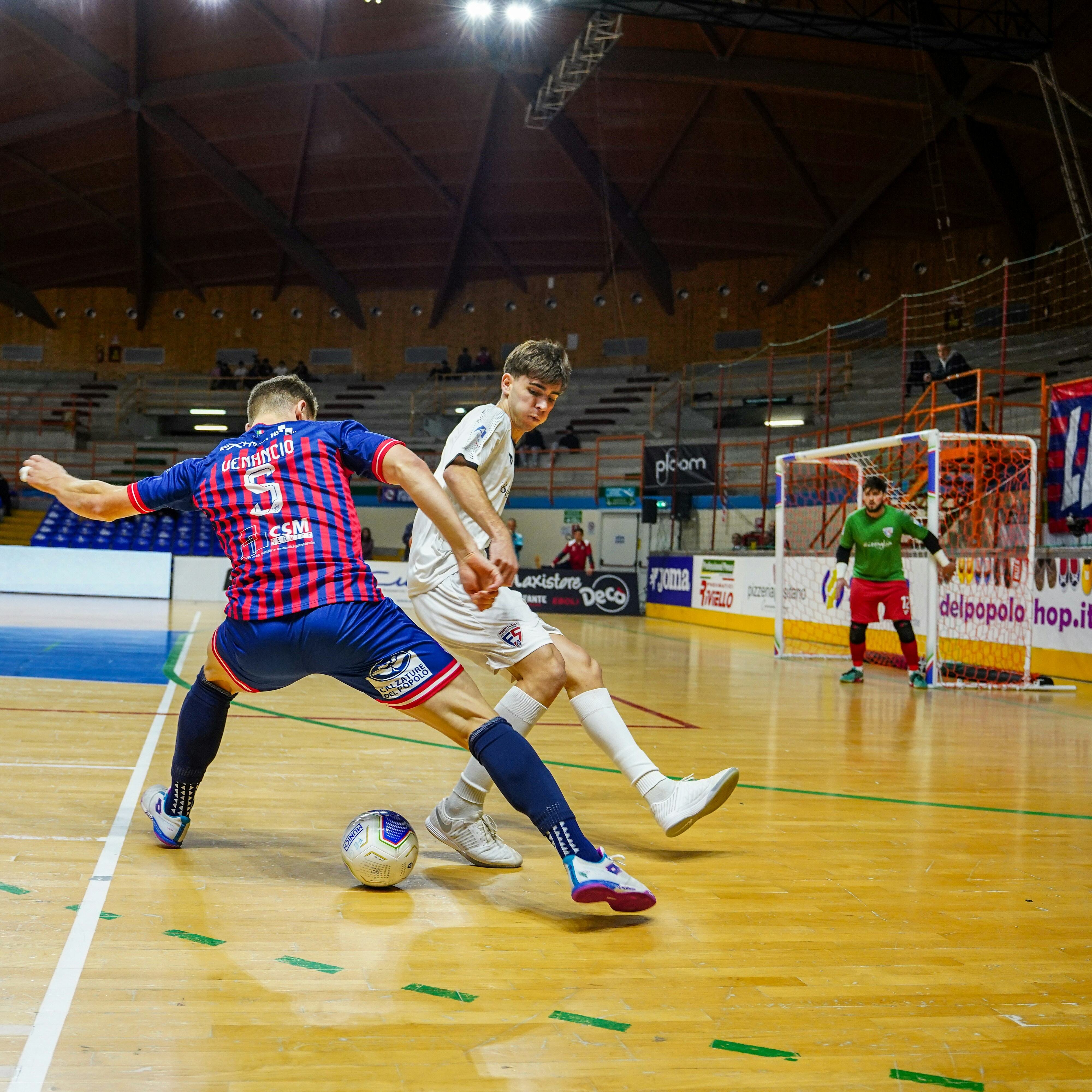
အတော်ရွေးချယ်ခြင်း ဘောလုံး လေ့ကျင့်ရေး ဘောလုံး သင်ကြားရေးမှု၊ ကလပ်စီမန်နာ သို့မဟုတ် စွမ်းရည်မြင့် ကစားသမ်းတစ်ဦးအတွက် အကောင်းဆုံး လက်တွေ့ကျသော ဆုံးဖြတ်ချက်များထဲမှ တစ်ခုဖြစ်သည်။ ယင်းသည် ရှင်းလင်းပေးသည့် ဝယ်ယူမှုတစ်ခုအဖြစ် ထင်မြင်မိသည်ဖြစ်သော်လည်း အမှန်တကယ်တွင် မှားယွင်းသောဘောလုံးသည် ကစားသမ်း၏ ကျွမ်းကျင်မှုဖွံ့ဖြိုးရေးကို အနှောင့်အယှက်ဖေးပေးနိုင်ပါသည်။ အသုံးပြုမှုကြောင့် အလွန်မြန်မြန် ပျက်စီးသွားနိုင်ပါသည်။ သို့မဟုတ် သင်ကြားမှုပုံစံနှင့် လိုက်ဖက်မှုမရှိနိုင်ပါသည်။ လေ့ကျင်မှုအချိန်တိုင်းတွင် ကစားသမ်းများသည် ဘောလုံးကို ထိတွေ့မှုအားဖြင့် ဘောလုံး၏ အရွယ်အစား၊ အလေးချိန်၊ ထိတွေ့မှုခံစားချက်နှင့် ခံနိုင်ရည်ရှိမှုတို့သည် အခြေခံနည်းစဥ်များဖွံ့ဖြိုးရေးကို ပုံသေးပေးပါသည်။ ဥပမါ- အတိအကျဖြင့် ပေးပို့ခြင်း၊ ပထမဆုံးထိတွေ့မှုနှင့် ရှူးတင်ခြင်းအားကို ဖွံ့ဖြိုးစေခြင်းတို့ဖြစ်သည်။
ကောင်းစွာရွေးချယ်ထားသော ဘောလုံး လေ့ကျင့်ရေး ဘောလုံး ဘောလုံးသည် ခုန်ပေါက်ခြင်းနှင့် လှည့်ပေါက်ခြင်းသာမက သင်ကြားမှုအတွက် အမြဲတမ်း အထောက်အကူပေးသည့် မိတ်ဖက်တစ်ခုဖြစ်လာပါသည်။ သင်သည် လူငယ်အကယ်ဒမီများအတွက် ဘောလုံးများ ပေးအပ်နေခြင်းဖြစ်စေ၊ လူကြီးများအတွက် အပန်းဖြေရေး လေ့ကျင်မှုများကို စီစဥ်နေခြင်းဖြစ်စေ၊ သို့မဟုတ် ပြိုင်ပွဲအတွက် အသင်းကို ပြင်ဆင်ပေးနေခြင်းဖြစ်စေ ဘောလုံးများကြားတွင် ကွဲပြားမှုများကို အတိအကျသိရှိခြင်းဖြင့် သင်သည် ပိုမိုကောင်းမွန်စွာ ရင်းနှီးမှုပေးနိုင်မည်ဖြစ်သည်။ ဤလမ်းညွှန်ချက်သည် သင်ကောင်းမွန်စွာ ရွေးချယ်နိုင်ရန်အတွက် အရေးကြီးသော ရွေးချယ်မှုအချက်များကို ဖော်ပြပေးပါသည်။
သင်ကြားမှုရည်မှန်းချက်များအတွက် အရွယ်အစားနှင့် အလေးချိန်စံနှုန်းများ
ဘောလုံးအရွယ်အစားကို ကစားသမားရဲ့ အသက်နဲ့ ဖွံ့ဖြိုးမှုအဆင့်နဲ့ ကိုက်ညီအောင်လုပ်ခြင်း
ဂီယာမော်တာကိုရွေးချယ်သည့်အခါ စဉ်းစားရမည့် ပထမဆုံးအချက်များအနက် တစ်ခုမှာ ဘောလုံး လေ့ကျင့်ရေး ဘောလုံး တရားဝင် အရွယ်အစား အမျိုးအစားပါ။ ဘောလုံးများကို အရွယ်အစား ၁ မှ ၅ အထိ ထုတ်လုပ်ပေးပြီး အရွယ်အစားတစ်ခုစီကို အသက်အရွယ်အလိုက်နဲ့ လေ့ကျင့်ရေးရည်ရွယ်ချက်အတွက် ပုံစံထုတ်ထားတာပါ။ အရွယ်အစား ၅ ဟာ အသက် ၁၃ နှစ်နှင့်အထက် ကစားသမားတွေအတွက် စံပြပွဲဘောလုံးဖြစ်ပြီး အရွယ်အစား ၄ ကတော့ အသက် ၈ နှစ်မှ ၁၂ နှစ်ကြား ကစားသမားတွေအတွက် အကြံပြုထားပါတယ်။ ကလေးငယ်များအတွက် အရွယ်အစား ၃ သို့မဟုတ် ပိုငယ်သော ဘောလုံးက အကျိုးရှိသည်။
ဘော်ကားတွေ မမှန်ကန်တဲ့ အရွယ်အစားနဲ့ ဘောလုံး လေ့ကျင့်ရေး ဘောလုံး အသက်ငယ်သော ကစားသမ်းများအတွက် နည်းပညာအခြေခံမှုသည် ထိခိုက်မှုရှိပါသည်။ ဘောလုံးအရွယ်အစား အလွန်ကြီးမားသော ဘောလုံးဖြင့် လေ့ကျင့်မှုပြုလုပ်သည့် ကလေးများသည် ဘောလုံးကို တိုက်ခိုက်ခြင်းနှင့် ထိန်းချုပ်ခြင်းဆိုင်ရာ မကောင်းမွန်သော အလေ့အကျင့်များကို များစွာဖွံ့ဖြိုးတိုးတက်လေ့ရှိပါသည်။ ထိုအလေ့အကျင့်များကို နောက်ပိုင်းတွင် ပြင်ဆင်ရန် အလွန်ခက်ခဲပါသည်။ လေ့ကျင့်မှုအစပေါ်တွင် သင့်လျော်သော ဘောလုံးအရွယ်အစားကို ရွေးချယ်ခြင်းဖြင့် လေ့ကျင့်မှုတိုင်းတွင် မှန်ကန်သော ဇီဝယန္တရား (biomechanics) များကို တည်ဆောက်ရန် အာမခံပေးပါသည်။ အသက်အပိုင်းအခြားများစွာပါဝင်သည့် အစီအစဉ်များကို လုပ်ဆောင်သည့် ကလပ်များသည် အသက်အပိုင်းအခြားအလိုက် ဖွံ့ဖြိုးမှုလိုအပ်ချက်များနှင့် ကိုက်ညီသည့် ဘောလုံးအရွယ်အစားများကို ရှင်းလင်းစွာ စုစည်းထားရန် လိုအပ်ပါသည်။
လူကြီးများအတွက် လေ့ကျင့်မှုအတွက်ပါ အရွယ်အစားရွေးချယ်မှုများသည် အရေးပါပါသည်။ ဖတ်ဆယ်လ် (Futsal) အတွက် သီးသန့်လေ့ကျင့်မှုများတွင် အရွယ်အစား ၄ ဖြစ်သော ပုံမှန်ထက် ပုံမှန်ထက် ပုံမှန်ထက် ပုံမှန်ထက် ပုံမှန်ထက် ပုံမှန်ထက် ပုံမှန်ထက် ပုံမှန်ထက် ပုံမှန်ထက် ပုံမှန်ထက် ပုံမှန်ထက် ပုံမှန်ထက် ပုံမှန်ထက် ပုံမှန်ထက် ပုံမှန်ထက် ပုံမှန်ထက် ပုံမှန်ထက် ပုံမှန်ထက် ပုံမှန်ထက် ပုံမှန်ထက် ပုံမှန်ထက် ပုံမှန်ထက် ပုံမှန်ထက် ပုံမှန်ထက် ပုံမှန်ထက် ပုံမှန်ထက် ပုံမှန်ထက် ပုံမှန်ထက် ပုံမှန်ထက် ပုံမှန်ထက် ပုံမှန်ထက် ပုံမှန်ထက် ......
အလေးချိန်ဖြန့်ဝေမှုနှင့် ဖိအားလိုအပ်ချက်များကို နားလည်ခြင်း
အရွယ်အစားအပြင် အလေးချိန်နှင့် အတွင်းပိုင်းဖိအားသည် ဘောလုံး၏ ခြေနှင့်ကန်ခြင်း၊ ခေါင်းနှင့်ထိခြင်းနှင့် ဘောလုံးကိုထိန်းချုပ်ခြင်းလေ့ကျင့်မှုများတွင် အပြုအမှုမှုကို တိုက်ရိုက်အကျေးဇူးပေးပါသည်။ ဘောလုံး လေ့ကျင့်ရေး ဘောလုံး fIFA ၏ အတိုင်ပင်ခံစံနှုန်းများအရ အရွယ်အစား ၅ ဖြစ်သော ပြိုင်ပွဲဘောလုံးသည် အလေးချိန် ၄၁၀–၄၅၀ ဂရမ်နှင့် ဖိအား ၀.၆–၁.၁ ဘာ ရှိရမည်ဖြစ်သည်။ လေ့ကျင့်ရေးဘောလုံးများသည် အနည်းငယ်ပိုမျှော်လင့်ချက်များကို ခွင့်ပြုသော်လည်း ပြိုင်ပွဲစံနှုန်းများနှင့် နီးစပ်စွာထိန်းသိမ်းခြင်းဖြင့် ကစားသမ်းများသည် ပြိုင်ပွဲတွင် တွေ့ကြုံရမည့် အပြုအမှုမှုနှင့် ကွဲပြားသော ဘောလုံးကို အလေ့အကျင့်ပေးခြင်းမှ ကာကွယ်ပေးပါသည်။
အလွန်ဖိအားမြင့်မားသော လေ့ကျင့်ရေးဘောလုံးများသည် ပိုမာပါသည်၊ ခေါင်းနှင့်ထိခြင်းလေ့ကျင့်မှုများအတွင်း မသ comfortable ဖြစ်စေပါသည် သို့မဟုတ် လူငယ်များအတွက် ထိခိုက်မှုဒဏ်ရာများကို ဖြစ်ပေါ်စေနိုင်ပါသည်။ ဖိအားနည်းသော ဘောလုံးများသည် ပုံသဏ္ဍာန်ကို ဆုံးရှုံးပါသည်၊ မသေချာသော လှုပ်ရှားမှုများဖြင့် အမျှော်လင့်မထားသော အပြုအမှုမှုများကို ပေးပါသည် နှင့် ပေးပို့ခြင်းနှင့် ပစ်ခြင်းလေ့ကျင့်မှုများအတွင်း မှားယွင်းသော အချက်အလက်များကို ပေးပါသည်။ သင့်၏ ဘောလုံးများ၏ ဖိအားကို မှန်ကန်စွာထိန်းသိမ်းခြင်းသည် ပစ္စည်းစီမံခန့်ခွဲမှုတွင် ရှုပ်ထွေးမှုနည်းသော်လည်း မကြာခဏ လျစ်လျူရှုခံရသော အရေးကြီးသော အချက်ဖြစ်ပါသည်။ ဘောလုံး လေ့ကျင့်ရေး ဘောလုံး လေ့ကျင့်ရေးမှုများအတွက် ဘောလုံးများ၏ ဖိအားကို ပုံမှန်စွာစစ်ဆေးရန် လေ့ကျင့်ရေးမှုများကို ပြုလုပ်သော မှုံမှုများသည် အထူးသဖြင့် အပြင်တွင် သိုလှောင်ထားသော ဘောလုံးများ သို့မဟုတ် အပူချိန်ပေါ်တွင် အများအားဖြင့် အကျေးဇူးပေးသော ပတ်ဝန်းကျင်များတွင် သိုလှောင်ထားသော ဘောလုံးများအတွက် အထူးသဖြင့် လေ့ကျင့်ရေးမှုများကို ပုံမှန်စစ်ဆေးရန် လေ့ကျင့်ရေးမှုများသည် အထူးသဖြင့် လေ့ကျင့်ရေးမှုများကို ပုံမှန်စစ်ဆေးရန် လေ့ကျင့်ရေးမှုများသည် အထူးသဖြင့် လေ့ကျင့်ရေးမှုများကို ပုံမှန်စစ်ဆေးရန် လေ့ကျင့်ရေးမှုများသည် အထူးသဖြင့် လေ့ကျင့်ရေးမှုများကို ပုံမှန်စစ်ဆေးရန် လေ့ကျင့်ရေးမှုများသည် အထူးသဖြင့် လေ့ကျင့်ရေးမှုများကို ပုံမှန်စစ်ဆေးရန် လေ့ကျင့်ရေးမှုများသည် အထူးသဖြင့် လေ့ကျင့်ရေးမှုများကို ပုံမှန်စစ်ဆေးရန် လေ့ကျင့်ရေးမှုများသည် အထူးသဖြင့် လေ့ကျင့်ရေးမှုများကို ပုံမှန်စစ......
တည်ဆောက်မှုနှင့် ပစ္စည်းအရည်အသွေး
ဘောလုံး၏ စွမ်းဆောင်ရည်ပေါ်တွင် ပန်းကန်များဖွဲ့စည်းမှု၏ အခန်းကဏ္ဍ
အိမ်ကို ဘယ်လိုလုပ်လဲဆိုတာကို ဘောလုံး လေ့ကျင့်ရေး ဘောလုံး ပန်းကန်များကို မည်သို့ဖွဲ့စည်းထားသည်ဆိုသည်သည် ၎င်း၏ ခံနိုင်ရည်ရှိမှုနှင့် ပျံသန်းမှု အရည်အသွေးများကို နှစ်များစွာ သက်ရောက်မှုရှိပါသည်။ ရှေးရိုးစွဲ လက်ဖြင့် ချုပ်ထားသည့် ဘောလုံးများတွင် နိုင်လွန် သို့မဟုတ် ပေါ်လီအက်စ်တာ ချုပ်ခြင်းကြိုးများကို ပန်းကန်များကို ဆက်သွယ်ရန်အတွက် အသုံးပြုပြီး ကစားသမ်းများ၏ ထိတွေ့မှုကို သဘောသောက်နိုင်သည့် ပေါ့ပါးသည့် အပြင်ပိုင်းအဖွဲ့အစည်းကို ဖန်တီးပေးပါသည်။ စက်ဖြင့် ချုပ်ထားသည့် ဘောလုံးများကို စုံစမ်းသင်ကြားရေးအတွက် စျေးနောက်ကျမှုနှင့် အသုံးပြုမှုအတွက် အသုံးများပါသည်။ ထိုသို့သော ဘောလုံးများသည် အသုံးပြုသူများအတွက် အသုံးဝင်သည့် စွမ်းဆောင်ရည်များကို ပေးစေပါသည်။ အပူဖြင့် ချုပ်ထားသည့် ဖွဲ့စည်းမှုတွင် ပန်းကန်များကို ချုပ်ခြင်းမှုထက် အပူဖြင့် ချုပ်ထားခြင်းဖြင့် အပ်ချုပ်မှုမရှိသည့် မျက်နှာပုံကို ဖန်တီးပေးပါသည်။ ထိုသို့သော ဖွဲ့စည်းမှုသည် ရေစုပ်မှုကို ပိုမိုကောင်းမောင်းစေပါသည်။ အချိန်ကြာမှုအတွင်း ပုံသဏ္ဍာန်ကို တည်ငြိမ်စေပါသည်။
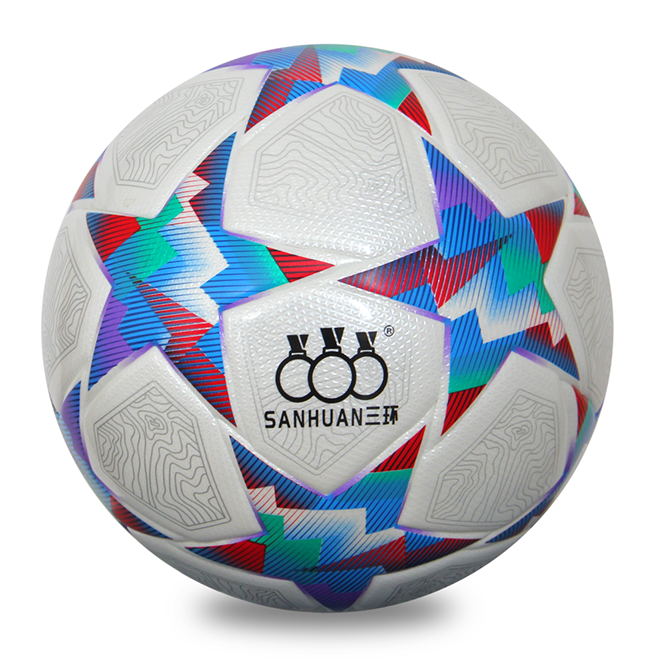
မိုးရွာသော အခြေအနေများတွင် သို့မဟုတ် အတုအမှုန်များပေါ်တွင် လေ့ကျင်မှုများကို ပေးသည့် က্লပ်များ သို့မဟုတ် အဆောက်အဦများအတွက် အပူဖြင့် ချုပ်ထားသည့် ဘောလုံး လေ့ကျင့်ရေး ဘောလုံး သိသိသာသာ လက်တွေ့ကျသော အကျိုးကျေးဇူးများကို ပေးစေပါသည်။ ချုပ်ထားသော ပြားများနှင့် ကွဲပါသည်မျှလောက် ရေကို စုပ်ယူမှုမရှိသော ကပ်ထားသော မျက်နှာပြင်သည် ဘောလုံး၏ အလေးချိန်နှင့် ပျံသန်းမှု စရိုက်လက္ခဏာများကို မိုးရွာနေစဉ် လေ့ကျင့်မှုများအတွင်းတွင်ပါ ထိန်းသိမ်းပေးနိုင်ပါသည်။ နှစ်တိုင်း အပြင်တွင် လေ့ကျင့်မှုများကို ပုံမှန်လုပ်ဆောင်နေသည့်အခါ ဤအချက်သည် အထူးအရေးကြီးပါသည်။ ရေစိုနေသော ဘောလုံးသည် ခြောက်သော ဘောလုံးနှင့် အများကြီးကွဲပါသည်။ ထို့အပြင် နည်းစဥ်ဆိုင်ရာ လေ့ကျင့်မှုများအတွင်း ကစားသမ်းများ၏ အကြံပေးချက်များကို မှားယွင်းစေနိုင်ပါသည်။ ဘောလုံး လေ့ကျင့်ရေး ဘောလုံး သို့သော် အပူဖောင်းကပ်ထားသော တည်ဆောက်မှုနှင့် ကြယ်ပုံစံ ပြားများပါရှိသော ဤထုတ်ကုန်သည် ဤအမျိုးအစားကို ကောင်းစွာကိုယ်စားပြုပါသည်။ စွမ်းဆောင်ရည် တည်ငြိမ်မှုနှင့် မျက်စိထောက်လှမ်းရန် လွယ်ကူသော အမြင်အာရုံဆိုင်ရာ ထူးခြားမှုတို့ကို ပေါင်းစပ်ပေးပါသည်။
ပေါင်းစည်းမှုအရေအတွက်နှင့် ပေါင်းစည်းမှုပုံသဏ္ဍာန်များသည်လည်း ဘောလုံးသည် လေထဲတွင် မည်သို့ ခန့်မှန်းနိုင်သည့် အမျှတစ်ဖက်သို့ ခရီးသွားသည်ကို သက်ရောက်မှုရှိပါသည်။ ရှေးရိုးစွဲ ၃၂-ပေါင်းစည်းမှုဒီဇိုင်းများသည် ဖိအားကို ညီညာစွာဖြန့်ဖေးပေးပြီး ယုံကြည်စိတ်ချရသော၊ လေ့ကျင့်ရန် အဆင်ပေါင်းသော ပျံသန်းမှုလမ်းကြောင်းများကို ထုတ်လုပ်ပေးပါသည်။ ပေါင်းစည်းမှုအရေအတွက် နည်းသော ဒီဇိုင်းများသည် မျှော်မှန်းထားသည့်အတိုင်း ခေတ်မီသော ပုံပေါ်မှုကို ပေးစေသော်လည်း လေထုပေါ်လွှမ်းမိုးမှုအားဖြင့် အနည်းငယ်သော အပြောင်းအလဲများကို ဖော်ပေးနိုင်ပါသည်။ ထိုအပြောင်းအလဲများသည် ထပ်ခါထပ်ခါလုပ်သော လေ့ကျင့်မှုများ၏ လေ့ကျင့်ရေးတန်ဖိုးကို သက်ရောက်စေနိုင်ပါသည်။ အများအားဖြင့် လေ့ကျင့်ရေးအတွက် အသုံးပြုသည့်အခါ စမ်းသပ်မှုများဖြင့် အတည်ပြုထားသော ပေါင်းစည်းမှုဖွဲ့စည်းပုံများကို ရွေးချယ်သင့်ပါသည်။ ထိုဖွဲ့စည်းပုံများသည် အမျှတစ်ဖက်သို့ အမျှတစ်ဖက်သို့ ထပ်ခါထပ်ခါ အလုပ်လုပ်နိုင်သော ဘောလုံးအပြုအမှုများကို ထုတ်လုပ်ပေးနိုင်ပါသည်။ အလှအပအတွက်သာ ရွေးချယ်ထားသည့် ဒီဇိုင်းများထက် ထိုသို့သော ဖွဲ့စည်းပုံများကို ဦးစားပေးသင့်ပါသည်။
အပြင်ဘက်ဖုံးအများအားဖြင့် အသုံးပြုသည့်ပစ္စည်းများနှင့် မျက်နှာပုံပေါ်ရှိ ခံနိုင်ရည်ရှိမှု
အ ဘောလုံး လေ့ကျင့်ရေး ဘောလုံး သည် နေ့စဉ်လေ့ကျင့်ရေး၏ ပိုမိုခက်ခဲသောအခြေအနေများမှ ကာကွယ်ရေးအတွက် ပထမဆုံးအကာအကွယ်ဖြစ်သည်။ PVC (ပေါ်လီဗိုင်းနိုင်လ်ကလိုရိုရိုက်) ဖုံးအ покрытиеများသည် စုံစမ်းစရိတ်အနည်းဆုံးရွေးချယ်မှုဖြစ်ပြီး အသုံးပေးမှုနည်းသော လေ့ကျင့်ရေးပတ်ဝန်းကျင်များအတွက် အသုံးဝင်မှုအတွက် အလုံလေးသော ခံနိုင်ရည်ရှိသည်။ သို့သော် PVC ဖုံးများသည် ခြေဖျားအောက်တွင် ပိုမိုမာကြောသော ခံစားမှုကိုဖော်ပေးလေ့ရှိပြီး ထိပ်တိုက်ထိတွေ့မှုအာရုံကြောမှုကို ထိခိုက်စေပါသည်။ ထို့အပေါ်အခြေခံ၍ နည်းပညာအရ အသုံးပြုသည့်အခါ အကောင်းဆုံးအာရုံပေးမှုကို လျော့နည်းစေပါသည်။ PU (ပေါ်လီယူရီသိန်း) ဖုံးများသည် ပိုမိုနူးညံ့ပြီး ပိုမိုတုံ့ပေးသော ခံစားမှုကို ပေးစေပါသည်။ ထိုခံစားမှုသည် ပရောဖက်ရှင်နယ် ပြိုင်ပွဲဘောလုံးများ၏ ဂုဏ်သတ္တိများကို နီးစပ်စွာ အတုယူထားသည်ဖြစ်ပြီး အရေးကြီးသော လေ့ကျင့်ရေးအစီအစဥ်များအတွက် အကောင်းဆုံးရွေးချယ်မှုဖြစ်သည်။
မည်သည့်ဖုံးအ покрытие၏ ပစ္စည်းကို စိစိမ်စွာ စိစ်ပါသည် ဘောလုံး လေ့ကျင့်ရေး ဘောလုံး အသုံးပြုမည့် ကစားကွင်းမျက်နှာပြင်ကို ထည့်သွင်းစဉ်းစားပါ။ အထူးသဖြင့် တတိယနှင့် စတုတ္ထမျိုးဆက် အမုန်းသေးသေးများဖြင့် ပြုလုပ်ထားသော အမုန်းသေးသေးများသည် သဘောသမ်ဗောလ်များထက် ပိုမိုမှုန်းစေသည့် အရာဖြစ်သည်။ အမုန်းသေးသေးများပေါ်တွင် ပုံမှန်အားဖြင့် အသုံးပြုရန် ဒီဇိုင်းထုတ်ထားသော ဘောလုံးများသည် ခြစ်ရှားမှုကို ပိုမိုကာကွယ်နိုင်ရန် အပြင်ဘက်အဖ пок်များကို အားကောင်းစေရန် ပြုလုပ်ထားသည့် ဘောလုံးများဖြစ်သည်။ အမုန်းသေးသေးများပေါ်တွင် အသုံးပြုရန် အဆင့်သတ်မှတ်ထားခြင်းမရှိသော ဘောလုံးများကို အမုန်းသေးသေးများပေါ်တွင် အသုံးပြုပါက ဘောလုံး၏ အသုံးပြုနိုင်သည့် ကာလသည် အလွန်တိုတောင်းသွားပြီး သင့်အစီအစဉ်အတွက် အစားထိုးစရိတ်များ ပိုမိုများပေါ်လာမည်။
အတွင်းဘလေဒါ၏ အရည်အသွေးကိုလည်း ဂရုစိုက်သင့်ပါသည်။ ဘောလုံးသည် အချိန်ကြာလေး ဖိအားကို မည်သို့ထိန်းသိမ်းနိုင်မည်ကို အတွင်းဘလေဒါက ဆုံးဖြတ်ပေးသည်။ ဘူတီလ်ဘလေဒါများသည် လက်တက်ဘလေဒါများထက် ဖိအားကို ပိုမိုကောင်းစွာ ထိန်းသိမ်းနိုင်သည့် အရည်အသွေးရှိပါသည်။ ထို့ကြောင့် ဘောလုံးများကို အပိုနေသည့် အချိန်များအတွင်း ဖိအားစစ်ဆေးမှုများကို အပတ်ပေါ် ၂ ပတ်မှ ၃ ပတ်ကြား အကြိမ်ရေတွက်ပြုလုပ်သည့် လေ့ကျင်ရေးပုံစံများအတွက် ဘူတီလ်ဘလေဒါများသည် လက်တက်ဘလေဒါများထက် ပိုမိုသင့်တော်သည့် ရွေးချယ်မှုဖြစ်သည်။ အ ဘောလုံး လေ့ကျင့်ရေး ဘောလုံး ဖိအားကို စိတ်ချရုံသော အချိန်ကြာလေး ထိန်းသိမ်းနိုင်သည့် ဘောလုံးသည် ထိန်းသိမ်းရေးအလုပ်အကိုင်များကို လျော့နည်းစေပြီး လေ့ကျင်မှုအခြေအနေများကို အစီအစဉ်တစ်ခုပေါ်မှ အခြားတစ်ခုသို့ စံသတ်မှတ်ထားသည့် အတိုင်း ထိန်းသိမ်းပေးနိုင်သည်။
မြင့်မားသော အသုံးပြုမှုနှုန်းအတွက် ခံနိုင်ရည်နှင့် တန်ဖိုး
နေ့စဥ်လေ့ကျင်မှုလိုအပ်ချက်များအောက်တွင် ဘောလုံး၏ အသုံးပြုနိုင်သည့် ကာလကို အကဲဖြတ်ခြင်း
လေ့ကျင့်ရေးဘောလုံးများသည် ပြိုင်ပွဲဘောလုံးများ မကြုံစဖူးသည့် ထပ်ခါထပ်ခါဖြစ်ပေါ်လာသည့် ဖိအားကို ခံနိုင်ရည်ရှိသည်။ တစ်ခုသော အကယ်ဒမီတွင် တစ်နေ့လျှင် အကြိမ်ပေါင်းများစွာ အသုံးပြုရန် ဘောလုံး ၂၀ ခုကို အသုံးပြုနိုင်ပြီး ဘောလုံးတစ်ခုချင်းစီသည် အနည်းဆုံး အနေနဲ့ အချက်ပေါင်းများစွာ ထိမှုခံရပါသည်၊ အချက်ပေါင်းများစွာ ပေးပို့မှုများ ပြုလုပ်ရပါသည်နှင့် မြေပြင်နှင့် အများကြီး ပွတ်တိုက်မှုများ ခံရပါသည်။ ဤအခြေအနေတွင် သင်ရွေးချယ်သည့် ဘောလုံး လေ့ကျင့်ရေး ဘောလုံး ၏ ခံနိုင်ရည်ရှိမှုသည် သင်၏ အစီအစဉ်၏ လုပ်ငန်းလုပ်ကိုင်မှုစရိတ်ကို တိုက်ရိုက်သက်ရောက်မှုရှိပါသည်။ နေ့စဥ်အသုံးပြုမှုအောက်တွင် သုံးလအကြာတွင် ပျက်စီးသွားသည့် ဘောလုံးသည် အသုံးပြုမှုကြာမှု နှစ်နှစ်ကြာအောင် အသုံးပြုနိုင်သည့် ပိုမိုခံနိုင်ရည်ရှိသည့် ဘောလုံးထက် နှစ်စဥ်စရိတ်ပိုများပါသည်။
ခံနိုင်ရည်စမ်းသပ်မှုများသည် ပေါ်လီများ ကွဲထွက်ခြင်း သို့မဟုတ် အဖ покရ်များ ကွဲထွက်ခြင်းကိုသာမက ပုံစံထိန်းသိမ်းမှုကိုပါ ထည့်သွင်းစဉ်းစားရပါမည်။ အချိန်ကြာလာသည်နှင့်အမျှ အများကြီး ပုံစံပျက်သွားသည့် ဘောလုံး လေ့ကျင့်ရေး ဘောလုံး သည် အများကြီး ပုံစံပျက်သွားပြီး အနည်းငယ် အဝိုင်းပုံမဟုတ်ဘဲ အကြမ်းဖျင်းပုံစံဖော်ပေးသည့် ပုံစံ (oval) သို့မဟုတ် ပြားသည့်နေရာများ ဖော်ပေးသည့် ပုံစံများ ဖော်ပေးသည့် ပုံစံများ ဖော်ပေးသည့် ပုံစံများ ဖော်ပေးသည့် ပုံစံများ ဖော်ပေးသည့် ပုံစံများ ဖော်ပေးသည့် ပုံစံများ ဖော်ပေးသည့် ပုံစံများ ဖော်ပေးသည့် ပုံစံများ ဖော်ပေးသည့် ပုံစံများ ဖော်ပေးသည့် ပုံစံများ ဖော်ပေးသည့် ပုံစံများ ဖော်ပေးသည့် ပုံစံများ ဖော်ပေးသည့် ပုံစံများ ဖော်ပေးသည့် ပုံစံများ ဖော်ပေးသည့် ပုံစံများ ဖော်ပေ...... အသုံးပြုမှုအတွက် မတည်မြဲသည့် လေ့ကျင့်ရေးအခြေအနေများကို ဖန်တီးပေးပါသည်။ အထူးသဖြင့် အသုံးပြုမှုများစွာရှိသည့် လေ့ကျင့်ရေးပုံစံများတွင် ရင်းနှီးမှုများ ရှိသည့် လေ့ကျင့်ရေးမှုများကို ဆောင်ရွက်သည့် လေ့ကျင့်ရေးမှုများတွင် အသုံးပြုသည့် ဘောလုံးများသည် အားကောင်းသည့် ချေပ်ချေပ်မှု (bonding) သို့မဟုတ် ချေပ်ချေပ်မှု (stitching) ဖြစ်စေရန် အထူးဂရုစိုက်ရပါမည်။ အသုံးပြုမှုအတွင်း ဖိအားပေးမှုများကို ခံနိုင်ရည်ရှိသည့် ဘလေဒါများကို ရှာဖွေရပါမည်။
သုံးစွဲမှုတစ်ခုချင်း ကုန်ကျစရိတ် တွက်ချက်မှုဟာ ဝယ်ယူမှုစျေးနှုန်း တစ်ခုတည်းထက် ပိုအသုံးဝင်တဲ့ မက်ထရစ်တစ်ခုပါ။ နည်းနည်း ပိုစျေးကြီးပေမဲ့ သိသိသာသာ ပိုခံနိုင်ရည်ရှိတဲ့ ဘောလုံး လေ့ကျင့်ရေး ဘောလုံး မကြာခဏဆိုသလို လေ့ကျင့်ရေးရာသီတစ်ခုလုံးမှာ ဖြန့်ဝေတဲ့အခါ စုစုပေါင်း ကုန်ကျစရိတ် ပိုနိမ့်ပါတယ်။ အသင်းတွေဟာ ရာသီလယ်မှာ မမျှော်လင့်တဲ့ ပစ္စည်းပမာဏ ကင်းမဲ့မှုကို တားဆီးတဲ့ တိကျတဲ့ အစားထိုးမှု စက်ဝန်းတစ်ခု တည်ဆောက်ဖို့ ပွဲချိန်ပြင်းထန်မှုနဲ့ ယှဉ်ပြီး ပျမ်းမျှ ဘောလုံးသက်တမ်းကို ခြေရာခံသင့်ပါတယ်။
အမြင်မြင်နိုင်မှုနှင့် လေ့ကျင့်ရေး ထိရောက်မှု
မကြာခဏ လျှော့တွက်ခံရတဲ့ ဘောလုံး လေ့ကျင့်ရေး ဘောလုံး ကွဲပြားတဲ့ ကစားမျက်နှာပြင်တွေနဲ့ အလင်းရောင် အခြေအနေတွေမှာ ၎င်းရဲ့ အရောင်ပုံစံရဲ့ မြင်နိုင်စွမ်းပါ။ ဆန့်ကျင်ဘက်အမြင်မြင့်မားသော ဘောင်များဖြင့် ပြုလုပ်ထားသော အစိမ်းရောင် မြက်ခင်း သို့မဟုတ် မီးခိုးရောင် အတုမျက်နှာပြင်များမှ ခြားနားသော အရောင်များဖြင့် ပြုလုပ်ထားသော မြန်ဆန်သော လေ့ကျင့်ခန်းများအတွင်းတွင် ဘောလုံးကို အမြင်ပိုင်းအရ ပိုမိုလွယ်ကူစွာ ခြေရာခံနိုင်ခြင်း အထူးသဖြင့် ဂိုးသမားတွေဟာ ပြိုင်ပွဲ အခြေအနေတွေမှာ ပစ်မှတ်ထားဖို့ လိုအပ်ပုံကို အနီးကပ် တုပတဲ့ မြင်သာတဲ့ ဘောလုံးတွေနဲ့ လေ့ကျင့်ခြင်းကနေ အကျိုးခံစားရပါတယ်။
မျက်စိဖွင့်လှစ်မှု အချက်သည် လူငယ်များအတွက် လေ့ကျင့်ရေးဆိုင်ရာ အခြေအနေများတွင် လုံခြုံရေးနှင့် ဆိုင်သည့် အရေးကြီးသော အချက်ဖြစ်ပါသည်။ ပတ်ဝန်းကျင်ရှိ အရာများကို မြင်နိုင်မှုနှင့် အာရုံစူးစမ်းမှု အားနည်းသည့် လူငယ်ကစားသမ်းများသည် မျက်စိဖွင့်လှစ်မှု အထူးကောင်းမောင်းသည့် ဘောလုံးဖြင့် ပိုမိုကောင်းမောင်းစွာ ကစားနိုင်ပါသည်။ ဘောလုံး လေ့ကျင့်ရေး ဘောလုံး ဘောလုံးဒီဇိုင်းများကို စိစိမ့်စိစိမ့် စိစ်စိစ်မှု အားဖော်ပေးသည့် ပုံစံများကို ရှာဖွေပါ။ ဥပမါ- အလင်းအားနည်းသည့် အခြေအနေများ (ဥပမါ- ညနေခင်းအချိန်တွင် မီးအားဖော်ပေးသည့် အလင်းများအောက်တွင် လေ့ကျင့်ခန်းများ) တွင် မျက်စိဖွင့်လှစ်မှု အား ထိန်းသိမ်းပေးနိုင်သည့် ပုံစံများ။ ထူးခြားသည့် ပိုင်းခြားမှုများသည် အလှအပအတွက်သာ မဟုတ်ဘဲ၊ သေချာစွာ အကောင်အထောက်ပေးထားပါက လေ့ကျင့်ရေး အကောင်အထောက်ပေးမှုကို တက်ကြွစွာ ပံ့ပိုးပေးနိုင်ပါသည်။
မျက်နှာပြင်နှင့် ကိုက်ညီမှုနှင့် ပတ်ဝန်းကျင်နှင့် ကိုက်ညီမှု
သတ်မှတ်ထားသည့် ကစားမှုမျက်နှာပြင်များအတွက် ဘောလုံးများ ရွေးချယ်ခြင်း
တစ်ခုချင်းစီကို ဒီဇိုင်းထုတ်ထားခြင်းမဟုတ်ပါ ဘောလုံး လေ့ကျင့်ရေး ဘောလုံး ဘောလုံးသည် ကစားနေရာအားလုံးတွင် အတူတူပဲ ကောင်းမောက်စေပါသည်။ သဘောထားသော မြက်ခင်း၊ အနုပညာဖော်မော်စီ ပြောင်းလဲမှုများ၊ မာကြောသော ကွင်းများနှင့် အတွင်းပိုင်း ကစားနေရာများသည် ဘောလုံး၏ ပစ္စည်းများနှင့် တည်ဆောက်မှုအပေါ် ကွဲပြားသော လိုအပ်ချက်များကို ဖန်တီးပေးပါသည်။ သင် အမှန်တကယ် လေ့ကျင့်နေသည့် ကစားနေရာအတွက် ဒီဇိုင်းထုတ်ထားသော ဘောလုံးကို ရွေးချယ်ခြင်းဖြင့် အရေးကြီးသော ပုံပေါ်မှုများကို ကာကွယ်ပေးပါသည်။ ထို့အပေါ် အချိန်ကြာမှုအထိ ဘောလုံးသည် နည်းပညာဆိုင်ရာ လေ့ကျင့်မှုများအတွင်း မျှော်လင့်ထားသည့်အတိုင်း အပြုအမှုများကို ပေးစေပါသည်။ များစွာသော ထုတ်လုပ်သူများသည် မြက်ခင်း၊ ဖော်မော်စီနှင့် အတွင်းပိုင်း အမျိုးအစားများကို ခွဲခြားထားကြသည်မှာ ကစားနေရာနှင့် ကိုက်ညီမှုသည် ဘောလုံး၏ အသက်တမ်းနှင့် စွမ်းဆောင်ရည်နှင့် ပတ်သက်၍ တိကျသော အကျိုးသက်ရောက်မှုရှိသောကြောင့်ဖြစ်ပါသည်။
အနုပညာဖော်မော်စီပေါ်တွင် ပိုမိုမှုန်းသော အမျှင်ဖွဲ့စည်းမှုသည် အရည်အသွေးနိမ့်သော ဘောလုံးများပေါ်တွင် မျှော်လင့်ထားသည့်ထက် ပိုမိုမှုန်းစေပါသည်။ အ ဘောလုံး လေ့ကျင့်ရေး ဘောလုံး ပြုပြင်ထားသော PU အဖ покရ်နှင့် အပူဖော်မော်စီ ပေါင်းစပ်ထားသော ပုံစံများဖြင့် ပြုလုပ်ထားသည့် ဘောလုံးသည် ဤအခြေအနေများအောက်တွင် စံနှုန်း PVC ဘောလုံးထက် ပိုမိုကြာရှည်စွာ အသုံးပြုနိုင်ပါသည်။ အတွင်းပိုင်း လေ့ကျင့်မှုများတွင် မာကြောသော ကွင်းများပေါ်တွင် လေ့ကျင့်ရာတွင် အသုံးပြုသည့် ဘောလုံးသည် လေ့ကျင့်မှုများကို မှန်ကန်စွာ အကောင်အထောက်ပေးနိုင်ရန် သင့်လျော်သော ကိုင်တွယ်မှု အသွေးအနေနှင့် ထိန်းချုပ်ထားသော ပုံစံများဖြင့် ပုံပေါ်မှုများကို ပေးစေရန် လိုအပ်ပါသည်။
ရှုပ်ထွေးသော ရာသီဥတုအခြေအနေများတွင် လေ့ကျင့်မှုများကို ပြုလုပ်သည့် အပြင်ဘက် လေ့ကျင့်မှုများအတွက် အ ဘောလုံး လေ့ကျင့်ရေး ဘောလုံး အပိုင်းအခြားအပူခါးသည့် အခြေအနေများကို ဖိအားထိန်းသိမ်းမှုကို ထိခိုက်စေခြင်းမရှိဘဲ လက်ခံနိုင်သည့် ဘောလုံးဖြစ်သည်။ ဘလေဒါပစ္စည်းများသည် အေးမှုနှင့် ပူမှုတွင် ကွဲပြားသော တုံ့ပြန်မှုများကို ပြသပြီး ရာသီဥတုပြောင်းလဲမှုများ အလွန်များပါသည့် နေရာများတွင် လေ့ကျင့်ရှင်များသည် ဘောလုံးရွေးချယ်မှုတွင် ဤအချက်ကို ထည့်သွင်းစဉ်းစားရန် လိုအပ်ပါသည်။ အသုံးမပြုသည့်အခါ ဘောလုံးများကို အပူခါးသည့် အခြေအနေများတွင် သိမ်းဆောင်ခြင်းဖြင့် ၎င်းတို့၏ အသုံးပြုနိုင်သည့် ကာလကို ရှည်လျားစေပြီး လေ့ကျင့်မှုအစီအစဥ်များတွင် ဖိအားထိန်းသိမ်းမှုကို တည်ငြိမ်စေပါသည်။
အတွင်းပိုင်းနှင့် အပြင်ပိုင်း လေ့ကျင့်မှုဘောလုံးများ၏ လိုအပ်ချက်များ
အတွင်းပိုင်း လေ့ကျင့်မှုပတ်ဝန်းကျင်များသည် အပြင်ပိုင်း ကစားခြင်းနှင့် ကွဲပြားသည့် သီးသန့်လိုအပ်ချက်များကို ဖော်ပေးပါသည်။ အတွင်းပိုင်းတွင် မာသည့်မျက်နှာပုံများပေါ်တွင် အသုံးပြုသည့် ဘောလုံးများကို ပုံမှန်အားဖြင့် ပြင်ပိုင်းတွင် ပေါက်ကွဲမှုများကို လျော့နည်းစေရန် ဒိုင်မ်ပ်လုပ်ထားသည့် ပေါက်ကွဲမှုများဖြင့် ဒီဇိုင်းထုတ်ထားပါသည်။ ထိုသို့သော ပေါက်ကွဲမှုများသည် နည်းစွမ်းများကို ထိန်းချုပ်ရန် ခက်ခဲစေပါသည်။ အတွင်းပိုင်းဘောလုံးများ၏ အဖ покရ်များသည် မာသည့်မျက်နှာပုံများပေါ်တွင် ကောင်းမော်သည့် ကိုင်တွယ်မှုကို ဖန်တီးရန်အတွက် အထူးဒီဇိုင်းထုတ်ထားပါသည်။ ထိုသို့သော အဖုံအသားများသည် မြက်ခင်းပေါ်တွင် အသုံးပြုမှုနှင့် ကွဲပြားသည့် ကိုင်တွယ်မှုအသွင်အနေကို ဖန်တီးပေးပါသည်။ ထို့ကြောင့် လေ့ကျင့်ရှင်များသည် ကစားသမ်းများကို အတွင်းပိုင်းနှင့် အပြင်ပိုင်း လေ့ကျင့်မှုများကြား ပြောင်းလဲပေးသည့်အခါ ဤအချက်ကို ထည့်သွင်းစဉ်းစားရန် လိုအပ်ပါသည်။ ဘောလုံး လေ့ကျင့်ရေး ဘောလုံး အတွင်းပိုင်းဘောလုံးများ၏ အဖုံအသားများသည် မာသည့်မျက်နှာပုံများပေါ်တွင် ကောင်းမော်သည့် ကိုင်တွယ်မှုကို ဖန်တီးရန်အတွက် အထူးဒီဇိုင်းထုတ်ထားပါသည်။ ထိုသို့သော အဖုံအသားများသည် မြက်ခင်းပေါ်တွင် အသုံးပြုမှုနှင့် ကွဲပြားသည့် ကိုင်တွယ်မှုအသွင်အနေကို ဖန်တီးပေးပါသည်။ ထို့ကြောင့် လေ့ကျင့်ရှင်များသည် ကစားသမ်းများကို အတွင်းပိုင်းနှင့် အပြင်ပိုင်း လေ့ကျင့်မှုများကြား ပြောင်းလဲပေးသည့်အခါ ဤအချက်ကို ထည့်သွင်းစဉ်းစားရန် လိုအပ်ပါသည်။
အတွင်းပိုင်းနှင့်အပြင်ပိုင်း ပတ်ဝန်းကျင်များတွင် လေ့ကျင့်ရေးအချိန်ကို ခွဲဝေသည့် အစီအစဉ်များအတွက် မျက်နှာပြင်အမျိုးအစားတိုင်းအတွက် သီးခြားဘောလုံးများကို သိမ်းဆောင်ထားခြင်းသည် အကောင်အထောက်ဆုံးနည်းလမ်းဖြစ်သည်။ အပြင်ပိုင်းဘောလုံးကို အတွင်းပိုင်း မှုန်းသော ကုန်းမြေပေါ်တွင် အသုံးပြုပါက မျက်နှာပြင်ပေါ်ရှိ ပုံသေးမှုများ မြန်မြန်ပေါ်လာမည်ဖြစ်ပြီး အတွင်းပိုင်းဘောလုံးကို ခြောက်သွေ့သော မြ grass ပေါ်တွင် အသုံးပြုပါက အသုံးပြုနိုင်သည့် ကာလသည် အလွန်တိုတောင်းသွားမည်ဖြစ်သည်။ ဘောလုံး လေ့ကျင့်ရေး ဘောလုံး လုပ်ဆောင်ချက်အလိုက် သီးခြားသိမ်းဆောင်ထားသည့် ဘောလုံးများသည် သင့်၏ ပစ္စည်းရင်းနှီးမှုကို ကာကွယ်ပေးပြီး နေရာဒေသ မည်သည့်နေရာတွင်ဖြစ်စေ လေ့ကျင့်ရေးအခြေအနေများ တူညီမှုရှိစေရန် အာမခံပေးသည်။
မေးလေ့ရှိသောမေးခွန်းများ
ပြိုင်ပွဲဘောလုံးနှင့် ဘောလုံးလေ့ကျင့်ရေးဘောလုံးတို့၏ ကွာခြားချက်များမှာ အဘယ်နည်း။
ပြိုင်ပွဲဘောလုံးသည် တရားဝင်ပြိုင်ပွဲများအတွက် လိုအပ်သည့် အမြင့်ဆုံးစံနှုန်းများဖြင့် ထုတ်လုပ်ထားပြီး အရည်အသွေးမြင့် ပစ္စည်းများနှင့် ထုတ်လုပ်မှုလုပ်ငန်းစဉ်များကို အသုံးပြုကာ တိကျသော ပျံသန်းမှုဂုဏ်သွေးများနှင့် ပိုမိုကောင်းမွန်သော ထိတ်ခါမှုကို ပေးစေသည်။ အ ဘောလုံး လေ့ကျင့်ရေး ဘောလုံး အဆိုပါ လေ့ကျင့်ရေးဘောလုံးများသည် နေ့စဉ်လေ့ကျင့်မှုများတွင် အကြိမ်ရောက်သည့် အသုံးများမှုအတွက် ခံနိုင်ရည်ရှိစေရန် ဒီဇိုင်းထုတ်ထားပါသည်။ ယင်းဘောလုံးများသည် ပြိုင်ပွဲအဆင့် ဘောလုံးများ၏ အသေးစိတ်တုံ့ပြန်မှုကို အလေးပေးခြင်းထက် အသက်တာရှည်ခြင်းနှင့် နေ့စဉ်လေ့ကျင့်မှုများတွင် စိတ်ချရသည့် စွမ်းဆောင်ရည်ကို အလေးပေးပါသည်။ လေ့ကျင့်ရေးဘောလုံးများသည် ယေဘုယျအားဖြင့် စုစုပေါင်းစွမ်းဆောင်ရည်အရ ပိုမိုစျေးသက်သာပြီး နေ့စဉ်အကြိမ်ရောက်သည့် အသုံးပြုမှု၏ ရုပ်ပိုင်းဆိုင်ရာ လိုအပ်ချက်များနှင့် ပိုမိုကောင်းစွာကိုက်ညီပါသည်။
အသင်းတစ်ခုသည် ပုံမှန်အားဖြင့် ဘယ်နှစ်လုံးသော ဘောလုံးများ လိုအပ်ပါသနည်း။
အကောင်းဆုံးအရေအတွက်သည် အသင်းအရွယ်အစားနှင့် လေ့ကျင့်ရေးဖွဲ့စည်းပုံပေါ်တွင် မူတည်ပါသည်။ သို့သော် ယေဘုယျအားဖြင့် အသင်းဝင်တစ်ဦးလျှင် ဘောလုံးတစ်လုံးစီနှင့် အပိုအနည်းငယ် ထည့်သွင်းထားရန် လိုအပ်ပါသည်။ ထိုအပိုဘောလုံးများသည် ဘောလုံးများ၏ ပုံပေါ်လာသည့် ပုံပိုင်းဆိုင်ရာ ပျက်စီးမှုများနှင့် မျှော်မထားသည့် ပျက်စီးမှုများအတွက် ဖြစ်ပါသည်။ ဘောလုံး လေ့ကျင့်ရေး ဘောလုံး အသင်းဝင် ၂၀ ဦးပါသည့် အသင်းများအတွက် ဘောလုံး ၂၄ လုံးမှ ၃၀ လုံးအထိ စုဆောင်းထားခြင်းဖြင့် ကစားသမ်းများ စောင်းနေရခြင်းများ မဖြစ်စေဘဲ အမြင့်ဆုံးအရေးပေါ် လေ့ကျင့်မှုများကို တစ်ပါတည်း လုပ်ဆောင်နိုင်ပါသည်။ အသက်အရွယ်အလိုက် အုပ်စုများစွာကို လေ့ကျင့်ပေးနေသည့် ပိုမိုကြီးမားသည့် အကယ်ဒမီများသည် အသက်အရွယ်အလိုက် သင့်တော်သည့် လေ့ကျင့်မှုအခြေအနေများကို အုပ်စုအားလုံးတွင် ထိန်းသိမ်းပေးနိုင်ရန် အရွယ်အစားအလိုက် သီးခြား စုဆောင်းမှုများ လိုအပ်ပါသည်။
ဘောလုံးတစ်လုံး၏ အသက်တာကို ကြာရှည်စေရန် မည်သို့ ထိန်းသိမ်းရမည်နည်း။
ပုံမှန်ထိန်းသိမ်းမှုများသည် ဘောလုံးတစ်လုံး၏ အသုံးပုံပုံ အသက်တာကို သိသိသာသာ ကြာရှည်စေပါသည်။ ဘောလုံး လေ့ကျင့်ရေး ဘောလုံး လေပေးခြင်းအဆင့်တိုင်းတွင် ဘောလုံးများကို မှန်ကန်သော ဖိအားအတိုင်းအတာသို့ စစ်ဆေးပြီး ညှိပေးရန် လိုအပ်ပါသည်။ ဘောလုံးများကို အအေးခံပြီး စိုစွတ်မှုမရှိသော နေရာတွင် တိုက်ရိုက်နေရောင်ခြင်းမှ ဝေးရှောင်၍ အဖ покရ်ပစ္စည်းများ အချိန်ကြာလေးနေသောအခါ ပျက်စီးမှုများ ဖြစ်ပေါ်လာခြင်းကို ကာကွယ်ရန် လိုအပ်ပါသည်။ မှုန့်မှုန်များ သို့မဟုတ် စိုစွတ်သော မျက်နှာပြင်များပေါ်တွင် အသုံးပြုပြီးနောက် ဘောလုံးများကို သန့်ရှင်းရန် လိုအပ်ပါသည်။ ဘောလုံးများကို အသုံးပြုမှုအဆင့်များတွင် ညီညာစွာ လှည့်ပေးရန် လိုအပ်ပါသည်။ ထိုသို့မှုန်းခြင်းဖြင့် ဘောလုံးတစ်လုံးတည်းသော ပိုမိုများပြားသော ပုံပေါ်မှုများကို ရှောင်ရှားနိုင်ပါသည်။ ပုံသဏ္ဍာန်ပြောင်းလဲမှု သို့မဟုတ် မျက်နှာပြင်ပေါ်တွင် ကြေ cracks များ ပေါ်ပေါက်လာသည့် ဘောလုံးများကို အသုံးပြုခြင်းမှ ရပ်စဲရန် လိုအပ်ပါသည်။
ဘောလုံးသင်တန်းအတွက် ဒီဇိုင်းပုံစံသည် ၎င်း၏ စွမ်းဆောင်ရည်ကို သက်ရောက်မှုရှိပါသလား။
ပုံစံအပိုင်းများ (Panel) ဒီဇိုင်းသည် လေထီးပေါ်တွင် အပြုအမှုမှုများနှင့် ဖွဲ့စည်းပုံအား တိုက်ရိုက်သက်ရောက်မှုရှိပါသည်။ ဘောလုံး လေ့ကျင့်ရေး ဘောလုံး ပုံစံအပိုင်းများ၏ အရေအတွက်၊ ၎င်းတို့၏ ပုံသဏ္ဍာန်နှင့် ကပ်ခြင်း သို့မဟုတ် ချုပ်ခြင်းနည်းလမ်းများသည် ဘောလုံးသည် လေထဲတွင် မည်သို့ပျံသန်းသည်နှင့် ထပ်ခါထပ်ခါ ထိခိုက်မှုများအောက်တွင် ပုံသဏ္ဍာန်ကို မည်သို့ပဲ တည်မြဲစေသည်ကို သက်ရောက်မှုရှိပါသည်။ လေထီးပေါ်တွင် အပြုအမှုမှုများအပြင် မျက်နှာပြင်ပေါ်တွင် အရောင်အသောင်များ၏ ကွာခြားမှုများသည် မျက်စိဖြင့် ခြေရာခံမှုအမြန်နှုန်းနှင့် သင်တန်းအကောင်အထောက်အကူဖြစ်မှုကို သက်ရောက်မှုရှိပါသည်။ ကောင်းမွန်စွာ ဒီဇိုင်းထုတ်ထားသော ဘောလုံး လေ့ကျင့်ရေး ဘောလုံး အကောင်းမွန်သော လေ့ကျင့်ရေး ရလဒ်များကို ထောက်ပံ့ပေးရန်အတွက် ဖွဲ့စည်းပုံဆိုင်ရာ စွမ်းဆောင်ရည်၊ ခံနိုင်ရည်နှင့် မြင်သာမှုကို ဟန်ချက်ညှိပေးပါသည်။
အကြောင်းအရာများ
- သင်ကြားမှုရည်မှန်းချက်များအတွက် အရွယ်အစားနှင့် အလေးချိန်စံနှုန်းများ
- တည်ဆောက်မှုနှင့် ပစ္စည်းအရည်အသွေး
- မြင့်မားသော အသုံးပြုမှုနှုန်းအတွက် ခံနိုင်ရည်နှင့် တန်ဖိုး
- မျက်နှာပြင်နှင့် ကိုက်ညီမှုနှင့် ပတ်ဝန်းကျင်နှင့် ကိုက်ညီမှု
-
မေးလေ့ရှိသောမေးခွန်းများ
- ပြိုင်ပွဲဘောလုံးနှင့် ဘောလုံးလေ့ကျင့်ရေးဘောလုံးတို့၏ ကွာခြားချက်များမှာ အဘယ်နည်း။
- အသင်းတစ်ခုသည် ပုံမှန်အားဖြင့် ဘယ်နှစ်လုံးသော ဘောလုံးများ လိုအပ်ပါသနည်း။
- ဘောလုံးတစ်လုံး၏ အသက်တာကို ကြာရှည်စေရန် မည်သို့ ထိန်းသိမ်းရမည်နည်း။
- ဘောလုံးသင်တန်းအတွက် ဒီဇိုင်းပုံစံသည် ၎င်း၏ စွမ်းဆောင်ရည်ကို သက်ရောက်မှုရှိပါသလား။