Men's Indoor Volleyballs for Leagues and Clubs
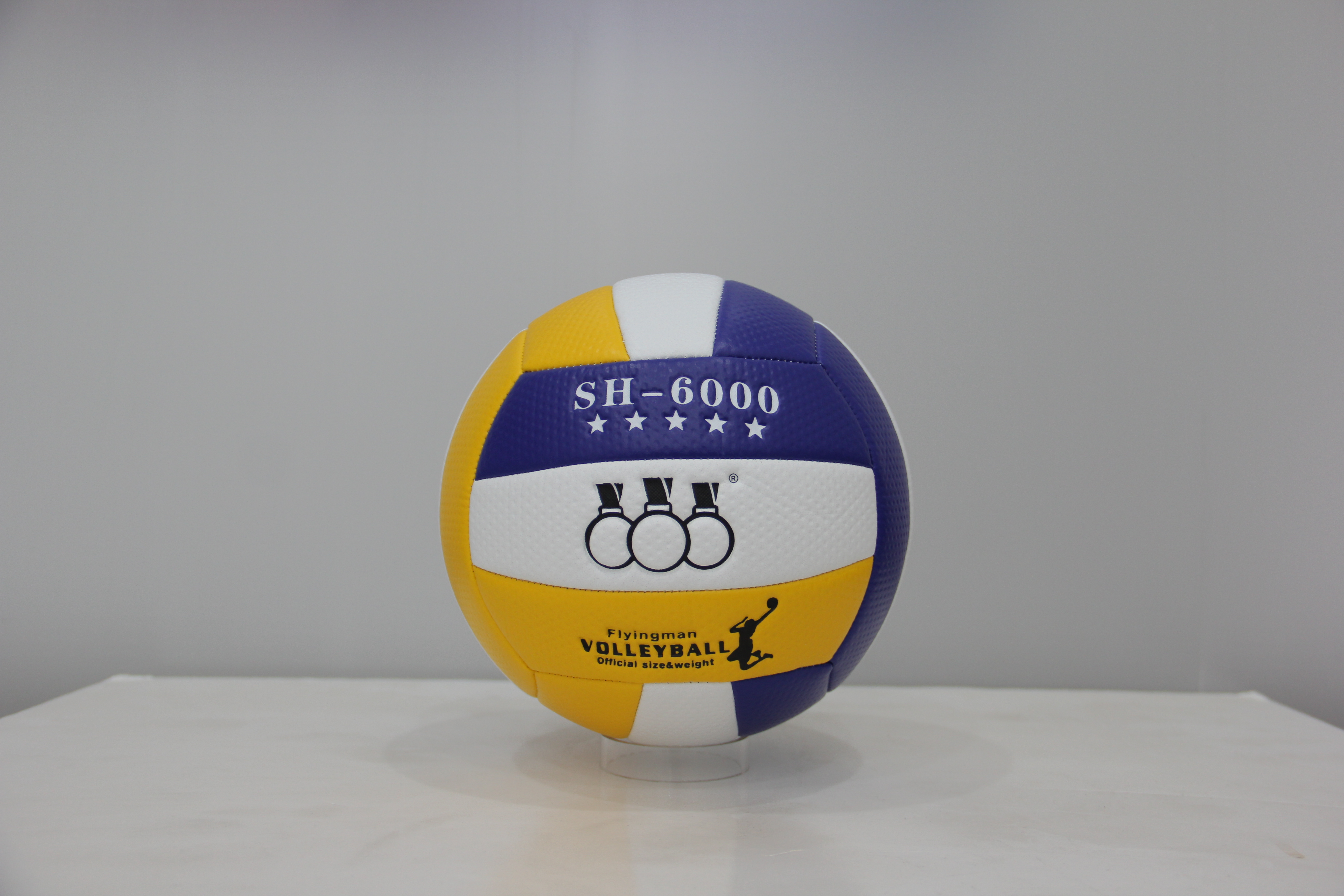
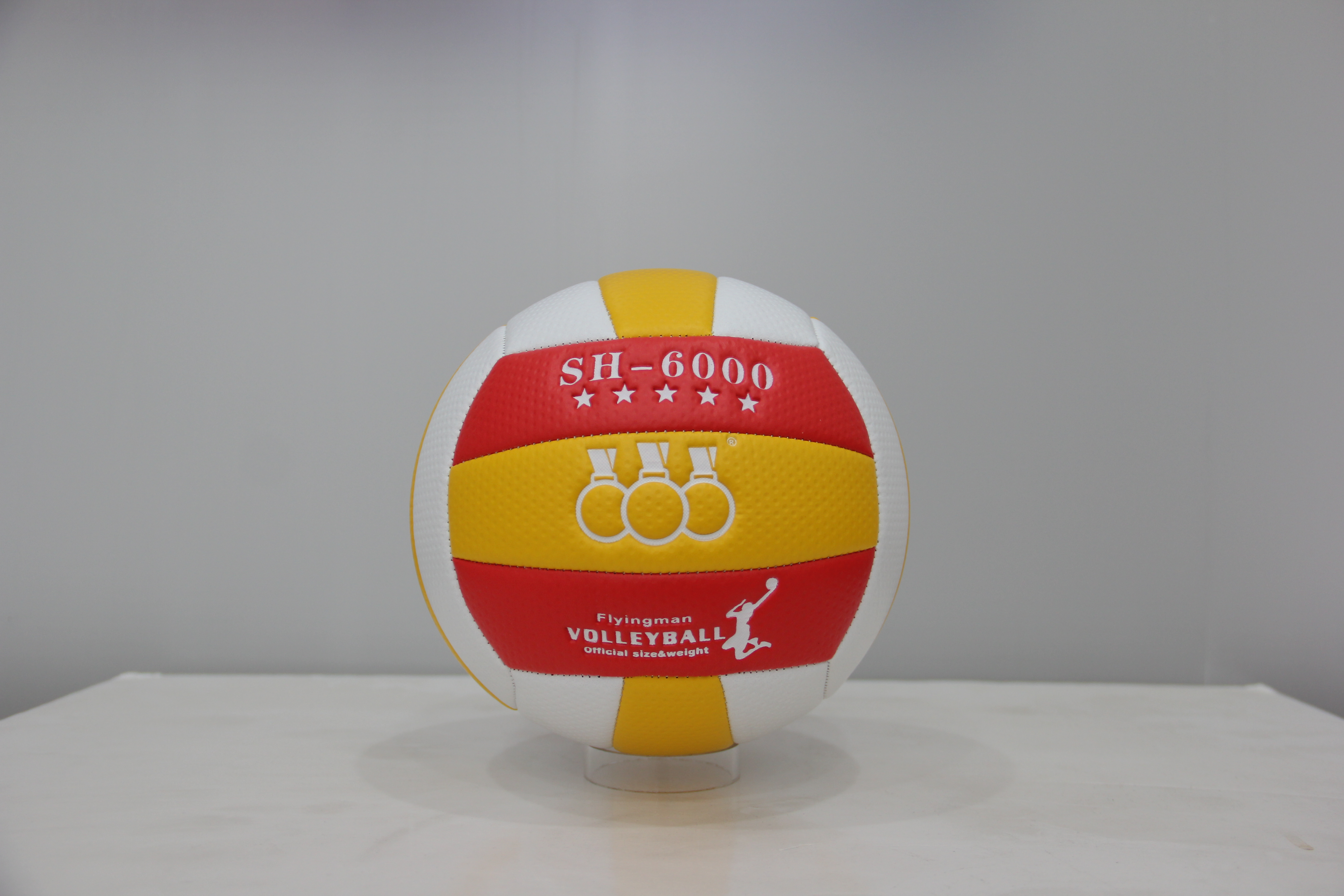
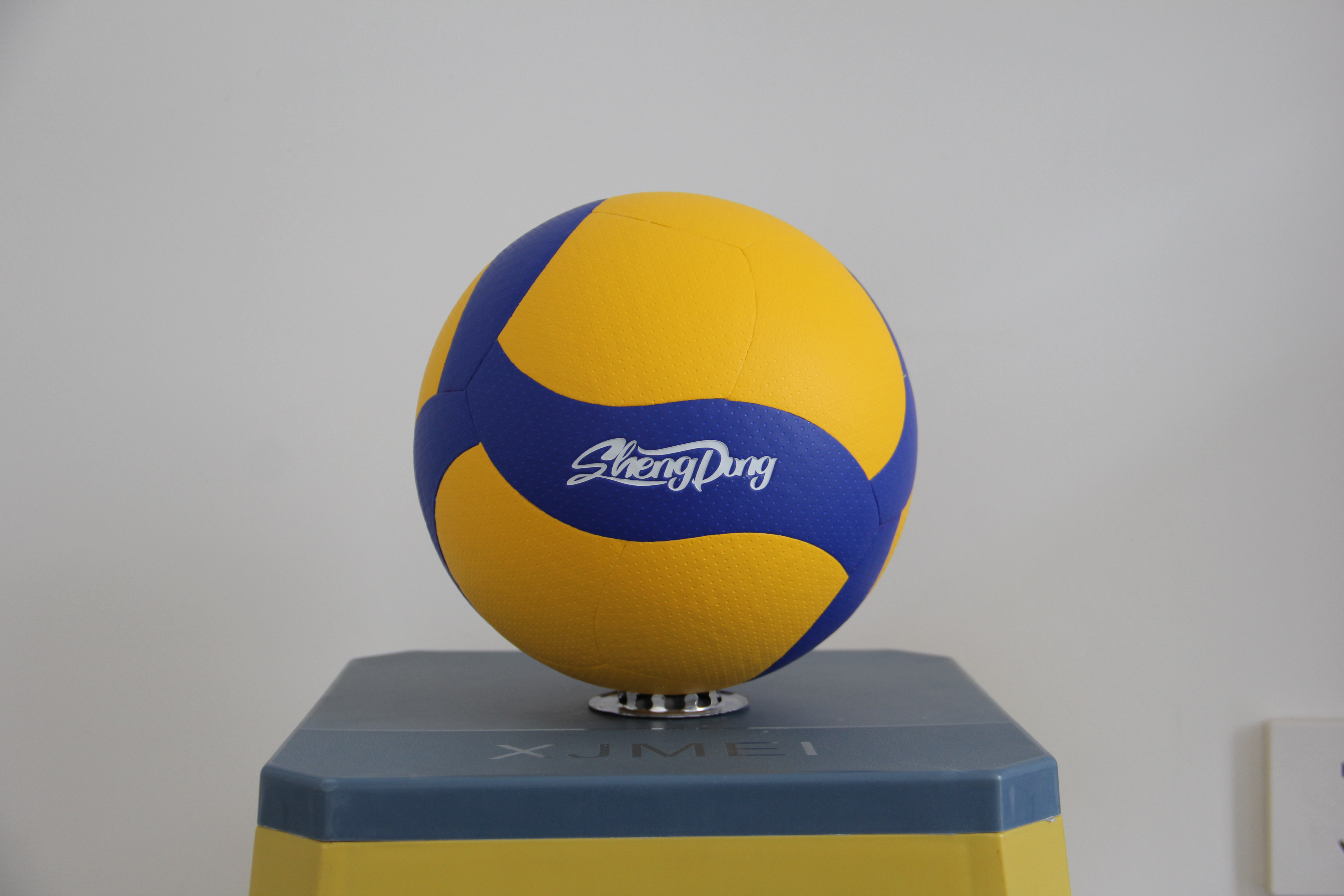
Men's indoor volleyball orders cover leagues, clubs and federations — Sanhuan offers custom printing and volume pricing for programs. Contemporary mens indoor volleyball designs predominantly feature either traditional 18-panel or streamlined 8-panel constructions, with each approach offering distinct performance advantages tailored to specific playing styles and competitive requirements. The 18-panel mens indoor volleyball configuration creates numerous seam intersections that provide excellent grip points for setters executing intricate plays, allowing fingertips to engage surface texture variations that enhance rotational control during overhead passes. Conversely, 8-panel mens indoor volleyball designs reduce seam count to minimize aerodynamic disruption during flight, resulting in straighter trajectories for serves and attacks that prove advantageous in power-focused playing systems. Manufacturing precision required for mens indoor volleyball panel assembly involves computerized cutting systems that shape each panel section to exacting specifications, ensuring perfect alignment during stitching or thermal bonding processes. The seam construction methods employed in premium mens indoor volleyball products utilize reinforced stitching patterns or advanced adhesive technologies that create bonds stronger than the surrounding materials, preventing separation even under extreme impact forces. Panel shape geometry in mens indoor volleyball designs follows mathematical principles that distribute stress evenly across the entire ball surface, preventing localized wear patterns that might develop with inferior constructions. Color blocking strategies incorporated into mens indoor volleyball panel arrangements serve dual purposes of aesthetic appeal and functional visibility enhancement, with contrasting sections helping players track rotation and trajectory during rapid exchanges. The material thickness selected for mens indoor volleyball panels balances durability requirements against tactile sensitivity needs, ensuring players receive adequate feedback during contact without compromising structural longevity. Testing procedures for mens indoor volleyball panel designs include wind tunnel analysis measuring drag coefficients at various velocities, simulating real-world flight conditions encountered during competitive play. The relationship between panel count and mens indoor volleyball performance becomes particularly evident during float serves, where reduced seam disruption in 8-panel designs creates unpredictable movement that challenges receiving players. Conversely, the increased surface variation in 18-panel mens indoor volleyball construction benefits defensive players attempting controlled digs and passes under pressure situations. Quality mens indoor volleyball panel assembly ensures perfect spherical geometry throughout the finished product, with tolerance levels measured in fractions of millimeters to guarantee consistent performance characteristics. Investment in mens indoor volleyball featuring optimized panel design delivers tangible competitive advantages through improved ball control, enhanced serving effectiveness, and superior overall playability that elevates team performance across all facets of the game.

 EN
EN