Where Soccer Balls and Volleyballs Are Used – Schools to Pro Leagues
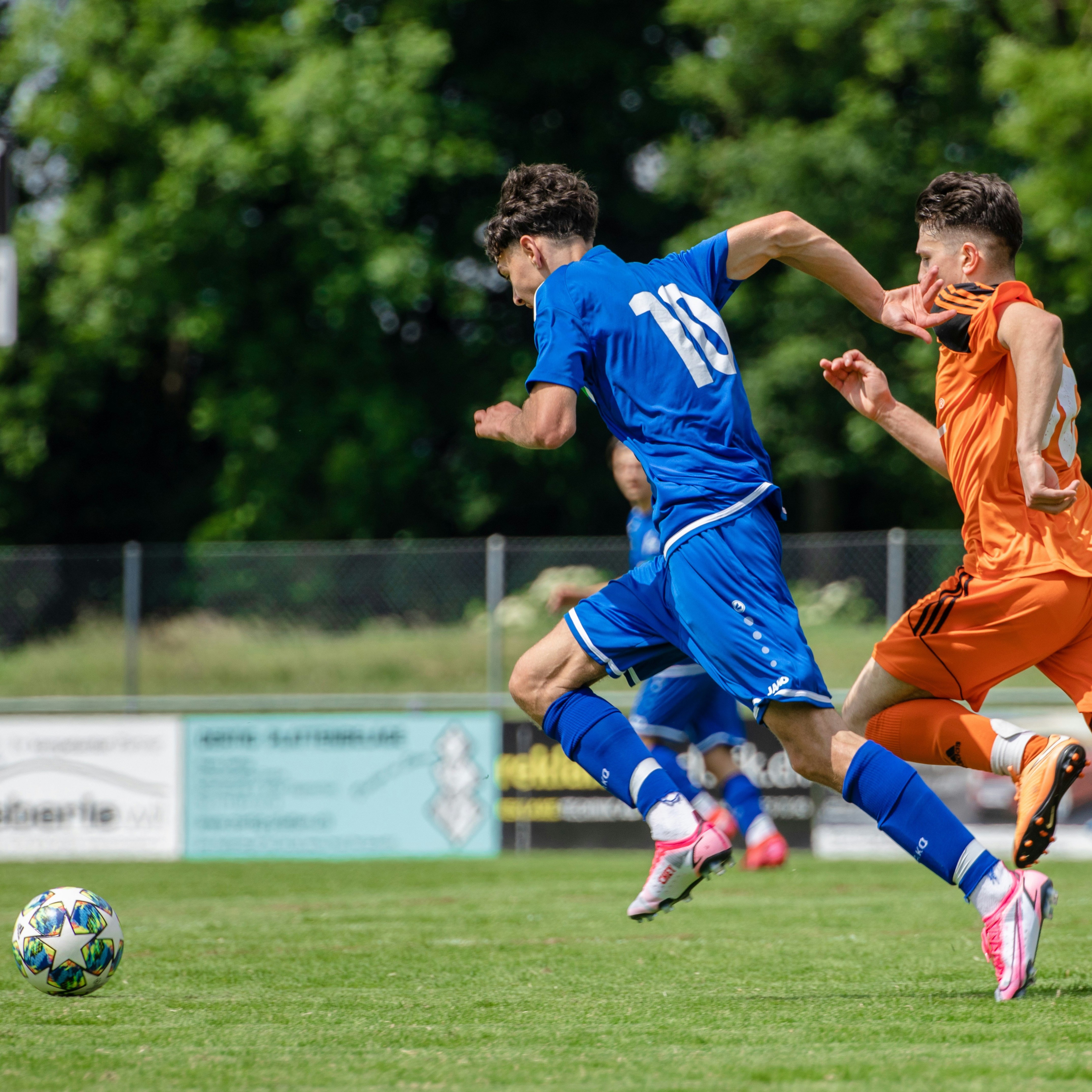
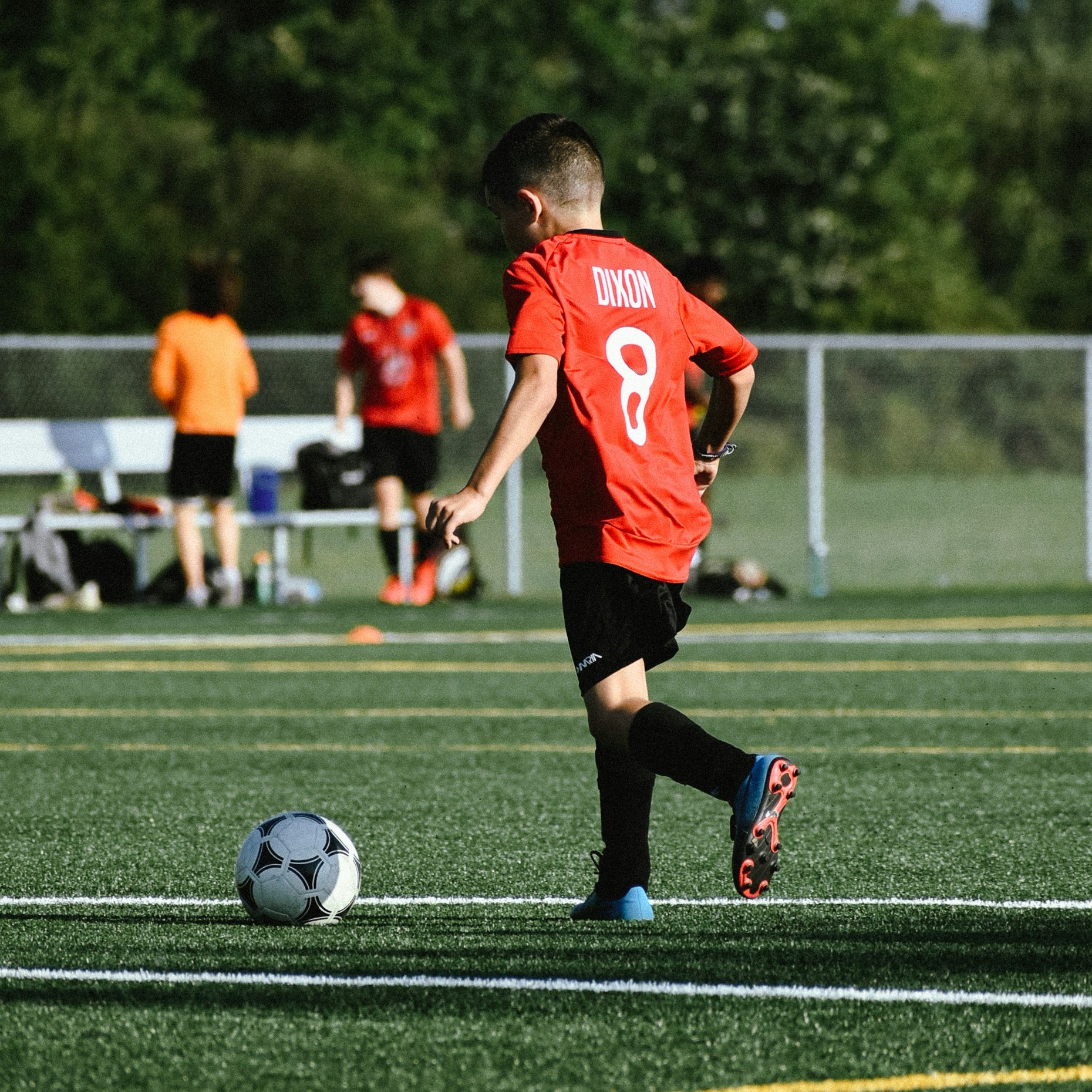
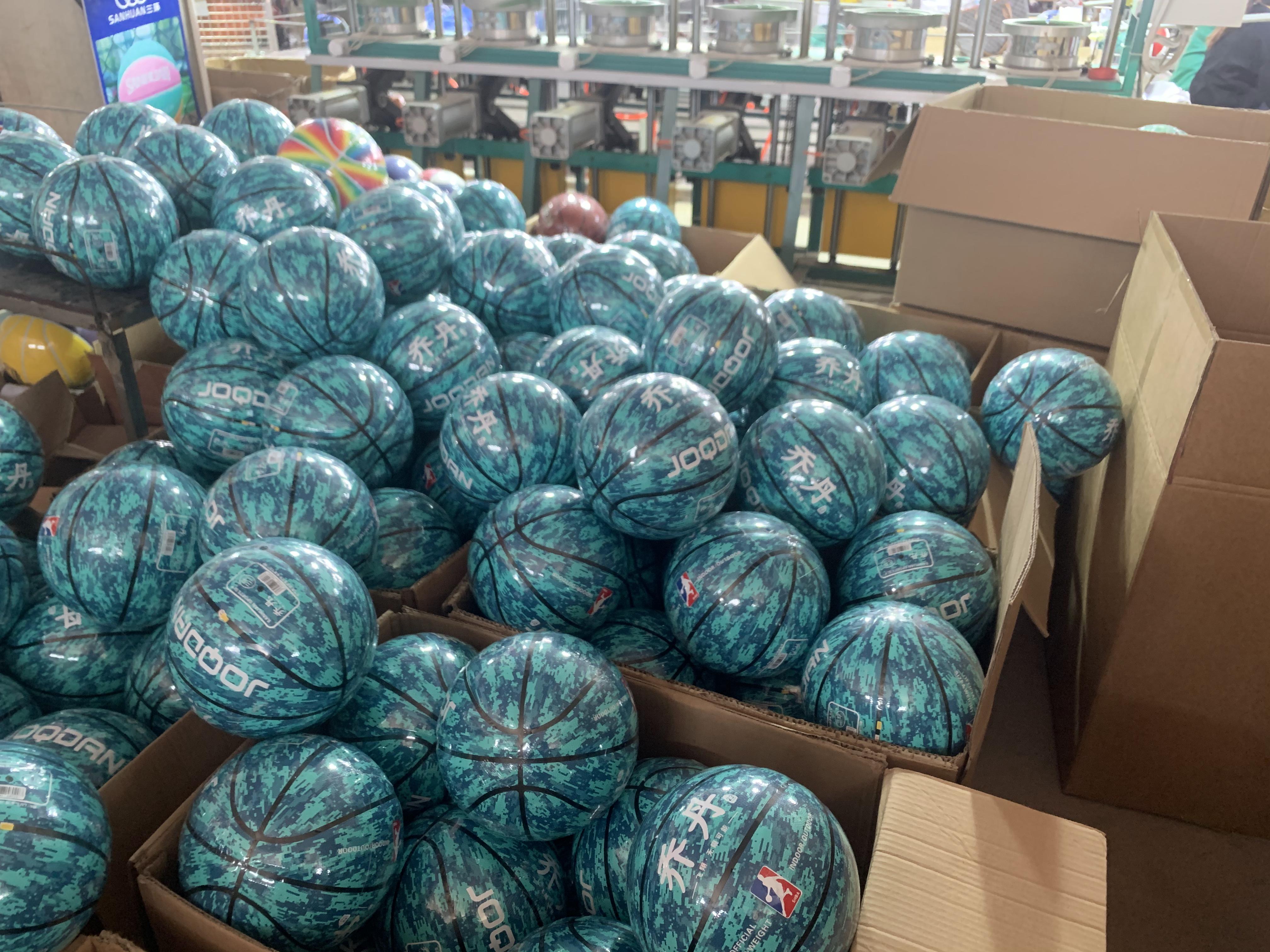
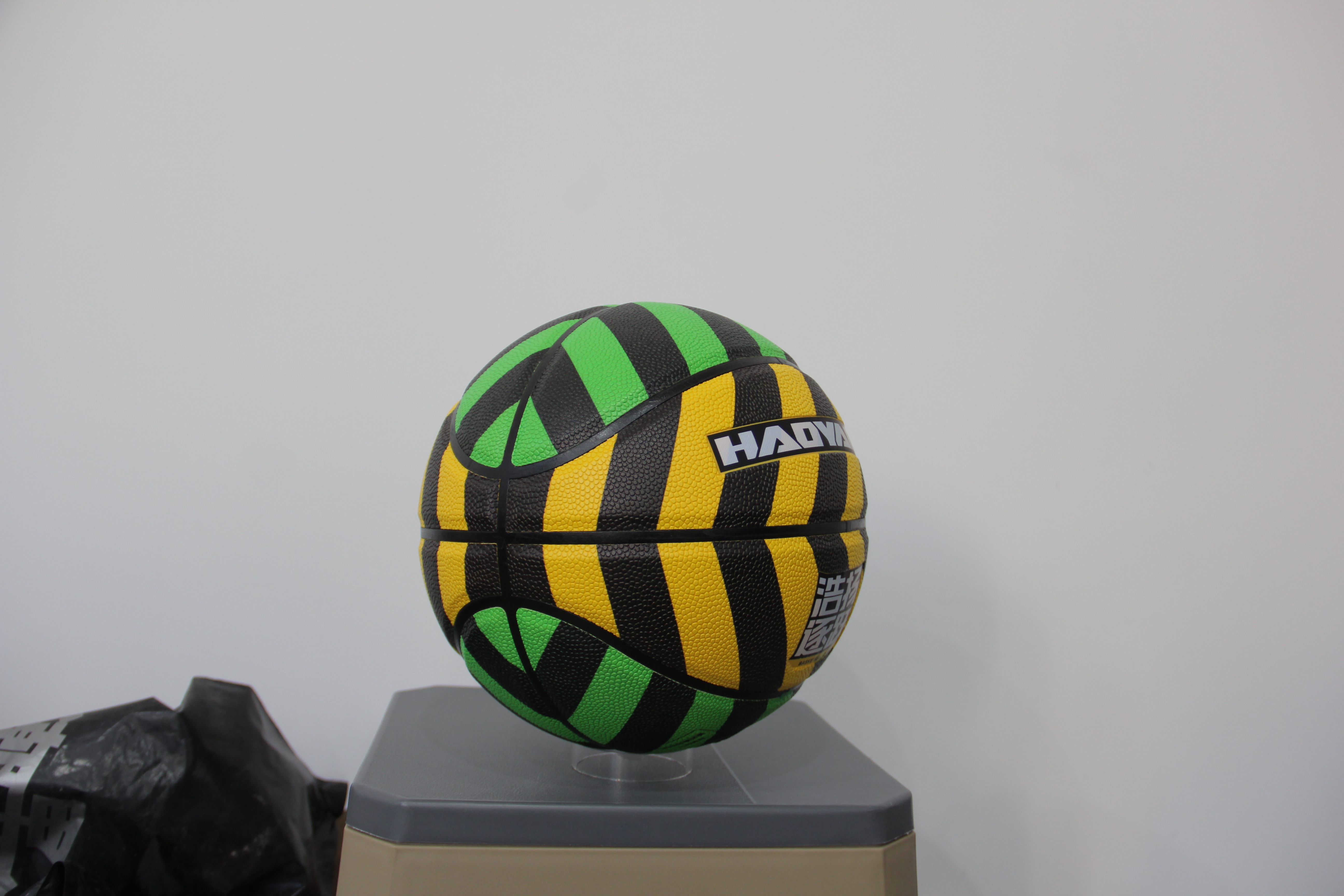
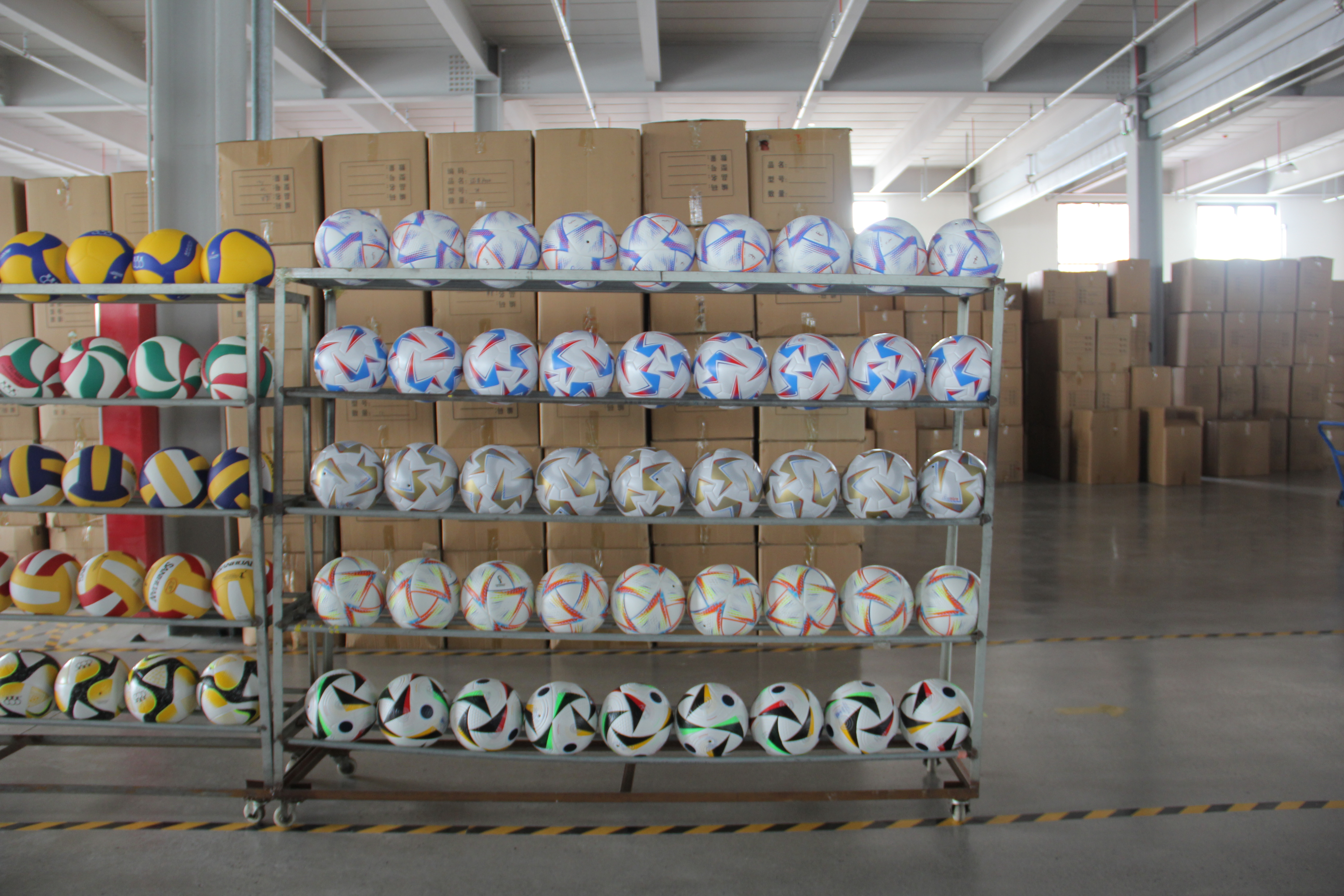
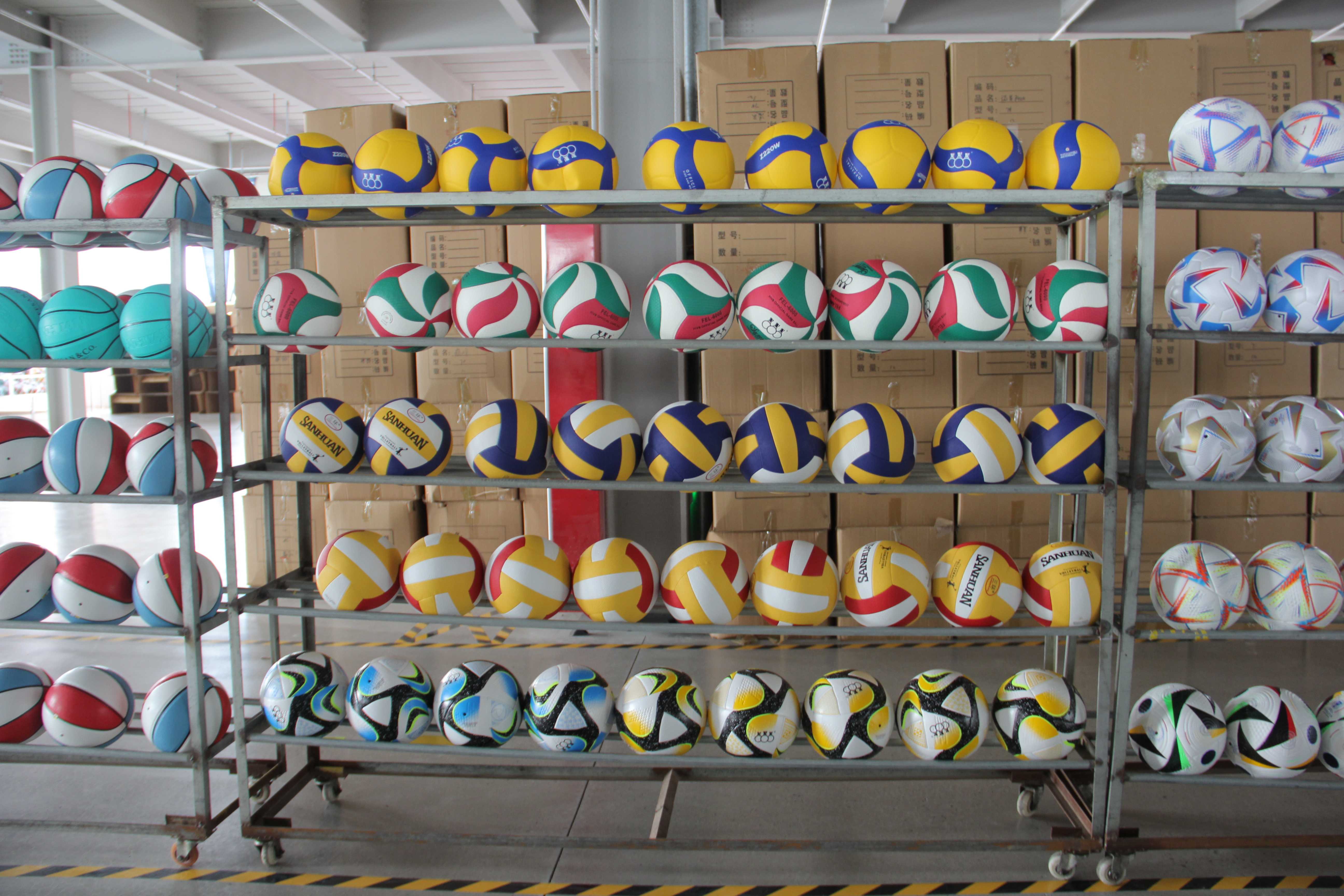
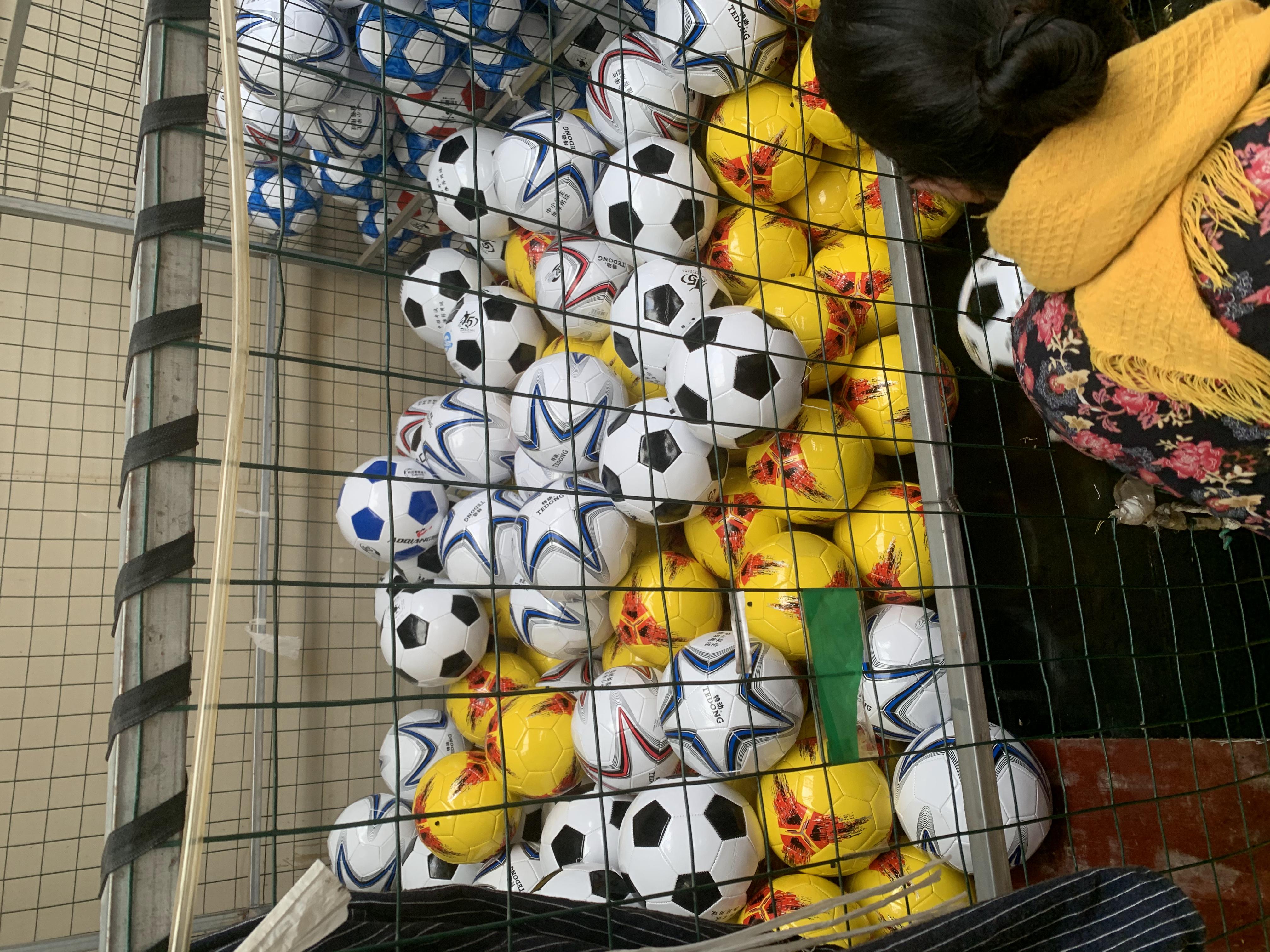
Soccer balls and volleyballs cover school PE, club leagues and professional tournaments — Sanhuan supplies both to schools, federations and distributors, with custom printing available on each. Soccer balls serve as foundational equipment in school physical education programs worldwide, introducing students to cardiovascular exercise, teamwork principles, strategic thinking, and motor skill development through structured lessons and informal play activities. The adaptability of soccer balls to various playing surfaces makes them ideal for urban environments where dedicated sports facilities may be limited, as they can be used effectively on asphalt playgrounds, grassy parks, indoor gymnasiums, and even beach settings with minimal equipment modifications. Recreational soccer leagues for adults have experienced tremendous growth, with soccer balls facilitating social connections and providing regular exercise opportunities for individuals seeking alternatives to traditional gym-based fitness routines. Volleyballs similarly demonstrate remarkable versatility, transitioning seamlessly between indoor court settings and outdoor beach environments with appropriate model selection. Beach volleyball has emerged as both a competitive Olympic sport and a popular recreational activity, with specialized beach volleyballs designed to perform optimally on sand surfaces while providing the durability needed to withstand abrasive contact with sand particles. Indoor volleyballs meet the demands of high-level competitive play while also serving recreational leagues, church groups, and community centers seeking inclusive activities that accommodate mixed skill levels and age groups. The relatively simple rules and equipment requirements of both soccer and volleyball make them accessible entry points for individuals new to organized sports, reducing barriers to participation that might exist with more equipment-intensive or complex activities. Fitness professionals have incorporated soccer balls and volleyballs into innovative training programs that utilize these familiar objects for agility drills, coordination exercises, core strengthening routines, and interval training sessions that disguise rigorous physical conditioning as engaging gameplay. Therapeutic applications have emerged in rehabilitation settings, where soccer balls and volleyballs provide motivating tools for patients recovering from injuries or surgeries, offering graduated resistance and range-of-motion challenges within familiar sporting contexts that encourage compliance with prescribed exercise protocols. Corporate team-building facilitators frequently incorporate soccer balls and volleyballs into retreat activities and wellness programs, leveraging the collaborative nature of these sports to strengthen workplace relationships and promote healthy lifestyle habits among employees. Family recreation represents another significant application area, with soccer balls and volleyballs creating opportunities for intergenerational play that brings together children, parents, and grandparents in shared physical activities that promote bonding while encouraging active lifestyles.

 EN
EN