Competition Volleyball: Professional-Grade Equipment for Championship Performance

Get a Free Quote

Our representative will contact you soon.
Email
Name
Company Name
Message
0/1000

competition volleyball

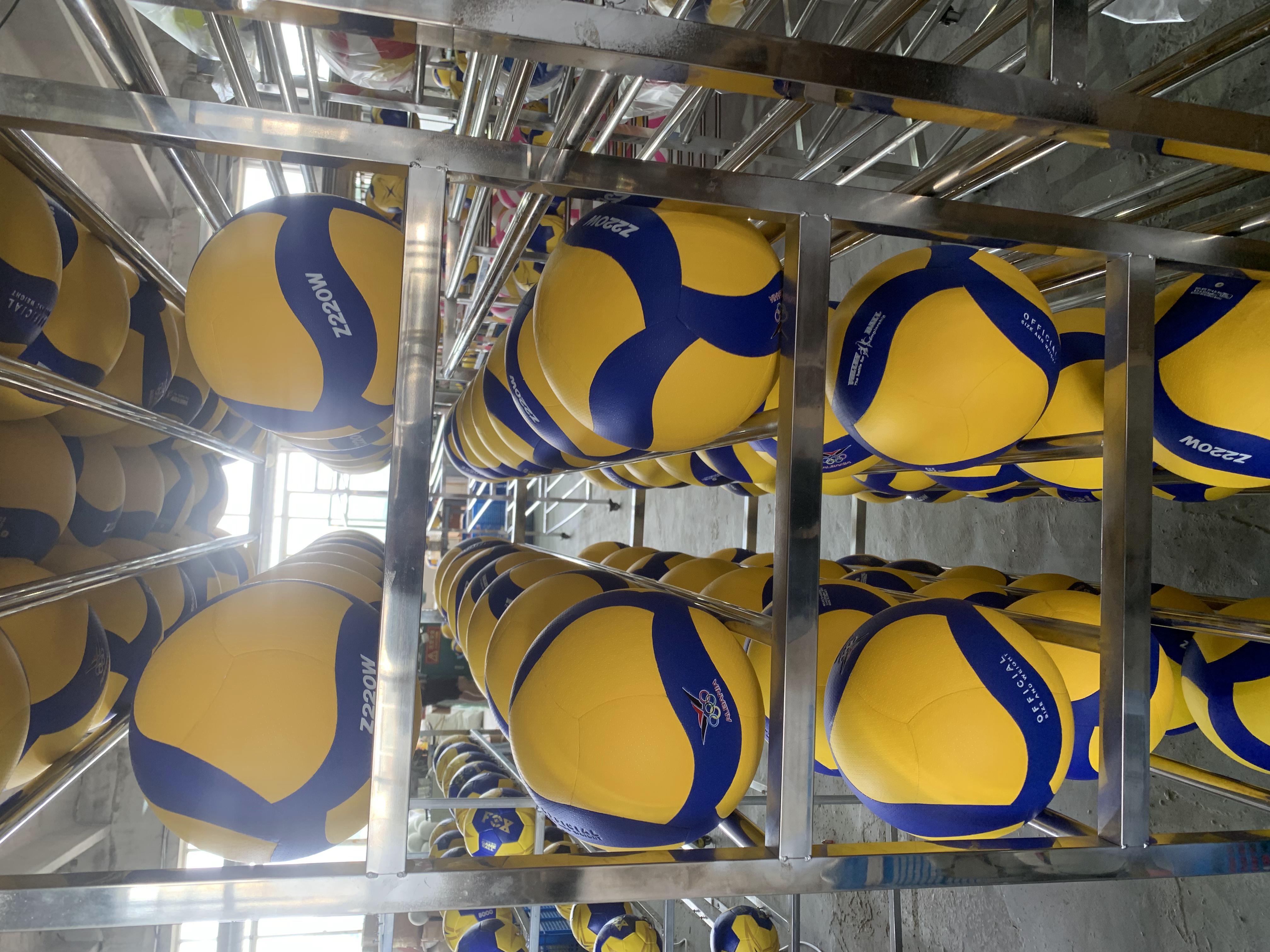
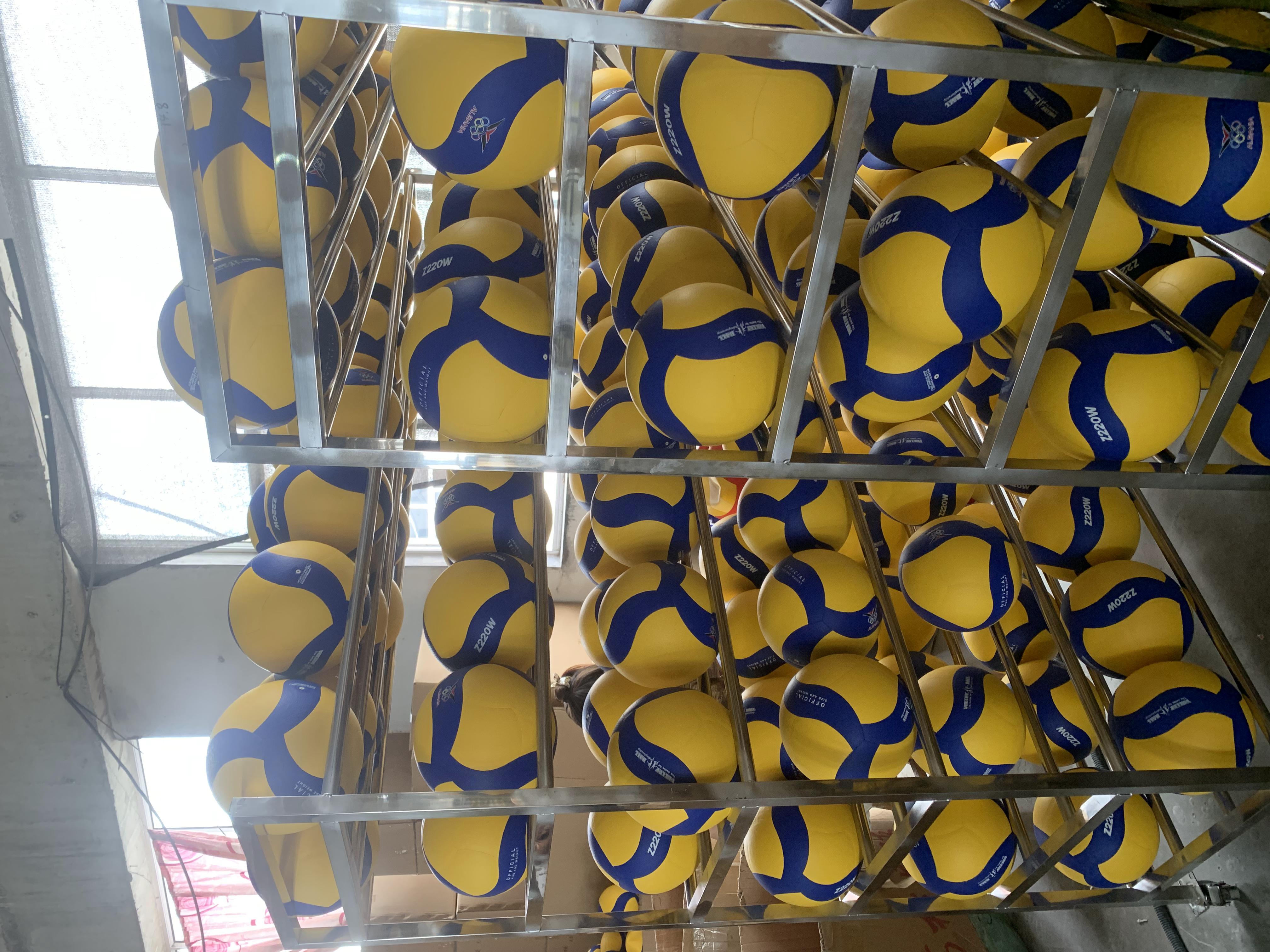
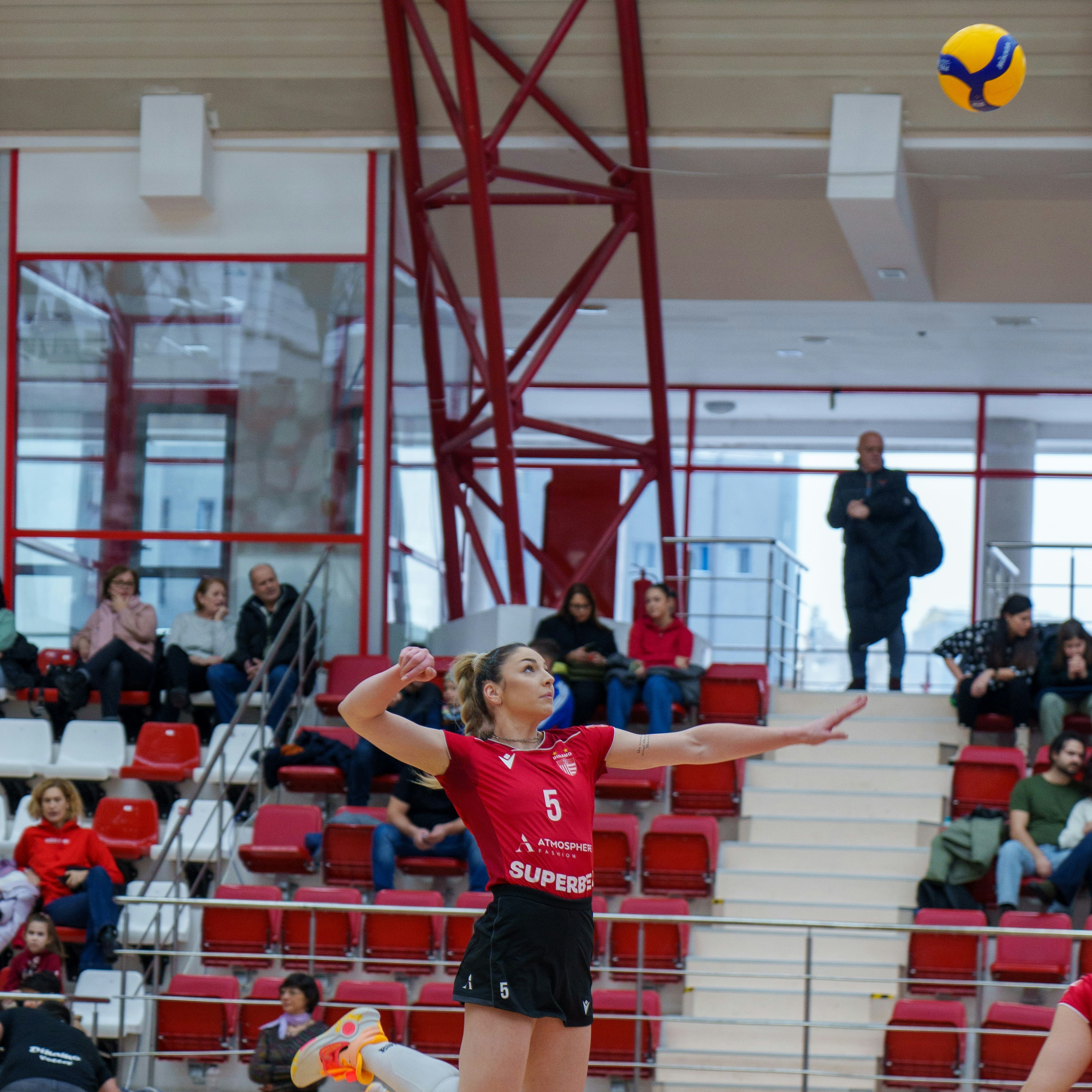
Competition volleyball represents the pinnacle of athletic equipment design, engineered specifically for professional tournaments, championship matches, and high-level competitive play. This specialized sporting equipment serves as the centerpiece of intense athletic contests, where precision, consistency, and performance standards must meet rigorous international specifications. The competition volleyball distinguishes itself through meticulous construction methods, premium material selection, and adherence to governing body regulations established by organizations such as FIVB and NCAA. Main functions of competition volleyball include providing optimal flight characteristics during serves, sets, spikes, and defensive plays while maintaining structural integrity throughout extended match duration. The sphere features precise circumference measurements, typically ranging from 65 to 67 centimeters, with weight specifications between 260 and 280 grams, ensuring standardized performance across all professional venues. Technological features incorporate advanced panel construction, usually consisting of 18 rectangular panels arranged in specific geometric patterns that optimize aerodynamic properties and visual tracking. The outer surface utilizes synthetic or genuine leather materials treated with specialized coatings that enhance grip without compromising durability. Internal bladder technology employs butyl rubber or similar compounds that maintain consistent air pressure, preventing fluctuations that could affect bounce characteristics and flight patterns. Applications extend beyond professional tournaments to include collegiate championships, Olympic competitions, regional qualifiers, training facilities for elite athletes, and sanctioned league matches. The competition volleyball undergoes stringent quality control processes, including pressure testing, shape retention evaluation, and surface texture analysis. Modern manufacturing techniques ensure each sphere meets exacting tolerances for roundness, balance, and responsiveness. Color schemes typically feature high-contrast panels in combinations of white, blue, and yellow, facilitating player tracking and referee visibility under various lighting conditions. The competition volleyball represents a critical investment for organizations committed to maintaining professional standards and providing athletes with equipment that enables peak performance during decisive moments of athletic achievement.

New Product Recommendations

Competition volleyball delivers substantial benefits that directly impact player performance, match quality, and overall competitive experience. The primary advantage centers on exceptional consistency, as each sphere manufactured to competition specifications performs identically, eliminating variables that might otherwise influence match outcomes. Athletes develop muscle memory and timing based on predictable flight paths, bounce characteristics, and contact feel, allowing them to execute techniques with confidence during high-pressure situations. The superior construction quality translates into extended lifespan, withstanding thousands of powerful spikes, serves, and defensive digs without significant deterioration in performance characteristics. This durability provides excellent value for athletic departments, tournament organizers, and professional leagues by reducing replacement frequency and maintaining equipment budgets. Enhanced grip technology built into competition volleyball surfaces enables players to execute precise ball handling maneuvers, including jump serves with topspin, quick sets to outside hitters, and controlled defensive passes to target zones. The textured panels facilitate better contact even when hands are perspiring, maintaining control throughout intense rallies that test physical endurance. Optimal weight distribution ensures balanced rotation during flight, creating predictable trajectories that skilled players can anticipate and exploit strategically. This balance proves particularly valuable for setters who must deliver accurate passes to multiple attack positions while defenders calculate interception angles. Standardized air pressure retention prevents mid-match inconsistencies that could disrupt rhythm and timing, ensuring the sphere responds identically during opening volleys and championship points. The professional-grade construction minimizes water absorption, maintaining performance characteristics even in humid conditions or during outdoor competitions affected by weather elements. Visual design elements featuring high-contrast color panels improve tracking ability, allowing players to react faster to serves, judge positioning more accurately, and make split-second decisions that separate winning plays from errors. Referees benefit from enhanced visibility when making line calls and determining violations, contributing to fair officiating and reduced disputed calls. The psychological advantage of competing with authentic equipment used in professional circuits motivates athletes to elevate their performance standards and develop skills transferable to higher competition levels. Tournament directors appreciate the professional presentation quality that competition volleyball provides, enhancing event prestige and attracting participants who demand serious competitive environments. Investment in genuine competition volleyball demonstrates organizational commitment to excellence, building reputation among athletes, coaches, and sports communities. The consistent performance characteristics facilitate accurate statistical analysis, as coaches can evaluate player metrics knowing equipment variables remain constant across training sessions and competitive matches. Teams preparing for championship tournaments gain competitive advantages by training with identical equipment they will encounter during decisive matches, eliminating adjustment periods that might otherwise hinder performance.

Practical Tips

Which factors determine rugby ball durability for training?

18

May

Which factors determine rugby ball durability for training?

When selecting equipment for intensive training programs, understanding which factors determine rugby ball durability becomes essential for coaches, club managers, and training coordinators who need to balance performance quality with long-term inves...
View More
Why does rugby ball grip matter for handling performance?

11

May

Why does rugby ball grip matter for handling performance?

The grip quality of a rugby ball fundamentally determines whether players can execute clean catches, accurate passes, and secure carries under match pressure. Unlike sports equipment where surface texture serves primarily aesthetic purposes, the grip...
View More
How does rugby ball size vary across different game levels?

04

May

How does rugby ball size vary across different game levels?

Understanding how rugby ball size varies across different game levels is essential for players, coaches, and equipment managers who want to ensure optimal performance and safety. The dimensions and weight of a rugby ball are not arbitrary—they ...
View More
What is a rugby ball and how does its shape affect play?

01

May

What is a rugby ball and how does its shape affect play?

The rugby ball stands as one of the most distinctive sporting objects in the world, instantly recognizable by its unique prolate spheroid shape. Unlike the perfectly round balls used in soccer or basketball, the rugby ball features an elongated oval ...
View More

Get a Free Quote

Our representative will contact you soon.
Email
Name
Company Name
Message
0/1000

competition volleyball

Advanced Panel Construction Technology for Superior Flight Dynamics

Advanced Panel Construction Technology for Superior Flight Dynamics

The competition volleyball incorporates sophisticated panel construction methodology that fundamentally transforms aerodynamic performance and flight predictability. Engineers design the 18-panel configuration using precise geometric calculations that optimize air resistance patterns and rotational stability during high-velocity impacts. Each rectangular panel undergoes individual quality inspection before assembly, ensuring uniform thickness, consistent texture density, and proper material composition. The strategic arrangement of these panels creates specific seam patterns that interact with airflow during flight, generating stable trajectories that skilled players can predict and exploit tactically. This panel architecture differs significantly from recreational models that may utilize fewer panels or irregular shapes, resulting in unpredictable wobbling or erratic flight paths that undermine competitive integrity. Manufacturing processes employ thermal bonding or precision stitching techniques that create flush seam profiles, minimizing turbulence disruption and maintaining smooth airflow across the sphere surface. The competition volleyball benefits from computer-aided design systems that model thousands of flight scenarios, optimizing panel dimensions and placement for consistent performance across diverse playing conditions. Professional athletes rely on these predictable flight characteristics when executing jump serves that must clear the net with minimal clearance while diving sharply into target zones. Setters depend on consistent ball response when delivering quick tempo sets that arrive at precise heights and locations, enabling hitters to time their approaches perfectly. The advanced panel construction resists deformation during powerful spikes that can generate forces exceeding 100 kilometers per hour, maintaining spherical integrity that ensures accurate rebounds from blocking attempts. Tournament organizers value this construction quality as it eliminates mid-match equipment failures that could disrupt competition schedules or compromise fair play standards. The panel configuration also enhances visual tracking capabilities, as the contrasting color boundaries create reference points that help players judge rotation speed and predict landing locations. Defensive specialists utilize these visual cues when positioning for digs, calculating angles based on observed spin patterns. The thermal bonding technology employed in premium competition volleyball models creates molecular-level adhesion between panels, preventing separation even after thousands of impact cycles that would compromise inferior construction methods. Quality control protocols test each competition volleyball through simulated match conditions, including repeated high-force impacts, pressure cycling, and environmental exposure, ensuring only spheres that maintain strict performance standards reach competitive venues. The investment in advanced panel construction technology delivers measurable performance advantages that influence match outcomes, justify premium pricing, and establish competition volleyball as essential equipment for serious athletic programs committed to excellence.
Premium Material Selection Ensuring Consistent Performance and Durability

Premium Material Selection Ensuring Consistent Performance and Durability

Competition volleyball distinguishes itself through meticulous material selection processes that prioritize performance consistency, tactile response, and structural longevity under demanding competitive conditions. The outer covering typically utilizes premium synthetic leather or top-grain genuine leather, chosen specifically for optimal grip characteristics, moisture resistance, and abrasion tolerance. Synthetic leather compositions incorporate polyurethane compounds engineered to replicate natural leather feel while offering superior consistency across production batches, eliminating organic material variations that might affect performance. These advanced polymers undergo surface treatments that create microscopic texture patterns, enhancing friction coefficients that improve player grip without causing excessive hand irritation during extended matches. The competition volleyball outer material resists environmental degradation from ultraviolet exposure, temperature fluctuations, and humidity changes that would compromise recreational models constructed from inferior compounds. Material engineers conduct extensive testing to identify compositions that maintain consistent hardness ratings across temperature ranges encountered in various venue conditions, ensuring indoor performances remain identical whether competitions occur in climate-controlled arenas or facilities with variable environmental conditions. The internal bladder represents another critical material component, typically manufactured from butyl rubber compounds selected for exceptional air retention properties and elastic memory characteristics. This specialized bladder material prevents gradual pressure loss that would alter bounce height and flight speed during matches, eliminating the need for frequent inflation adjustments that could disrupt competition flow. The butyl composition also resists stretching under repeated impact stress, maintaining the precise spherical shape required for predictable performance. Competition volleyball manufacturers source materials from certified suppliers who document chemical compositions, physical properties, and quality consistency, ensuring each production batch meets identical specifications. This supply chain rigor prevents performance variations between different manufacturing runs, allowing athletic programs to purchase replacement equipment confident in receiving identical performance characteristics. The adhesive systems bonding panels to bladder cores utilize industrial-grade compounds resistant to temperature extremes and mechanical stress, preventing delamination failures that would render equipment unusable mid-tournament. Surface coatings applied to finished competition volleyball products provide additional protective benefits, creating moisture barriers that prevent water absorption while maintaining the tactile properties players demand for controlled ball handling. These coatings incorporate anti-microbial agents that inhibit bacterial growth, addressing hygiene concerns in shared equipment environments. Material selection extends to reinforcement elements integrated into high-stress zones, including valve areas and seam intersections where concentrated forces during impacts could initiate failure points. Premium competition volleyball models incorporate aramid fiber reinforcements or similar high-strength materials that distribute stress loads, extending operational lifespan significantly beyond standard recreational equipment. The financial investment in superior materials generates substantial long-term value through reduced replacement frequency, consistent training environments, and enhanced competitive performance that can influence tournament outcomes and athlete development trajectories.
Rigorous Certification Standards Meeting International Competition Requirements

Rigorous Certification Standards Meeting International Competition Requirements

Competition volleyball achieves its professional status through compliance with comprehensive certification standards established by governing bodies that regulate international, national, and collegiate competitions. The International Volleyball Federation, known as FIVB, maintains detailed specifications covering dimensional tolerances, weight parameters, pressure requirements, bounce characteristics, and construction methodologies that competition volleyball must satisfy before receiving official approval for sanctioned events. These stringent standards ensure competitive equity across global tournaments, eliminating equipment advantages that might otherwise favor certain teams or playing styles. The certification process involves submitting sample competition volleyball units to accredited testing laboratories where technicians conduct exhaustive evaluations measuring circumference precision within millimeter tolerances, weight consistency within gram specifications, and pressure retention over extended periods simulating match duration. Bounce testing protocols drop spheres from standardized heights onto specified surfaces, measuring rebound percentages that must fall within narrow acceptable ranges. Sphericity assessments employ precision measurement instruments that detect shape irregularities exceeding allowable deviations, rejecting any competition volleyball exhibiting asymmetric characteristics that could affect flight paths. Surface texture analysis quantifies grip properties through friction coefficient measurements, ensuring values support controlled ball handling without causing excessive skin abrasion. Durability testing subjects competition volleyball samples to thousands of simulated impacts replicating serves, spikes, and blocks, then reevaluating all performance parameters to confirm retention of original specifications throughout projected lifespan. Water absorption tests immerse spheres in controlled conditions, measuring weight gain that could affect performance in humid environments or during outdoor competitions. Color fastness evaluations expose panels to ultraviolet radiation and abrasion cycles, verifying visual contrast maintenance critical for player tracking and referee visibility. Valve integrity testing cycles air pressure repeatedly while monitoring for leakage rates exceeding acceptable thresholds. Successfully completing this comprehensive certification process allows manufacturers to display official approval markings on competition volleyball products, signaling to tournament directors, coaches, and athletes that equipment meets professional standards. National governing bodies including USA Volleyball and NCAA maintain similar certification requirements adapted to specific competition formats and athlete demographics, creating tiered approval systems for different competitive levels. Athletic programs seeking competition volleyball for championship events verify certification status to ensure compliance with tournament regulations and avoid equipment disqualifications that could affect eligibility or seeding. The certification standards also provide consumer protection, as athletes and organizations can purchase with confidence knowing certified competition volleyball has undergone independent verification rather than relying solely on manufacturer claims. Premium manufacturers view certification as quality validation that differentiates their competition volleyball from uncertified alternatives flooding markets with inferior specifications and questionable performance consistency. The ongoing compliance requirements mandate periodic retesting as manufacturing processes evolve or material suppliers change, maintaining certification integrity across production timeframes. This regulatory framework elevates competition volleyball beyond simple sporting goods into precision athletic instruments that meet measurable performance standards, supporting fair competition and enabling athletes to perform at their maximum potential without equipment-related limitations or inconsistencies.

Get a Free Quote

Our representative will contact you soon.
Email
Name
Company Name
Message
0/1000