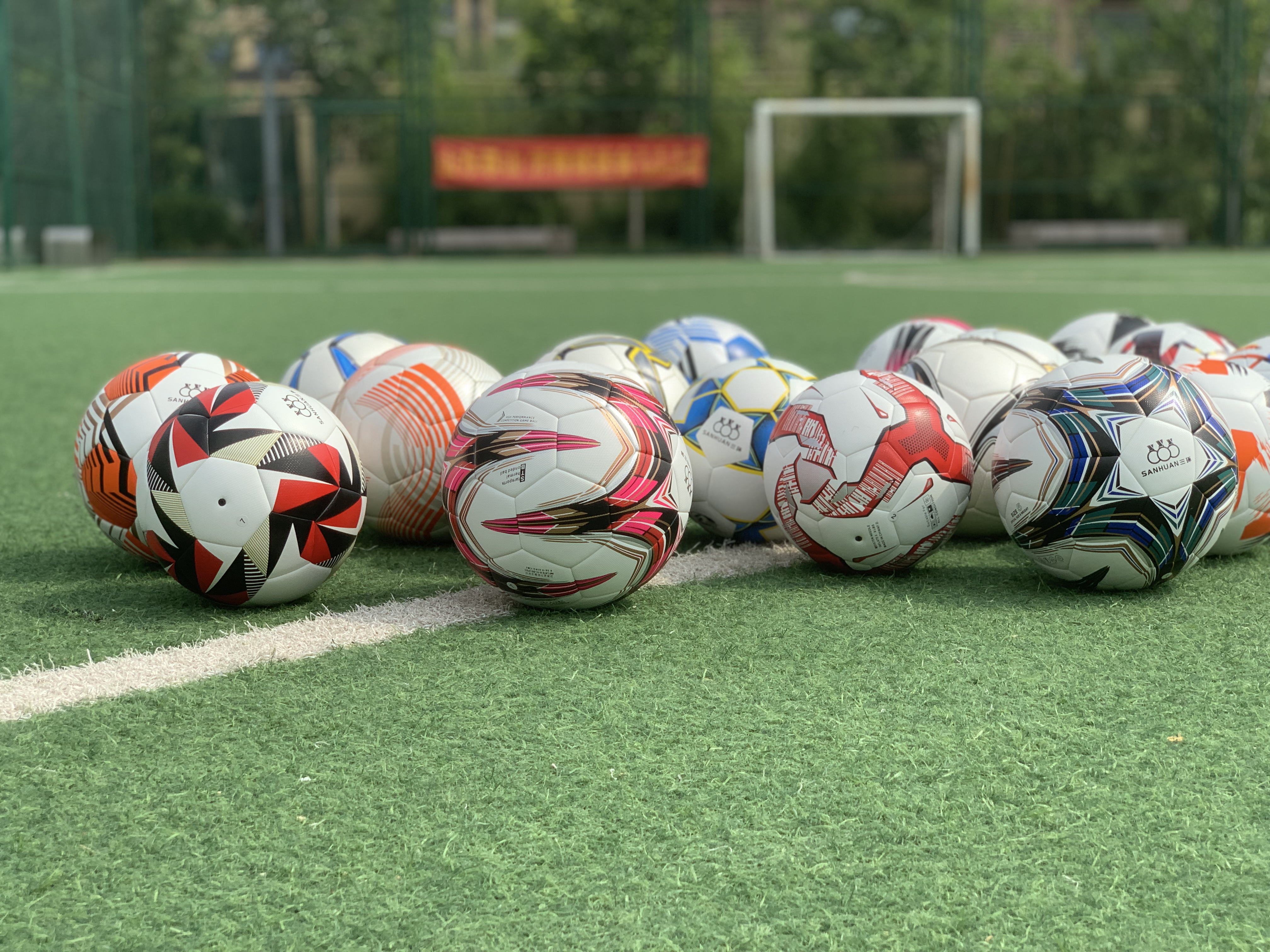
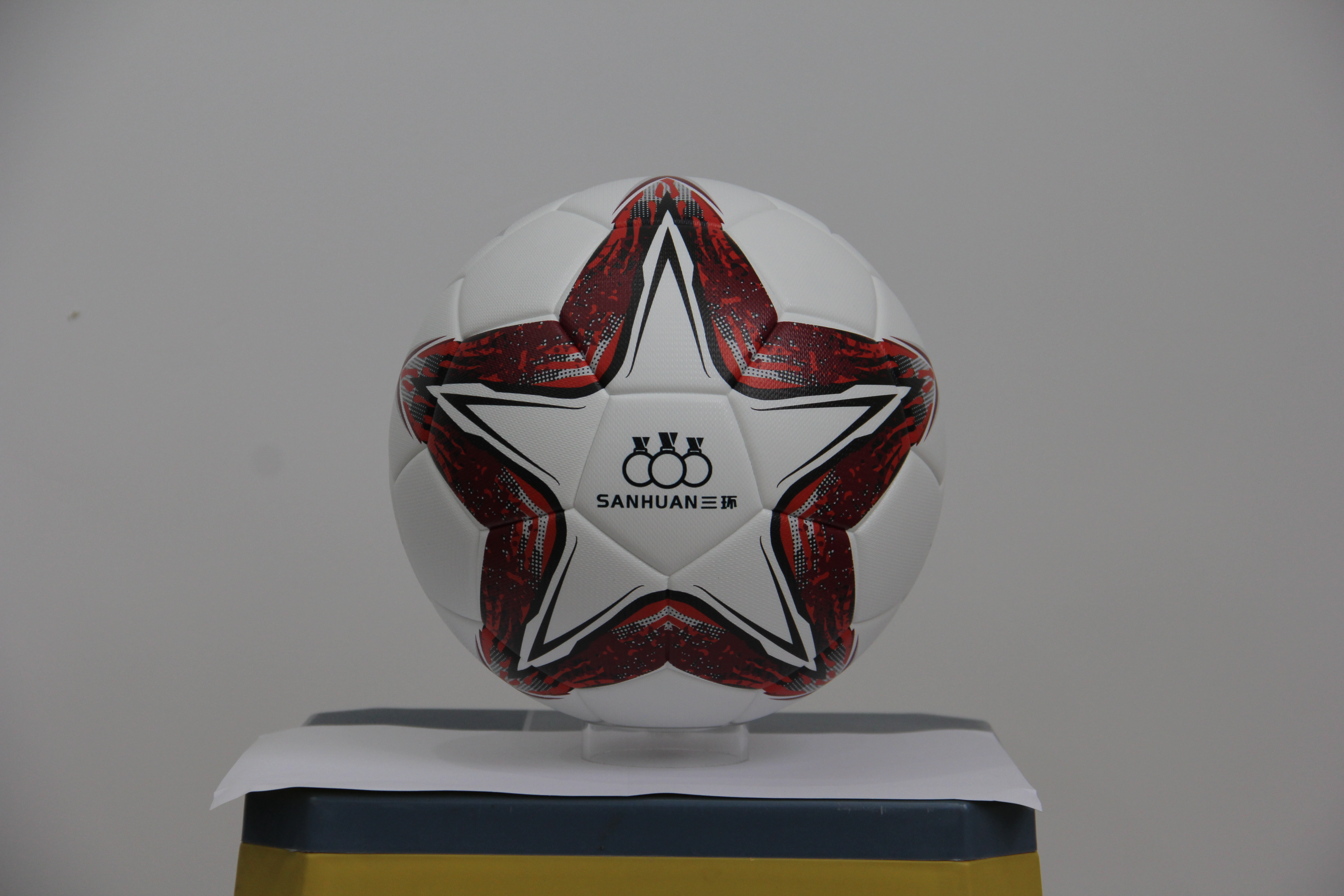
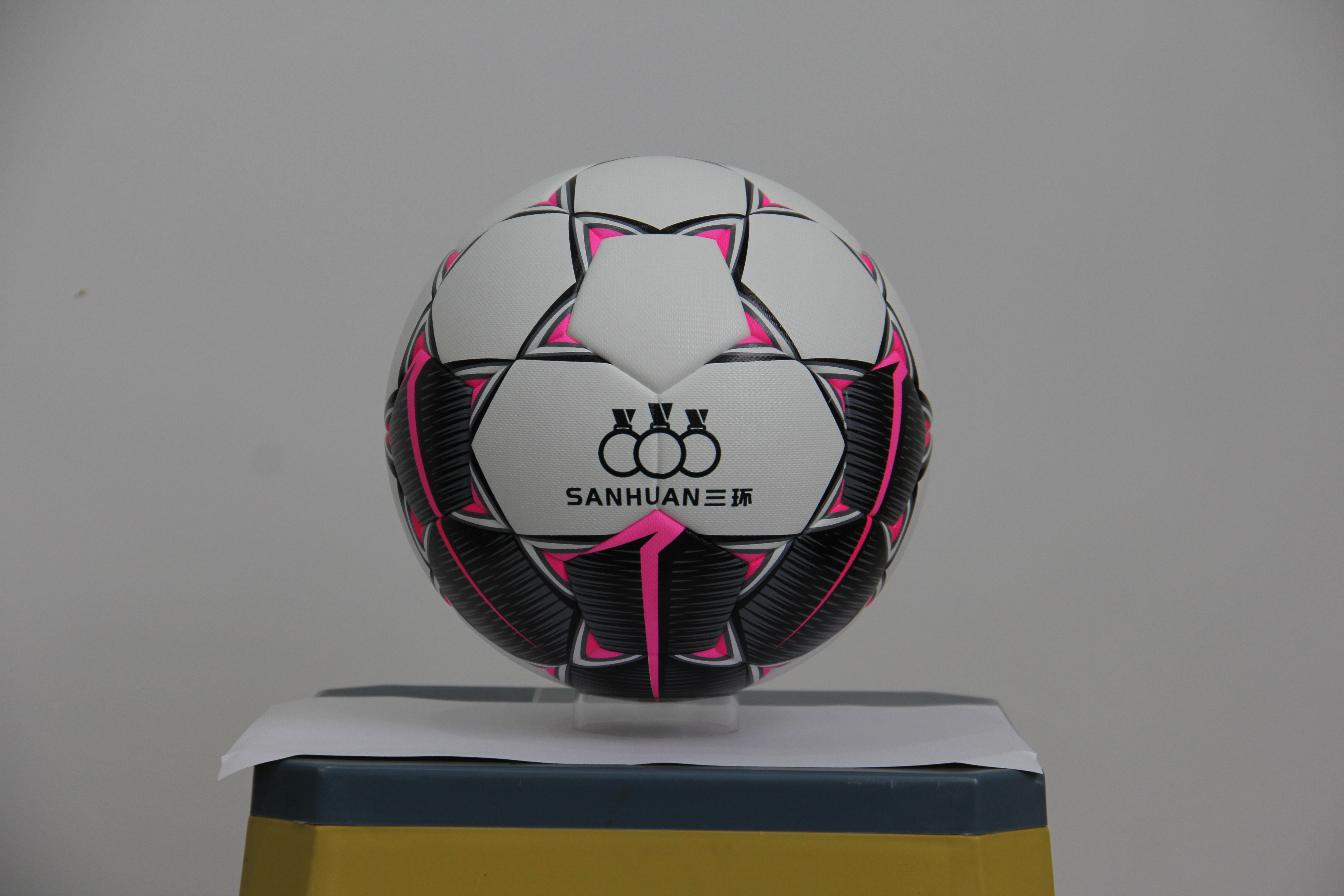
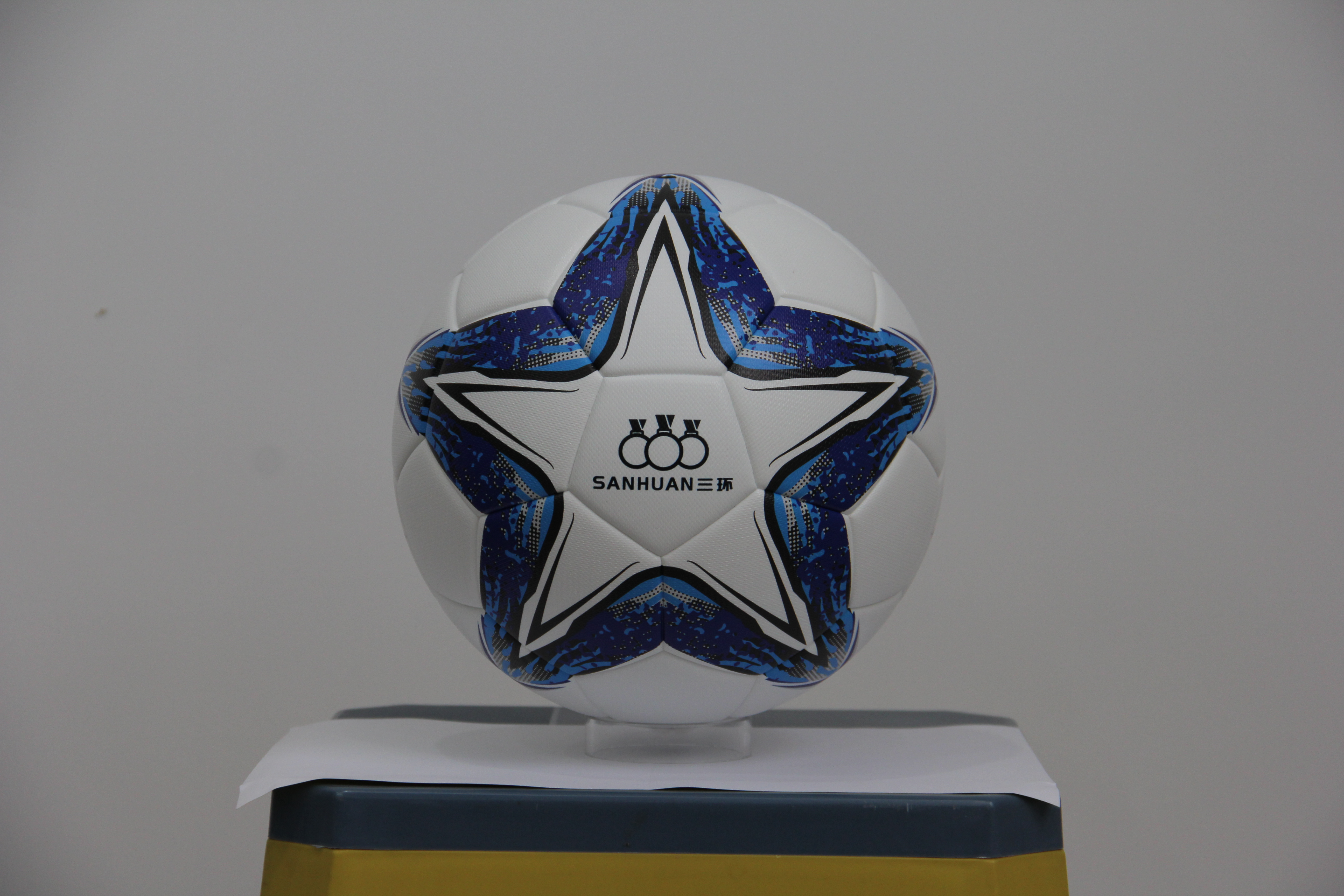
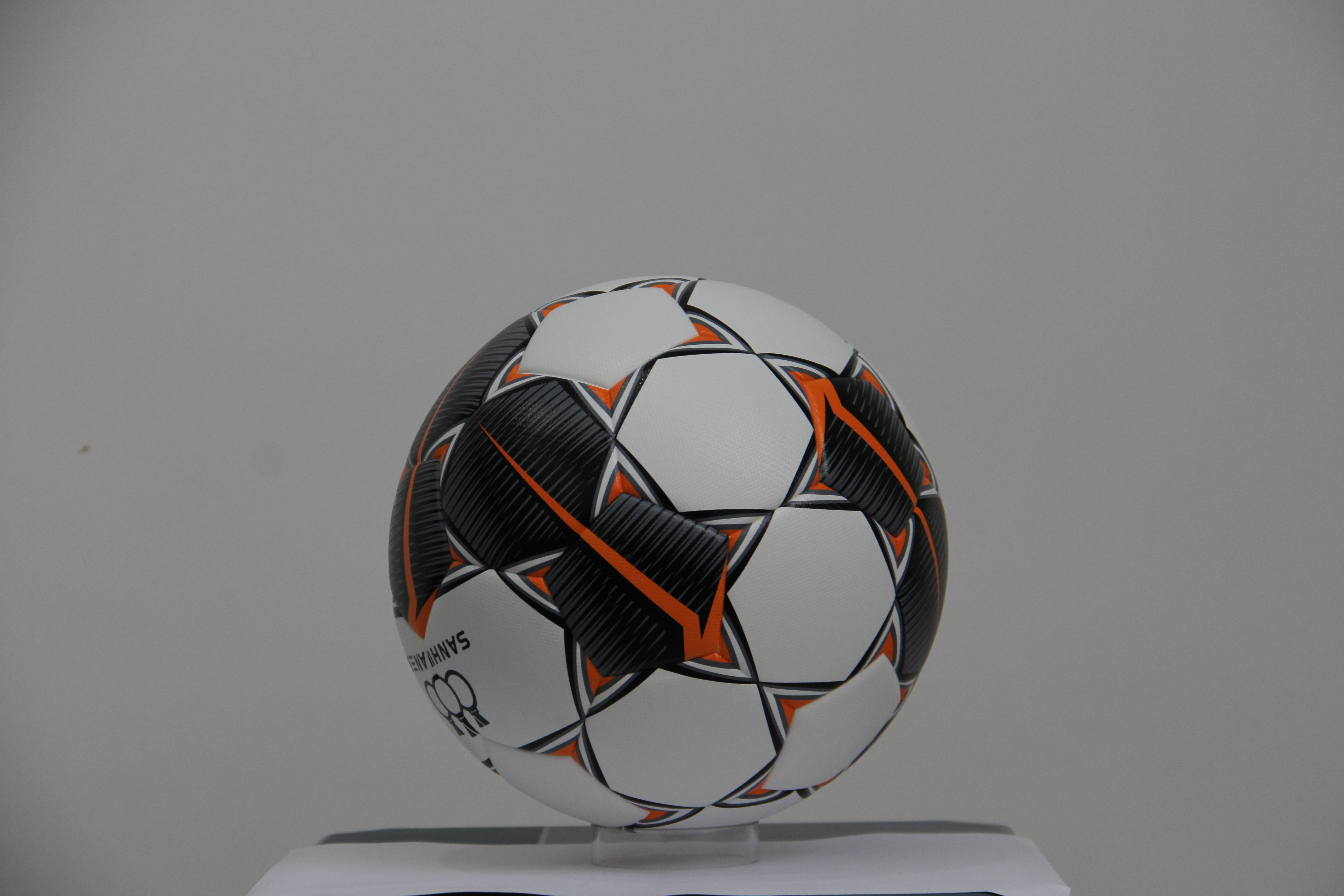
Official Match Soccer Balls for Leagues and Clubs
Official match soccer balls from Sanhuan serve leagues, clubs and federations — with custom federation printing on match builds. This consistency begins with strict manufacturing tolerances that control the ball's circumference, weight, and sphericity to exact specifications established by international football authorities. Specialized equipment measures these parameters during production, with any ball falling outside acceptable ranges being rejected before reaching consumers. The importance of this precision becomes evident when players attempt delicate skills like juggling, where even slight variations in weight distribution or shape irregularity make control significantly more difficult. An official match soccer ball features carefully calculated internal pressure specifications, typically between 8.5 and 15.6 pounds per square inch, that optimize the bounce height and surface responsiveness. When dropped from a standardized height of two meters onto a steel plate, the ball must rebound to a specific range, ensuring it neither bounces excessively high like an overinflated toy nor thuds lifelessly to the ground. This controlled bounce characteristic allows players to anticipate how the ball will react when receiving passes or when it contacts the playing surface during open play. The weight distribution within an official match soccer ball is engineered to be perfectly symmetrical, preventing the wobbling motion that occurs when heavier areas pull the ball off its intended path. This balance ensures that when the ball rotates during flight, it does so smoothly without the erratic movements that make catching or heading dangerous and unpredictable. Touch sensitivity, the ability to feel the ball's position and movement during close control, depends on the outer material's thickness and the underlying cushioning layers. Engineers optimize these dimensions to provide enough padding for comfortable headers while maintaining sufficient firmness for powerful strikes. The official match soccer ball responds identically whether struck with the instep, outside of the foot, or toe, allowing players to execute their full technical repertoire with confidence. During receiving and first-touch situations, the ball compresses slightly upon impact, absorbing energy in a controlled manner that makes trapping and cushioning techniques more effective. This compression characteristic is carefully tuned through material selection and internal pressure specifications to match the feel that professional players have come to expect. Quality control processes include testing random samples from production batches under match conditions, with professional players providing feedback on how each ball performs during actual play. This commitment to precision engineering transforms the official match soccer ball into a reliable tool that enhances player development and competitive performance.

 EN
EN