Enhanced Learning Through Age-Appropriate Design Features
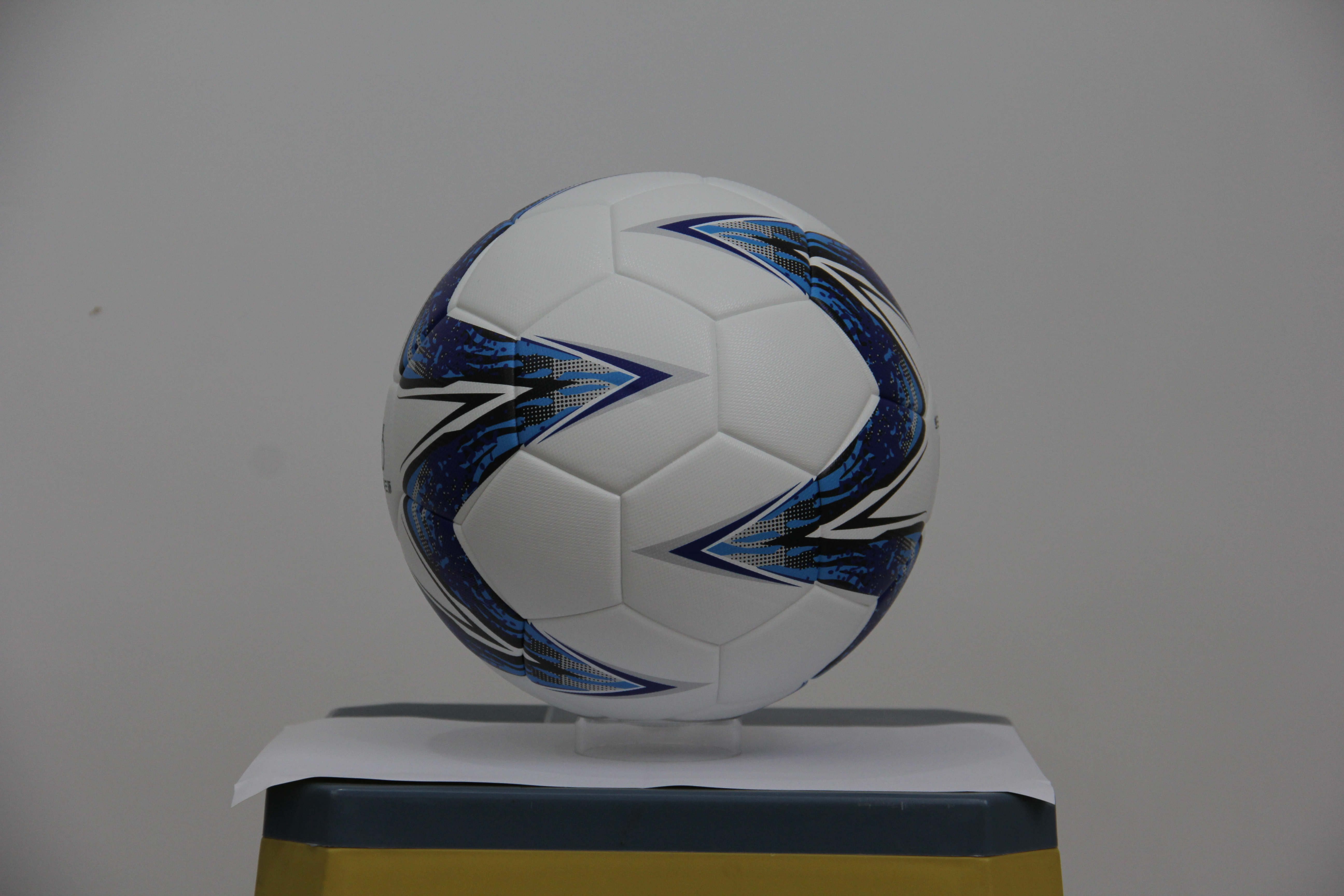
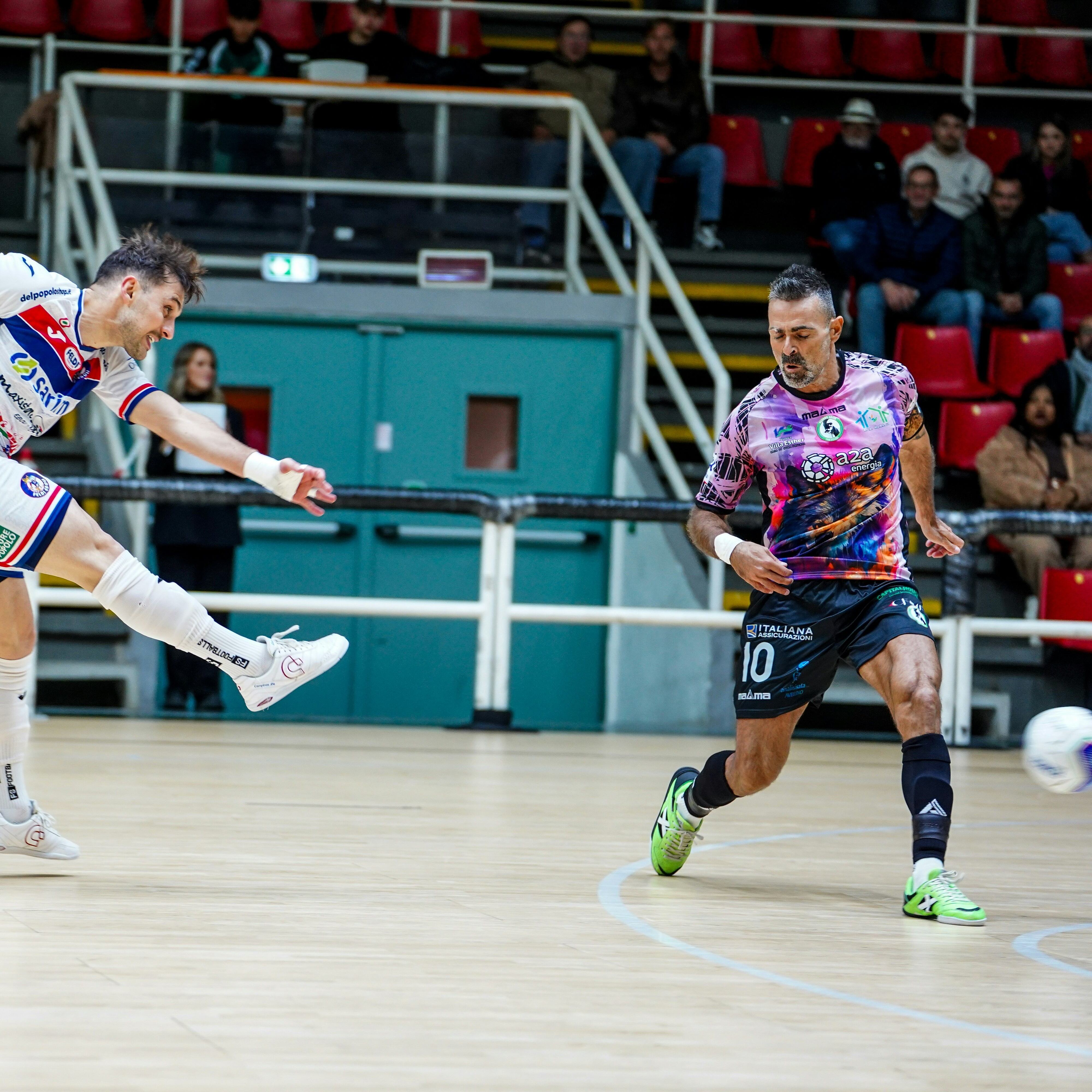
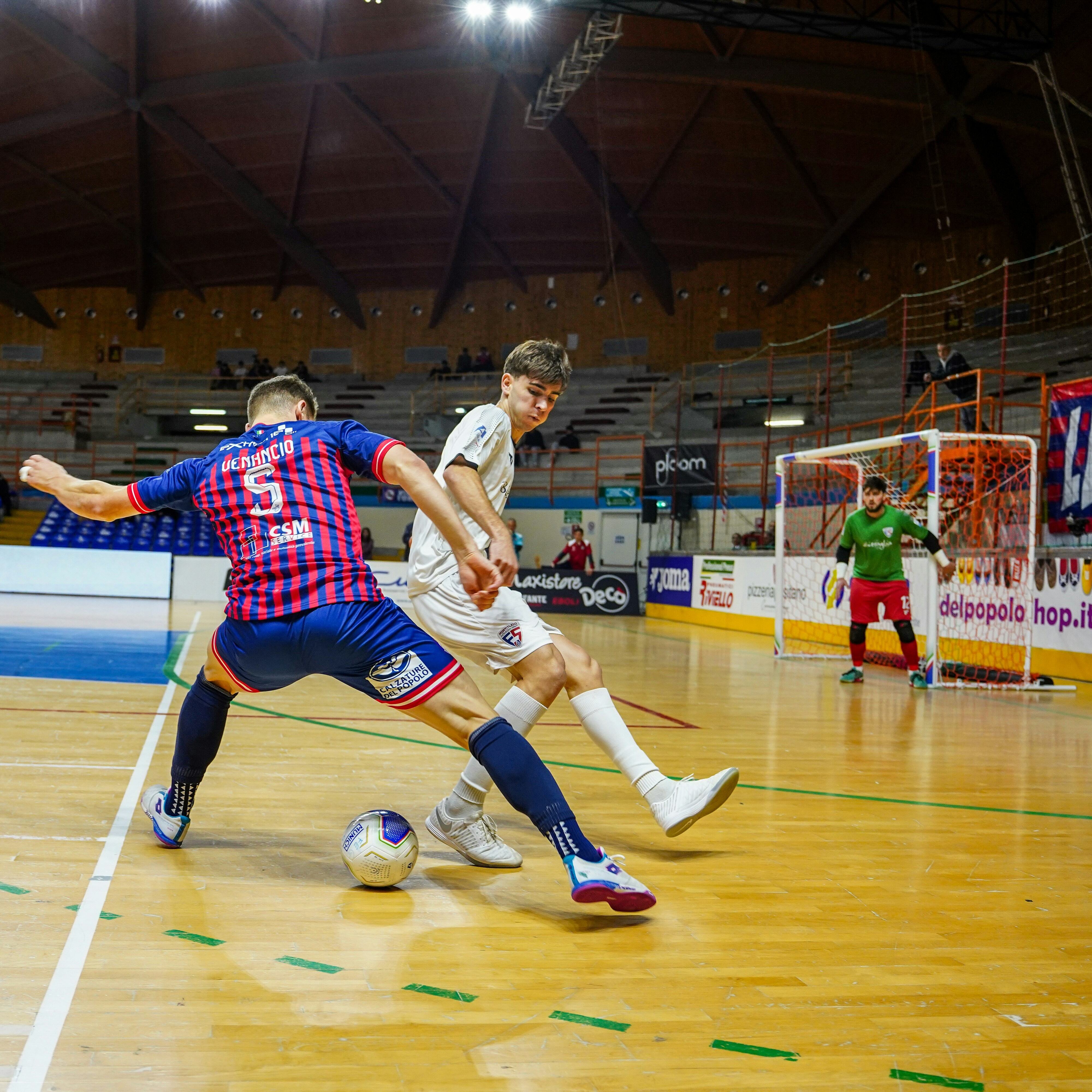
The size 4 match soccer ball incorporates intelligent design features that actively enhance learning outcomes for young players developing fundamental soccer skills during crucial developmental years. The proportional sizing relative to foot dimensions allows players in the 8 to 12 age range to achieve full contact with the ball during strikes, which is essential for developing proper shooting and passing techniques. When the ball is too large, young players compensate by altering their natural kicking motion, potentially ingraining bad habits that become difficult to correct later. Conversely, the size 4 match soccer ball enables authentic technique development because players can wrap their foot around the ball appropriately, feeling the correct contact points for different types of kicks. The weight distribution within a properly constructed size 4 match soccer ball creates a center of gravity that produces realistic flight characteristics proportional to the force young players can generate. This means that players experience authentic cause-and-effect relationships between their techniques and outcomes, rather than the disconnect that occurs when using improperly sized equipment. A driven pass with proper technique produces satisfying speed and accuracy, while a mishit ball behaves noticeably differently, providing immediate feedback that accelerates learning. Visual design elements also contribute to the educational value, as contrasting panel colors or patterns help players track ball rotation, which is essential for understanding spin effects and developing advanced techniques like curving shots or passes. Coaches utilize these visual cues when demonstrating proper striking points and follow-through motions, making abstract concepts concrete and easier for young minds to grasp. The tactile feedback from the size 4 match soccer ball surface provides another learning dimension, as different textures communicate information about ball position and orientation during dribbling sequences, helping players develop the kinesthetic awareness that separates good players from great ones. The consistent bounce characteristics, engineered specifically for this size category, allow players to anticipate ball behavior after ground contact, which is fundamental for developing first-touch skills and rapid ball control. Training exercises that involve juggling, trapping, and close control all benefit from the predictable response of a quality size 4 match soccer ball, enabling players to focus mental energy on technique refinement rather than compensating for erratic equipment behavior. The psychological dimension of using properly sized equipment should not be underestimated, as young players who experience success with an appropriately scaled size 4 match soccer ball develop confidence and intrinsic motivation that fuels continued participation and effort investment in skill development.

 EN
EN