Versatile Applications Across Training Environments and Skill Levels
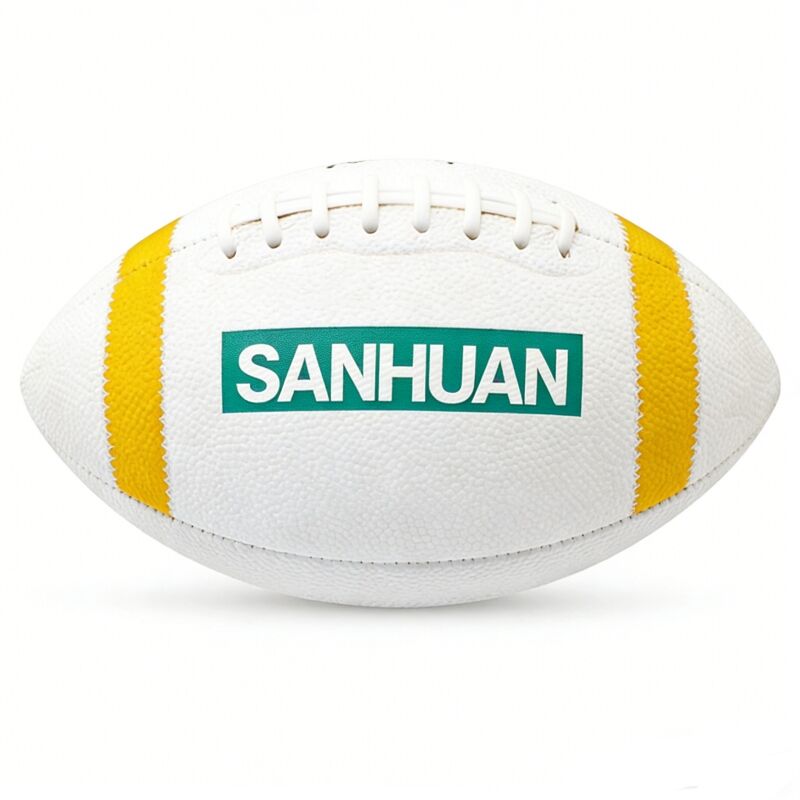
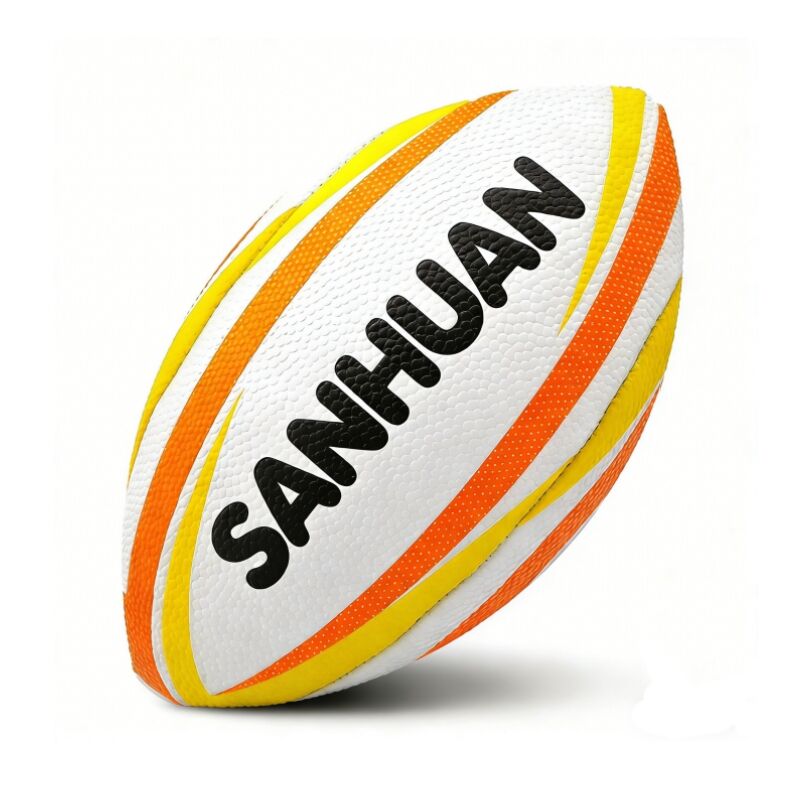
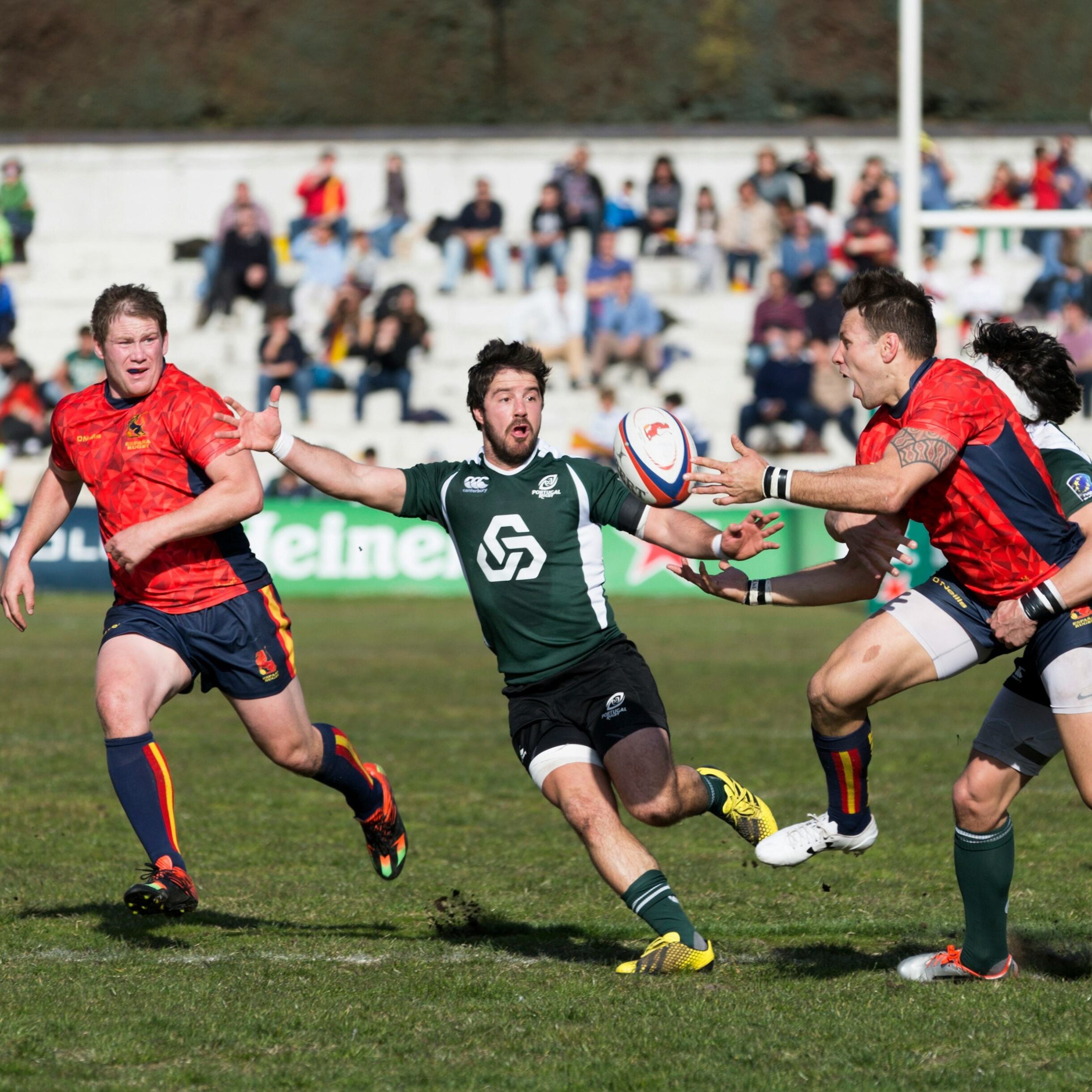
The small rugby ball demonstrates remarkable versatility across diverse training environments, skill levels, and application contexts, making it an exceptionally valuable addition to any rugby program's equipment inventory regardless of whether the focus is elite athlete development, youth participation, or recreational enjoyment. Professional rugby teams have discovered that incorporating small rugby ball drills into their training regimens produces measurable improvements in hand speed, passing accuracy, and peripheral vision, as the reduced ball size forces players to concentrate more intently on technique and execution rather than relying on their natural physical advantages. These elite-level applications include rapid-fire passing sequences where athletes must move the small rugby ball through complex patterns at high speeds, developing the neural processing speed and hand-eye coordination that translates directly to improved performance during competitive matches with regulation equipment. Rehabilitation specialists working with injured players have found the small rugby ball invaluable for gradual return-to-play protocols, as the lighter weight and smaller dimensions allow athletes to resume ball-handling activities earlier in their recovery process without risking reinjury by overloading healing tissues with the demands of full-sized equipment. Indoor training facilities particularly benefit from small rugby ball options, as the reduced size makes practice feasible in gymnasiums, sports halls, and multipurpose rooms where ceiling height and floor space limitations would make standard rugby training impossible, effectively extending the training calendar into winter months and inclement weather periods. Schools without dedicated rugby fields can establish programs using small rugby ball equipment in existing playground spaces, democratizing access to the sport and introducing rugby to communities where facility constraints previously prevented participation. The small rugby ball excels in modified game formats such as touch rugby and tag rugby, where the emphasis on speed, agility, and ball movement rather than physical contact makes the smaller, more maneuverable ball ideal for gameplay that maximizes participation and enjoyment while minimizing injury risk. Beach rugby enthusiasts have embraced the small rugby ball for casual games in sandy environments, finding that the size makes the sport more accessible to mixed-ability groups and creates entertaining, fast-paced action that suits the recreational atmosphere of seaside gatherings. Fitness trainers incorporate small rugby ball exercises into general conditioning programs, using passing drills and ball-handling activities to add variety and engagement to workouts that might otherwise consist solely of traditional strength and cardiovascular training, thereby improving client adherence and outcomes.

 EN
EN