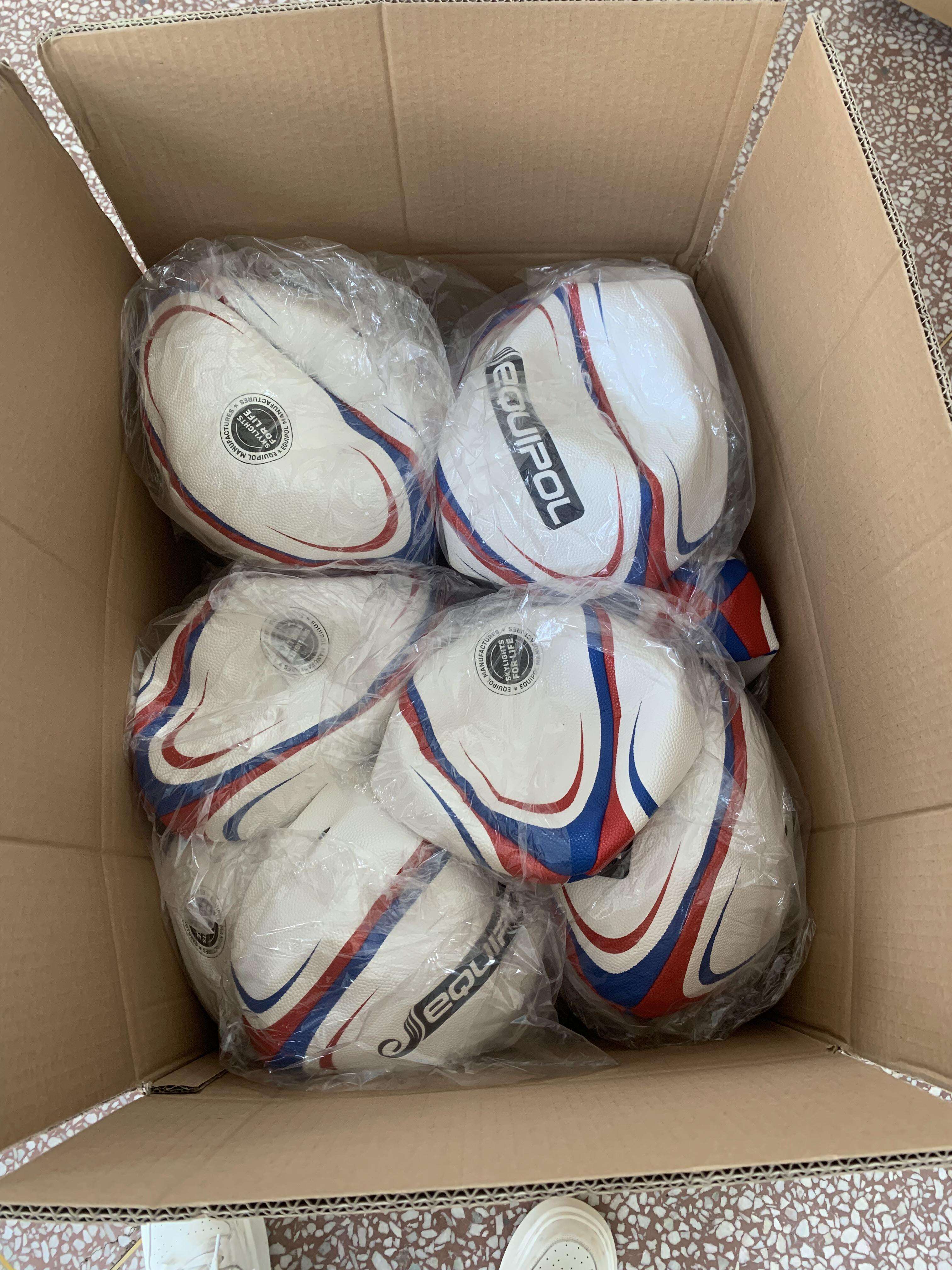
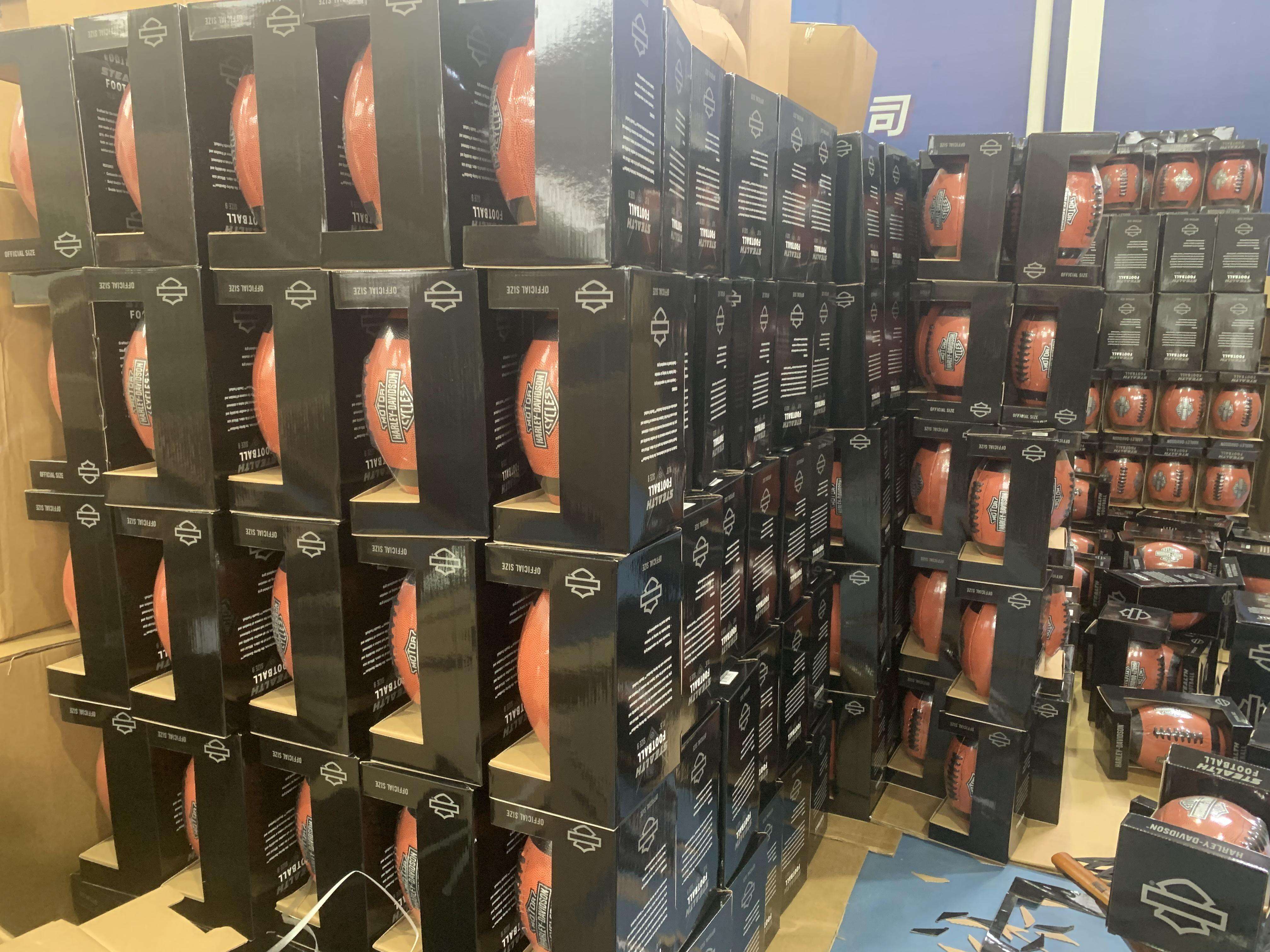
Comprehensive Quality Assurance and Testing Protocols
Quality assurance distinguishes exceptional rugby ball factory operations from basic manufacturing facilities, representing a systematic commitment to excellence that protects brand reputation and ensures customer satisfaction. The testing regime begins with incoming material inspection, where laboratory technicians verify that leather, synthetic materials, adhesives, and threads meet predetermined specifications for strength, elasticity, and chemical composition. Substandard materials never enter the production line, preventing quality issues before manufacturing begins. Throughout assembly, the rugby ball factory implements checkpoint inspections at critical stages, examining panel alignment, stitch integrity, and bladder insertion accuracy. This progressive verification catches defects immediately rather than discovering problems after completion when correction becomes costly or impossible. Statistical process control methods track measurements across production batches, identifying trends that might indicate equipment calibration drift or material consistency variations. Finished balls undergo rigorous performance testing that simulates years of actual use in compressed timeframes. Pressure retention tests measure how effectively bladders maintain inflation over weeks of monitoring, ensuring balls won't deflate during storage or between matches. Bounce consistency evaluations involve dropping balls from standardized heights onto calibrated surfaces, measuring rebound characteristics that affect how balls behave during play. Shape retention testing subjects balls to repeated impact forces, verifying they maintain proper oval geometry rather than developing flat spots or irregular contours. The rugby ball factory conducts weather resistance trials exposing balls to extreme temperatures, humidity levels, and ultraviolet radiation that simulate diverse global climates where products will eventually be used. Abrasion testing rubs balls against textured surfaces under controlled pressure, measuring surface wear rates and identifying coating formulations that offer superior longevity. Grip testing employs mechanical hands that simulate player contact under various moisture conditions, quantifying friction coefficients that determine handling security. Water absorption tests submerge balls to verify waterproofing effectiveness, crucial for maintaining consistent weight during wet weather matches. Beyond physical testing, the rugby ball factory maintains detailed documentation systems that enable complete traceability from raw materials through finished products. If quality issues emerge in the field, manufacturers can identify affected production batches, investigate root causes, and implement corrective actions. This accountability builds customer trust and demonstrates the professional standards that separate reputable manufacturers from opportunistic suppliers prioritizing volume over excellence.

 EN
EN