
 EN
EN



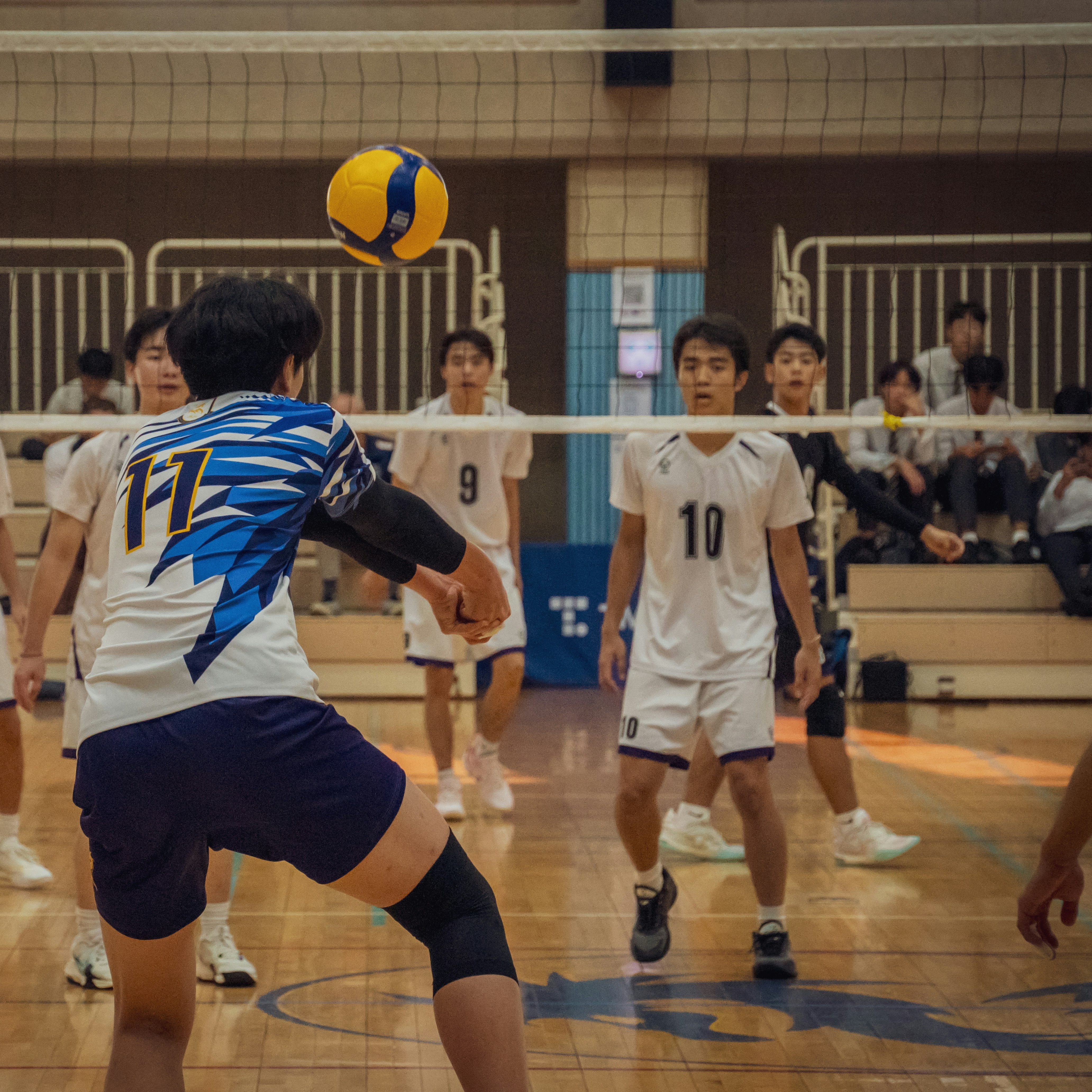
The material composition of a volleyball ball plays a fundamental role in determining how long it lasts and how it performs in the hands of players. Whether you are sourcing equipment for professional competitions, school programs, or recreational leagues, understanding the relationship between materials and performance outcomes is essential for making informed procurement decisions. From the outer panel fabric to the inner bladder compound, every layer of a volleyball ball contributes to its overall quality in measurable ways.
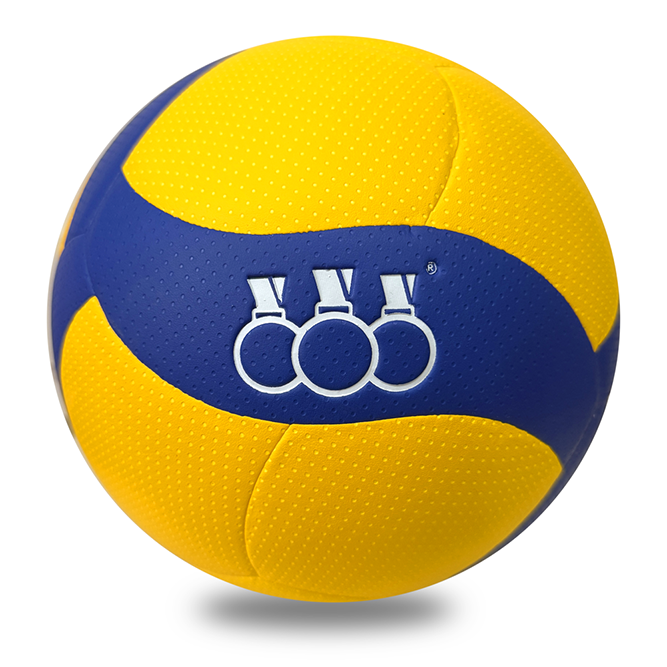
For brands, distributors, and sports program managers evaluating volleyball ball options, the interaction between material science and player experience is not a secondary concern—it is the central purchasing question. A ball that degrades quickly under regular play conditions drives up replacement costs, while one that lacks the correct tactile properties can negatively affect training outcomes and athlete confidence. This article examines exactly how different materials shape durability and feel, giving you a clear framework for evaluating quality.
The Role of Outer Panel Materials in Volleyball Ball Performance
Genuine Leather and Its Performance Legacy
Genuine leather has historically been associated with premium indoor volleyball ball construction, and for good reason. The natural fibers in leather provide a soft, responsive touch that players and coaches have long prized for precise setting and controlled spiking. Leather panels conform slightly to impact, which many experienced players describe as a more forgiving and natural feel during play.
However, genuine leather also comes with significant limitations when it comes to durability in challenging environments. Exposure to moisture, humidity, and outdoor conditions causes leather to stiffen, crack, or delaminate over time. A leather volleyball ball is best suited for regulated indoor environments where temperature and humidity are controlled, making it less appropriate for school programs with high equipment turnover or outdoor recreational use.
From a sourcing perspective, genuine leather panels add cost at the manufacturing level and require more rigorous quality checks on consistency. The grain structure of natural leather varies, which means panels must be carefully selected to ensure uniform performance across the finished volleyball ball.
Synthetic Leather and Microfiber Composites
Synthetic leather has become the dominant outer panel material for modern volleyball ball manufacturing, and its widespread adoption reflects genuine performance advantages. High-grade polyurethane (PU) and microfiber synthetic materials offer a surface texture that closely mimics natural leather in feel while delivering superior resistance to abrasion, moisture, and UV degradation.
Microfiber composites, in particular, have elevated synthetic panel technology significantly. These materials combine a tightly woven fiber base with a PU coating layer, producing a surface that is both soft to the touch and highly resistant to surface wear. For a volleyball ball intended for both indoor and outdoor use, microfiber PU panels represent a strong balance between tactile quality and extended service life.
From a B2B standpoint, synthetic leather panels allow for more consistent manufacturing output because the material uniformity is tightly controlled at the supplier level. Brands sourcing custom volleyball ball products benefit from predictable panel performance batch after batch, which reduces warranty claims and customer complaints related to surface irregularities.
Inner Construction: How the Bladder and Winding Affect Feel and Longevity
Butyl Bladders vs. Latex Bladders
The bladder is the pressure-retaining core of any volleyball ball, and its material directly determines how well the ball holds air pressure over time. Butyl rubber bladders are the industry standard for recreational and training-level equipment because of their excellent air retention properties. A volleyball ball with a butyl bladder can maintain consistent pressure for weeks without reinflation, reducing maintenance demands in busy gym environments.
Latex bladders, while offering a more responsive and lively feel on impact, are notably porous. A latex-core volleyball ball requires more frequent inflation and is therefore less practical for high-volume usage settings. However, in competition-grade equipment, latex bladders are sometimes preferred because of the superior energy return they provide, contributing to a more dynamic playing experience during match conditions.
For sports brands and distributors choosing between bladder types, the decision usually comes down to intended use context. Training and multi-purpose volleyball ball products benefit from butyl reliability, while elite match balls may justify the maintenance trade-off for the performance gains of latex.
Winding Layers and Internal Structure Consistency
Between the bladder and the outer panels, most quality volleyball ball designs incorporate a nylon or polyester winding layer. This wound layer serves a critical structural function by distributing internal pressure evenly across the ball's surface, which directly influences both roundness and tactile consistency during play. Uneven winding results in a ball that feels inconsistent at contact points, a quality issue that becomes more noticeable during precise technical play.
The density and tension of the winding process also affects how the volleyball ball responds to different types of impact. A tightly and evenly wound ball returns energy more predictably, allowing setters, passers, and servers to develop reliable muscle memory. Over time, well-constructed winding resists deformation even under repeated high-force contact, contributing directly to the ball's structural durability.
Manufacturing precision at the winding stage is one of the most significant quality differentiators between low-cost and mid-to-high-grade volleyball ball products. Sports brands specifying custom products should pay careful attention to this internal specification, as it is a factor that cannot be assessed by visual inspection alone.
Thermo-Bonding vs. Hand-Stitching: How Construction Method Shapes Material Performance
The Structural Advantages of Thermo-Bonded Construction
The method by which panels are bonded together has a direct impact on how material properties translate into real-world performance. Thermo-bonded volleyball ball construction uses heat and pressure to fuse panels directly to the inner structure, eliminating the seams that traditional stitching creates. This seamless construction results in a true spherical shape that provides more uniform contact across the entire surface.
From a durability standpoint, thermo-bonded panels are highly resistant to water absorption along seam lines, a common failure point in stitched volleyball ball products. When moisture penetrates stitched seams, it can weaken thread integrity, cause panel delamination, and alter the ball's weight and balance. Thermo-bonding removes this vulnerability, making the resulting volleyball ball more suitable for environments where moisture exposure is a realistic concern.
For sports brands developing custom volleyball ball lines, thermo-bonded construction also provides branding advantages. The smooth surface accepts graphic designs, color applications, and custom printing more cleanly than stitched panels, enabling sharper visual identity without compromising panel integrity.
Hand-Stitched Construction and Its Place in Specific Use Cases
Hand-stitched volleyball ball construction remains relevant, particularly in traditional indoor competition formats and for players who prefer a classic tactile experience. The slightly raised seam profile of a stitched ball gives players a more defined grip reference point, which some positions and playing styles favor during overhead passes and serves.
However, hand-stitching is inherently more variable in quality than machine-controlled thermo-bonding. Thread tension inconsistencies, panel alignment variations, and seam depth differences between individual units can produce noticeable quality spread within a production batch. For distributors and brands seeking consistent product delivery, this variability presents a risk that needs to be mitigated through strict quality control protocols.
The durability of a hand-stitched volleyball ball is also more closely tied to thread quality and the finishing treatment applied to the seam areas. Industrial-grade nylon thread with chemical sealant treatment performs significantly better than basic polyester stitching under repeated heavy use, making thread specification a non-trivial material decision.
Material Performance Across Different Playing Environments
Indoor vs. Outdoor Material Requirements
The environment in which a volleyball ball is used creates very different demands on its materials. Indoor volleyball balls are typically designed for smooth hardwood or synthetic court surfaces, where the emphasis is on controlled touch, consistent air pressure, and stable weight. The materials in a high-quality indoor volleyball ball prioritize responsiveness and uniformity over weather resistance.
Outdoor beach volleyball or recreational park environments impose a completely different material stress profile. UV exposure, sand abrasion, temperature fluctuations, and moisture require an outdoor volleyball ball to prioritize surface toughness and resistance to environmental degradation. Heavier-duty PU panels with water-resistant backing and butyl bladders are standard specifications for outdoor-optimized products.
Brands developing product lines across both segments need to treat indoor and outdoor volleyball ball specifications as distinct material engineering challenges rather than simple variations of the same product. Conflating the two often results in compromised performance in both categories, which is a common pitfall in lower-cost product development approaches.
Training Frequency and Material Wear Rates
A volleyball ball used in daily institutional training absorbs an extraordinary amount of mechanical stress over its service life. Panel surfaces are subject to repeated high-velocity contact, grip friction, and floor impact. Bladders cycle through pressure loads thousands of times, and seam structures are tested by continuous flexing. Understanding expected wear rates based on material selection is critical for lifecycle cost calculations in institutional purchasing.
High-abrasion-resistant synthetic panels combined with dense winding and butyl bladders typically deliver the best cost-per-use ratios in training environments. While the upfront cost of such a volleyball ball may be higher than entry-level alternatives, the extended service life significantly reduces total cost over a program year. Procurement managers who evaluate material quality alongside initial price consistently achieve better budget outcomes than those focused on unit cost alone.
Material selection also affects how a volleyball ball ages in terms of feel, not just structural integrity. A ball that maintains its tactile consistency through hundreds of hours of play provides a more reliable training tool than one that softens, hardens, or develops uneven surface texture as panel materials break down.
FAQ
What is the most durable outer material for a volleyball ball used in school programs?
For school programs requiring high durability under frequent use, high-grade synthetic leather—specifically microfiber PU—is generally the most practical choice. It resists abrasion and moisture better than genuine leather while maintaining acceptable tactile quality. This makes it well-suited for multi-session daily training environments where material longevity and low maintenance are prioritized over elite-level feel.
Does the bladder material in a volleyball ball really affect playing feel?
Yes, bladder material has a noticeable effect on playing feel and energy response. Latex bladders provide a livelier, more responsive rebound that many experienced players prefer in match settings. Butyl bladders offer superior air retention and more consistent pressure over time, which supports stable training conditions. The choice depends on whether performance dynamics or maintenance reliability is the primary concern for the intended use case.
How does thermo-bonded construction affect the feel of a volleyball ball compared to stitched panels?
Thermo-bonded construction produces a smoother, more uniform surface without raised seam lines, which results in consistent panel contact across the entire ball surface. Many players find this provides a more predictable feel during precise technical play. Stitched panels create slight surface variation at seam points, which some players prefer for grip reference. The performance difference becomes more pronounced in outdoor conditions, where thermo-bonded construction also provides better moisture resistance along what would otherwise be seam failure points.
Can material quality in a volleyball ball affect player injury risk?
Material quality can influence injury risk indirectly through pressure consistency and surface uniformity. A volleyball ball with a low-quality bladder that develops irregular pressure retention creates unpredictable rebound behavior, which can stress wrist and finger joints during setting and spiking. Similarly, surface panels that degrade into rough or uneven textures increase friction on contact, raising the risk of skin abrasion and joint strain. Maintaining material standards is therefore not only a performance concern but also a player safety consideration in professional and institutional contexts.
Table of Contents
- The Role of Outer Panel Materials in Volleyball Ball Performance
- Inner Construction: How the Bladder and Winding Affect Feel and Longevity
- Thermo-Bonding vs. Hand-Stitching: How Construction Method Shapes Material Performance
- Material Performance Across Different Playing Environments
-
FAQ
- What is the most durable outer material for a volleyball ball used in school programs?
- Does the bladder material in a volleyball ball really affect playing feel?
- How does thermo-bonded construction affect the feel of a volleyball ball compared to stitched panels?
- Can material quality in a volleyball ball affect player injury risk?