
 EN
EN



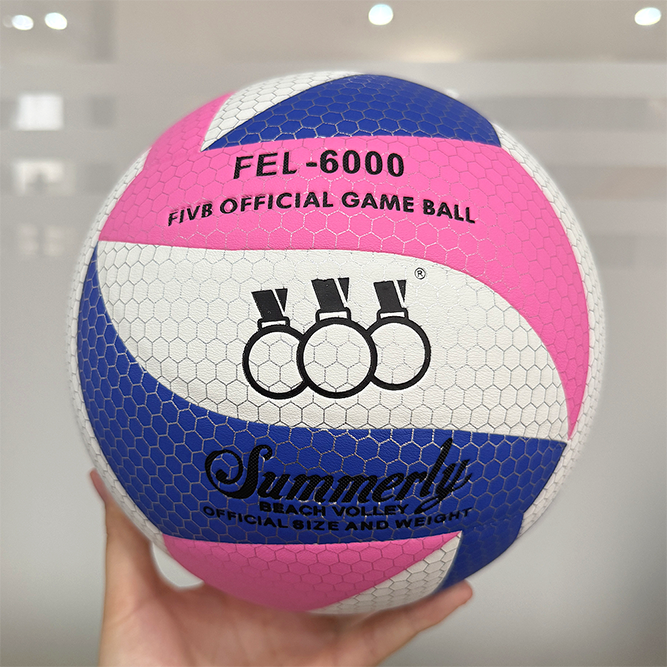
Every competitive player, coach, and equipment buyer who has ever stepped onto a court knows that not all gear performs equally. The volleyball ball sitting at the center of the game is far more than a simple inflated sphere. Its internal architecture, the materials chosen for its panels, the bonding technology used to hold everything together, and even the surface texture all combine to create a product that can either elevate or hinder play. Understanding how construction decisions translate into real on-court behavior is essential for anyone involved in sourcing, manufacturing, or specifying equipment for serious competition.
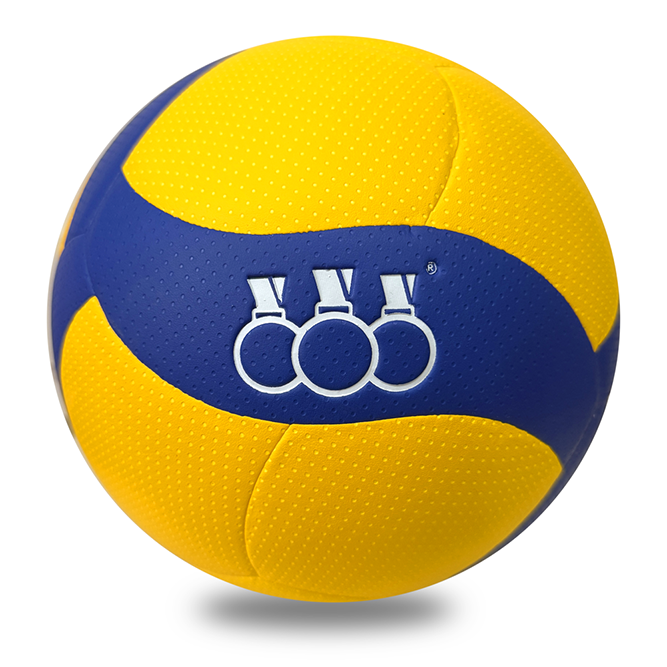
This article examines the precise relationship between volleyball ball construction and game performance. From the bladder that determines pressure retention, to the panel bonding method that governs flight trajectory, each structural element plays a measurable role in how the game unfolds. Whether you are procuring balls for a professional league, a school sports program, or a branded product line, a deeper knowledge of construction principles will help you make smarter, more informed decisions.
The Core Structure of a Volleyball Ball and Why It Matters
The Bladder: Pressure Retention and Consistent Feel
At the heart of every volleyball ball is the bladder, typically made from butyl rubber or natural latex. The bladder's primary function is to hold air pressure over time, and its material composition has a direct impact on how long the ball maintains optimal inflation. Butyl bladders are well regarded for their superior air retention, meaning a volleyball ball equipped with one will maintain consistent internal pressure across extended training sessions or multi-day tournaments. This consistency is critical because even minor pressure fluctuations change how the ball reacts to contact.
A latex bladder, by contrast, offers a softer, more responsive feel at the moment of touch. Many top-level players prefer the feedback that a latex-core volleyball ball provides, as it communicates subtle spin and directional cues more clearly to the hands. However, the trade-off is that latex requires more frequent reinflation. For B2B buyers supplying high-volume recreational facilities or schools, the low-maintenance advantage of butyl bladders often outweighs the performance nuance that latex delivers.
Bladder uniformity is another underappreciated factor. A symmetrically formed bladder ensures that the volleyball ball inflates evenly in all directions, producing a perfectly round shape. Any asymmetry translates into unpredictable bounce angles and inconsistent flight paths, which directly undermines game quality at every level of competition.
The Wind Layer: Stability and Shape Retention
Wrapped around the bladder is a winding or knitting layer, often constructed from nylon or polyester thread. This layer gives the volleyball ball its structural firmness and helps it resist deformation under repeated high-impact contact. A well-wound layer ensures that when a player drives a powerful spike, the ball compresses and returns to its original shape almost instantaneously, preserving the intended flight path toward the opposing court.
The thread tension and density applied during winding are manufacturing variables that significantly influence the final feel of the volleyball ball. Higher thread density produces a firmer ball with less give, which tends to favor powerful offensive play. Looser winding creates a slightly softer response, which can be preferred in training environments where extended play periods demand reduced hand and forearm fatigue. Buyers specifying balls for different use contexts should consider thread layer specifications as a performance differentiator rather than just a background manufacturing detail.
Panel Materials and Surface Engineering
Genuine Leather vs. Synthetic Materials
The outer casing of a volleyball ball is what players interact with directly on every serve, pass, set, and spike. Historically, genuine leather was the dominant panel material in professional play, valued for its natural grip and tactile feedback. However, genuine leather absorbs moisture readily, causing the ball to become heavier and less predictable during outdoor or high-sweat indoor competition. This performance degradation over time has led most modern applications to favor synthetic alternatives.
Synthetic leather, engineered from polyurethane (PU) or polyvinyl chloride (PVC), now dominates the volleyball ball market at almost every competitive tier. High-grade PU panels closely replicate the hand feel of natural leather while offering far superior resistance to moisture absorption, UV degradation, and abrasion. For B2B buyers managing large equipment inventories, the extended product lifespan of a synthetic-panel volleyball ball translates directly into lower total cost of ownership.
The thickness and texture of the outer panel also influence touch and spin generation. Thinner PU panels provide a more direct contact sensation, which skilled players use to generate precise topspin and float serves. Thicker panels add durability but can slightly dull the tactile feedback that elite players rely upon. Understanding this balance is essential when specifying a volleyball ball for a particular performance tier or player audience.
Surface Texture and Aerodynamic Behavior
The micro-texture of a volleyball ball's surface plays a surprisingly significant role in aerodynamics. A smoother surface reduces drag, allowing the ball to travel faster through the air, which can amplify the effectiveness of float serves by making trajectory changes more dramatic. A more textured surface increases friction with the air, creating more predictable deceleration curves that some playmakers prefer for controlled offensive play.
Surface texture also affects grip during serving and setting. A volleyball ball with adequate surface roughness allows players to maintain better contact control during the brief milliseconds of ball-hand interaction. In humid conditions, surface micro-channeling — tiny grooves engineered into the panel material — helps displace moisture and maintain grip integrity. Buyers sourcing balls for beach volleyball or high-humidity indoor venues should treat surface engineering specifications as a non-negotiable performance parameter.
Panel Count and Bonding Technology
Traditional Stitching vs. Thermo-Bonding
A volleyball ball can be assembled using either hand or machine stitching, or through thermo-bonding technology where panels are fused together under heat and pressure without thread. Traditional stitched construction creates a familiar panel seam that some players use as tactile reference points during play. However, stitched seams also create subtle surface irregularities that can introduce minor unpredictability in flight, particularly at higher velocities.
Thermo-bonded volleyball ball construction eliminates visible seams, producing a near-perfectly smooth exterior. The aerodynamic advantages are measurable: without protruding stitching to disrupt airflow, a thermo-bonded volleyball ball maintains a more stable and predictable trajectory, especially during powerful spikes and fast-paced rallies. This technology has been adopted widely in professional and international competition precisely because it reduces the random variance that stitched seams introduce.
From a durability standpoint, thermo-bonded panels are also less prone to delamination or seam splitting under sustained use. For brands, sports associations, and distributors who need a volleyball ball that performs consistently across thousands of contacts, thermo-bonded construction represents a sound investment in product reliability and player satisfaction.
Panel Count and Its Effect on Flight Characteristics
The number of panels used to construct a volleyball ball directly influences its aerodynamic profile. An eighteen-panel design, which has become increasingly standard in competition-grade balls, distributes the surface geometry in a way that promotes symmetrical airflow and more predictable movement through the air. Fewer, larger panels can introduce subtle irregularities in the ball's interaction with turbulent air, which becomes noticeable at the high velocities seen in elite competitive play.
Panel geometry also affects the contact surface available during setting and passing. Panels designed with ergonomic curvature provide a more conforming grip surface, which players perceive as better ball control. For manufacturers developing custom volleyball ball products for branded sports lines, panel count and geometry represent a meaningful design lever that influences both performance reputation and player loyalty.
Weight, Circumference, and Regulatory Compliance
Dimensional Specifications and Their Performance Implications
International governing bodies specify strict weight and circumference tolerances for competition-grade volleyball ball products. A standard indoor volleyball ball must weigh between 260 and 280 grams and measure between 65 and 67 centimeters in circumference. These parameters are not arbitrary: they represent the optimal balance between momentum transfer, player control, and aerodynamic stability based on decades of competitive experience and engineering research.
A volleyball ball manufactured even slightly outside these tolerances will behave differently in play. An overweight ball demands more force to redirect and tires players more quickly over long matches. An underweight ball travels faster but sacrifices the predictable arc needed for precise setting and serving. Buyers and brands specifying custom volleyball ball products must insist on tight manufacturing quality controls to ensure dimensional consistency across every unit in a production run.
Pressure Standards and Their Impact on Ball Response
Recommended internal pressure for a competition volleyball ball typically ranges between 0.300 and 0.325 kg/cm². This pressure range governs how the ball compresses upon contact and how quickly it rebounds. A ball inflated within this window offers the responsive snap that allows fast-paced combination plays to develop cleanly. A ball over- or under-inflated outside this range changes the rebound angle and speed in ways that disrupt team timing and player rhythm.
Bladder quality, as discussed earlier, determines how reliably a volleyball ball maintains this pressure range across time and varying temperatures. Cold environments cause air to contract, dropping internal pressure; warm environments do the opposite. High-grade bladder materials buffer these effects more effectively, ensuring that the volleyball ball performs consistently regardless of venue conditions. This is a critical consideration for any buyer supplying equipment across multiple geographic markets or seasonal climates.
Construction Choices and Their Practical Business Implications
Aligning Construction Tier with Target Use Case
Not every volleyball ball needs to be engineered to the same specification. The construction tier appropriate for a professional league differs significantly from what makes sense for a school physical education program or a branded promotional item. Understanding the relationship between construction elements and performance outcomes allows buyers to match product specification to use case rather than simply procuring by price point or surface appearance.
A training volleyball ball intended for high-volume daily use benefits most from a butyl bladder, a robust wind layer, and durable synthetic panels that resist abrasion and moisture. A match-quality volleyball ball for competitive play demands thermo-bonded panels, a latex or premium butyl bladder, and tight dimensional control for consistent flight dynamics. Specifying the wrong construction tier for a given use case leads to either unnecessary expenditure or premature product failure — both outcomes that damage commercial relationships.
Custom Branding and Construction Quality
Sports brands and distributors who develop custom volleyball ball products carry a direct stake in construction quality because the product's on-court performance is inseparable from the brand's reputation. A custom volleyball ball that deforms under competitive stress, loses pressure quickly, or exhibits erratic flight characteristics reflects poorly on the brand regardless of how attractive its visual design may be.
Working with manufacturers who offer transparent construction specifications — including bladder material, wind layer density, panel bonding method, and dimensional tolerances — enables brands to make informed sourcing decisions. This level of supply chain visibility is increasingly expected in professional sports equipment markets where product liability and athlete trust are commercial imperatives. A well-constructed volleyball ball is not merely a commodity; it is a performance tool that carries brand credibility with every contact.
FAQ
What is the most important construction factor affecting volleyball ball flight?
Panel bonding method and panel count have the most direct influence on flight consistency. Thermo-bonded panels eliminate seam disruptions that affect airflow, producing a more predictable trajectory. Combined with an even panel distribution such as an eighteen-panel design, these construction choices significantly reduce random variance in how the volleyball ball moves through the air during high-velocity play.
How does bladder material affect a volleyball ball's performance over time?
Butyl bladders offer superior long-term air retention, meaning the volleyball ball maintains consistent internal pressure across extended use. Latex bladders provide a more responsive touch and better tactile feedback but require more frequent inflation. For high-volume use environments, butyl is the practical choice; for elite competition where nuanced ball feel is prioritized, latex remains a preferred option.
Why does surface texture matter when choosing a volleyball ball?
Surface texture directly affects aerodynamics and grip. A smoother surface reduces air friction, amplifying float serve movement, while a more textured surface provides greater control during setting and passing. In humid playing environments, surface micro-channeling helps maintain grip despite moisture, making it a critical specification for outdoor or tropical-climate volleyball ball applications.
What should B2B buyers look for when sourcing custom volleyball balls for branded product lines?
B2B buyers should prioritize manufacturers who can provide detailed construction specifications including bladder type, wind layer density, panel bonding method, and dimensional tolerances. Transparency in these areas ensures that the custom volleyball ball performs consistently in its intended use context, protects the brand's performance reputation, and reduces the risk of product complaints or premature failures in the field.
Table of Contents
- The Core Structure of a Volleyball Ball and Why It Matters
- Panel Materials and Surface Engineering
- Panel Count and Bonding Technology
- Weight, Circumference, and Regulatory Compliance
- Construction Choices and Their Practical Business Implications
-
FAQ
- What is the most important construction factor affecting volleyball ball flight?
- How does bladder material affect a volleyball ball's performance over time?
- Why does surface texture matter when choosing a volleyball ball?
- What should B2B buyers look for when sourcing custom volleyball balls for branded product lines?