
 EN
EN



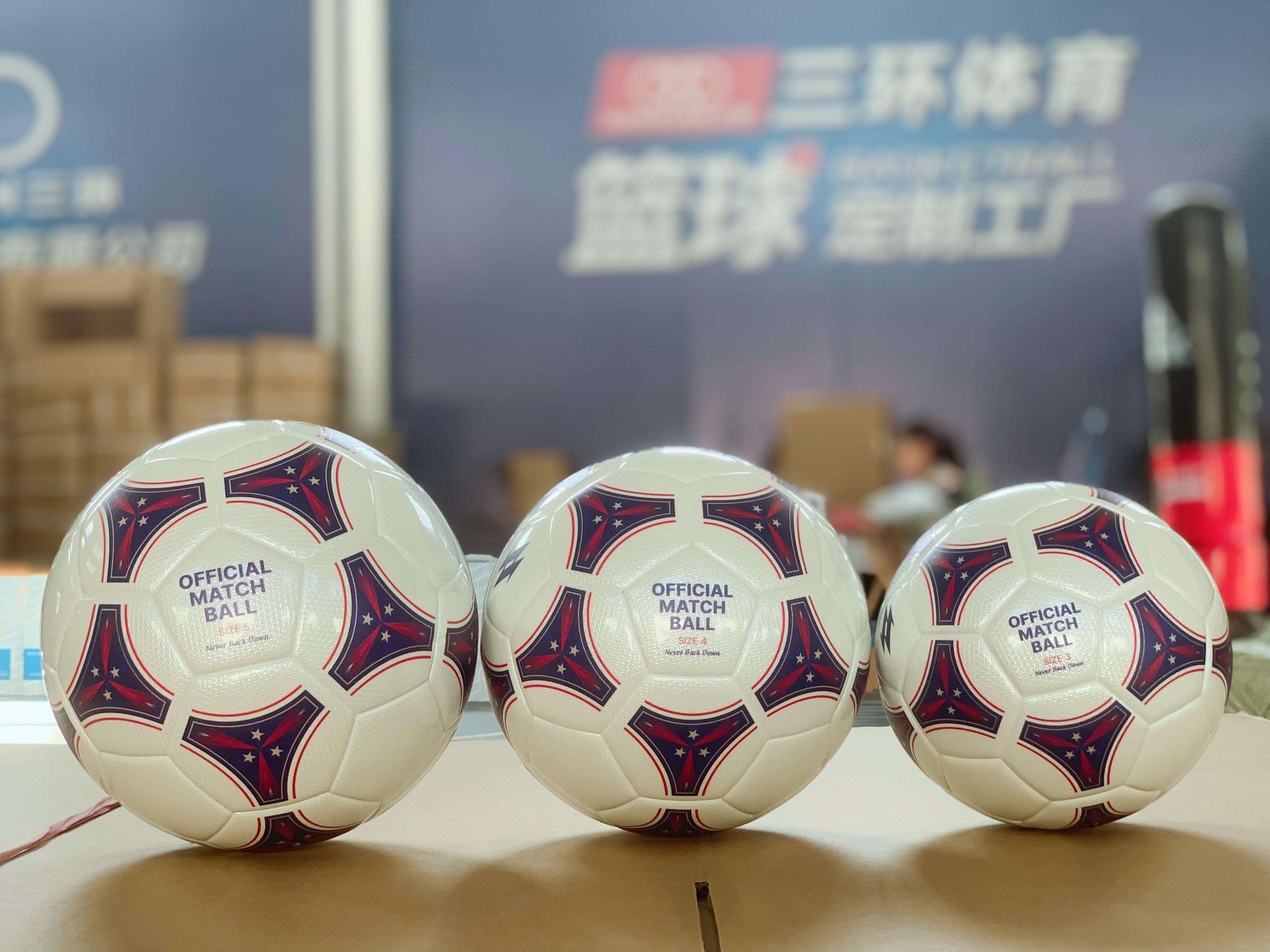
When coaches and parents begin organizing youth soccer programs, one of the first practical questions they face is choosing the right equipment for the age group. Among the most impactful decisions is selecting the appropriate ball size, and for younger players, the size 3 soccer ball stands out as the standard choice. Understanding what this ball is designed for — and why it matters in a developmental context — is essential for anyone involved in structuring youth training programs.
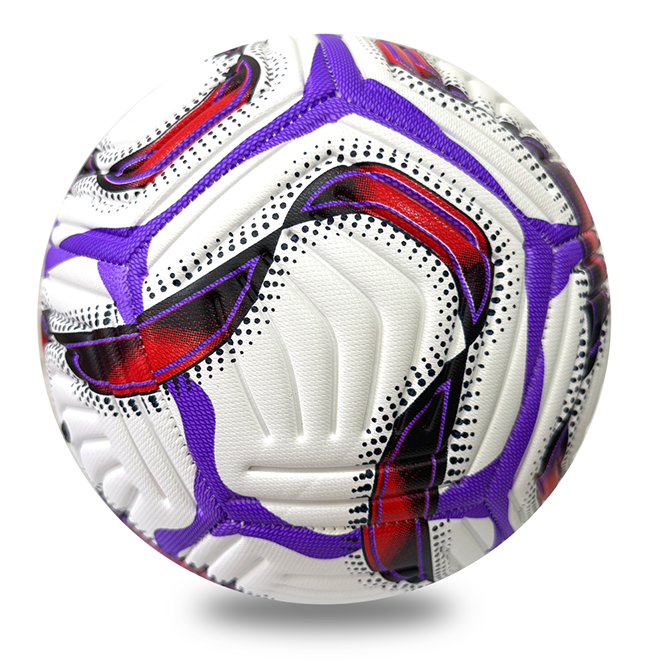
A size 3 soccer ball is not simply a scaled-down version of an adult match ball. It is a purpose-built tool engineered to match the physical capabilities, motor skills, and cognitive development stage of children between approximately five and eight years old. Using the correct ball size at this stage of training directly influences how quickly a young player develops technical confidence, spatial awareness, and a genuine love for the game. This article explains exactly what the size 3 soccer ball is used for in youth training and why coaches should treat ball sizing as a foundational coaching decision rather than an afterthought.
Understanding the Dimensions and Design of a Size 3 Soccer Ball
Physical Specifications That Define the Size 3
A size 3 soccer ball typically measures between 58 and 60 centimeters in circumference and weighs approximately 300 to 320 grams. These dimensions are noticeably smaller and lighter than the size 4 or size 5 balls used by older youth players and adult athletes. The reduced circumference allows young players to grip, carry, and control the ball more naturally with small hands and feet, which is critical at a stage when gross motor skills are still maturing.
The lighter weight of the size 3 soccer ball also means that young children can strike the ball without risking strain on developing joints and muscles. Kicking a heavier ball repeatedly during training sessions can place undue stress on ankles, knees, and hips in children under eight. Using the appropriately weighted size 3 soccer ball ensures that the physical demands of training remain appropriate for the age group without sacrificing the quality or intensity of practice.
From a construction standpoint, most size 3 soccer balls used in youth training programs are machine-stitched and feature durable synthetic outer panels. This construction supports consistent shape retention across many hours of use, which is important in organized training environments where balls are shared across multiple sessions and players. Durability and consistent performance are especially relevant when purchasing in bulk for academies or school programs.
How Size Affects Ball Behavior During Play
Ball behavior — including bounce, roll, and response to contact — changes meaningfully with size. A size 3 soccer ball bounces at a height and speed that is more predictable and manageable for young players. This predictability allows children to develop early tracking skills and spatial awareness without being overwhelmed by a ball that is too fast or erratic for their current coordination level.
When a child works with a size 3 soccer ball, they experience a more natural relationship between the force they apply and the result they observe. This feedback loop is crucial for building foundational motor learning patterns. If a child uses an oversized ball at this stage, their technique compensates in ways that are difficult to correct later, including excessive use of the toe rather than the instep, poor weight distribution, and inconsistent striking mechanics.
Core Training Applications of the Size 3 Soccer Ball
Developing First Touch and Ball Control
The primary training purpose of the size 3 soccer ball is to develop first touch and basic ball control in players aged five to eight. At this developmental stage, children are still learning how to receive a moving ball, adjust their body position, and redirect the ball with intention. The size 3 soccer ball facilitates this process by presenting a manageable challenge — the ball is large enough to interact with meaningfully, yet small enough that controlling it feels achievable rather than frustrating.
Coaches running ball mastery drills — such as tapping the ball between feet, sole rolls, and simple dribbling patterns — consistently find that children perform these exercises with more confidence and accuracy when using a size 3 soccer ball. The proportional relationship between the ball and the child's foot matters enormously when the goal is to build muscle memory for fundamental movement patterns.
Even seemingly simple exercises like passing against a wall or stopping a rolling ball require the player to apply force with precision. A size 3 soccer ball provides the right level of resistance and responsiveness for these tasks, reinforcing positive technique from the very beginning of a player's training journey. Early technical habits are among the most enduring, which makes proper ball sizing at this stage a long-term investment.
Passing, Shooting, and Short-Range Technique
Passing and shooting are introduced gradually in youth training, but they form a critical part of even the earliest skill sessions. When young players use a size 3 soccer ball for passing drills, they learn to contact the ball cleanly using the inside of the foot, producing a flatter and more accurate trajectory. This technique becomes second nature when the ball is appropriately sized relative to the player's foot.
Shooting practice with a size 3 soccer ball also enables children to develop proper striking mechanics without compensating for an oversized or overweight ball. Young players can follow through naturally, align their hips and shoulders correctly, and connect with the ball at a point that reinforces good habits. Practicing these mechanics early with the correctly sized ball significantly reduces the need for technical correction as players advance to larger balls in later age groups.
Even in small-sided games — which are the backbone of youth soccer training at this age level — the size 3 soccer ball keeps the pace and physicality of the game appropriate. Small-sided formats using size 3 balls allow children to make more touches per session, experience more realistic game scenarios, and develop decision-making skills without the intimidation factor that a larger ball might introduce.
Confidence Building and Player Enjoyment
Beyond pure technical development, the size 3 soccer ball plays a significant role in shaping how young players feel about training and competition. When a child can successfully control, pass, and dribble a ball that fits their body, they experience early moments of mastery that fuel intrinsic motivation. These early positive experiences are well-documented as drivers of long-term sports participation.
Conversely, children who train with oversized balls often experience repeated failure in basic tasks — the ball rolls away from their control, passes go astray, and shots lack power or direction. This creates frustration and disengagement at exactly the age when enthusiasm and curiosity should be nurtured most carefully. Providing a size 3 soccer ball to the appropriate age group is therefore as much a psychological intervention as a technical one.
Age and Program Guidelines for Using the Size 3 Soccer Ball
Recommended Age Range and Program Stages
Most coaching organizations and football governing bodies recommend the size 3 soccer ball for players aged five through eight, which typically corresponds to U6, U7, and U8 age categories. Some programs extend its use into the U9 group depending on the physical development of the players involved. The guiding principle is not rigid age cutoffs but rather the proportional fit between ball and player — if a child's foot and hand size suggest that a size 3 soccer ball still offers appropriate resistance and control challenges, it should continue to be used.
In grassroots and community programs, where players of varying sizes and abilities train together, coaches often maintain both size 3 and size 4 balls available for adaptation. This flexibility ensures that training environments remain developmentally appropriate for all participants. The size 3 soccer ball serves as the baseline for the youngest participants while the transition to size 4 marks a clear developmental milestone.
Transitioning Away from the Size 3
The transition from a size 3 soccer ball to a size 4 typically happens between ages eight and ten, often as children enter more formalized competition formats. During this transition, many coaches continue incorporating the size 3 soccer ball for specific technical drills even after players have moved to size 4 for match play. Using the smaller ball during skill-focused exercises challenges players to apply even greater precision and touch, which can accelerate technical refinement.
For academies running multi-age programs, it is practical and cost-effective to maintain an inventory of size 3 soccer balls specifically for their youngest cohorts. Purchasing in bulk ensures consistency of ball performance across the group and reduces the cost per unit, making properly sized equipment accessible even for programs with limited budgets. The investment in the right ball at the right stage pays dividends in player quality and retention over time.
What to Consider When Selecting a Size 3 Soccer Ball for Training
Construction Quality and Surface Durability
For training use — as opposed to match use — a size 3 soccer ball needs to withstand repeated contact on a variety of surfaces, including natural grass, artificial turf, and hard courts. Machine-stitched construction with durable synthetic panels typically offers the best combination of cost efficiency and longevity for this purpose. The stitching holds the panels together through intensive daily use while the synthetic surface maintains shape and grip even after extended play.
Bladder type also affects performance. Butyl bladders retain air pressure more consistently than latex alternatives, which is important in training settings where balls may not be re-inflated before every session. A size 3 soccer ball with a high-quality butyl bladder will maintain consistent firmness across sessions, giving young players a reliable ball experience every time they train.
Volume Requirements for Academies and Schools
Youth training programs, school PE departments, and grassroots academies typically require a significant volume of size 3 soccer balls to support group sessions effectively. A standard training session for a group of twenty children should ideally have at least one ball per player, with a few spares to account for attrition. This means even a small program may need twenty-five or more size 3 soccer balls on hand at any given time.
Bulk purchasing from reputable suppliers provides consistency in ball performance — all players in the group are working with balls of the same size, weight, and bounce characteristics. This consistency is more important than many coaches initially realize. When individual balls vary in firmness or size, children develop slightly different touch responses from ball to ball, which can slow the development of reliable motor patterns during critical early training stages.
When evaluating bulk purchase options for a size 3 soccer ball, program managers should prioritize certified construction standards, consistent inflation specifications, and supplier reliability for repeat orders. Standardizing on a single model of size 3 soccer ball across an entire program simplifies logistics and ensures that all players are working with the same equipment throughout the season.
FAQ
At what age should children start using a size 3 soccer ball?
Children typically begin using a size 3 soccer ball from around age five, which corresponds to the U6 category in most youth soccer programs. This ball size is designed to match the physical dimensions and motor development stage of children aged five to eight. Some programs continue using the size 3 soccer ball into the U9 age group depending on the players' individual development and the type of training being conducted.
Can a size 3 soccer ball be used on artificial turf surfaces?
Yes, a size 3 soccer ball can be used on artificial turf surfaces. Most training-grade size 3 soccer balls are constructed with synthetic outer panels that perform well on both natural grass and artificial turf. For programs that regularly train on hard artificial surfaces, it is advisable to select a size 3 soccer ball with reinforced stitching and a durable outer casing to extend the ball's lifespan under those conditions.
Why is using the correct ball size important for youth development?
Using the correct ball size, such as a size 3 soccer ball for young children, ensures that the physical demands of training match the player's current capabilities. An oversized or overweight ball forces children to compensate with improper technique, which creates movement habits that are difficult to correct later. Using a size 3 soccer ball at the appropriate age allows children to build accurate technical foundations, develop positive training experiences, and progress more effectively as they advance in the sport.
How many size 3 soccer balls does a youth program typically need?
A well-equipped youth training session should aim for at least one size 3 soccer ball per player, plus a few extras for rotation and attrition. For a group of twenty children, a minimum of twenty-five size 3 soccer balls is a practical starting point. Programs managing multiple age groups or training sessions per week will benefit from maintaining a larger inventory, often sourced through bulk purchasing to ensure consistency in ball specifications and reduce per-unit costs.