
 EN
EN



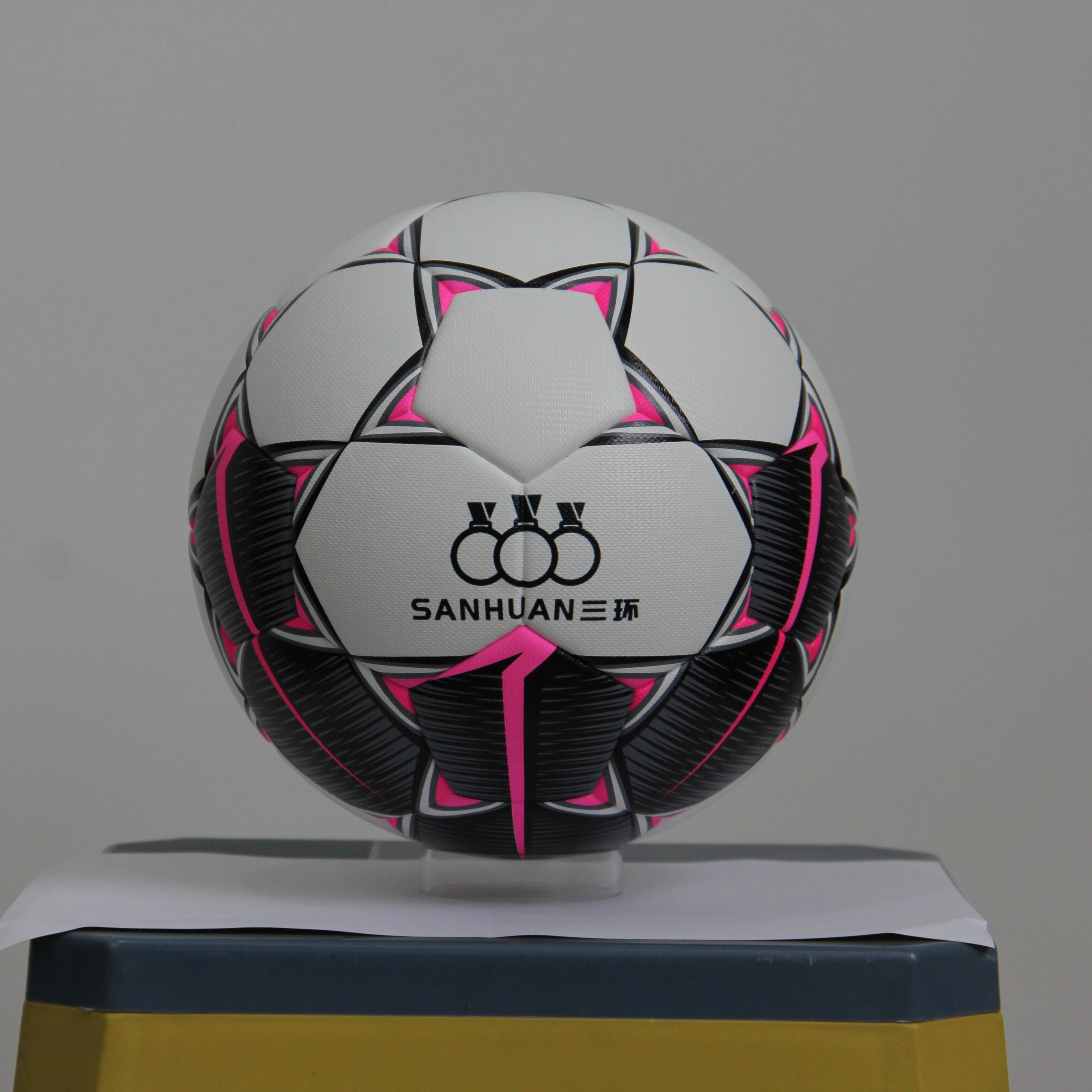
Choosing the right equipment is one of the most important decisions in youth and junior soccer development, and the size 4 soccer ball sits right at the center of that conversation. Designed specifically for players between the ages of 8 and 12, this particular ball bridges the gap between the smaller training balls used by beginners and the full-size match balls used by adults. Getting this choice right means supporting proper skill development, physical comfort, and genuine enjoyment of the game at a critical stage of athletic growth.
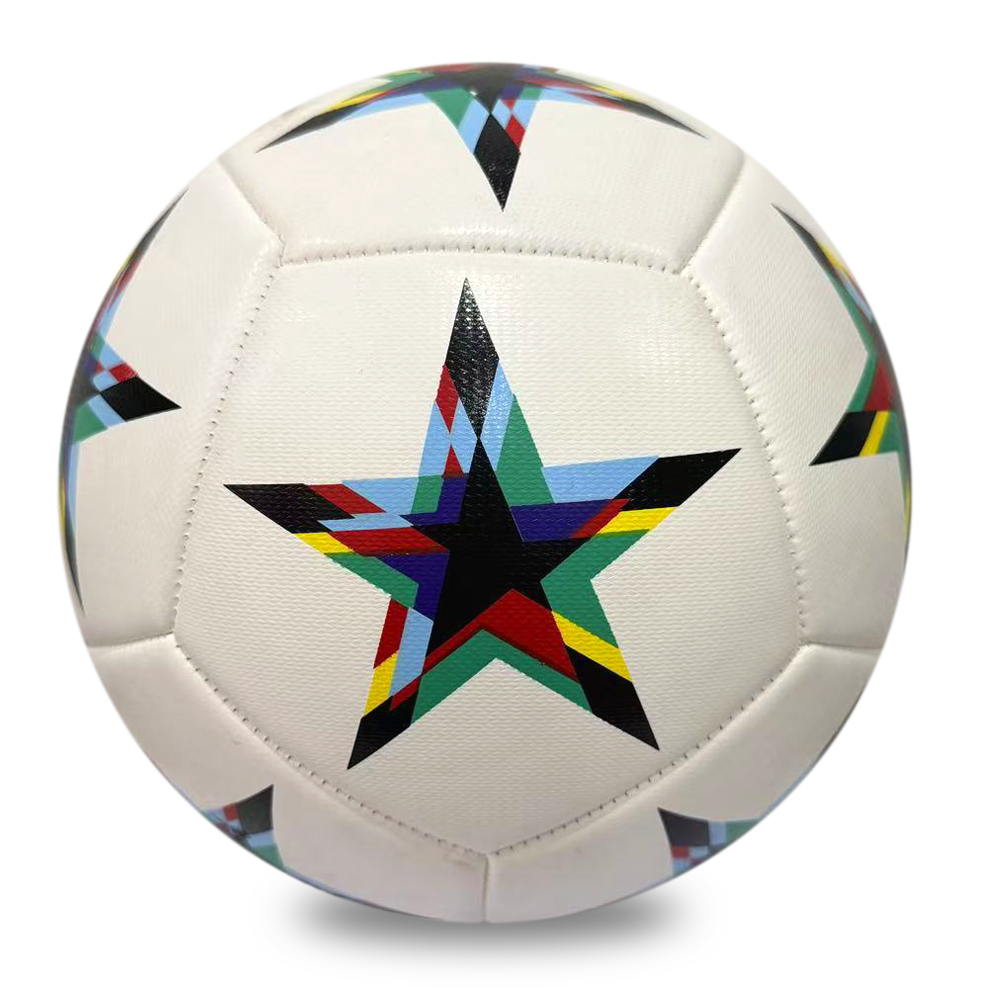
Yet many buyers — whether parents, coaches, or procurement managers sourcing inventory — approach the purchase without a clear framework for evaluation. A size 4 soccer ball is not simply a smaller version of a standard ball. It has its own specifications, performance characteristics, construction methods, and suitability criteria that deserve careful thought before any buying decision is made. This article walks through everything you need to consider, so your investment delivers the performance and durability your players genuinely need.
Understanding What Makes a Size 4 Soccer Ball the Right Fit
The Age and Player Profile It Serves
The size 4 soccer ball is the official ball used by players aged approximately 8 to 12, which corresponds to many youth academy programs, school leagues, and recreational clubs around the world. This age range is characterized by rapid technical development, and using the correct ball size plays a direct role in how effectively young players develop passing accuracy, dribbling control, and shooting technique. A ball that is too large or too heavy will distort mechanics and build poor habits that are difficult to correct later.
Before purchasing, confirm that the players who will use the ball genuinely fall within this age and developmental bracket. A coach sourcing balls for a mixed-age training session should always default to the size recommended for the youngest group present, ensuring no player is disadvantaged by equipment that overwhelms their physical capacity. The size 4 soccer ball also sees use in futsal training environments and smaller-sided game formats, making it versatile enough to serve multiple training contexts simultaneously.
If you are a buyer purchasing on behalf of a club or school, it is worth surveying the age breakdown of your player roster before placing a bulk order. Using the wrong size across an entire program is a costly mistake that undermines training quality across the board.
Standard Dimensions and Weight Specifications
A regulation size 4 soccer ball measures between 63.5 cm and 66 cm in circumference and weighs between 350 and 390 grams when fully inflated. These specifications exist for a reason — they calibrate the ball's physical demands to the strength, coordination, and biomechanical capacity of youth players in this age group. When evaluating any ball presented as a size 4, verifying that these measurements meet the standard should be among your first steps.
Some manufacturers produce balls labeled as size 4 that do not reliably meet these tolerances, particularly at lower price points. A ball that consistently inflates outside the correct weight range will behave unpredictably, affecting heading safety, passing weight, and shooting dynamics. Always request specification documentation when sourcing in volume, and consider testing a sample unit before committing to a large order.
Construction Quality and Material Considerations
Outer Cover Materials and Their Impact on Performance
The outer cover of a size 4 soccer ball is typically made from PVC, PU (polyurethane), or a combination of synthetic materials. PU-covered balls generally offer a softer feel, better touch, and greater durability under repeated use, making them the preferred choice for training and match play at youth level. PVC balls tend to be harder, less responsive, and more prone to cracking in cold weather, though they are often more affordable and suitable for casual recreational use.
When evaluating cover quality, look for consistent panel bonding, smooth seam construction, and a surface texture that provides reliable grip in both wet and dry conditions. Youth players spend a significant amount of time handling the ball at close range, so a cover that feels natural against the foot and responds predictably to contact is genuinely important for their development. A poorly surfaced ball introduces unnecessary friction variations that distort the feedback loop young players rely on to refine their technique.
Stitching Method and Structural Integrity
Soccer balls are constructed using one of three main methods: hand stitching, machine stitching, or thermal bonding. For a size 4 soccer ball intended for regular training use, machine stitching offers an excellent balance of durability and cost-effectiveness. Machine-stitched balls maintain their shape well across a wide range of temperatures and playing surfaces, resist panel separation under repeated impact, and are generally available at price points that make bulk procurement practical.
If you are sourcing a size 4 soccer ball for a club, school, or sports retailer requiring high-volume supply, machine stitching is often the most sensible default choice. It combines consistent production quality with the structural resilience needed when balls cycle through heavy daily use by multiple players. Hand-stitched balls, while superior in feel and precision, are typically reserved for match-day use rather than the grind of daily training sessions.
Thermal bonding produces a seamless ball surface that offers excellent waterproofing and a consistent aerodynamic profile, but these balls often come at a premium price and may not provide the same level of panel durability over extended use. For most youth training environments, a well-constructed machine-stitched ball will outperform its cost significantly when evaluated over its usable lifespan.
Bladder Type and Air Retention
The internal bladder of a size 4 soccer ball determines how well the ball retains air and how consistently it responds to impact. Butyl bladders are the industry standard for training balls due to their excellent air retention — a ball with a butyl bladder will maintain correct pressure for longer periods between inflation cycles, reducing interruptions during practice. Latex bladders offer a more responsive feel and better energy return on contact, but require more frequent inflation and are more vulnerable to valve leakage over time.
For coaches managing large groups of players, consistent ball pressure across an entire set of balls is genuinely important for training fairness and quality. A mismatched set where some balls are firm and others soft introduces variability that confuses young players and makes structured drill work less effective. Prioritizing butyl-bladderd options in your procurement reduces the maintenance burden while keeping training conditions consistent.
Surface and Playing Environment Compatibility
Matching the Ball to the Playing Surface
Not all size 4 soccer ball options are suitable for every playing surface, and this is a consideration that is frequently overlooked by buyers focused primarily on size and price. A ball used on artificial turf will experience significantly different abrasion patterns compared to one used on natural grass or an indoor court surface. Balls with thinner PVC covers can deteriorate rapidly when used on rough artificial turf, while balls designed for indoor play may not offer the grip and bounce characteristics needed on wet outdoor pitches.
Before finalizing a purchase, clarify the primary surface or surfaces on which the ball will be used. If a single ball type must serve multiple surfaces — as is often the case in multi-use club environments — prioritize a robust PU cover with reinforced stitching that can tolerate varied conditions without premature wear. Some manufacturers produce surface-specific variants of the size 4 soccer ball, and using a designated indoor ball on an outdoor surface or vice versa will shorten the product's life considerably.
Weather Conditions and Environmental Durability
Weather plays a meaningful role in how a size 4 soccer ball performs and how long it lasts. Balls used in cold climates are exposed to temperature stress that can cause cover materials — particularly PVC — to harden, crack, or lose elasticity. Bladder materials also respond to cold, and a ball that holds pressure well at room temperature may deflate more quickly when left in a cold storage facility overnight. For programs operating year-round in variable climates, selecting a ball rated for a broad temperature range is a practical investment.
In wet conditions, a ball's water absorption rate becomes relevant. A size 4 soccer ball that absorbs excessive moisture during rain-soaked training sessions will increase in weight, moving it outside the regulation weight range and placing additional strain on young players' joints and muscles during heading and kicking. Thermal-bonded or tightly machine-stitched balls with sealed panels offer better water resistance than loosely stitched models, and this factor alone can justify a modest price premium for programs in wet-weather regions.
Budget, Value, and Volume Procurement Considerations
Evaluating Cost Against Durability and Lifespan
Budget is always a real constraint, particularly for schools, community clubs, and nonprofits operating youth soccer programs. However, treating the size 4 soccer ball purely as a commodity purchase based on unit price often leads to higher total costs over time. A ball purchased at the lowest available price point but requiring replacement after three months of use will cost more annually than a moderately priced option that lasts a full year or more under the same conditions.
When assessing value, calculate cost per training session or cost per month of active use rather than unit price alone. Factor in replacement frequency, the time cost of procurement cycles, and the effect of ball quality on training outcomes. Clubs that invest in a size 4 soccer ball with above-baseline construction often find that the improvement in training session quality — measured through player engagement, technique consistency, and reduced equipment interruptions — more than justifies the additional expenditure.
High-Volume Sourcing and Supplier Reliability
For organizations purchasing a size 4 soccer ball in large quantities, supplier reliability becomes as important as product specification. Consistent quality across production batches, reliable lead times, and transparent communication about materials and manufacturing processes are all factors that separate a dependable supply partner from one that creates ongoing procurement headaches. Request batch samples before committing to large orders, and establish clear quality benchmarks that any delivery must meet.
High-volume buyers should also evaluate packaging quality, since balls that arrive poorly packaged may sustain surface damage during shipping that affects their usable life from day one. For retail buyers, consistent print quality and branding on the ball surface matter as much as structural performance, since visual consistency across a product line affects shelf appeal and customer perception. A size 4 soccer ball sourced with these considerations in mind reflects a procurement approach that protects both quality and commercial outcomes.
FAQ
What age group is a size 4 soccer ball designed for?
A size 4 soccer ball is designed for players between approximately 8 and 12 years of age. This age range corresponds to youth academy and school league play in most national football associations. Using the correct ball size for this developmental stage supports proper technique formation and ensures the physical demands of the ball match the player's strength and coordination capacity.
How do I know if a size 4 soccer ball meets official specifications?
An official size 4 soccer ball should measure between 63.5 and 66 cm in circumference and weigh between 350 and 390 grams when properly inflated. Always verify these measurements with a tape measure and scale when evaluating new supplier samples. Reputable manufacturers will provide written specification sheets that confirm the ball meets these tolerances consistently across production batches.
Is machine stitching good enough for a size 4 soccer ball used in regular training?
Yes, machine stitching is generally well-suited to a size 4 soccer ball used in regular training environments. Machine-stitched construction offers strong panel bonding, good shape retention, and solid durability across varied playing surfaces and weather conditions. It provides a reliable cost-to-performance ratio that makes it the standard choice for clubs and schools procuring balls in volume for daily use.
What is the difference between a PU and PVC cover on a size 4 soccer ball?
A PU (polyurethane) cover on a size 4 soccer ball offers a softer touch, better surface grip, and greater durability compared to a PVC cover. PVC covers are harder, less responsive, and more prone to cracking under cold conditions, but they are typically less expensive. For development-focused youth programs where ball feel and longevity matter, PU is the preferred choice, while PVC may be acceptable for casual recreational or storage-heavy environments.