
 EN
EN



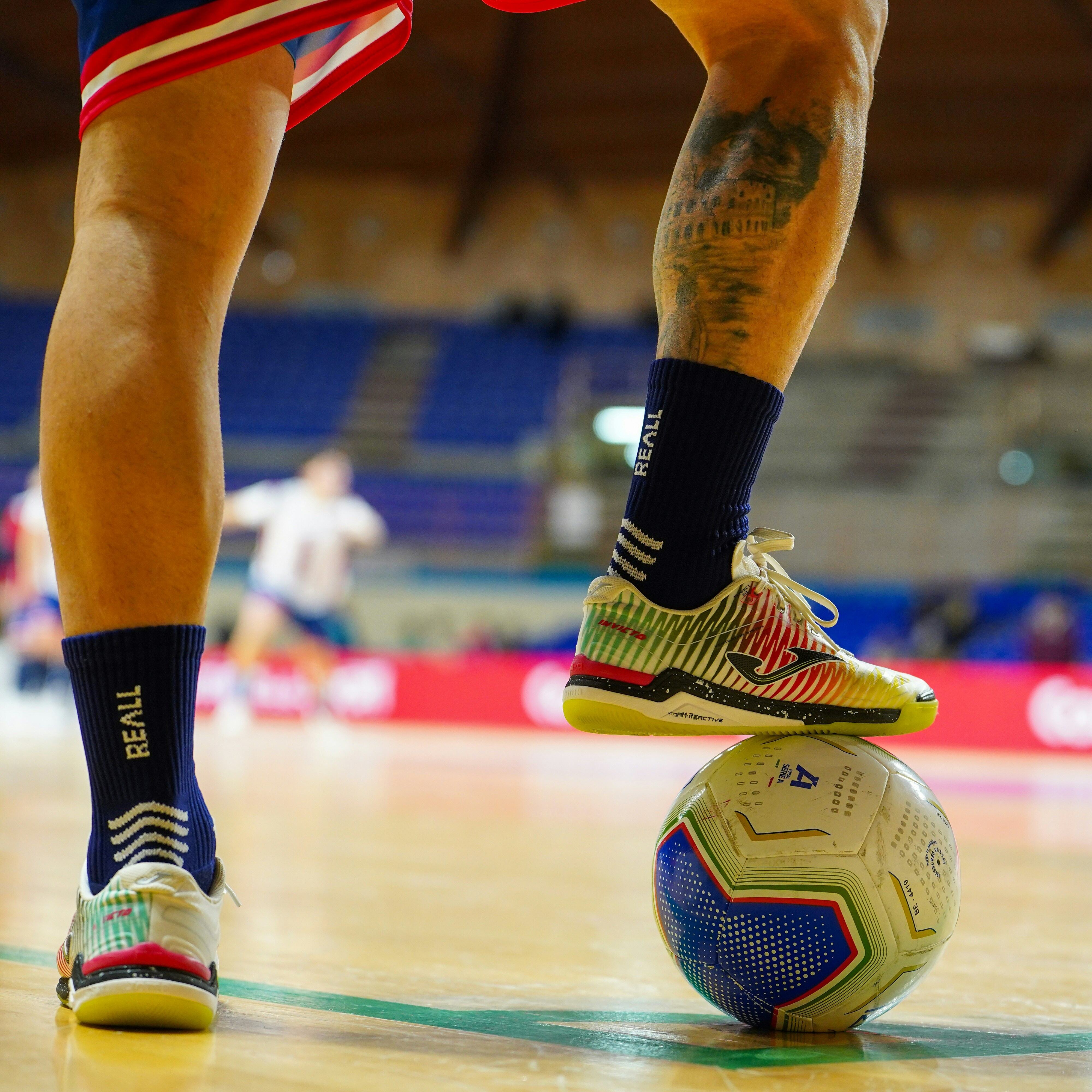
Ball control is one of the most fundamental skills in soccer, and the equipment a player trains with has a direct influence on how quickly and effectively that skill develops. Not every soccer training ball is built the same way, and the differences in construction, surface texture, weight distribution, and panel design all play a measurable role in how a player receives, passes, and controls the ball during practice sessions. Understanding which features matter most allows coaches, clubs, and individual players to make smarter purchasing decisions that directly support skill development.
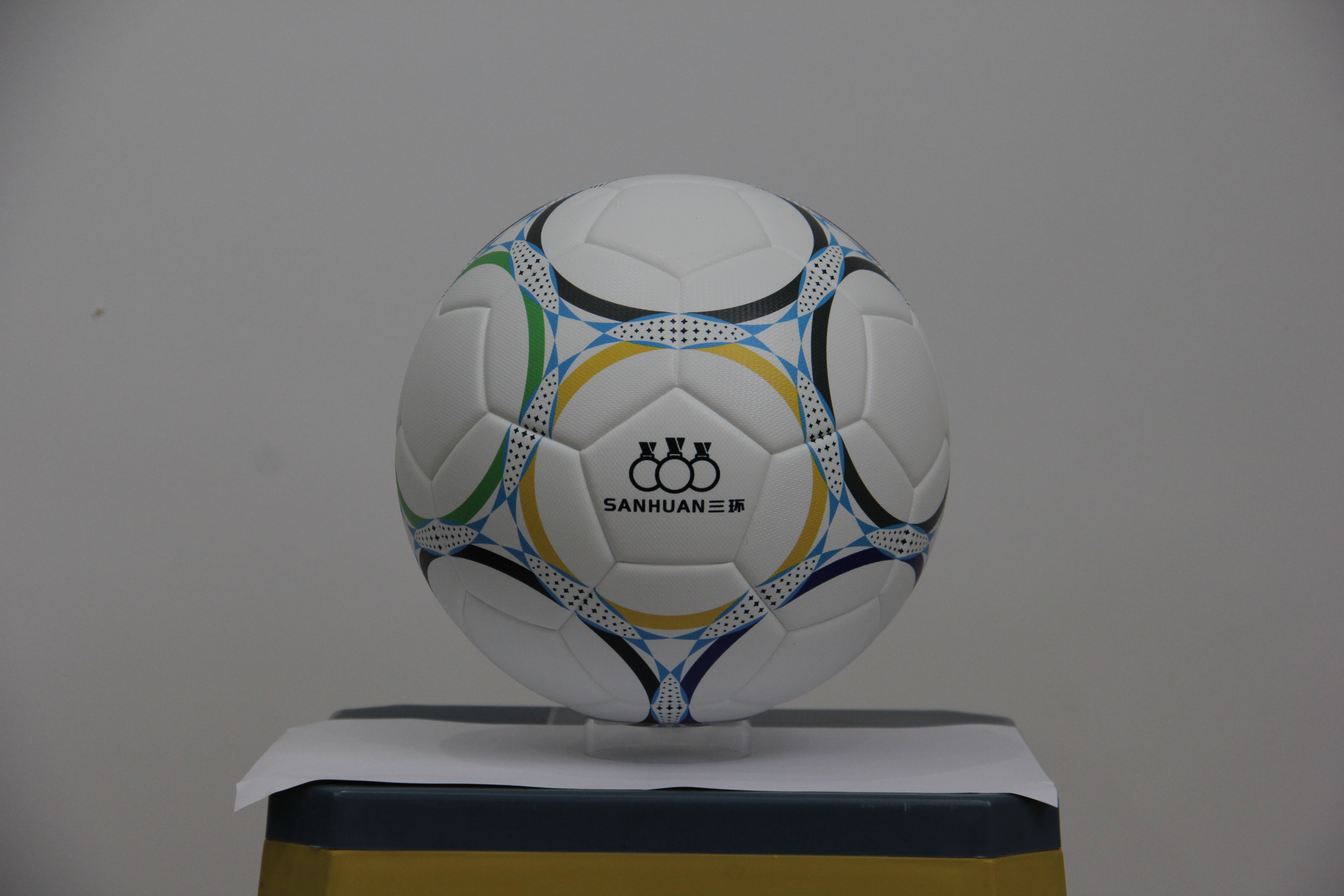
A well-designed soccer training ball gives players consistent feedback with every touch. When the ball behaves predictably — bouncing true, holding its shape under pressure, and responding accurately to spin and pace — players can focus entirely on refining their technique rather than compensating for unpredictable equipment. This article breaks down the specific features of a soccer training ball that have the greatest impact on ball control, so you can evaluate options with clarity and confidence.
Panel Design and Its Effect on Touch Consistency
How Panel Count Shapes the Feel of the Ball
The number of panels on a soccer training ball directly affects how the surface interacts with a player's foot. Traditional 32-panel designs distribute surface area evenly, creating a rounder, more predictable contact zone. Fewer panels, such as those found on modern thermally bonded designs, create larger flat sections that can alter the way the ball responds to different types of touches. For ball control training specifically, a consistent and symmetrical panel layout helps players develop reliable muscle memory because the ball reacts the same way regardless of which part of the surface makes contact.
When a soccer training ball has irregular or asymmetrical panel seams, players may notice subtle variations in how the ball moves off their foot. Over time, this inconsistency can actually slow skill development because the nervous system struggles to build a stable reference point. A well-balanced panel structure eliminates this variable, allowing the player to focus entirely on the quality of their touch rather than adjusting for equipment inconsistency.
Coaches working with youth players in particular should pay close attention to panel design when selecting a soccer training ball. Younger players are still forming their foundational movement patterns, and a ball that provides uniform feedback across all contact points accelerates the learning curve significantly compared to one that introduces unnecessary variation.
Seam Construction and Surface Uniformity
The method used to join panels together — whether hand-stitched, machine-stitched, or thermally bonded — affects the surface uniformity of a soccer training ball in ways that directly influence control. Hand-stitched balls tend to have slightly raised seams that players can feel during close control drills, which some experienced players prefer because it gives tactile feedback about contact point. Thermally bonded panels, on the other hand, create a nearly seamless surface that produces a smoother, more aerodynamic flight path.
For ball control training focused on first touch and receiving skills, a soccer training ball with minimal seam interruption allows the ball to sit more cleanly on the foot or chest. This is especially useful when practicing cushioned receptions or instep control, where even small surface irregularities can cause the ball to bobble unexpectedly. The smoother the surface transition between panels, the more predictable the ball's behavior becomes under controlled training conditions.
Bladder Type and Air Retention for Reliable Performance
Latex vs. Butyl Bladders in Training Contexts
The bladder inside a soccer training ball determines how the ball feels when struck and how well it retains air pressure over time. Latex bladders are known for their soft, responsive feel and their ability to return energy quickly on contact, which gives players a livelier touch experience. However, latex bladders lose air pressure faster than butyl alternatives, meaning a soccer training ball with a latex bladder may need more frequent inflation to stay within the optimal pressure range for control training.
Butyl bladders offer superior air retention, which is a practical advantage in high-volume training environments where balls are used across multiple sessions without constant maintenance. A soccer training ball that holds its pressure consistently will behave the same way at the start of a two-hour session as it does at the end, which is critical for players trying to build repeatable technique. Inconsistent pressure is one of the most overlooked factors that undermines ball control development in training.
For club-level and academy training programs, butyl bladder soccer training balls are generally the more practical choice because they reduce the administrative burden of pressure checks while maintaining consistent performance. Individual players who prioritize feel over durability may prefer latex, but they should be prepared to monitor pressure more carefully to ensure the ball stays within the range that supports accurate control feedback.
Optimal Pressure Range and Its Impact on Control
Even the best-constructed soccer training ball will underperform if it is inflated outside its recommended pressure range. An overinflated ball becomes harder and less forgiving on contact, making it more difficult to cushion and control, particularly for younger or less experienced players. An underinflated ball loses its shape integrity and produces unpredictable bounces that make it nearly impossible to develop consistent first-touch habits.
Most quality soccer training balls are designed to perform optimally within a specific PSI range printed on the ball itself. Training programs that enforce regular pressure checks before sessions will see measurably better skill development outcomes because players are always working with a ball that behaves as intended. This is a simple operational detail that has a disproportionately large impact on the quality of ball control training.
Outer Casing Material and Surface Texture
PU vs. PVC Covers for Training Use
The outer casing of a soccer training ball is the first point of contact between the player and the ball, making it one of the most important features for ball control development. Polyurethane (PU) covers are softer and more responsive than polyvinyl chloride (PVC) alternatives, offering a touch experience that more closely resembles match-quality balls. This matters for training because players who practice with a soccer training ball that feels similar to what they use in competition will transfer their skills more effectively.
PVC covers are more durable and cost-effective, making them a common choice for high-volume training environments where balls take significant wear. However, the harder surface of a PVC soccer training ball can make fine control more challenging, particularly for skills like juggling, close dribbling, and receiving balls out of the air. For technical training sessions focused specifically on ball control, a PU-covered soccer training ball is generally the better investment.
Some manufacturers offer hybrid materials that attempt to balance the durability of PVC with the touch quality of PU. These can be a practical middle ground for clubs that need a soccer training ball to withstand heavy use while still providing adequate feedback for skill development. The key is to evaluate the cover material in the context of the specific training goals rather than defaulting to the cheapest or most durable option available.
Surface Texture Patterns and Grip Characteristics
Beyond the base material, the texture pattern embossed or printed onto the outer surface of a soccer training ball affects how the ball grips the foot during contact. A textured surface creates micro-friction that helps players apply spin more deliberately, which is essential for developing curved passes, bending shots, and controlled chip techniques. Smooth surfaces, while visually appealing, can make it harder for players to feel the ball clearly during close control work.
Dimpled or pebbled surface textures on a soccer training ball also improve aerodynamic stability during flight, which means the ball travels on a more predictable path after being struck. This predictability is valuable during passing and receiving drills because players can anticipate where the ball will arrive and position their body accordingly. Consistent flight behavior reinforces the connection between technique and outcome, which is the foundation of effective ball control training.
Size and Weight Specifications for Skill Development
Matching Ball Size to Player Age and Training Goals
Using the correct size soccer training ball for a player's age and development stage is a fundamental requirement for effective ball control training. Size 3 balls are appropriate for young children still developing basic coordination, while size 4 is standard for players in the 8–12 age range. Size 5 is the full match-standard ball used by players aged 13 and above. Training with a ball that is too large or too heavy for a player's current physical development creates compensatory movement patterns that are difficult to unlearn later.
Some coaches intentionally use smaller or lighter soccer training balls for specific skill development purposes. A smaller ball demands greater precision in every touch, which can accelerate the development of close control and dribbling technique. However, this approach should be used selectively and always in combination with standard-size training to ensure that skills transfer correctly to match conditions.
Weight Distribution and Balance in the Ball
A well-balanced soccer training ball has its weight distributed evenly across the entire sphere, which ensures that it rolls and bounces predictably regardless of which part of the surface makes contact with the ground. Imbalanced balls — often the result of poor manufacturing quality or bladder misalignment — will wobble or veer unexpectedly, making it impossible for players to develop reliable control habits.
Weight consistency also matters across a set of training balls used in the same session. When players rotate between balls of noticeably different weights, their touch calibration is constantly being reset, which reduces the efficiency of the training session. Investing in a consistent set of quality soccer training balls ensures that every player in a group session is working with equipment that provides the same feedback, creating a level and productive training environment.
For individual players doing solo ball control work, a soccer training ball with verified weight consistency allows them to build a precise internal reference for how much force is needed for different types of touches. This internal calibration is what separates technically gifted players from those who struggle to control the ball under pressure, and it can only be developed through repetition with reliable, consistent equipment.
Durability and All-Surface Performance
Training Surface Compatibility
A soccer training ball used on artificial turf, concrete, or hard ground surfaces faces significantly more abrasion than one used exclusively on natural grass. The outer casing must be durable enough to withstand repeated contact with rough surfaces without degrading in a way that alters the ball's feel or flight characteristics. Balls that wear unevenly develop surface irregularities that introduce unpredictable behavior, undermining the consistency that ball control training depends on.
Many modern soccer training balls are specifically designed for multi-surface use, with reinforced outer casings and abrasion-resistant coatings that extend the ball's useful life across different training environments. Selecting a soccer training ball that matches the primary training surface used by a team or individual player is a practical decision that protects the investment and ensures consistent performance over time.
Long-Term Shape Retention
A soccer training ball that loses its spherical shape over time becomes progressively less useful for control training. Shape retention depends on the quality of the bladder, the strength of the panel bonding, and the resilience of the outer casing under repeated impact. Balls that deform under heavy use will bounce and roll inconsistently, making it impossible to maintain the predictable feedback environment that skill development requires.
High-quality construction methods, such as thermal bonding, tend to produce soccer training balls with better long-term shape retention compared to lower-cost alternatives. While the upfront cost may be higher, the extended useful life and consistent performance of a well-constructed soccer training ball typically represent better value for clubs and academies that train frequently and intensively.
FAQ
What is the most important feature of a soccer training ball for improving ball control?
Consistency is the single most important feature. A soccer training ball that behaves predictably — holding its shape, maintaining pressure, and responding uniformly to different types of contact — allows players to build reliable muscle memory. Surface texture, panel design, and bladder quality all contribute to this consistency, but the overall goal is a ball that gives the same feedback every time it is touched.
Does the size of a soccer training ball affect how quickly a player develops ball control?
Yes, significantly. Using the correct size soccer training ball for a player's age and physical development ensures that the movement patterns being trained are appropriate and transferable to match conditions. Training with an oversized ball can create compensatory habits, while a smaller ball can be used deliberately to sharpen precision, but only as a supplement to standard-size training.
How often should a soccer training ball be checked for pressure?
Ideally, a soccer training ball should be checked before every training session. Pressure loss is gradual and not always visually obvious, but even small deviations from the recommended PSI range can noticeably affect how the ball responds to contact. Consistent pressure maintenance is one of the simplest and most effective ways to ensure that ball control training produces reliable results.
Is a thermally bonded soccer training ball better for control than a hand-stitched one?
Both construction methods have merits depending on the training context. Thermally bonded soccer training balls offer a smoother, more seamless surface that produces consistent flight and a clean touch experience, which is particularly useful for receiving and first-touch drills. Hand-stitched balls provide tactile seam feedback that some players find helpful for developing spin and curve techniques. The best choice depends on the specific skills being trained and the player's development stage.
Table of Contents
- Panel Design and Its Effect on Touch Consistency
- Bladder Type and Air Retention for Reliable Performance
- Outer Casing Material and Surface Texture
- Size and Weight Specifications for Skill Development
- Durability and All-Surface Performance
-
FAQ
- What is the most important feature of a soccer training ball for improving ball control?
- Does the size of a soccer training ball affect how quickly a player develops ball control?
- How often should a soccer training ball be checked for pressure?
- Is a thermally bonded soccer training ball better for control than a hand-stitched one?