
 EN
EN



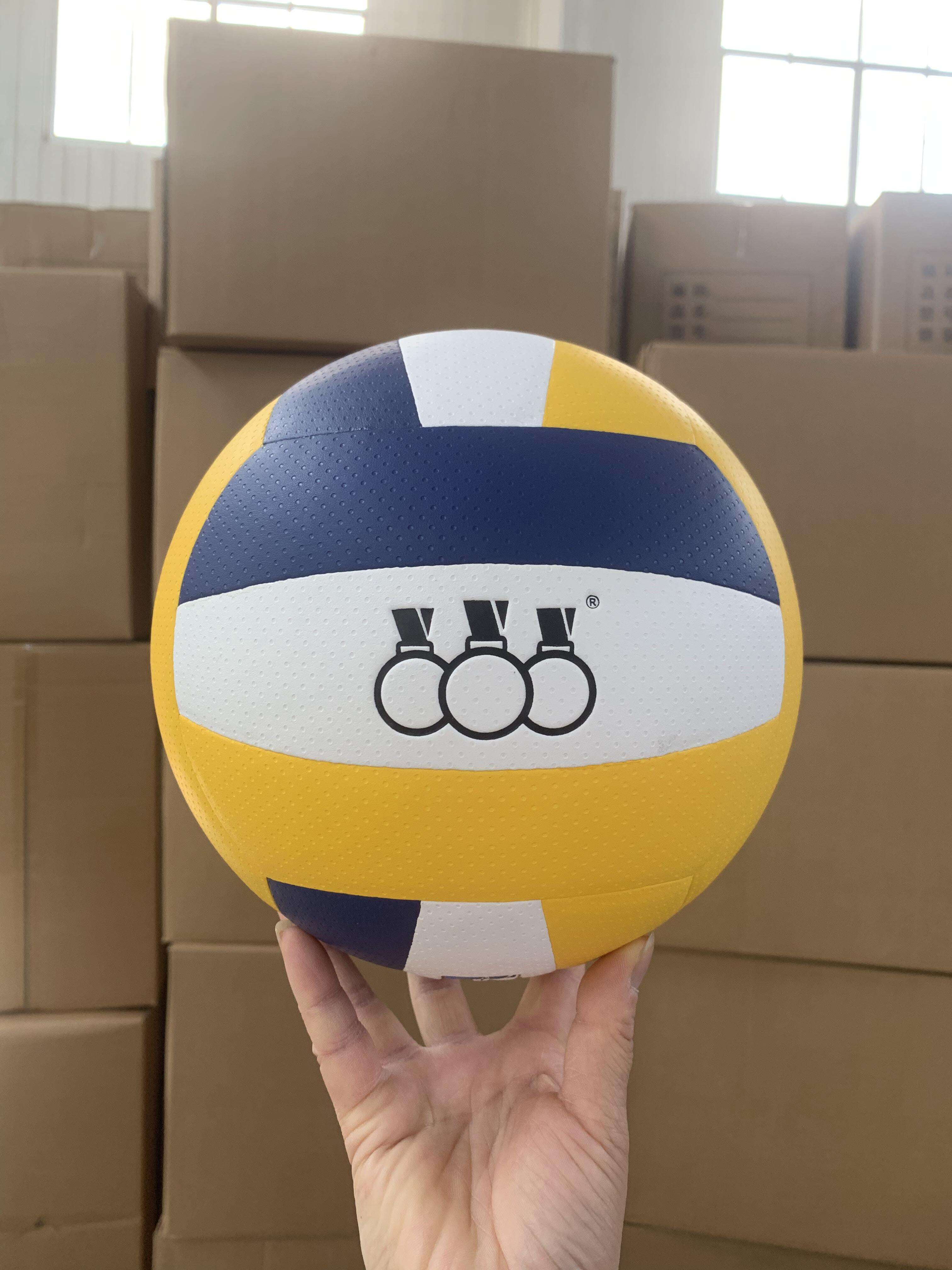
When preparing for competitive tournament play, understanding which volleyball specifications truly impact performance becomes essential for athletes, coaches, and event organizers alike. The difference between a recreational volleyball and one suitable for sanctioned tournament use extends far beyond surface appearance, encompassing precise technical parameters that directly affect ball flight, player control, and game consistency. Tournament-grade volleyballs must meet strict standards established by international governing bodies, ensuring fair competition and predictable performance across diverse playing conditions and competitive levels.
Selecting the appropriate volleyball for tournament settings requires careful evaluation of multiple specification categories that collectively determine whether a ball meets competitive requirements. These specifications include dimensional accuracy, weight tolerance, internal pressure standards, panel construction methods, surface texture characteristics, and material composition—each contributing uniquely to how the volleyball performs during serves, passes, sets, and attacks. Organizations governing professional and amateur tournaments mandate specific ranges for these parameters, and understanding why these standards exist helps clarify which specifications deserve priority attention when sourcing or approving volleyballs for sanctioned competitive play.
Dimensional and Weight Standards for Competition-Grade Volleyballs
Circumference Requirements and Measurement Protocols
Tournament volleyball specifications begin with precise dimensional standards that ensure consistency across all competitive play. The official circumference for regulation volleyballs ranges between 65 and 67 centimeters, a specification established by the Fédération Internationale de Volleyball to maintain uniform ball handling characteristics. This narrow tolerance window exists because even slight variations in circumference directly affect how players grip, control, and strike the volleyball during rapid exchanges. Balls measuring below 65 centimeters feel noticeably smaller in hand contact, potentially causing misjudgments in setting technique, while those exceeding 67 centimeters create handling difficulties that disadvantage players with smaller hand spans.
Manufacturers verify circumference through standardized measurement protocols that account for temperature and inflation variables. Quality control processes for tournament-grade volleyballs involve measuring at multiple points around the ball's equator after the volleyball has been inflated to standard pressure and allowed to stabilize at room temperature for at least twelve hours. This stabilization period prevents measurement errors caused by material expansion or contraction immediately following inflation. The measurement process typically employs calibrated flexible tapes or specialized circumference gauges designed specifically for spherical sports equipment, ensuring accuracy within millimeter tolerances that directly impact whether a volleyball receives tournament approval certification.
Weight Specifications and Their Performance Implications
Official tournament volleyballs must fall within a weight range of 260 to 280 grams, another tightly controlled specification that profoundly influences ball flight dynamics and player fatigue management. This weight standard represents decades of empirical refinement aimed at balancing multiple performance factors including optimal trajectory control, appropriate impact force during defensive plays, and sustainable physical demands during extended tournament matches. Volleyballs weighing less than 260 grams exhibit excessive float characteristics that make serve reception unpredictable, while those exceeding 280 grams require greater striking force and increase wrist and shoulder strain during repetitive hitting movements throughout multi-match tournament schedules.
The weight distribution within a tournament volleyball matters equally to its total mass. Properly manufactured volleyballs achieve balanced weight distribution through symmetric panel arrangement and uniform bladder construction, ensuring the ball rotates predictably without wobble or erratic flight paths. Manufacturers accomplish this balance through precision molding techniques and quality-verified bladder placement within the outer casing. Tournament officials verify weight compliance using calibrated digital scales accurate to single-gram measurements, typically weighing multiple sample volleyballs from each production batch before approving them for competitive use. This rigorous weight verification process prevents performance inconsistencies that could compromise competitive fairness during tournament play.
Internal Pressure Standards and Inflation Requirements
Prescribed Pressure Ranges for Tournament Volleyballs
Internal air pressure represents one of the most critical yet frequently misunderstood volleyball specifications affecting tournament play quality. Regulation standards mandate that volleyballs maintain internal pressure between 0.30 and 0.325 kilograms per square centimeter, equivalent to approximately 4.26 to 4.62 pounds per square inch. This specific pressure range emerged from extensive testing demonstrating optimal rebound characteristics, appropriate contact feel during defensive digs, and sufficient firmness for controlled setting without excessive hardness that increases injury risk during blocked attacks or emergency floor dives. Volleyballs inflated below this range feel soft and unpredictable, with inconsistent bounce height and reduced responsiveness during quick offensive plays.
Tournament organizers must verify volleyball pressure before match commencement and periodically throughout extended competition days, as temperature fluctuations and repeated high-velocity impacts gradually affect internal pressure. Professional tournaments employ pressure gauges calibrated specifically for volleyball specifications, measuring through the inflation valve without requiring deflation. Ambient temperature significantly influences volleyball pressure readings—for every ten-degree Celsius change, internal pressure shifts approximately 3-5 percent due to gas expansion and contraction principles. Consequently, tournaments held in climate-controlled indoor facilities maintain more stable volleyball pressure compared to outdoor or non-conditioned venues, explaining why major international tournaments mandate specific environmental conditions alongside volleyball specifications themselves.
Pressure Retention and Bladder Quality Indicators
Beyond initial inflation accuracy, tournament-quality volleyballs must demonstrate superior pressure retention over extended periods and repeated use cycles. High-performance volleyball bladders manufactured from butyl rubber or advanced synthetic compounds maintain pressure stability far better than lower-grade latex alternatives, losing less than 1-2 percent of their pressure over seven-day periods under standard storage conditions. This retention capability proves essential during multi-day tournaments where the same volleyball set serves multiple matches without repeated inflation adjustments that consume time and risk introducing pressure inconsistencies between individual balls.
Tournament directors evaluate pressure retention through pre-competition testing protocols that involve inflating volleyball samples to standard pressure and monitoring retention rates over 48-72 hour periods. Volleyballs exhibiting pressure loss exceeding 5 percent during this testing window typically indicate bladder defects or valve seal problems that disqualify them from tournament use. Advanced manufacturing techniques including seamless bladder molding and precision-engineered valve systems minimize microscopic leak pathways that cause gradual pressure loss. Understanding these pressure retention specifications helps procurement officers distinguish between volleyballs suitable for brief recreational sessions versus those meeting the durability demands of intensive tournament schedules where consistent performance across dozens of matches becomes non-negotiable.
Panel Construction Methods and Surface Characteristics
Panel Configuration and Construction Techniques
The panel construction method fundamentally determines volleyball durability, surface uniformity, and tactile response characteristics essential for tournament play. Modern competitive volleyballs employ either 18-panel or 8-panel configurations, with the panel count and attachment methodology directly influencing ball roundness, seam prominence, and overall structural integrity under tournament stress conditions. The 18-panel design, traditionally associated with hand-stitched volleyballs, creates more seam lines but allows superior shape retention and easier manufacturing quality control. Conversely, 8-panel configurations gained prominence with thermal bonding technology, offering reduced seam visibility and smoother surface continuity that some players prefer for consistent hand contact during setting and controlled attacks.
Thermal bonding has emerged as the dominant construction method for elite tournament volleyballs, replacing traditional stitched construction in most international competitions. This manufacturing process fuses synthetic leather panels directly to the underlying bladder using controlled heat and pressure application, eliminating stitching threads that create surface irregularities and potential failure points. Thermally bonded volleyballs demonstrate superior water resistance compared to stitched alternatives, maintaining consistent weight and surface grip even in humid tournament environments where moisture absorption would compromise stitched ball performance. The bonding process also enables tighter manufacturing tolerances, producing volleyballs with more uniform spherical geometry and predictable aerodynamic characteristics that competitive players depend upon for precision ball placement during tournament matches.
Surface Texture and Grip Enhancement Technologies
Tournament volleyball specifications include detailed surface texture requirements that balance grip security with appropriate sliding characteristics during hand contact. The outer cover material, typically premium synthetic leather or composite microfiber, must provide sufficient friction for controlled ball handling without excessive tackiness that impedes clean release during setting motions. Manufacturers achieve this balance through precisely engineered surface dimpling patterns, specialized coating applications, and material selection that maintains consistent grip properties across varying humidity levels and temperature conditions encountered in different tournament venues throughout competitive seasons.
Advanced volleyball surface treatments incorporate microscopic texture patterns invisible to casual observation but significantly impacting player control during competitive play. These engineered surfaces feature controlled roughness measurements typically ranging between 8 and 15 micrometers, creating optimal friction coefficients that allow players to impart controlled spin during serves while maintaining secure contact during defensive digs. Tournament-approved volleyballs undergo abrasion resistance testing that simulates thousands of contacts, ensuring surface texture characteristics remain stable throughout the volleyball's competitive lifespan rather than degrading after initial break-in periods. This texture durability specification prevents performance drift that would create unfair advantages for teams using freshly introduced volleyballs versus those playing with balls approaching end-of-tournament service life.
Material Composition and Durability Requirements
Cover Material Standards for Tournament Applications
The outer cover material composition directly determines volleyball longevity, moisture management, and consistent performance maintenance throughout tournament play. Tournament-grade volleyballs utilize premium synthetic leather compounds or advanced microfiber composites engineered specifically for competitive athletics rather than generic PVC or PU materials found in recreational balls. These specialized materials exhibit superior abrasion resistance, maintaining surface integrity through hundreds of high-velocity impacts, floor contacts, and net scrapes that occur during intensive tournament schedules. The molecular structure of tournament-quality cover materials resists degradation from ultraviolet exposure, temperature cycling, and moisture contact—environmental factors that rapidly compromise lower-grade volleyball materials.
Material selection for tournament volleyballs also addresses tactile consistency requirements that ensure identical feel characteristics across different units within the same approved ball set. Manufacturing specifications mandate uniform material thickness typically ranging between 0.6 and 0.9 millimeters across all panels, preventing soft spots or rigid areas that would create unpredictable ball response during play. Quality assurance protocols include material density verification, flexibility testing across temperature ranges, and aging simulation procedures that expose sample volleyballs to accelerated wear conditions equivalent to full tournament seasons. Only materials demonstrating stable performance characteristics throughout these rigorous evaluation processes receive approval for tournament volleyball manufacturing, ensuring the balls maintain specification compliance from opening serve through championship matches.
Structural Reinforcement and Impact Resistance
Tournament volleyball specifications extend beyond surface characteristics to include internal structural reinforcement systems that prevent deformation under repeated high-energy impacts. Elite competition involves serves exceeding 100 kilometers per hour and spike attacks approaching 130 kilometers per hour—impact forces that would quickly compromise volleyballs lacking appropriate structural engineering. Manufacturers incorporate reinforcement layers between the outer cover and inner bladder, typically utilizing fabric meshes or synthetic reinforcement webs that distribute impact forces across broader surface areas rather than concentrating stress at contact points. These reinforcement systems maintain volleyball sphericity even after thousands of contacts, preventing the oval distortion that creates unpredictable bounce characteristics and disqualifies balls from continued tournament use.
Impact resistance testing for tournament-grade volleyballs involves subjecting sample units to repetitive high-velocity strikes against rigid surfaces, simulating the accumulated stress of complete tournament schedules. Specification compliance requires volleyballs to maintain dimensional accuracy within original tolerances, retain at least 95 percent of initial pressure, and show no visible cover separation or panel distortion after impact sequences equivalent to 500-800 competitive rallies. Advanced volleyball designs incorporate multi-layer laminated construction that enhances impact resistance while maintaining the appropriate softness for player comfort during defensive plays. Understanding these durability specifications helps tournament organizers estimate appropriate volleyball rotation schedules and replacement intervals that maintain consistent play quality throughout multi-day competitive events.
Certification Standards and Approval Processes
International Governing Body Approval Requirements
Tournament volleyball specifications gain authority through formal certification processes administered by international governing bodies including the Fédération Internationale de Volleyball and regional federations overseeing continental competitions. These organizations maintain detailed volleyball approval protocols that manufacturers must navigate before their products receive authorization for sanctioned tournament use. The certification process involves submitting production samples for comprehensive laboratory testing covering all dimensional, weight, pressure, construction, and performance specifications outlined in official standards documents. Only volleyballs successfully completing this multi-parameter evaluation process receive official approval designation, typically indicated through branded logos or certification marks printed directly on approved balls.
The approval process extends beyond initial product certification to include ongoing quality monitoring through random sample testing of production batches. Manufacturers holding tournament volleyball certifications must maintain documented quality control systems that verify specification compliance throughout continuous production runs rather than only for submitted certification samples. Governing bodies reserve authority to conduct unannounced factory audits and retail sample purchases for independent verification testing, ensuring certified volleyballs consistently meet published standards rather than experiencing quality drift after initial approval. This ongoing oversight system protects tournament integrity by preventing specification creep that could introduce performance variations between volleyball batches used across different competitions or tournament phases.
Performance Verification and Field Testing Protocols
Beyond laboratory specification testing, tournament volleyball approval incorporates field performance evaluation conducted by competitive athletes and certified officials under actual playing conditions. These practical assessments evaluate characteristics difficult to quantify through laboratory measurements alone, including subjective factors like hand feel during setting, visibility during flight tracking, and acoustic feedback during contact that players rely upon for technique refinement. Field testing protocols typically involve multiple playing sessions across varied skill levels and playing styles, gathering structured feedback through standardized evaluation forms that rate specific performance attributes on consistent numerical scales.
Tournament volleyball specifications undergo periodic review and refinement based on accumulated field performance data, technological advances in manufacturing capabilities, and evolving competitive play styles that create new performance demands. Governing bodies convene technical committees including athletes, coaches, officials, and materials engineers who analyze performance trends and propose specification adjustments that improve volleyball quality while maintaining backward compatibility with existing approved products. This continuous improvement process ensures tournament volleyball standards evolve alongside the sport itself, incorporating innovation that enhances play quality while preserving the fundamental performance characteristics that define competitive volleyball at elite levels.
FAQ
What is the official weight range for tournament volleyballs and why does it matter?
Tournament volleyballs must weigh between 260 and 280 grams according to international standards. This specific weight range balances optimal flight characteristics with appropriate impact force during defensive plays while minimizing player fatigue during extended matches. Balls outside this range either float unpredictably or require excessive striking force, compromising competitive fairness and player safety during tournament play.
How does internal pressure affect volleyball performance in competitive settings?
Internal pressure between 0.30 and 0.325 kilograms per square centimeter determines rebound consistency, contact feel, and overall responsiveness during tournament play. Properly inflated volleyballs within this range provide predictable bounce characteristics essential for controlled setting and consistent ball trajectory during serves and attacks. Pressure outside specification ranges creates unpredictable flight paths that disadvantage skilled players and reduce competitive fairness across matches.
Why do most elite tournaments prefer thermally bonded volleyballs over stitched construction?
Thermally bonded volleyballs offer superior water resistance, more uniform spherical geometry, and enhanced durability compared to traditional stitched construction. The thermal bonding process eliminates stitching threads that create surface irregularities and potential failure points while enabling tighter manufacturing tolerances. These characteristics produce more consistent performance across extended tournament schedules and varying environmental conditions, making thermal bonding the preferred construction method for international competitions.
How frequently should tournament volleyballs be replaced during multi-day competitions?
Tournament volleyball replacement schedules depend on match intensity and total contact volume, but professional competitions typically rotate balls after every 8-12 matches or when pressure loss exceeds 5 percent of specification range. Regular rotation maintains consistent performance characteristics across all matches and prevents advantage disparities between teams using fresh versus worn volleyballs. Tournament organizers should maintain adequate volleyball inventory allowing systematic rotation that ensures all matches employ balls meeting full specification compliance throughout the competition.
Table of Contents
- Dimensional and Weight Standards for Competition-Grade Volleyballs
- Internal Pressure Standards and Inflation Requirements
- Panel Construction Methods and Surface Characteristics
- Material Composition and Durability Requirements
- Certification Standards and Approval Processes
-
FAQ
- What is the official weight range for tournament volleyballs and why does it matter?
- How does internal pressure affect volleyball performance in competitive settings?
- Why do most elite tournaments prefer thermally bonded volleyballs over stitched construction?
- How frequently should tournament volleyballs be replaced during multi-day competitions?