Get a Free Quote

Our representative will contact you soon.
Email
Name
Company Name
Message
0/1000

What should you consider when selecting a volleyball ball?

2026-05-18 10:35:00
What should you consider when selecting a volleyball ball?

Choosing the right volleyball ball is one of the most consequential decisions a player, coach, or sports organization can make. Whether you are equipping a professional team, stocking a school gymnasium, or sourcing inventory for a retail brand, the quality and specifications of the volleyball ball directly affect game performance, player safety, and long-term cost efficiency. A mismatched ball can distort training outcomes, reduce player confidence, and create inconsistencies that carry over into competitive play.

volleyball ball

The market offers a wide range of options for the modern volleyball ball, from recreational-grade products built for casual use to premium match balls engineered for elite competition. Understanding what separates a high-performing ball from an average one requires attention to material science, construction technique, regulatory compliance, and the specific playing environment. This article breaks down every major consideration to help you make an informed and confident selection.

Understanding the Playing Environment and Level of Use

Indoor vs. Outdoor Volleyball Balls

One of the first and most important distinctions when selecting a volleyball ball is whether it will be used indoors or outdoors. Indoor volleyball balls are typically made with genuine or synthetic leather panels designed to deliver a soft, consistent touch on hardwood or synthetic court surfaces. They are sensitive to moisture and generally not suited for prolonged outdoor exposure.

Outdoor or beach volleyball balls, on the other hand, are constructed with water-resistant materials and slightly rougher surface textures that help players maintain grip in windy or humid conditions. The panels on an outdoor volleyball ball are often larger and fewer in number, which affects how the ball travels through the air. Selecting the wrong type for the intended environment will directly compromise player performance and ball longevity.

For organizations managing multiple venues or training environments, it may be necessary to stock both indoor and outdoor variants. Understanding the dominant use case is essential before committing to a bulk order or long-term supply arrangement.

Recreational, Training, and Competition Levels

The level at which the volleyball ball will be used is equally critical. Recreational balls are designed for durability and affordability, often featuring machine-stitched panels and standard rubber bladders. They are perfectly adequate for casual games, fitness clubs, and school programs where frequent replacement is expected.

Training balls occupy a middle ground. They are built to withstand high-repetition use, offering more consistent flight characteristics and better bladder retention than recreational models. A reliable training volleyball ball should be able to maintain pressure and shape across hundreds of sessions without significant degradation.

Competition-grade balls are subject to international federation standards and must meet strict specifications regarding circumference, weight, pressure, and rebound consistency. For teams competing at professional or semi-professional levels, using a certified volleyball ball during practice is also important so that players develop muscle memory calibrated to regulation equipment.

Construction Quality and Panel Technology

Panel Count, Bonding Methods, and Surface Materials

The construction method of a volleyball ball has a direct and measurable impact on its flight stability, feel, and durability. Traditional volleyballs are assembled using 18 panels stitched together, but modern manufacturing increasingly favors thermo-bonded construction. Thermo bonding fuses panels using heat and pressure rather than thread, creating a smoother seam profile and a more uniform surface geometry.

A thermo-bonded volleyball ball tends to offer more predictable aerodynamics because the absence of raised seams reduces turbulence-inducing irregularities. This is particularly valued at competitive levels where precise serve trajectories and spike control are critical. For brands and clubs interested in high-performance options, volleyball ball manufacturing with thermo-bonded technology represents a meaningful quality upgrade.

Surface materials also deserve careful scrutiny. Genuine leather offers a premium touch but requires more maintenance and is sensitive to humidity. Synthetic leather, particularly microfiber variants, provides excellent durability, water resistance, and a consistently soft feel. Understanding the surface material helps predict both the tactile experience and how the ball will age under regular use.

Bladder Quality and Pressure Retention

The inner bladder is often an overlooked component when evaluating a volleyball ball, yet it is central to consistent performance. Bladders are typically made from butyl rubber or latex. Butyl bladders retain air pressure significantly longer than latex and are preferred for their low maintenance requirements. Latex bladders offer a slightly livelier feel and are favored by some high-level players for their responsiveness, but they require more frequent inflation checks.

Poor bladder quality leads to pressure loss over time, which alters the ball's bounce, weight distribution, and flight path. For training environments where balls go through multiple sessions daily, bladder durability directly translates into cost savings and performance consistency. A high-quality volleyball ball will maintain stable pressure across extended use periods, reducing the disruption of mid-session re-inflation.

When sourcing in bulk, it is advisable to request specifications on bladder material and thickness as part of the product evaluation. This level of detail distinguishes professional procurement from casual purchasing and has a meaningful long-term impact on total cost of ownership.

Size, Weight, and Regulatory Compliance

Standard Dimensions for Different Age Groups

Official international standards specify that a regulation volleyball ball should have a circumference between 65 and 67 centimeters and a weight between 260 and 280 grams. These specifications are set by international governing bodies and are used at all levels of organized competition. Selecting a ball that falls outside these ranges creates training inconsistencies for players who will eventually compete under regulation conditions.

Youth programs may use slightly smaller and lighter balls to accommodate developing players. A reduced-size volleyball ball helps young athletes build proper technique without the strain of handling full-sized equipment before their physical development is ready for it. Coaches and program directors should match ball size to the age group rather than defaulting to adult-size balls across all categories.

For organizations running multi-age programs, maintaining a separate inventory of youth-appropriate balls alongside regulation-size options is a best practice that supports proper skill development at every stage.

Certification and Regulatory Marking

For competition use, a volleyball ball must carry the appropriate certification markings from recognized governing bodies. These certifications confirm that the ball has undergone independent testing for size, weight, rebound, and water absorption. Purchasing certified balls eliminates the risk of equipment disputes during official matches and provides assurance of consistent manufacturing standards.

For training and recreational purposes, certification is less critical, but it still serves as a useful quality proxy. A manufacturer willing to pursue independent certification typically invests more heavily in quality control processes, which benefits buyers even in non-competitive contexts. When evaluating suppliers, asking about certification history and compliance records is a reasonable part of due diligence.

Customization, Branding, and Bulk Sourcing Considerations

Custom Color, Logo, and Design Options

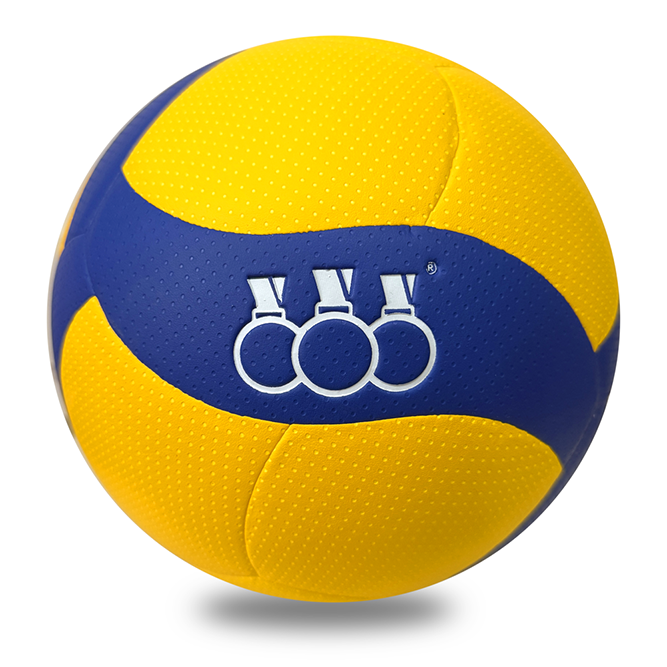
Many sports brands, athletic clubs, and corporate clients require a custom-branded volleyball ball that reflects their visual identity. Customization options typically include panel color combinations, logo application via heat transfer or embossing, and custom packaging. These elements allow organizations to reinforce brand visibility on the court, during events, and through retail or gifting channels.

When working with manufacturers on custom designs, it is important to understand the technical limitations of different ball constructions. Thermo-bonded balls, for example, offer cleaner color application across smooth panels compared to stitched balls where thread lines can interrupt design continuity. The choice of construction method therefore has both a functional and aesthetic dimension for branded products.

Brands sourcing custom volleyball ball products should request physical samples before approving production runs. Color accuracy, surface texture, logo placement, and panel alignment should all be verified on production-grade samples rather than relying solely on digital mockups.

Minimum Order Quantities, Lead Times, and Quality Assurance

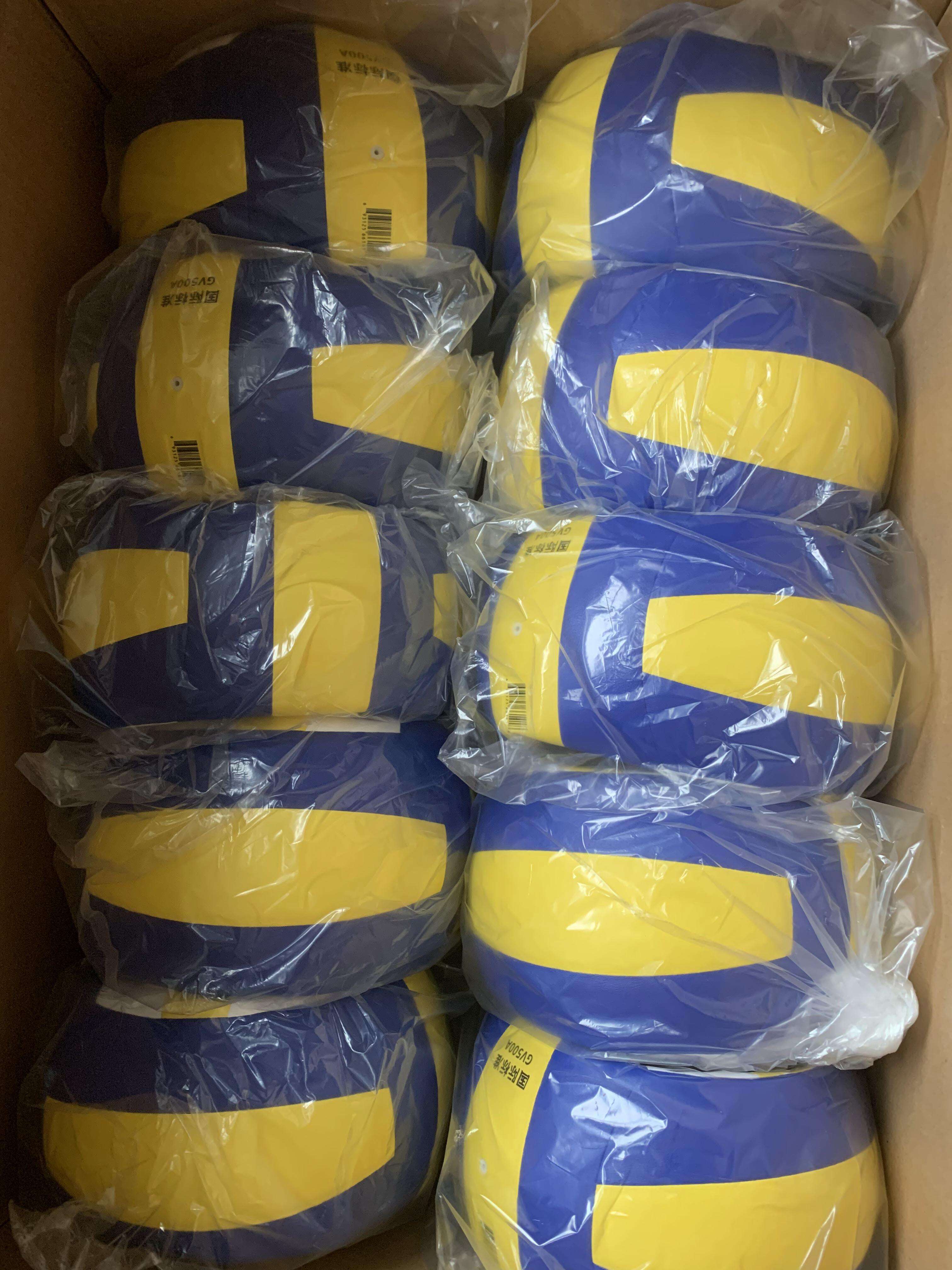
Bulk sourcing of a volleyball ball requires attention to minimum order quantities, production lead times, and quality assurance protocols. Most manufacturers set minimum orders that reflect their production economics, and understanding these thresholds helps buyers plan procurement cycles and inventory levels appropriately.

Lead time management is particularly important for organizations with seasonal demand peaks, such as school programs that ramp up at the start of an academic year or clubs preparing for tournament season. Ordering a volleyball ball supply well in advance of peak periods prevents the disruption and cost premium associated with urgent sourcing.

Quality assurance processes should include pre-shipment inspection clauses, clear defect rate tolerances, and defined procedures for handling non-conforming goods. A reputable manufacturer will welcome these discussions and provide documentation of their internal quality control practices, including pressure testing, seam integrity checks, and surface material verification.

Budget Planning and Long-Term Value

Balancing Upfront Cost Against Durability

Price is an inevitable consideration in any procurement decision, but evaluating a volleyball ball purely on unit cost often leads to poor long-term value outcomes. A lower-cost ball that degrades quickly after a few months of training use may cost more over a season than a premium option that remains in excellent condition for twice as long. Total cost of ownership over a defined usage period is a far more accurate financial measure than purchase price alone.

Durability is driven by construction quality, material selection, and manufacturing consistency. Buyers who invest in well-constructed volleyball ball products typically see fewer replacement cycles, lower waste, and better overall athlete satisfaction. These outcomes translate into tangible savings and operational simplicity for clubs, schools, and sports organizations managing large inventories.

Supplier Reliability and After-Sales Support

Beyond the physical attributes of the volleyball ball itself, supplier reliability is a strategic consideration. Consistent access to the same product specifications, stable pricing, and responsive communication reduces operational uncertainty and supports long-term planning. Organizations that depend on a specific ball model for competition or training benefit greatly from a supplier that can guarantee product continuity across order cycles.

After-sales support, including warranty handling, defect resolution, and reorder flexibility, is part of the value equation when sourcing a volleyball ball at scale. Evaluating a supplier's responsiveness and problem-resolution track record before committing to a large order is a prudent step that experienced procurement professionals routinely take.

FAQ

What is the difference between a thermo-bonded and a hand-stitched volleyball ball?

A thermo-bonded volleyball ball is constructed by fusing panels together using heat and pressure, resulting in smoother seams and more predictable aerodynamics. A hand-stitched ball uses thread to join panels, which can create slightly raised seam lines that affect flight consistency. Thermo-bonded construction is generally preferred at competitive levels due to its superior surface uniformity and durability.

How do I know which volleyball ball size is appropriate for my players?

Adult players competing under international rules should use a volleyball ball with a circumference between 65 and 67 centimeters and a weight between 260 and 280 grams. Youth players typically benefit from slightly smaller and lighter balls that accommodate their physical development. Always verify the recommended specifications with the governing body of the competition or program in question.

How often should a volleyball ball be replaced in a training environment?

The replacement frequency for a volleyball ball depends on usage intensity, construction quality, and storage conditions. In high-frequency training environments, a mid-range ball may need replacement after three to six months, while a premium-grade ball under similar conditions can last significantly longer. Regular pressure checks and surface inspections help identify when a ball is no longer performing to standard.

Can a volleyball ball be used for both indoor and outdoor play?

While some multi-purpose volleyball ball products are marketed for both indoor and outdoor use, dedicated indoor and outdoor balls are generally engineered for their specific environments. Using an indoor ball outdoors exposes it to moisture and abrasive surfaces that accelerate wear, while outdoor balls may feel too heavy or textured for indoor play. Matching the ball to its intended environment produces better performance and longer product life.