Cheap Footballs in Bulk: What Economy Grade Really Cuts
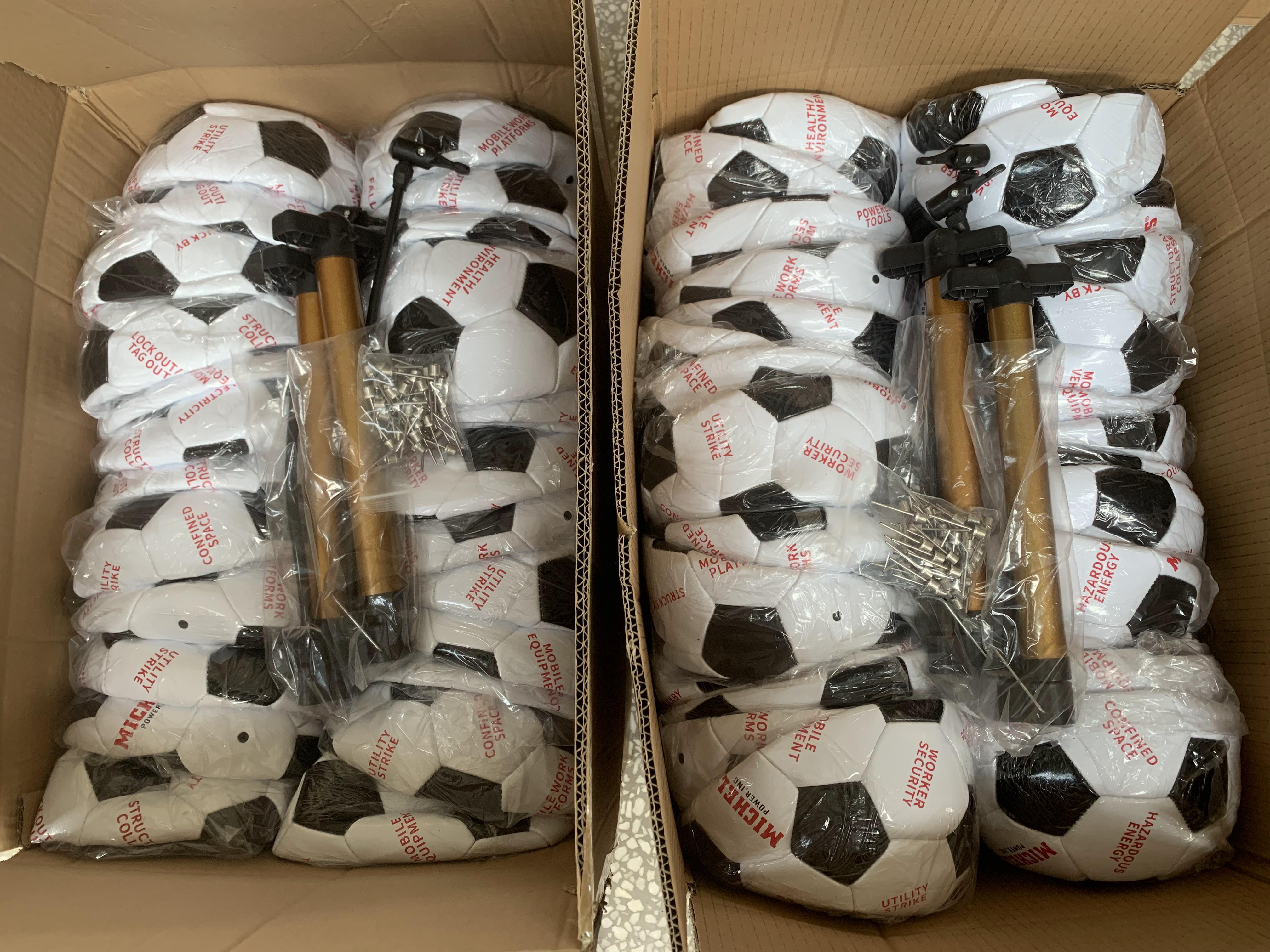
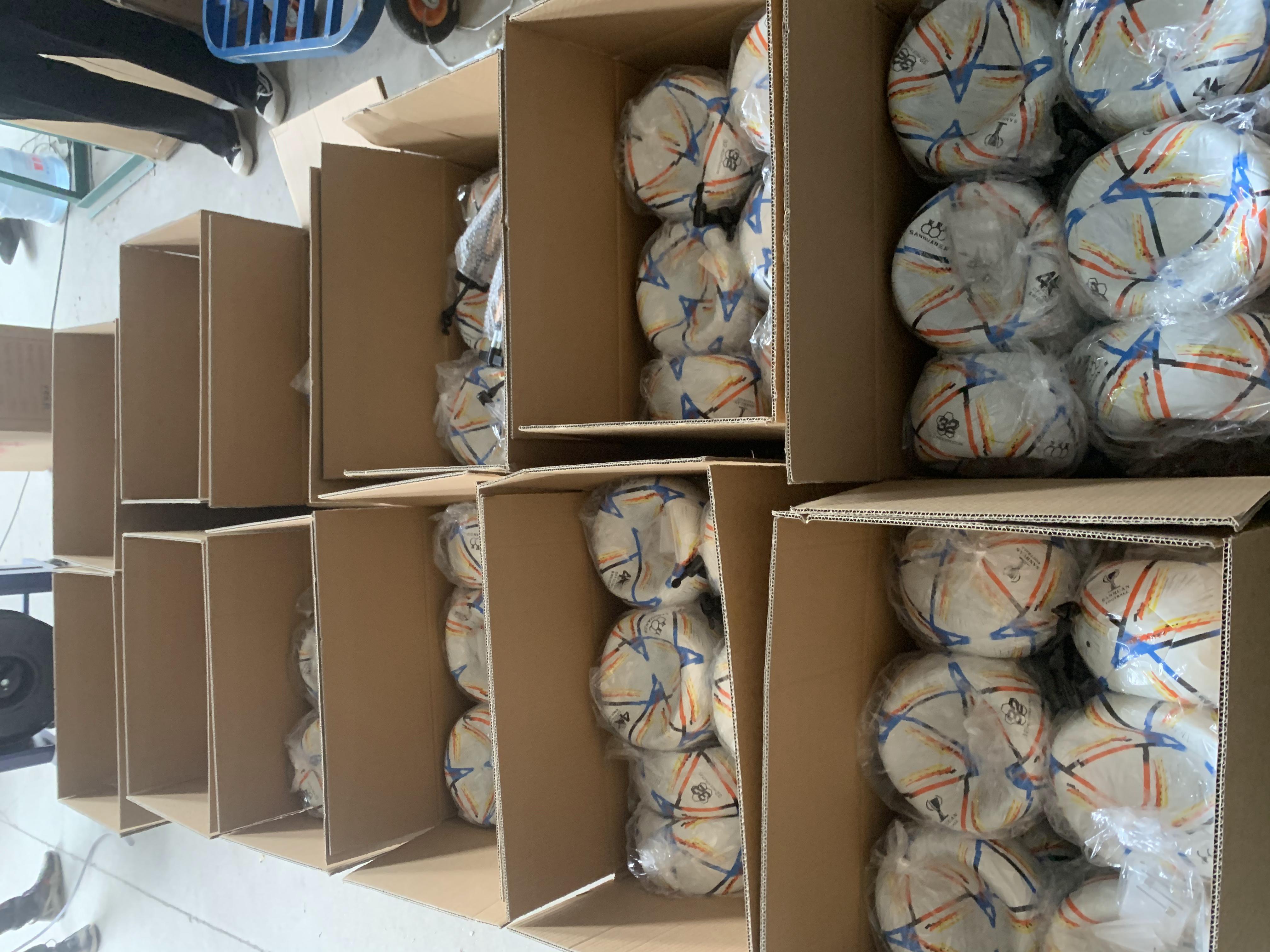
Cheap footballs in bulk from Sanhuan cut cost through materials and finish, not size or safety — economy balls still meet standard dimensions and playable bounce. When educational institutions, community programs, or sports leagues evaluate equipment acquisition options, the dramatic per-unit cost reduction achieved through volume purchasing immediately stands out as a budget-multiplying advantage. Bulk pricing structures typically offer discounts ranging from thirty to sixty percent compared to individual retail purchases, transforming limited equipment budgets into substantial inventory capabilities. This economic efficiency creates ripple effects throughout organizational operations, freeing financial resources for complementary investments in coaching development, facility maintenance, transportation logistics, or participant scholarships. Schools operating under strict budgetary constraints find that cheap footballs in bulk enable comprehensive physical education programs that would otherwise remain financially unattainable, ensuring every student receives adequate equipment access rather than limiting participation due to scarcity. Youth sports organizations extend membership affordability by reducing per-participant equipment costs, removing financial barriers that disproportionately affect families from lower socioeconomic backgrounds. The predictable pricing associated with bulk orders facilitates accurate budget forecasting, allowing administrators to plan multi-year equipment replacement cycles with confidence rather than facing unpredictable cost fluctuations. Charitable organizations maximize donation impact by converting monetary contributions into larger equipment quantities, delivering more footballs per contributed dollar to recipient communities. Corporate social responsibility programs leverage bulk pricing to amplify their community investment footprint, sponsoring multiple teams or facilities with budgets that might cover only single-team needs at retail pricing. The administrative efficiency gained through consolidated purchasing reduces procurement overhead costs, with single bulk transactions eliminating repetitive ordering processes, shipping fees, and payment processing charges that accumulate across multiple small purchases. Organizations discover that inventory abundance created through affordable bulk purchasing fundamentally changes program dynamics, shifting from equipment scarcity management toward opportunity maximization where sufficient resources enable creative program expansion rather than constant resource rationing.

 EN