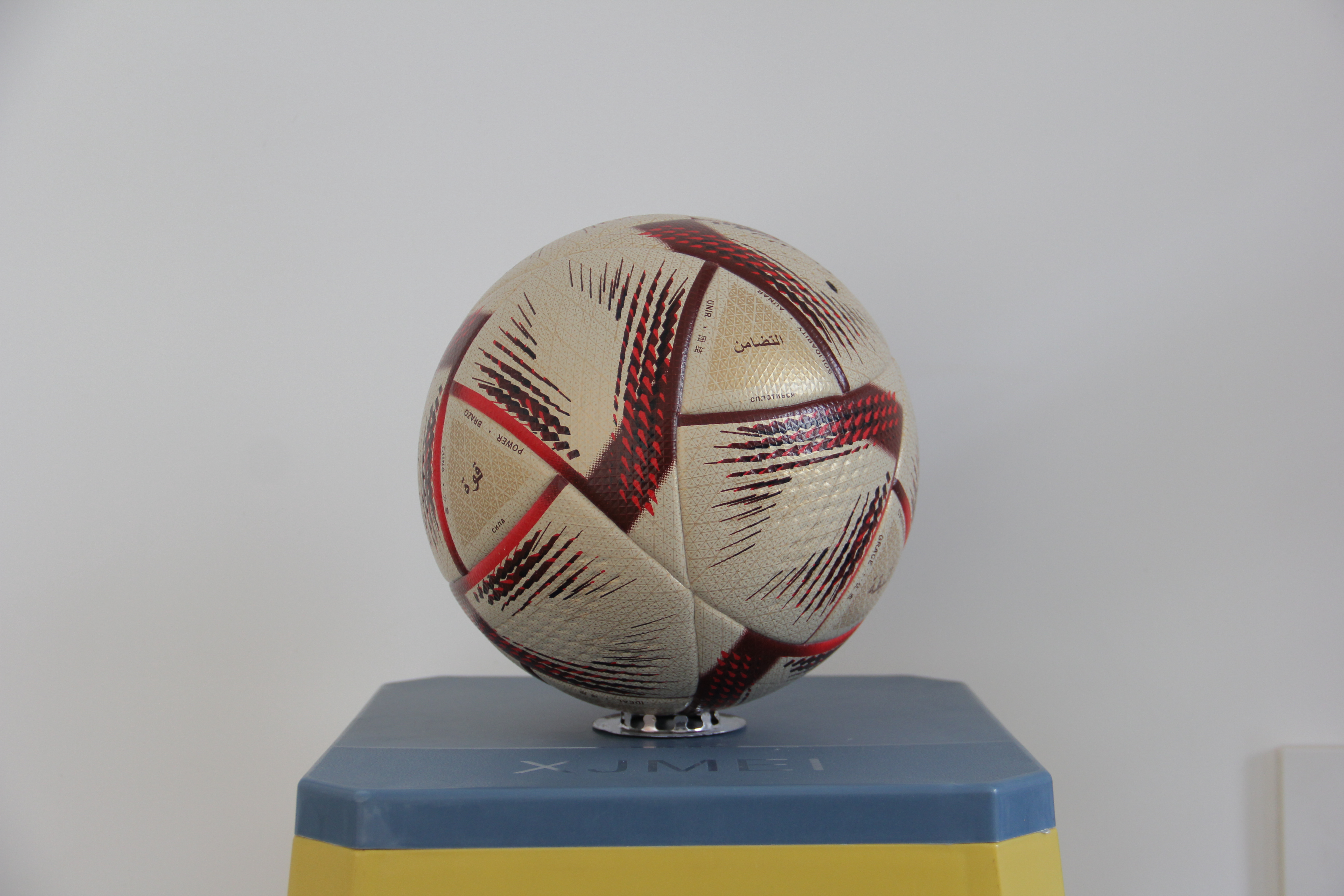
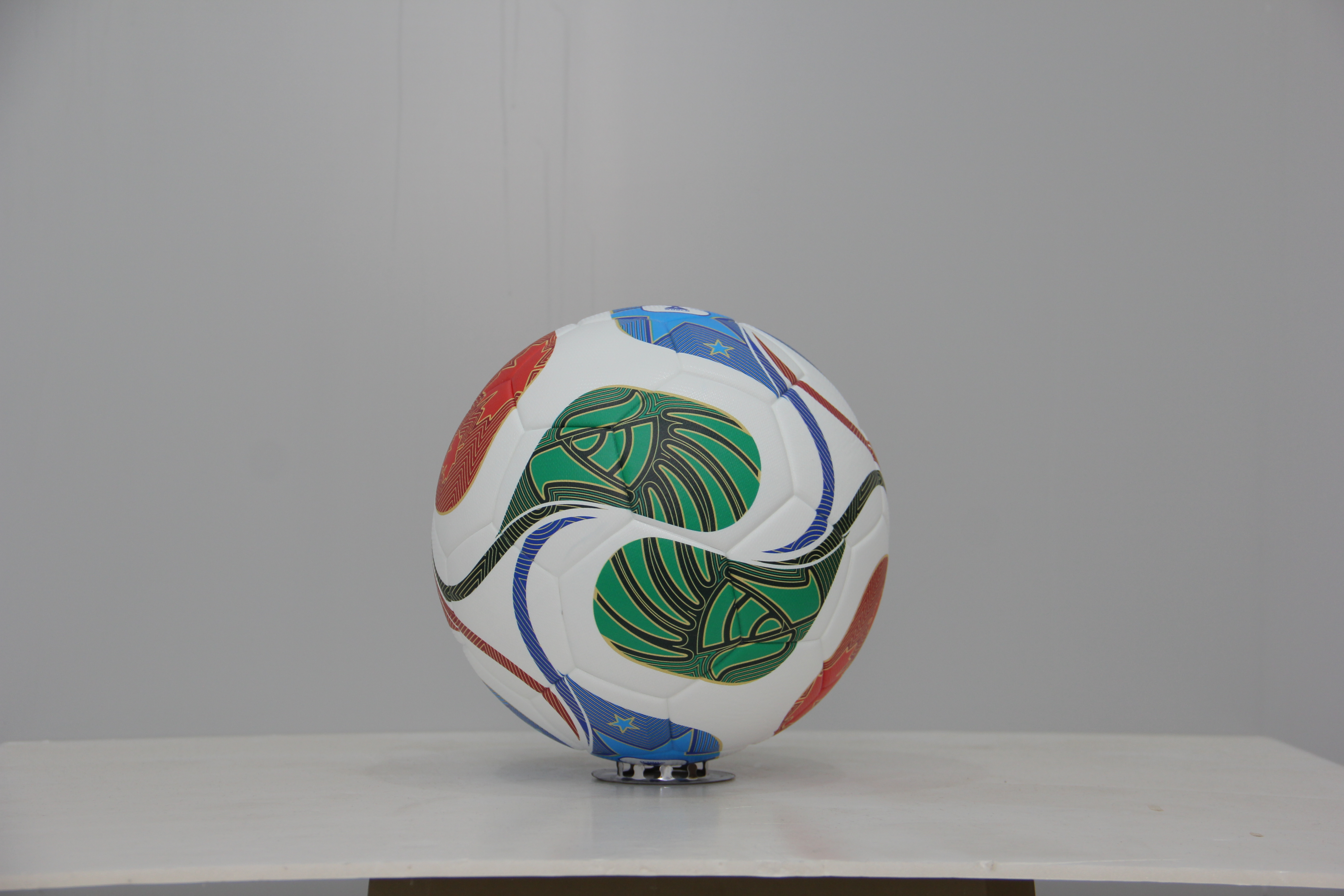
Versatile Application Across Diverse Training Environments and Methodologies
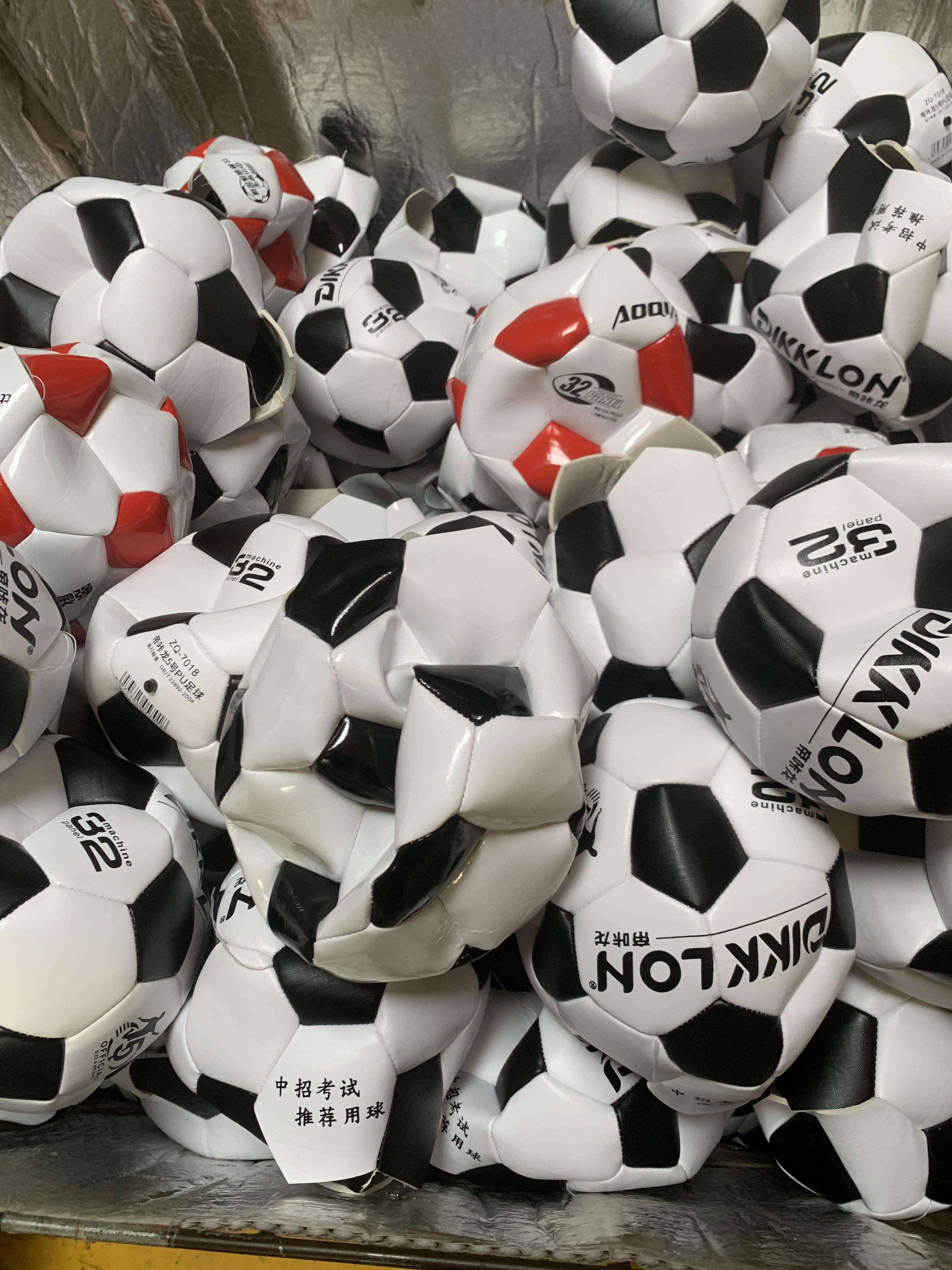
The training football ball demonstrates remarkable adaptability across the full spectrum of development contexts, from individual skill work to complex team tactical exercises, making it an indispensable resource for comprehensive player development programs. Surface versatility represents a defining characteristic, with the training football ball engineered to perform consistently across natural grass pitches, synthetic turf installations, indoor sports halls, and even concrete or asphalt surfaces used in urban training environments where traditional facilities may be unavailable. This adaptability extends training opportunities beyond conventional settings, enabling skill development in community spaces, schoolyards, and recreational areas that expand access to quality practice equipment for players who might otherwise face participation barriers. The training football ball supports goalkeeper-specific exercises including reaction drills, shot-stopping practice, distribution technique work, and aerial command development, with durability specifications accommodating the repetitive high-impact nature of specialized goalkeeping training. Small-sided game formats that have become central to modern player development methodologies rely heavily on training football balls that maintain performance characteristics despite intense, continuous action in confined spaces generating higher ball contact frequency than traditional full-field exercises. Technical skills coaches utilize the training football ball for specialized drills targeting specific competencies including first touch refinement, passing accuracy development, shooting technique optimization, heading practice, and ball manipulation skills that form the foundation of player capability. Fitness conditioning programs incorporate the training football ball into exercises that simultaneously develop physical capacities and technical skills, creating efficient training sessions that maximize developmental outcomes within limited time allocations. Youth development pathways depend on age-appropriate training football ball specifications that scale equipment to match physical capabilities and developmental stages, ensuring young players build proper technique foundations without struggling against inappropriate equipment that might ingrain compensatory movement patterns. The training football ball facilitates individual practice routines that players can execute independently, fostering self-directed improvement through activities like wall passing sequences, juggling challenges, shooting accuracy targets, and dribbling courses that maintain engagement between formal team sessions. Recreational players appreciate how the training football ball enables casual kickabouts, pickup games, and informal practice that keeps them connected to the sport while developing skills in low-pressure environments. The training football ball thus functions as a universal development tool that transcends specific contexts, supporting structured coaching programs, independent practice initiatives, recreational participation, and specialized training applications across the complete continuum of football engagement levels and environmental settings.

 EN
EN