Comprehensive Quality Control and International Certification Standards
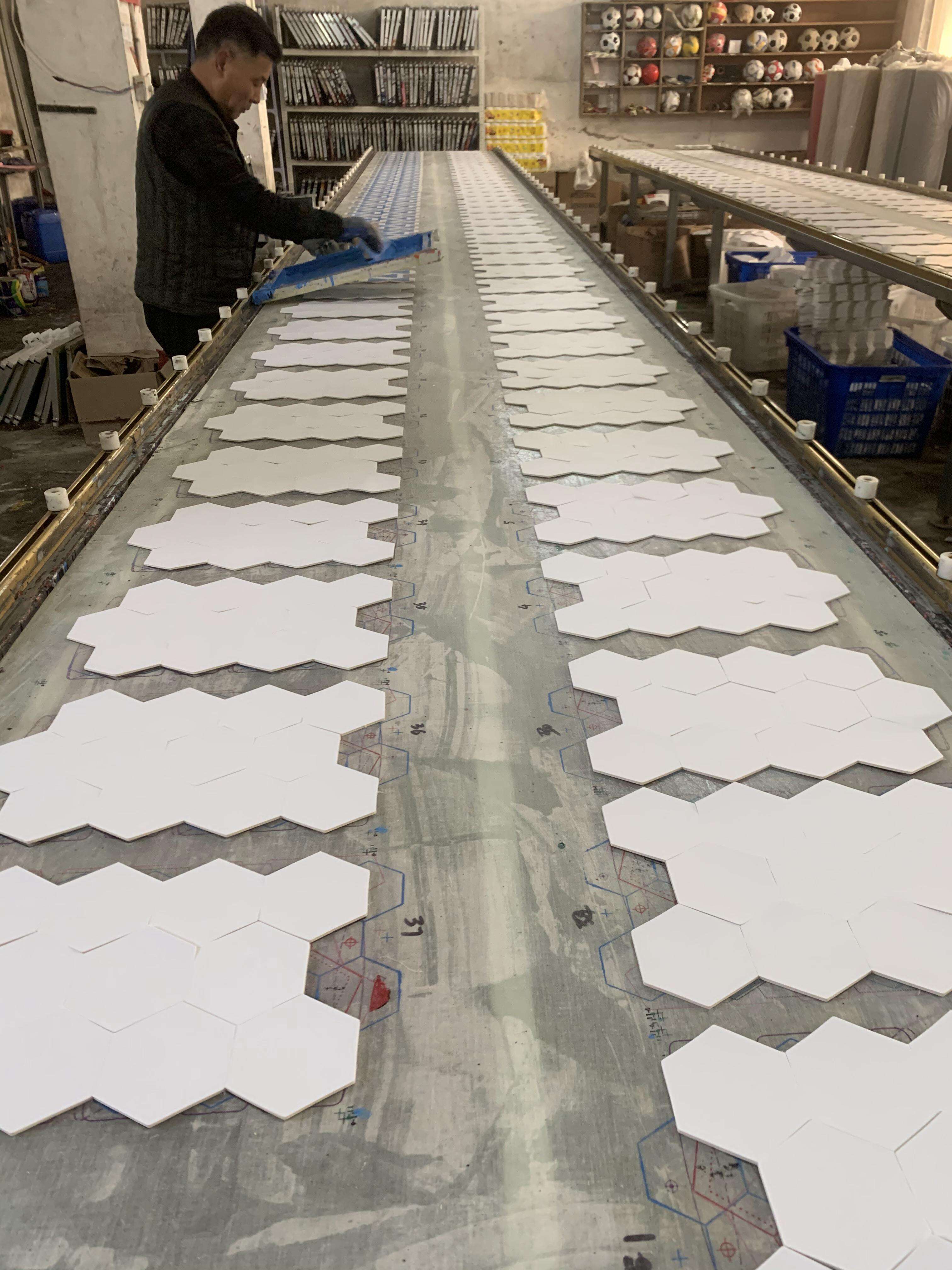
Quality assurance represents the cornerstone of reputable china futsal ball factory operations, with comprehensive testing protocols that verify every product meets or exceeds international performance standards before reaching customers. These facilities establish dedicated quality control departments staffed by trained inspectors who understand FIFA specifications, ISO manufacturing standards, and customer-specific requirements that govern acceptance criteria. The quality journey begins with incoming material inspection, where technicians evaluate synthetic leather for uniform thickness, consistent grain patterns, appropriate tensile strength, and color accuracy against approved samples, rejecting any batches that fail to meet predetermined thresholds. Component testing extends to rubber bladders, examining wall thickness uniformity, valve integrity, air retention capabilities over extended periods, and elasticity characteristics that affect bounce performance. Thread strength testing ensures that stitching materials can withstand the repeated impact stresses that futsal balls endure during competitive play without breaking or loosening. In-process quality checks occur at multiple production stages, with inspectors examining panel cutting accuracy, stitching tension consistency, adhesive application uniformity, and assembly precision before balls advance to subsequent operations. Finished product testing represents the most rigorous evaluation phase, where each production batch undergoes comprehensive assessment including circumference measurement at multiple points, weight verification on calibrated scales, sphericity evaluation using specialized gauges, rebound height testing on standardized surfaces, and water absorption analysis following controlled moisture exposure. Pressure retention tests measure air loss over seventy-two-hour periods, ensuring that bladders and valves maintain inflation during storage and use. Many china futsal ball factory facilities pursue international certifications such as ISO 9001 for quality management systems, demonstrating commitment to consistent processes and continuous improvement philosophies. Third-party testing laboratories often verify compliance with safety regulations, environmental standards, and performance specifications required by major sporting goods retailers and tournament organizers. Documentation systems track test results, maintain calibration records for measuring equipment, and provide certificates of compliance that accompany shipments, giving customers confidence in product quality and facilitating customs clearance in destination markets. This unwavering dedication to quality control throughout a china futsal ball factory operation protects brand reputations, reduces return rates, and builds long-term customer relationships based on reliable performance delivery.

 EN
EN