Plain Rugby Ball - Durable Training Equipment for All Skill Levels | Quality Rugby Balls

Get a Free Quote

Our representative will contact you soon.
Email
Name
Company Name
Message
0/1000

plain rugby ball

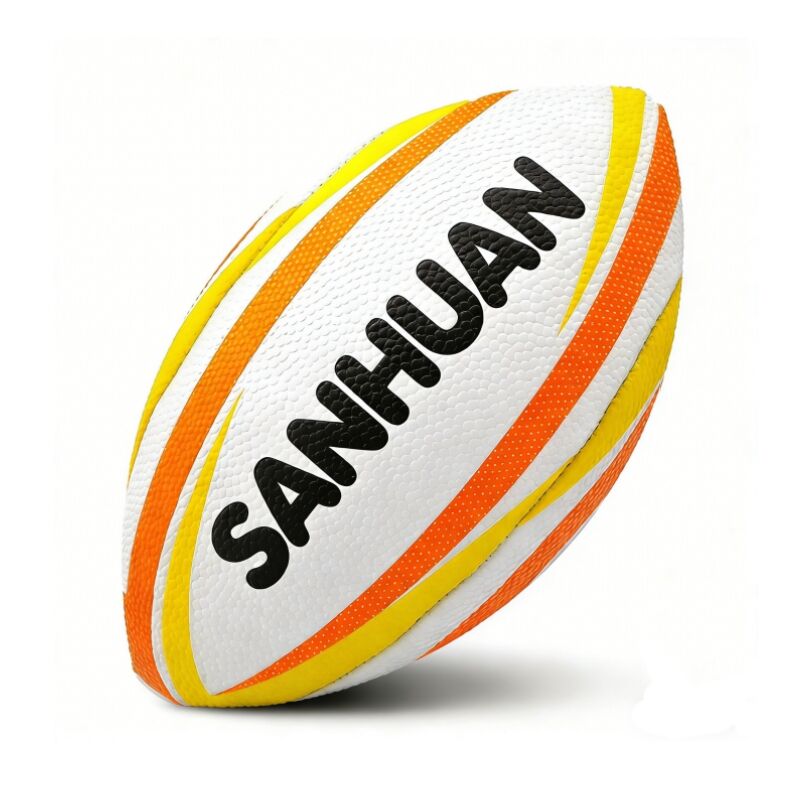
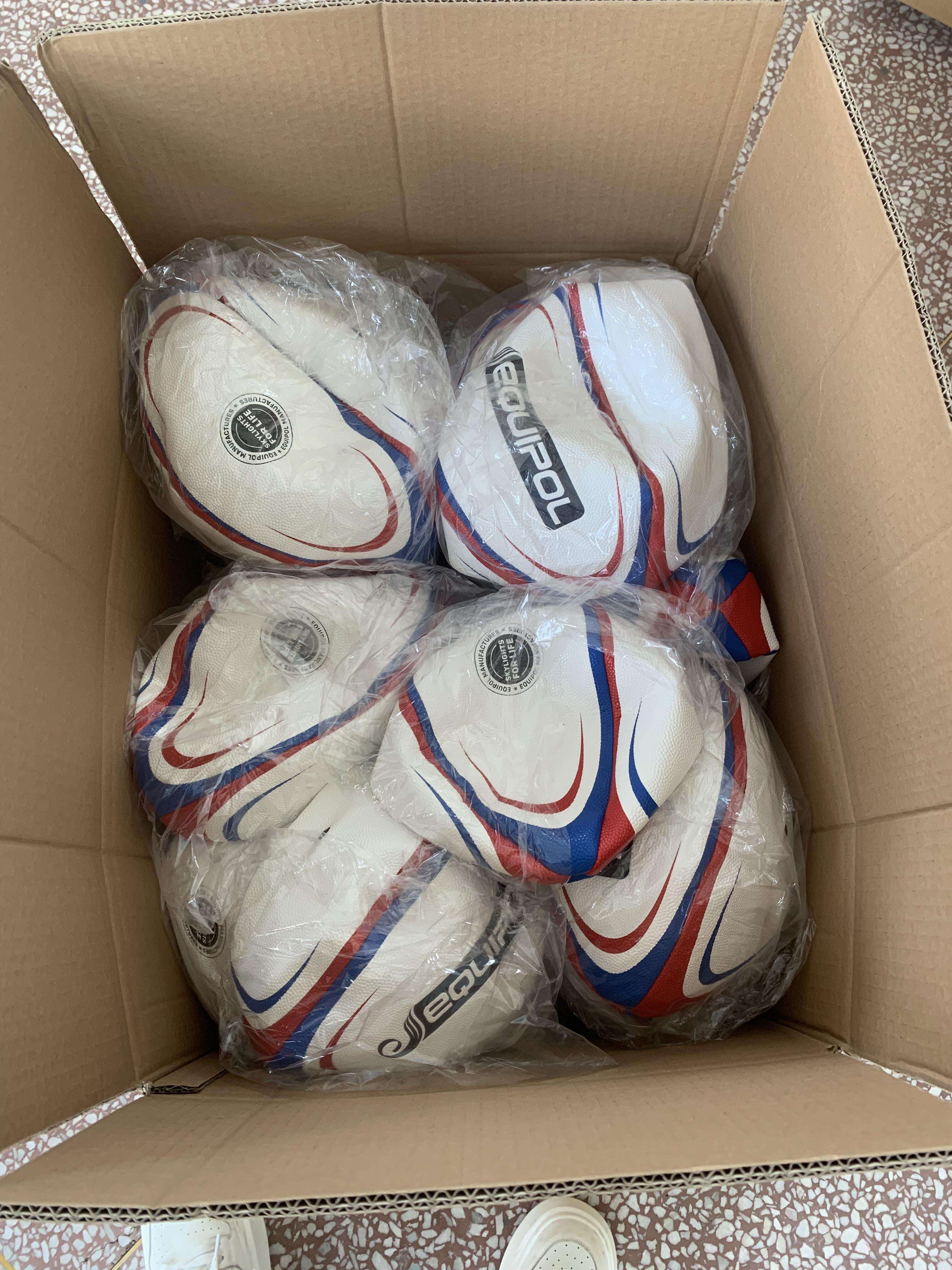
The plain rugby ball represents a fundamental piece of sporting equipment that has maintained its essential design while incorporating modern manufacturing standards to meet the demands of players at all skill levels. This oval-shaped ball serves as the centerpiece of rugby union, rugby league, and various other football codes played across the globe. A plain rugby ball typically features a simple, unadorned surface without elaborate graphics or team logos, making it an ideal choice for training sessions, casual games, and introductory rugby programs. The construction of a plain rugby ball follows traditional specifications with a length of approximately 280-300 millimeters and a circumference ranging from 740-770 millimeters around its widest point, ensuring consistency with official playing standards. The outer casing is usually made from synthetic rubber or high-quality synthetic leather, providing durability and weather resistance for outdoor play in various conditions. Inside, a plain rugby ball contains a latex or butyl bladder that maintains air pressure and shape integrity throughout extended use. The surface texture includes raised pimples or grip panels that enhance handling characteristics, allowing players to catch, pass, and kick with greater control and accuracy. The plain rugby ball functions as a versatile training tool for developing fundamental skills such as passing accuracy, catching technique, kicking precision, and ball-handling confidence. Its straightforward design makes it suitable for schools, community clubs, recreational leagues, and backyard practice sessions where performance matters more than appearance. The plain rugby ball offers an economical option for organizations purchasing equipment in bulk quantities while still delivering the essential playing characteristics required for proper skill development. Whether used by beginners learning the basics or experienced players refining their techniques, the plain rugby ball provides reliable performance without unnecessary embellishments that increase cost without adding functional value to the playing experience.

Popular Products

Choosing a plain rugby ball delivers numerous practical benefits that make it an excellent investment for players, coaches, and sports programs seeking quality equipment without excessive expense. The most immediate advantage is affordability, as plain rugby balls typically cost significantly less than branded or customized alternatives while maintaining comparable construction quality and performance standards. This cost-effectiveness allows schools and clubs to purchase multiple plain rugby balls for training sessions, ensuring every participant has adequate access to equipment without straining limited budgets. The absence of printed graphics and complex color schemes means the plain rugby ball focuses resources on structural integrity rather than decorative elements, resulting in better value for money spent on actual playing characteristics. Durability represents another key advantage, as the plain rugby ball is engineered to withstand repeated impacts, rough handling, and exposure to various weather conditions including rain, mud, and direct sunlight. The synthetic materials used in construction resist cracking, peeling, and deterioration better than lower-quality alternatives, extending the usable lifespan and reducing replacement frequency. This longevity translates to lower total ownership costs over time, making the plain rugby ball an economically sound choice for sustained use. The versatility of a plain rugby ball makes it suitable for multiple purposes and environments, from formal training drills to informal pickup games in parks or beaches. Its neutral appearance allows players to focus on skill development without distraction, while coaches appreciate the uniformity when working with groups using identical equipment. The plain rugby ball performs consistently across different playing conditions, maintaining its shape, grip, and flight characteristics whether used on wet grass, dry turf, or artificial surfaces. Maintenance requirements are minimal, as the plain rugby ball needs only occasional cleaning with mild soap and water to remove dirt and debris, plus periodic inflation checks to maintain proper pressure. The standardized dimensions and weight ensure the plain rugby ball complies with official regulations, allowing players to develop techniques that transfer directly to competitive match situations. Grip performance remains excellent thanks to textured surfaces that provide secure handling even when conditions become slippery. The plain rugby ball also offers psychological benefits, as its unpretentious appearance emphasizes participation and skill over brand consciousness, creating an inclusive environment where all players feel equally equipped regardless of economic background or team affiliation.

Practical Tips

What is futsal and how does it differ from soccer?

25

May

What is futsal and how does it differ from soccer?

For many sports enthusiasts, the sight of a smaller, heavier ball moving rapidly across a hard-court surface is a familiar one, yet the nuances of the game often remain a mystery to casual observers. Futsal is a fast-paced, small-sided version of fo...
View More
Which factors determine rugby ball durability for training?

18

May

Which factors determine rugby ball durability for training?

When selecting equipment for intensive training programs, understanding which factors determine rugby ball durability becomes essential for coaches, club managers, and training coordinators who need to balance performance quality with long-term inves...
View More
Why does rugby ball grip matter for handling performance?

11

May

Why does rugby ball grip matter for handling performance?

The grip quality of a rugby ball fundamentally determines whether players can execute clean catches, accurate passes, and secure carries under match pressure. Unlike sports equipment where surface texture serves primarily aesthetic purposes, the grip...
View More
How does rugby ball size vary across different game levels?

04

May

How does rugby ball size vary across different game levels?

Understanding how rugby ball size varies across different game levels is essential for players, coaches, and equipment managers who want to ensure optimal performance and safety. The dimensions and weight of a rugby ball are not arbitrary—they ...
View More

Get a Free Quote

Our representative will contact you soon.
Email
Name
Company Name
Message
0/1000

plain rugby ball

Superior Construction Quality for Extended Performance

Superior Construction Quality for Extended Performance

The plain rugby ball demonstrates exceptional construction quality that directly impacts its performance characteristics and longevity in regular use. Manufacturers employ advanced production techniques to ensure each plain rugby ball meets strict dimensional tolerances and quality standards, beginning with the selection of premium synthetic materials for the outer casing. The most common material is high-grade synthetic rubber or polyurethane-coated synthetic leather, chosen for its optimal balance of durability, grip, and weather resistance. These materials undergo rigorous testing to verify they can withstand the intense physical demands of rugby play, including repeated impacts from kicks, throws against hard surfaces, and abrasive contact with various ground conditions. The outer panels of a plain rugby ball are precision-cut to exact specifications and then joined using either stitched or laminated construction methods, with high-quality stitching featuring reinforced seams that prevent separation even under maximum stress. The stitching pattern typically follows traditional hand-stitched techniques adapted for modern manufacturing, creating strong bonds between panels that maintain structural integrity throughout the ball's lifespan. Inside the outer casing, the plain rugby ball contains a carefully selected bladder made from either natural latex or synthetic butyl rubber, each offering distinct performance characteristics. Latex bladders provide superior responsiveness and a softer feel that many players prefer, though they require more frequent inflation maintenance. Butyl bladders offer excellent air retention, maintaining consistent pressure over extended periods and reducing the need for frequent pumping. The valve system integrated into the bladder allows for easy inflation while preventing air leakage during play, featuring a robust mechanism that withstands repeated insertions of inflation needles without degrading. The surface texture of a plain rugby ball incorporates strategically placed grip elements, typically consisting of small raised pimples or textured panels arranged in patterns that enhance handling security. These grip features are engineered to provide optimal friction between hand and ball, improving catch reliability and pass accuracy while maintaining consistent performance in both dry and wet conditions. The shape consistency of a plain rugby ball results from precise molding processes that create the distinctive oval profile with exact proportions, ensuring predictable bounce patterns and flight characteristics that players can reliably anticipate. Quality control measures throughout manufacturing verify that each plain rugby ball meets weight specifications, typically ranging from 410 to 460 grams depending on age group and competition level, with careful balancing to ensure symmetrical performance regardless of orientation. This attention to construction detail means the plain rugby ball delivers professional-grade performance at an accessible price point, making quality equipment available to broader audiences.
Optimal Grip Technology for All Weather Conditions

Optimal Grip Technology for All Weather Conditions

The grip performance of a plain rugby ball stands as one of its most critical functional attributes, directly influencing a player's ability to control the ball during catches, passes, and carries in diverse weather and playing conditions. The surface engineering of a plain rugby ball incorporates specialized texture patterns designed to maximize friction between the ball and human skin, creating reliable handling characteristics that build player confidence and enable skill progression. The grip technology begins with the base material composition, as synthetic rubber and textured synthetic leather naturally provide higher friction coefficients than smooth surfaces, offering inherent tackiness that improves hand purchase. Manufacturers enhance this natural grip by molding or embossing raised elements across the ball's surface, typically in the form of small pimples, dimples, or geometric patterns that increase the total surface area in contact with hands and fingers. These raised features create micro-level contact points that engage with the ridges and valleys of human skin, establishing mechanical interlocking that supplements the chemical friction between materials. The pattern density and distribution are carefully calculated to provide optimal grip without creating discomfort or causing excessive skin abrasion during prolonged handling. The plain rugby ball maintains its grip characteristics across temperature ranges, as the synthetic materials resist hardening in cold conditions or becoming excessively sticky in heat, ensuring consistent performance throughout seasonal variations. When conditions become wet, the grip technology of a plain rugby ball proves especially valuable, as the raised surface patterns channel water away from contact areas, maintaining friction even when the ball is saturated. The hydrophobic properties of quality synthetic materials cause water to bead and run off rather than creating a slippery film, while the textured elements break through surface moisture to establish direct contact with skin. This wet-weather performance allows training and matches to continue in rain without significant degradation in handling security, maintaining player safety and skill execution. The grip design accommodates different hand sizes and grip styles, from the small hands of youth players to the large hands of adult athletes, with texture patterns scaled appropriately to body proportions for different ball sizes. Players using various techniques, including one-handed catches, two-handed cradles, spin passes, and torpedo kicks, all benefit from the consistent friction provided by the plain rugby ball's surface engineering. The durability of grip features represents another important consideration, as the raised textures must withstand thousands of contacts without wearing smooth or losing effectiveness. Quality plain rugby balls use materials and construction methods that ensure grip elements remain prominent and functional throughout the ball's service life, avoiding the performance degradation that occurs with inferior products. Regular cleaning maintains grip effectiveness by removing accumulated dirt, oils, and debris that can fill texture valleys and reduce friction, with simple washing sufficient to restore optimal handling characteristics.
Versatile Application Across Multiple Rugby Disciplines

Versatile Application Across Multiple Rugby Disciplines

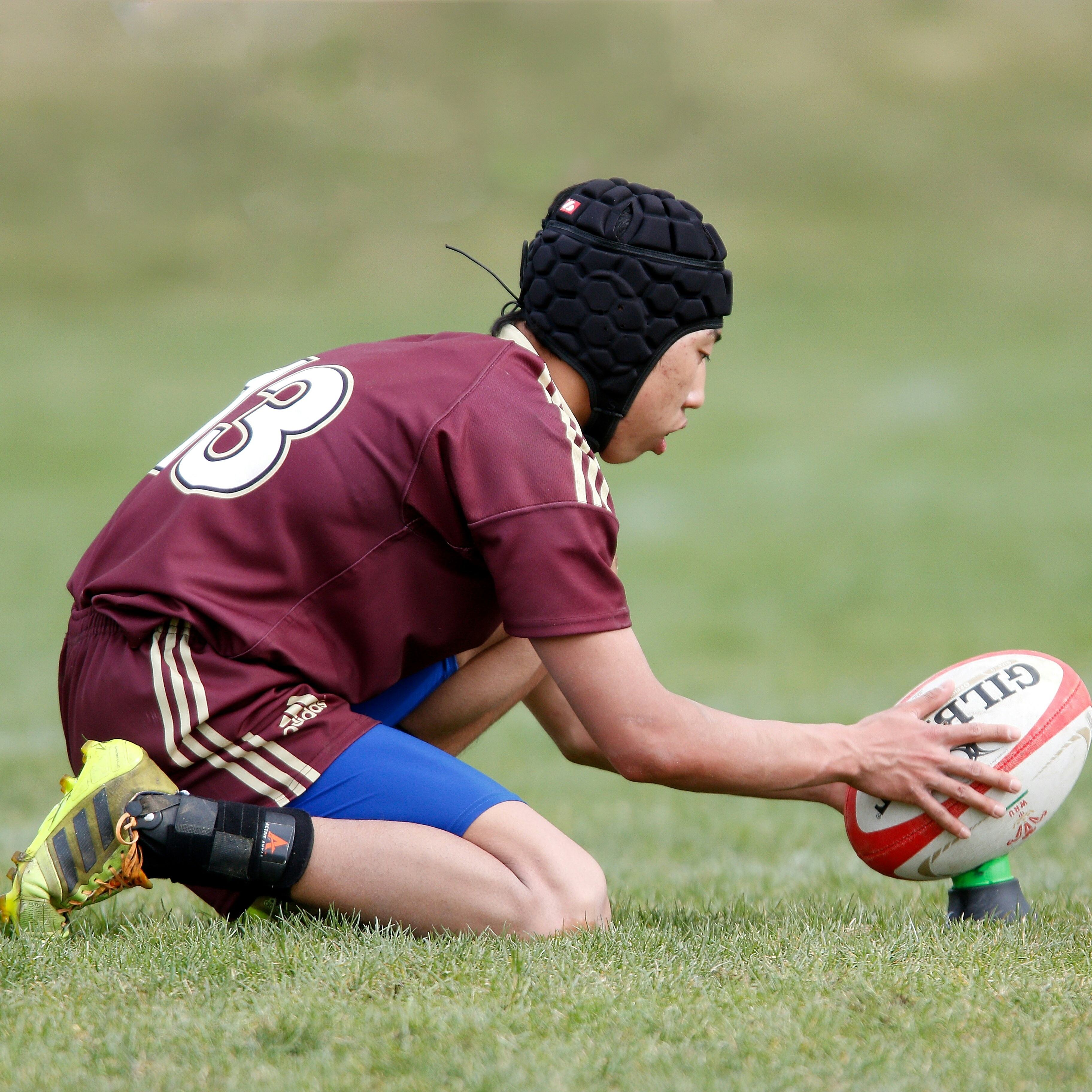
The plain rugby ball serves as remarkably versatile equipment suitable for numerous rugby variations and training applications, making it an invaluable asset for diverse sporting contexts and player development programs. This adaptability begins with dimensional compliance, as the plain rugby ball adheres to standardized size specifications that align with official regulations for rugby union, rugby league, and related football codes. Size 5 plain rugby balls meet the requirements for adult competition and advanced training, providing the regulation dimensions and weight that players will encounter in formal matches. Size 4 plain rugby balls cater to youth players and junior competitions, offering appropriately scaled proportions that allow developing athletes to learn proper techniques with equipment suited to their physical capabilities. Size 3 plain rugby balls serve the youngest participants and introductory programs, ensuring even small children can successfully handle, pass, and kick the ball while building foundational skills. This size range versatility means a single plain rugby ball product line can equip entire organizations from mini rugby through senior grades, simplifying procurement and inventory management. The plain rugby ball excels in training environments where coaches conduct drills focusing on specific skill components such as passing accuracy, catching under pressure, kicking technique, and offensive play development. Its neutral appearance eliminates distractions during instruction, allowing players to concentrate fully on technique and execution rather than visual stimulation. The consistent performance characteristics of plain rugby balls ensure that skills developed during training translate directly to match situations, as players experience identical grip, weight, and flight patterns regardless of context. For school physical education programs, the plain rugby ball provides an economical solution that introduces students to rugby fundamentals without requiring significant budget allocations. Teachers can incorporate rugby activities into curriculum units exploring invasion games, team sports, and physical literacy development, using plain rugby balls that deliver authentic playing experiences. Community recreation programs similarly benefit from plain rugby balls when organizing casual leagues, social competitions, and inclusive participation opportunities where the emphasis rests on enjoyment and exercise rather than elite performance. The plain rugby ball also serves beach rugby and modified game formats where traditional match balls might be considered unnecessary for informal play. Its durability withstands the abrasive effects of sand and saltwater exposure better than premium match balls, making it appropriate for coastal environments. Touch rugby and tag rugby variants use plain rugby balls extensively, as these non-contact versions emphasize ball movement and spatial awareness over physical confrontation, with equipment needs focused on functionality rather than branding. Private practice sessions benefit from plain rugby balls, as individual players can develop skills independently without concern about damaging expensive branded equipment. Backyard drills, park training, and solo practice routines become more accessible when affordable plain rugby balls are available for personal ownership. Coaching education programs and referee training courses utilize plain rugby balls for demonstrations and practical exercises, providing participants with standard equipment for learning technical aspects of rugby administration and game management.


Get a Free Quote

Our representative will contact you soon.
Email
Name
Company Name
Message
0/1000