Choosing Size 4 Training Balls: What to Check
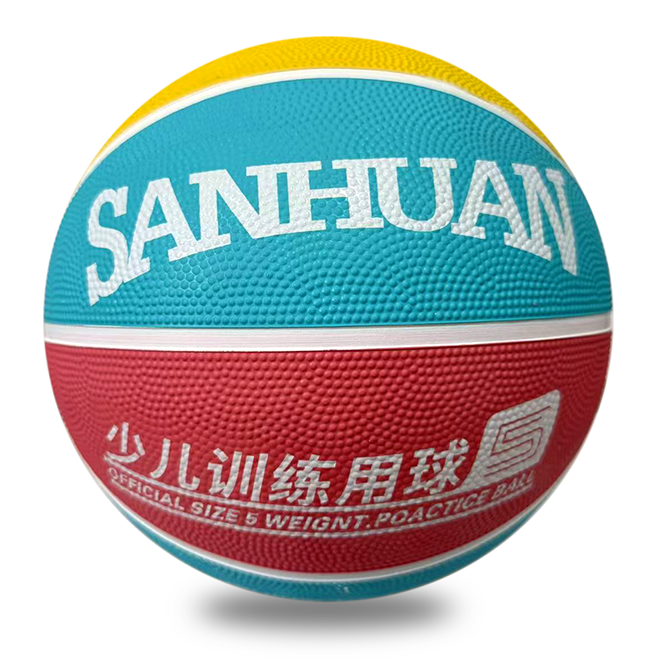
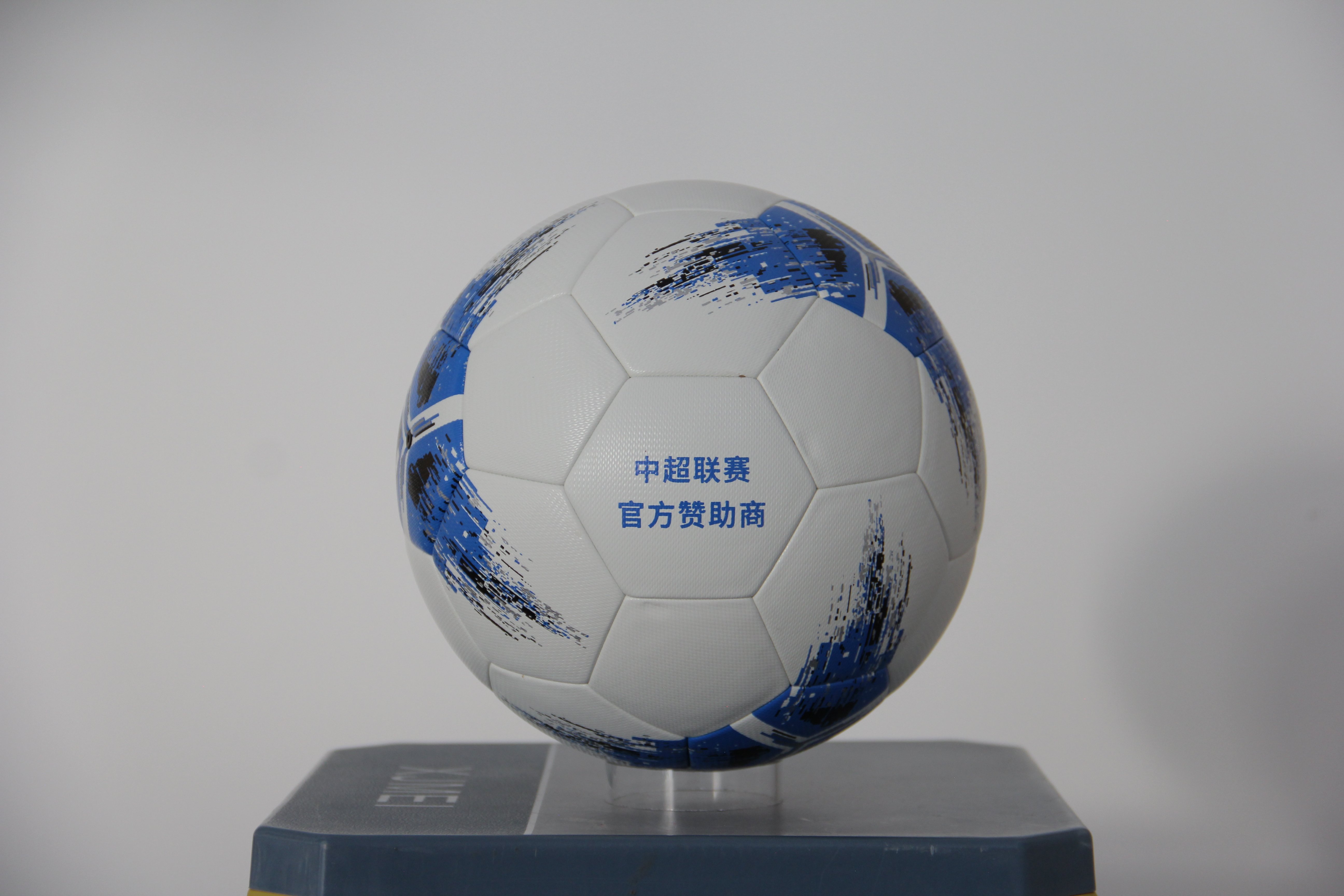
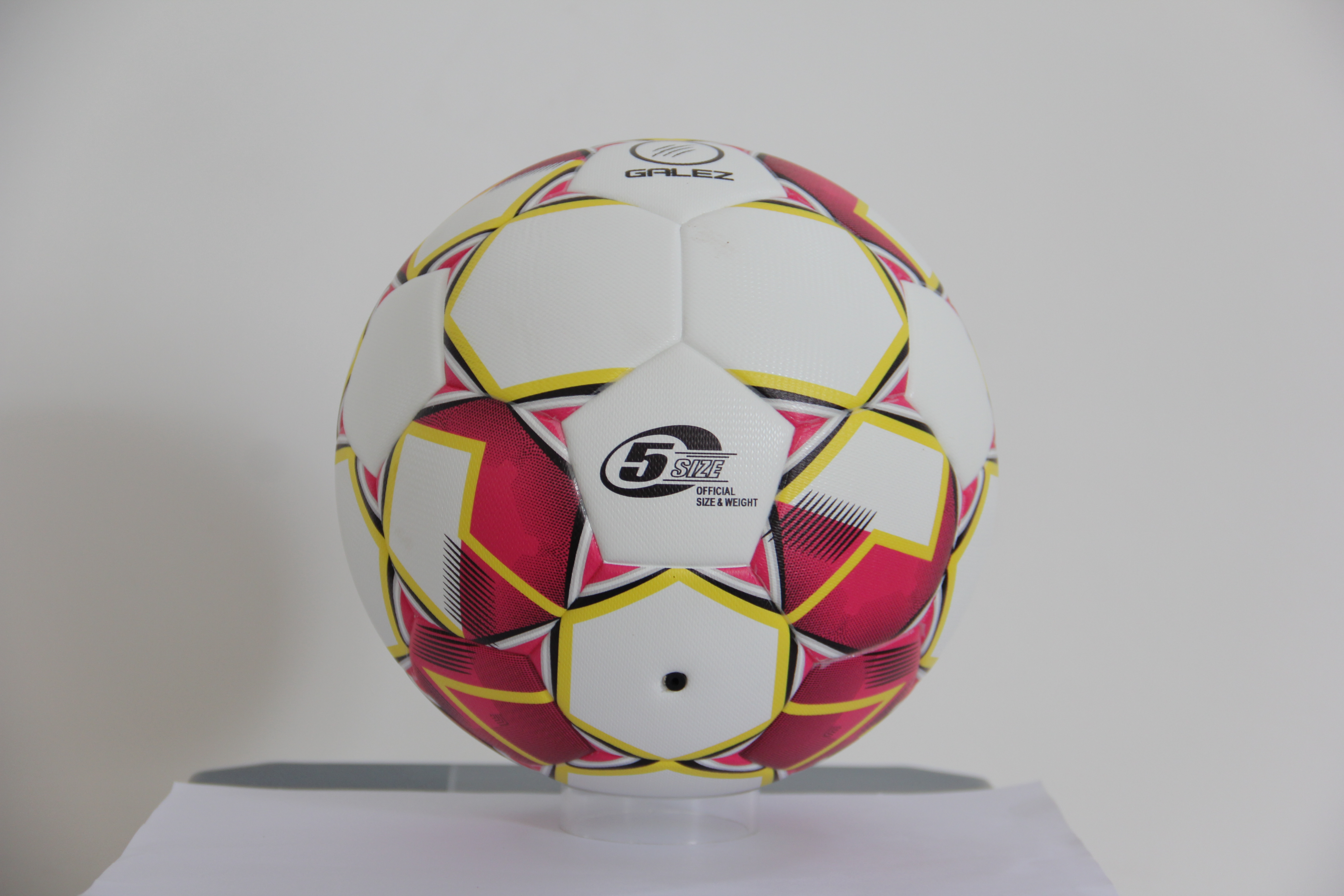
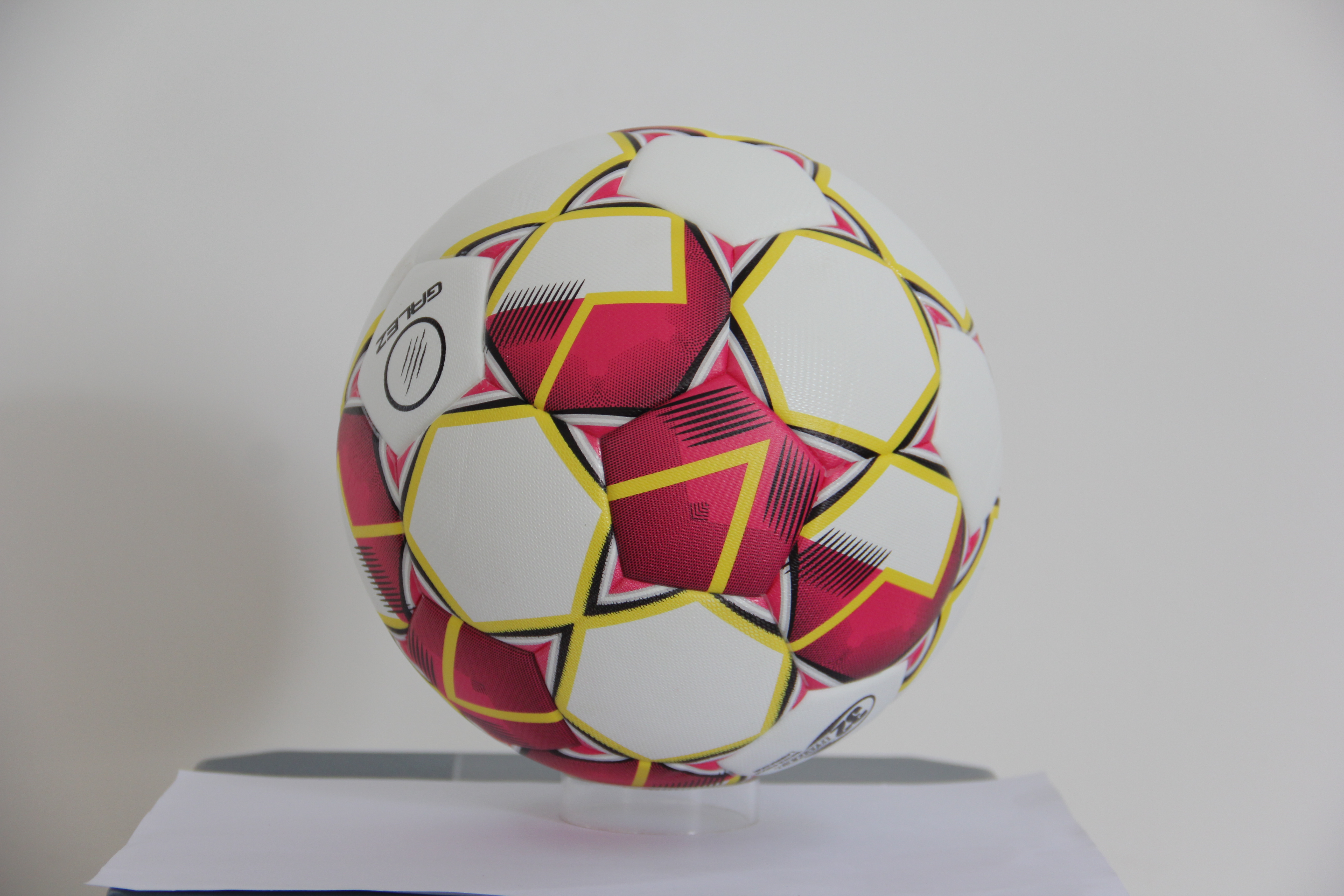
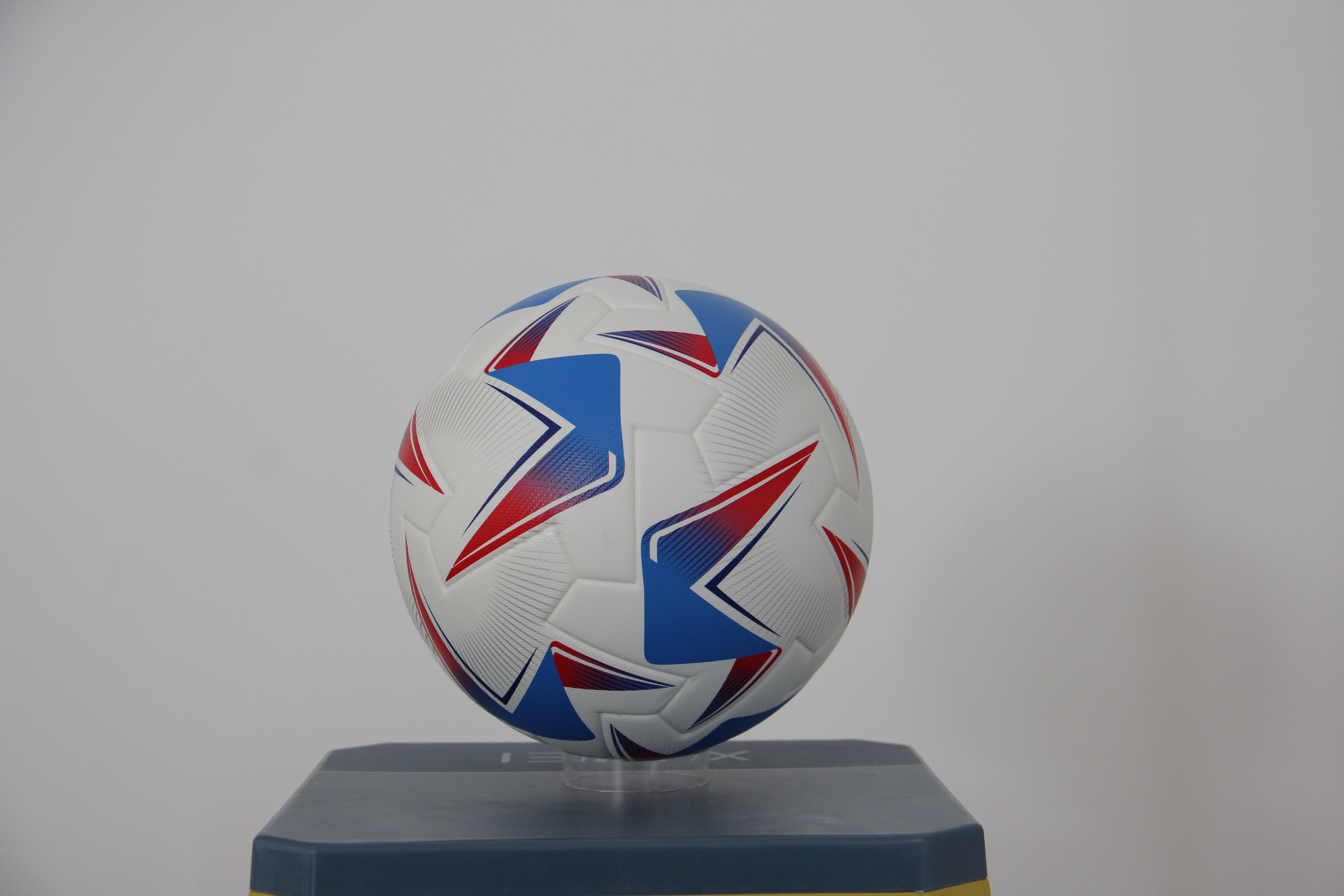
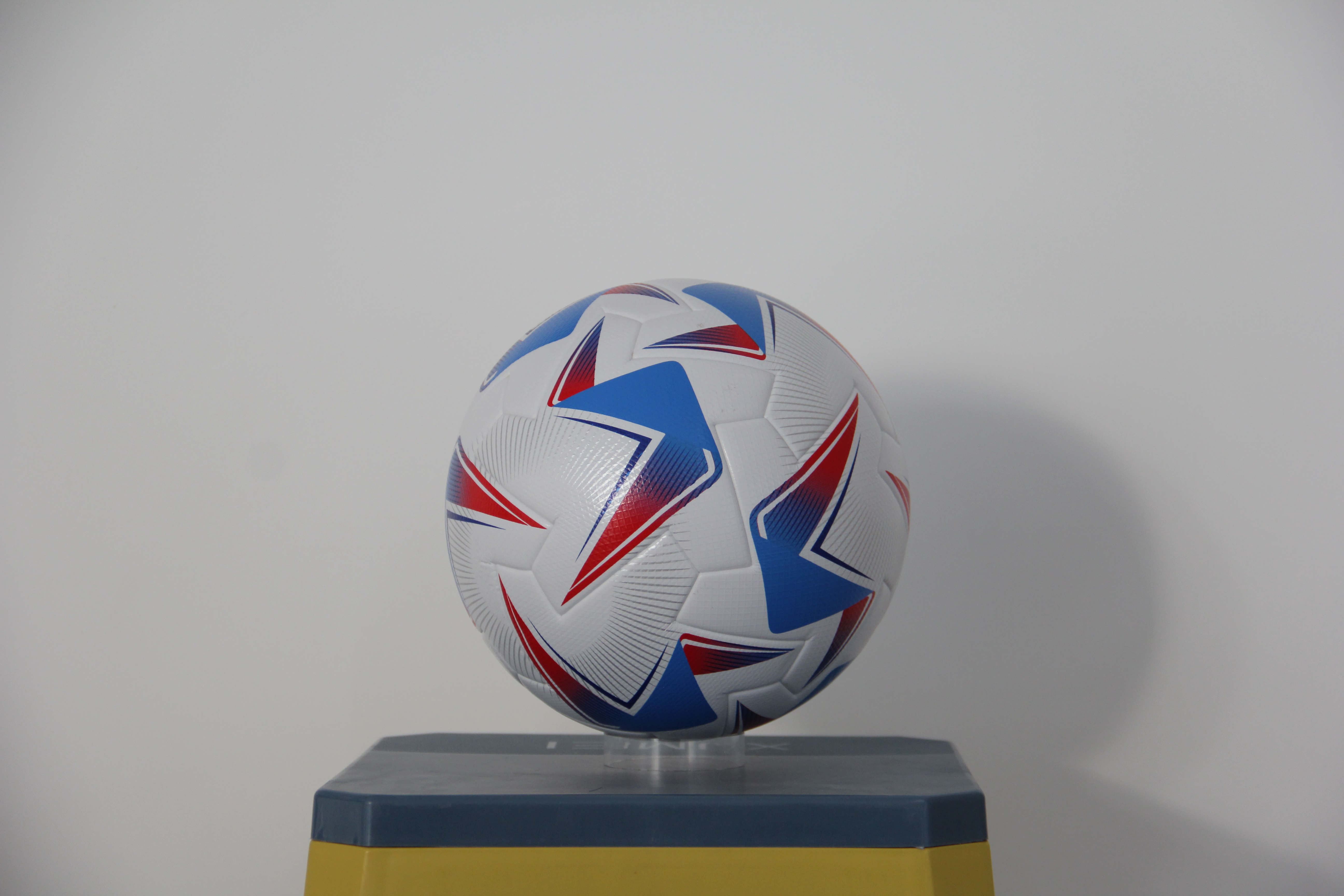
Youth training on size 4 balls needs stable bounce and soft-enough touch — Sanhuan balances both in training builds for young players. The outer casing typically utilizes premium synthetic leather or advanced composite materials specifically selected for their ability to maintain structural integrity across diverse environmental conditions, from hot summer days to cool autumn evenings, ensuring reliable performance regardless of weather variables. These materials undergo rigorous testing to achieve optimal texture characteristics that provide excellent grip without excessive tackiness, allowing players to develop proper touch and control while maintaining clean contact during strikes. The panel construction employs either traditional hand-stitched methods or modern thermal bonding techniques, each approach offering distinct advantages in terms of durability and performance consistency. Hand-stitched size 4 training balls feature reinforced seams using heavy-duty thread that withstands thousands of impacts without separation or weakening, while thermally bonded models eliminate stitching vulnerabilities entirely through seamless panel fusion that creates uniform surface characteristics and predictable aerodynamics. Beneath the outer casing, specialized bladder systems crafted from butyl rubber or latex provide superior air retention, reducing the frequency of inflation maintenance and ensuring balls remain properly pressurized throughout extended training sessions. The importance of consistent ball pressure cannot be understated, as underinflated balls behave unpredictably and can promote poor technique, while overinflated balls become excessively hard and potentially dangerous. Quality size 4 training balls maintain optimal pressure for weeks or even months, providing reliability that coaches and players depend upon. The durability engineering extends to abrasion resistance, with outer materials formulated to withstand contact with various playing surfaces including natural grass, artificial turf, concrete, and gymnasium floors without rapid deterioration. This versatility proves particularly valuable for youth programs that practice in multiple locations or for families whose children play in different environments. The construction quality directly impacts the economic value proposition, as durable size 4 training balls require less frequent replacement, ultimately reducing long-term costs for teams and individual families. Furthermore, balls maintaining their structural integrity throughout their lifespan ensure consistent training experiences, allowing players to develop reliable expectations about ball behavior that translate into improved decision-making and execution during competitive matches.

 EN
EN