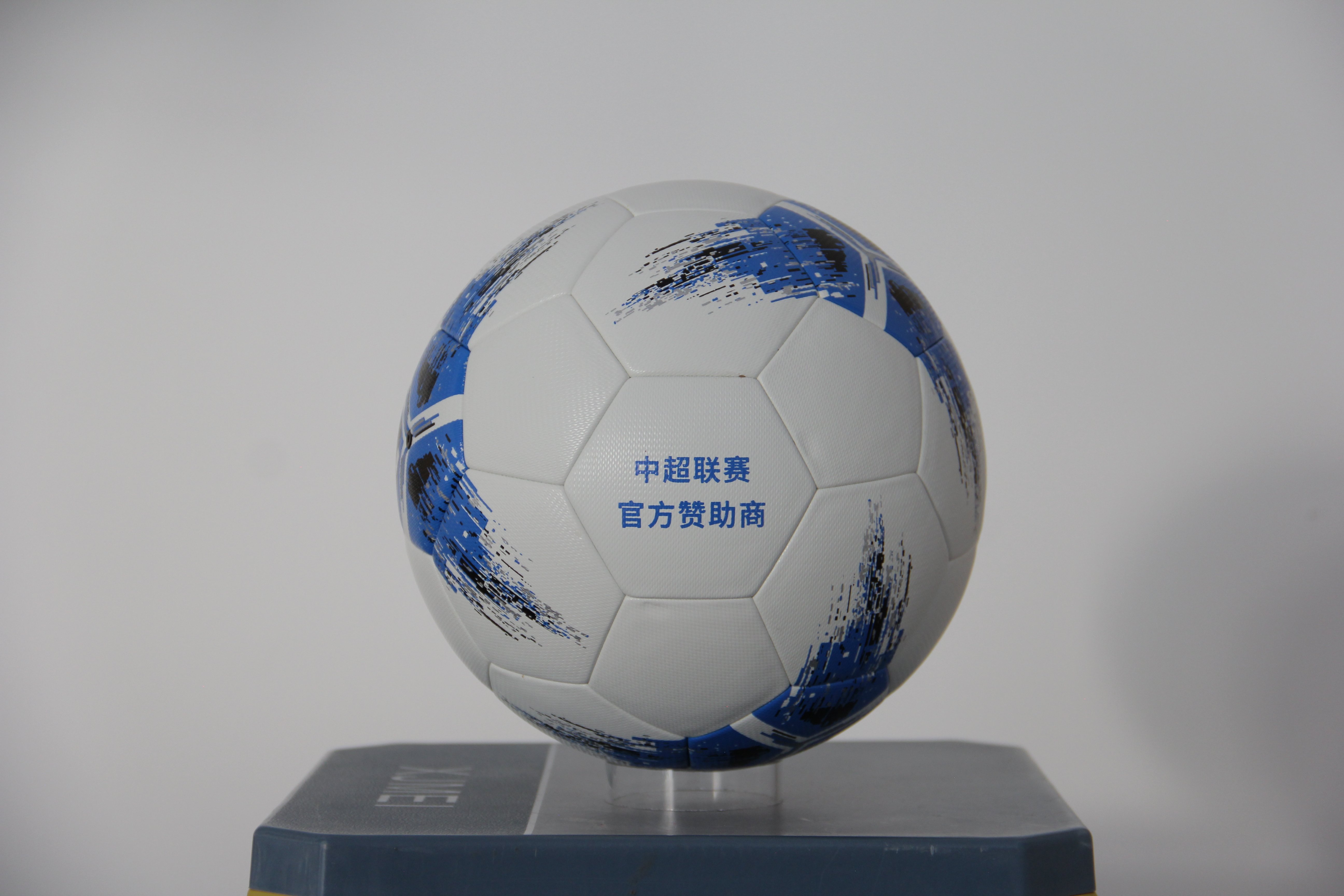
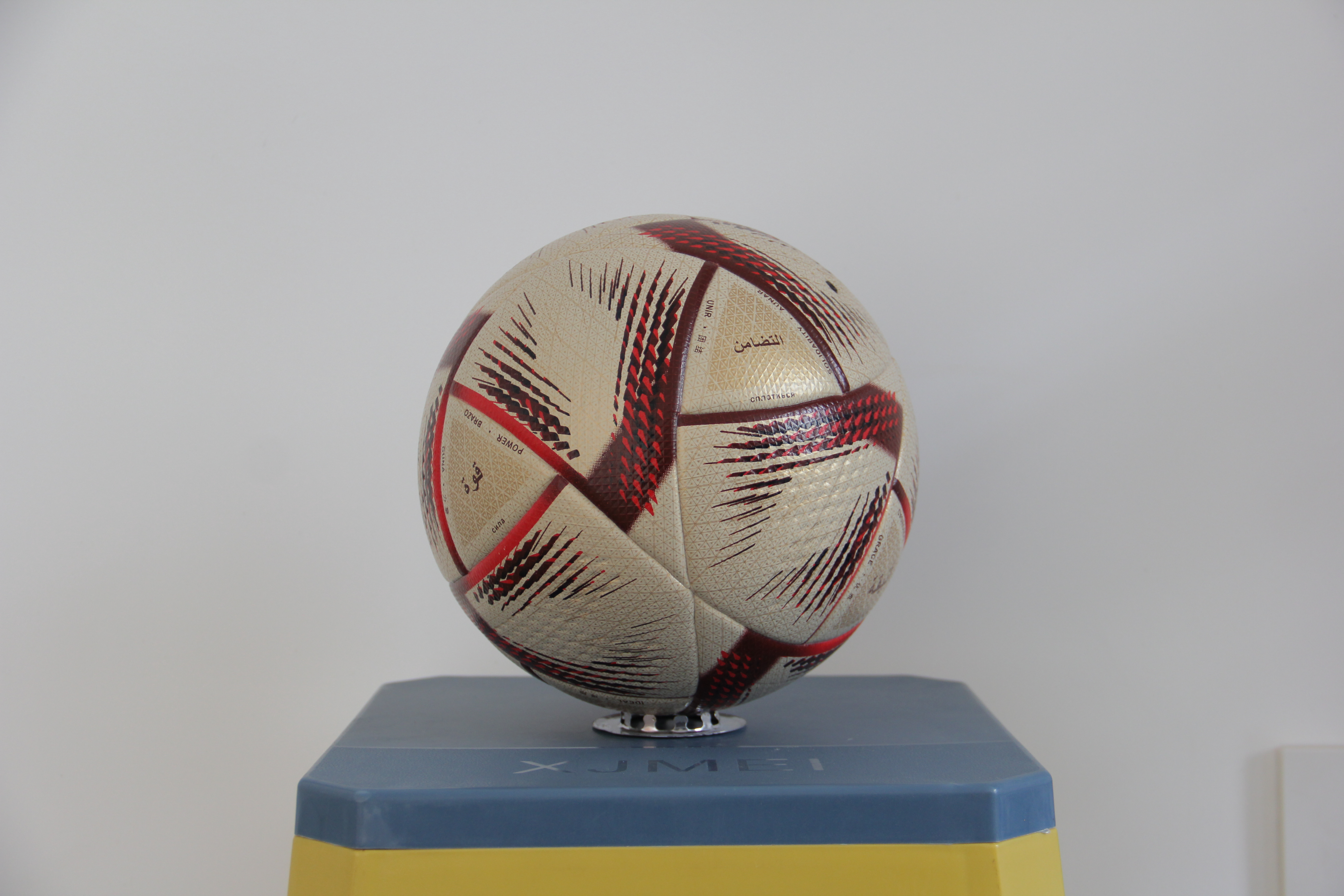
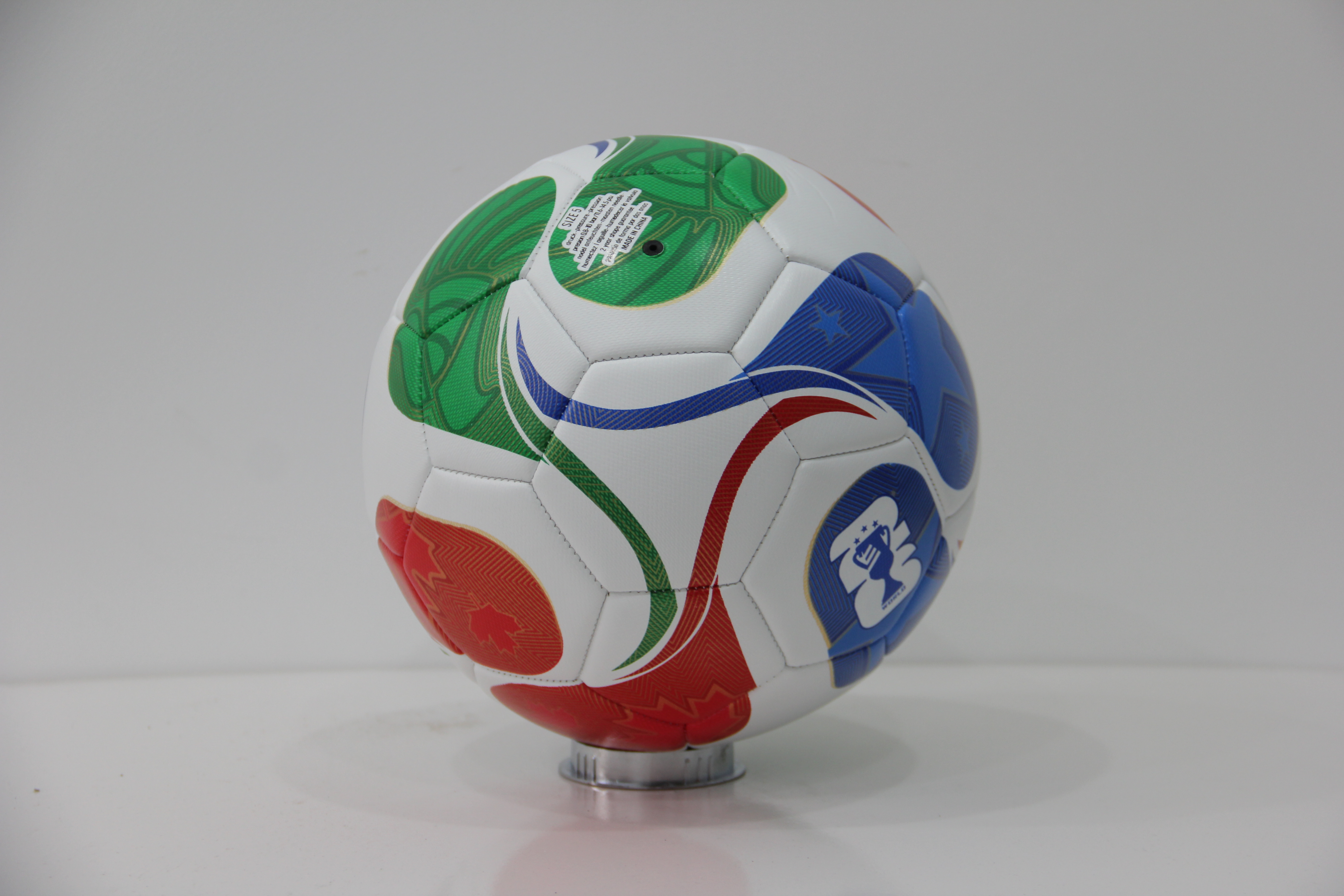
Thermally Bonded Build in World Cup Size 5 Balls
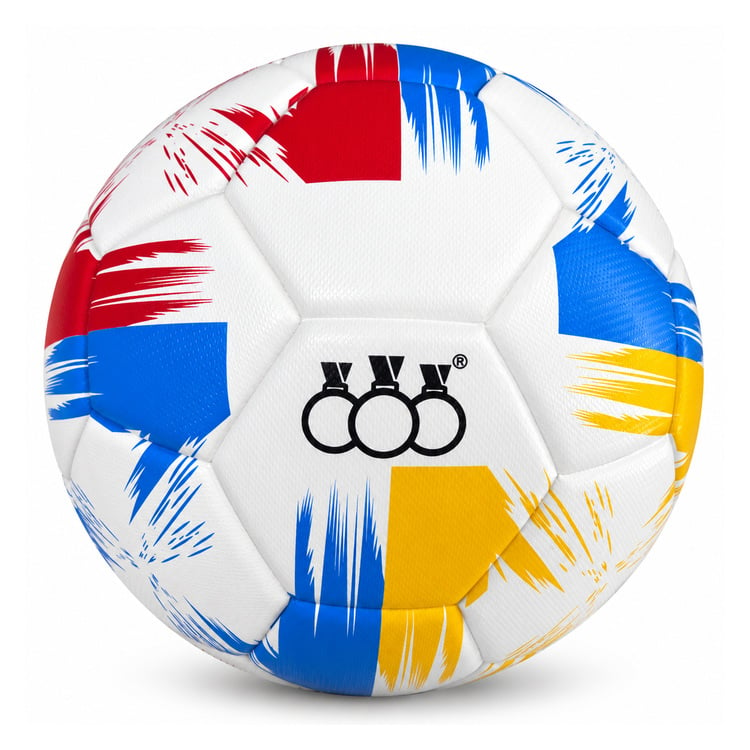
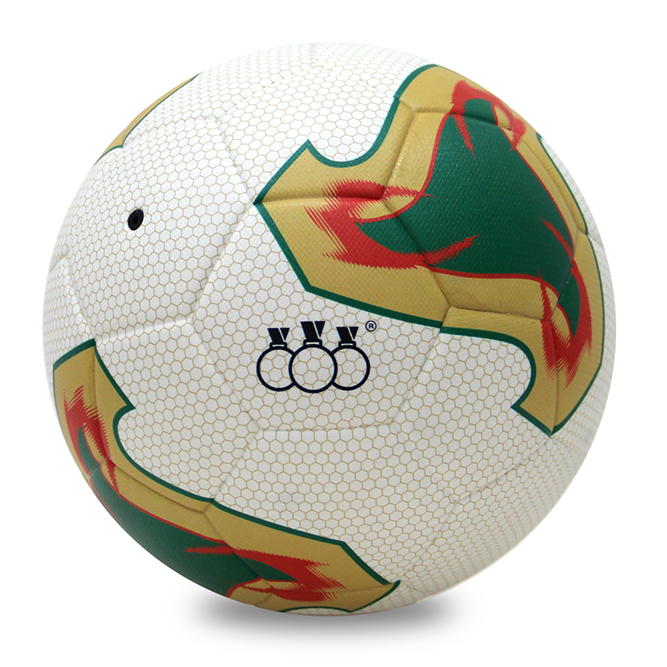
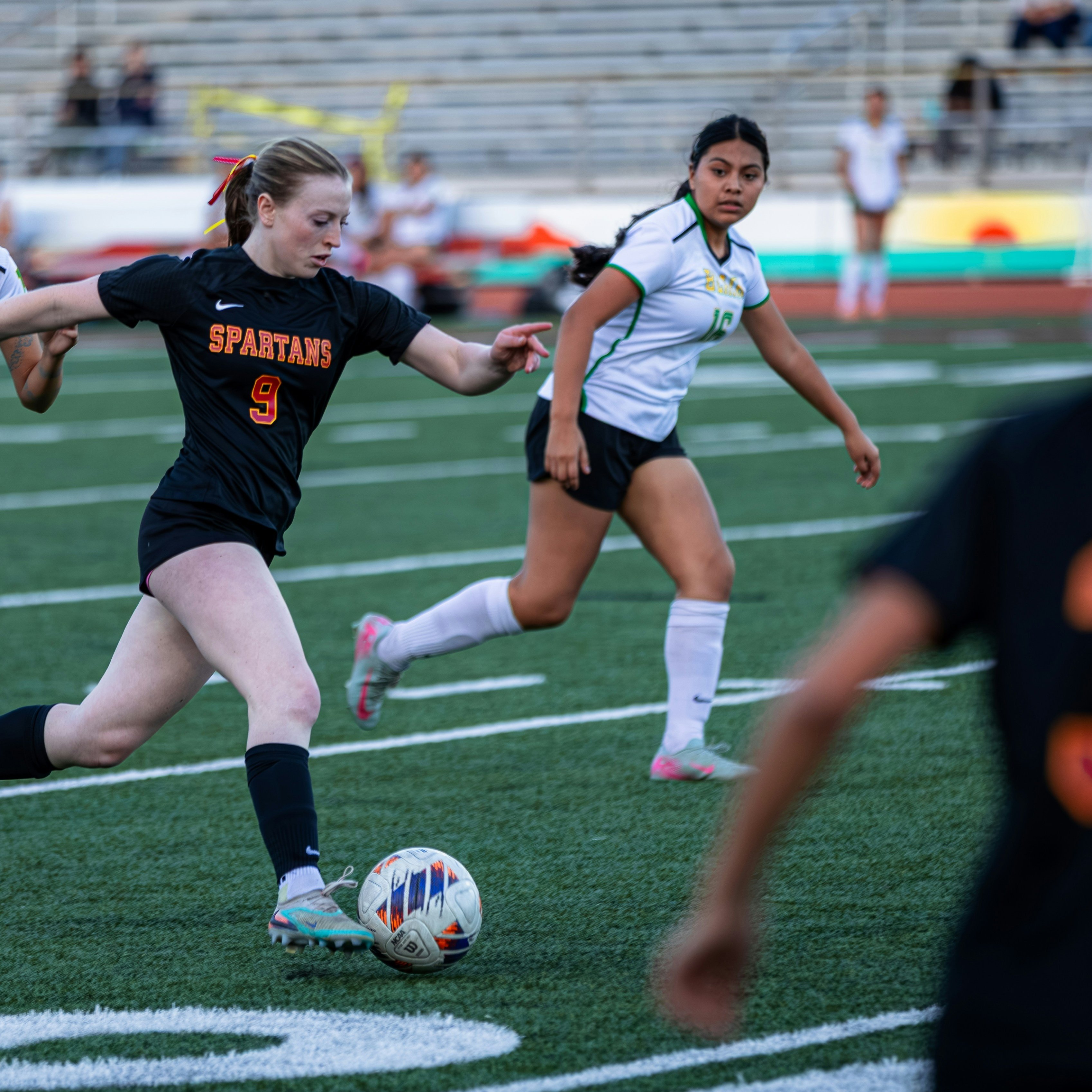
World cup size 5 balls use thermally bonded panels for seamless, water-resistant covers — Sanhuan produces bonded match balls for league-level performance. The standardized circumference of 68-70 centimeters creates a ball size that fits naturally with adult foot proportions, allowing for effective dribbling control, clean striking surfaces, and comfortable handling for goalkeepers. This specific sizing has been determined through extensive research and player feedback to represent the ideal balance between controllability and challenge, pushing players to refine their technique while remaining accessible enough for continued skill progression. The weight specification of 410-450 grams represents another critical factor that influences every aspect of play. This carefully calculated mass provides sufficient heft for powerful long-range shooting and passing while remaining light enough for quick directional changes and delicate touch work around the goal. When you strike a properly weighted world cup size 5 ball, you experience authentic feedback that teaches your body the correct amount of force needed for various situations, from soft through balls to thunderous volleys. Young players transitioning from smaller ball sizes benefit tremendously from moving to a world cup size 5 ball at the appropriate age, as it challenges them to develop stronger leg muscles and more precise technical skills that will serve them throughout their playing careers. The consistent specifications also ensure fair competition, as every team and player works with identical equipment parameters that eliminate variables and keep focus on skill and strategy. For training purposes, the standardized nature of world cup size 5 ball dimensions allows coaches to design drills and exercises with predictable outcomes, knowing exactly how the ball will behave during various activities. Heading practice becomes safer and more effective when using properly weighted balls, as the mass distribution has been optimized to minimize impact forces while still providing realistic match simulation. The size also influences tactical decisions, as players learn to judge spaces and passing lanes based on the ball dimensions they will encounter in actual competition, making training more directly applicable to match situations and accelerating overall player development through consistent, authentic practice experiences.

 EN
EN