Optimized Performance Across All Skill Levels
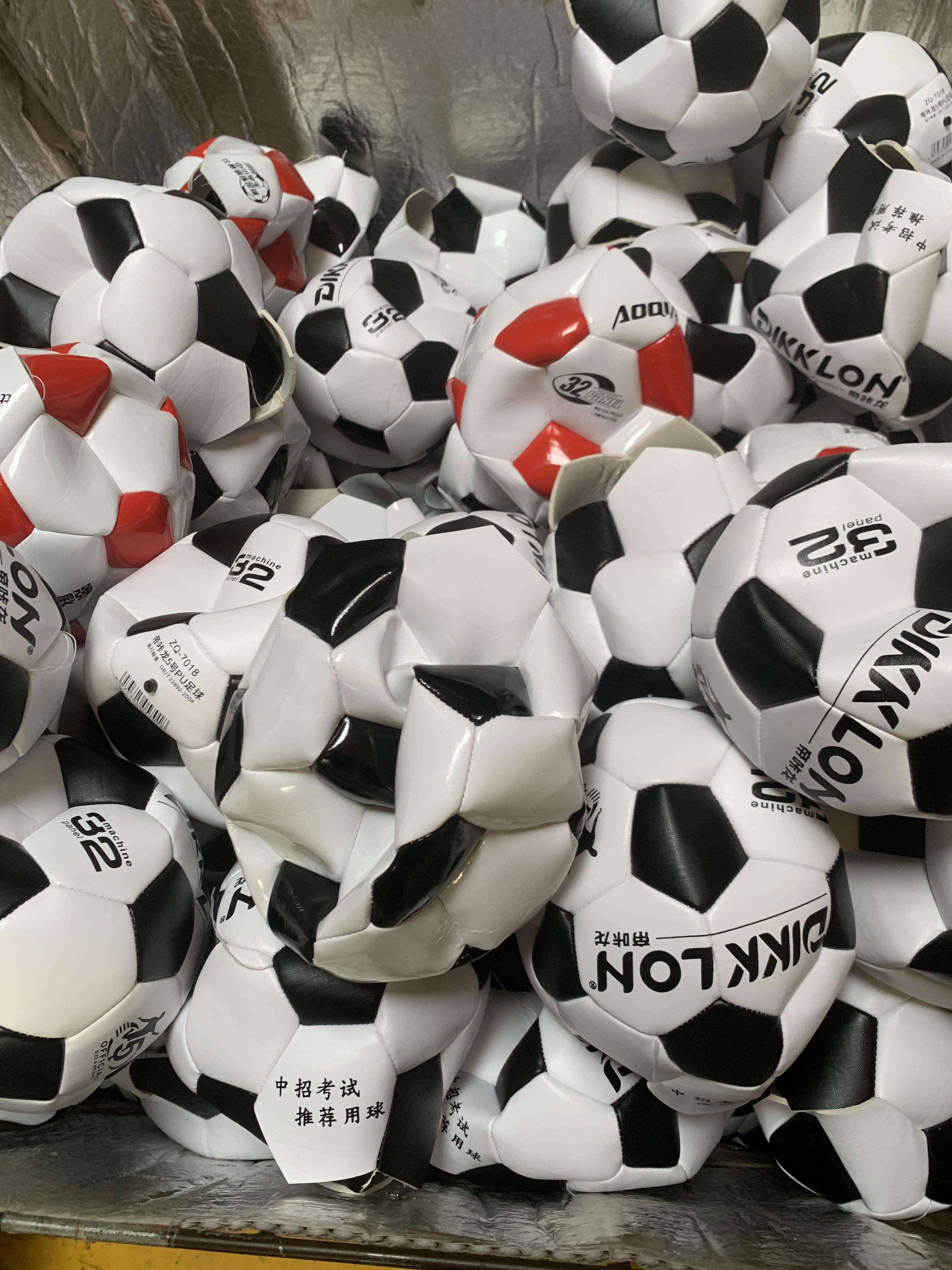
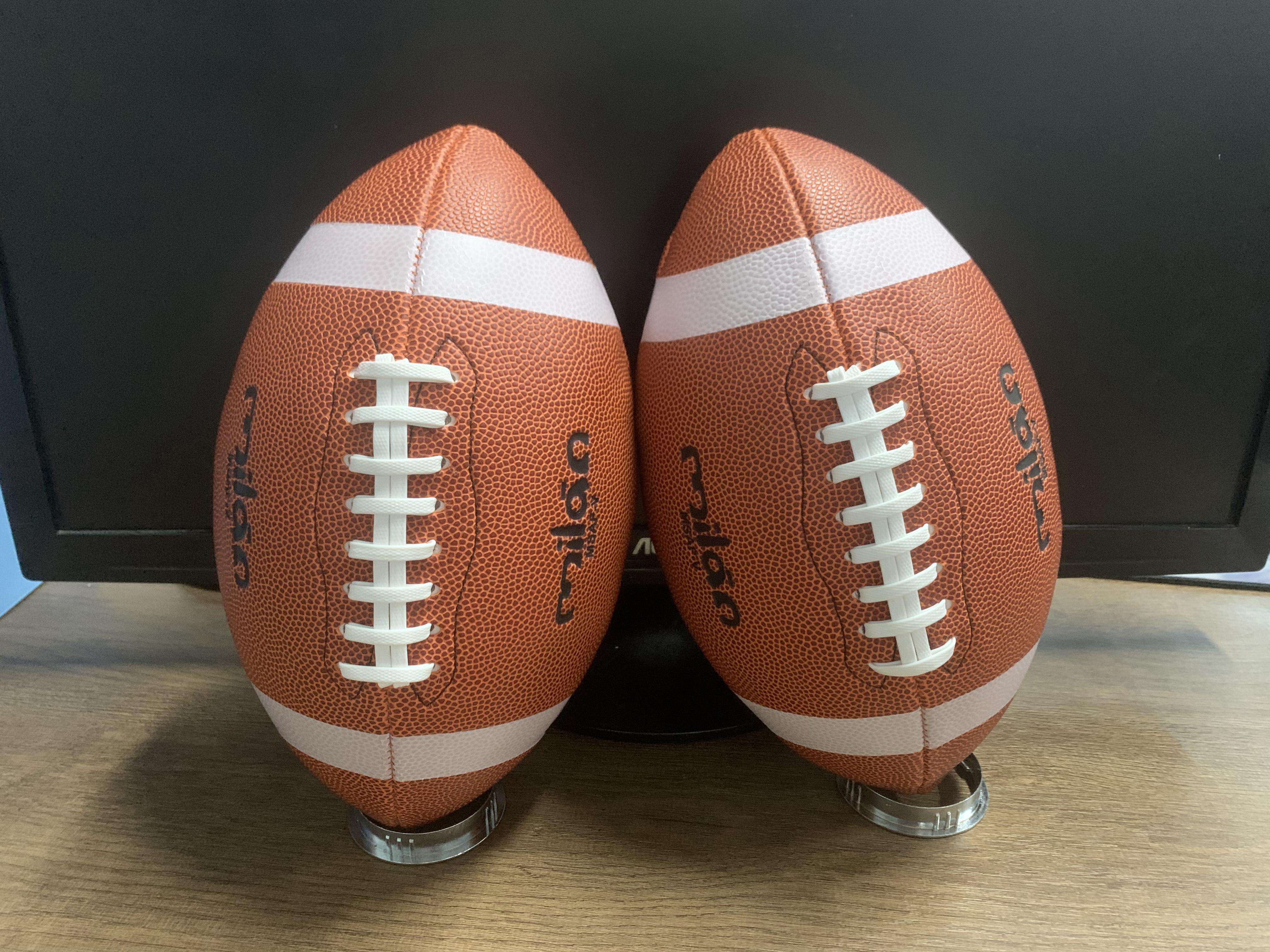
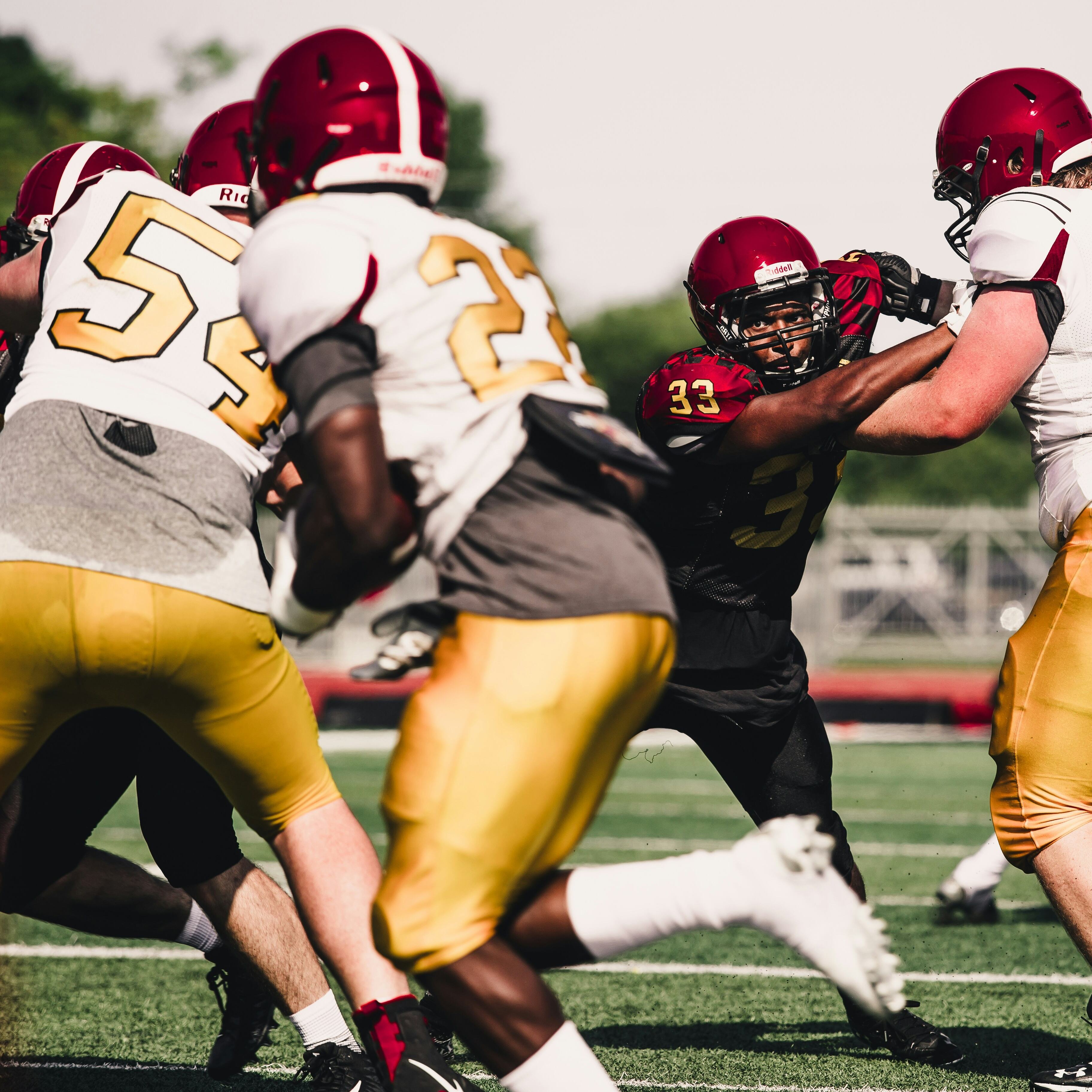
The youth football ball distinguishes itself through carefully engineered performance characteristics that accommodate players ranging from absolute beginners taking their first touches to more advanced young athletes refining competitive skills. This versatility stems from thoughtful design elements that provide appropriate feedback and response across varying skill levels without overwhelming novices or limiting developing talents. The panel configuration, often featuring twelve, eighteen, or thirty-two panels depending on construction method, influences how the ball behaves during flight and how it feels during ground contact. Youth football balls typically employ panel designs that enhance stability during flight, reducing unpredictable swerving that might frustrate young players still learning to judge ball trajectories. The surface texture incorporates subtle grip patterns that provide enough friction for controlled dribbling and trapping without requiring advanced technique to manage, helping beginners succeed while still challenging more skilled players to refine their touch. The balanced weight distribution ensures that the youth football ball responds consistently regardless of which point of contact a player strikes, building confidence as young athletes discover that their actions produce reliable results. This consistency proves essential for skill development because players can focus on improving technique rather than compensating for erratic equipment behavior. The bounce characteristics receive special attention during youth football ball development, with manufacturers calibrating rebound heights and energy return to match what young players can effectively manage. A ball that bounces too energetically becomes difficult to control and can intimidate less confident players, while insufficient bounce limits the game's dynamic nature. The ideal youth football ball strikes this balance perfectly, encouraging active play while remaining manageable. Training applications benefit enormously from these optimized performance characteristics, as coaches can design progressive skill-building exercises knowing the equipment will support rather than hinder learning objectives. Young players practicing passing sequences, shooting drills, or defensive positioning can concentrate on positioning, timing, and decision-making because the youth football ball behaves predictably and appropriately for their capabilities. The performance optimization extends to how the ball handles different weather conditions, maintaining similar characteristics in light rain, dry heat, or cool temperatures, which teaches young players that their skills remain applicable regardless of environmental variables. This comprehensive approach to performance engineering ensures that every interaction with a youth football ball contributes positively to a young player's development journey, building skills, confidence, and passion for football.

 EN
EN