Size 3 Quality in Volume: What to Check in Bulk Orders
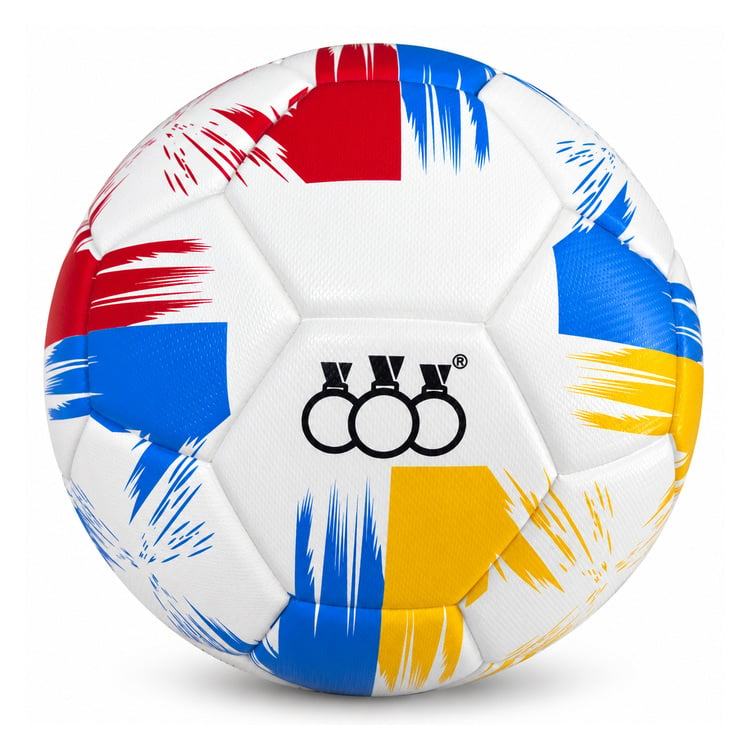
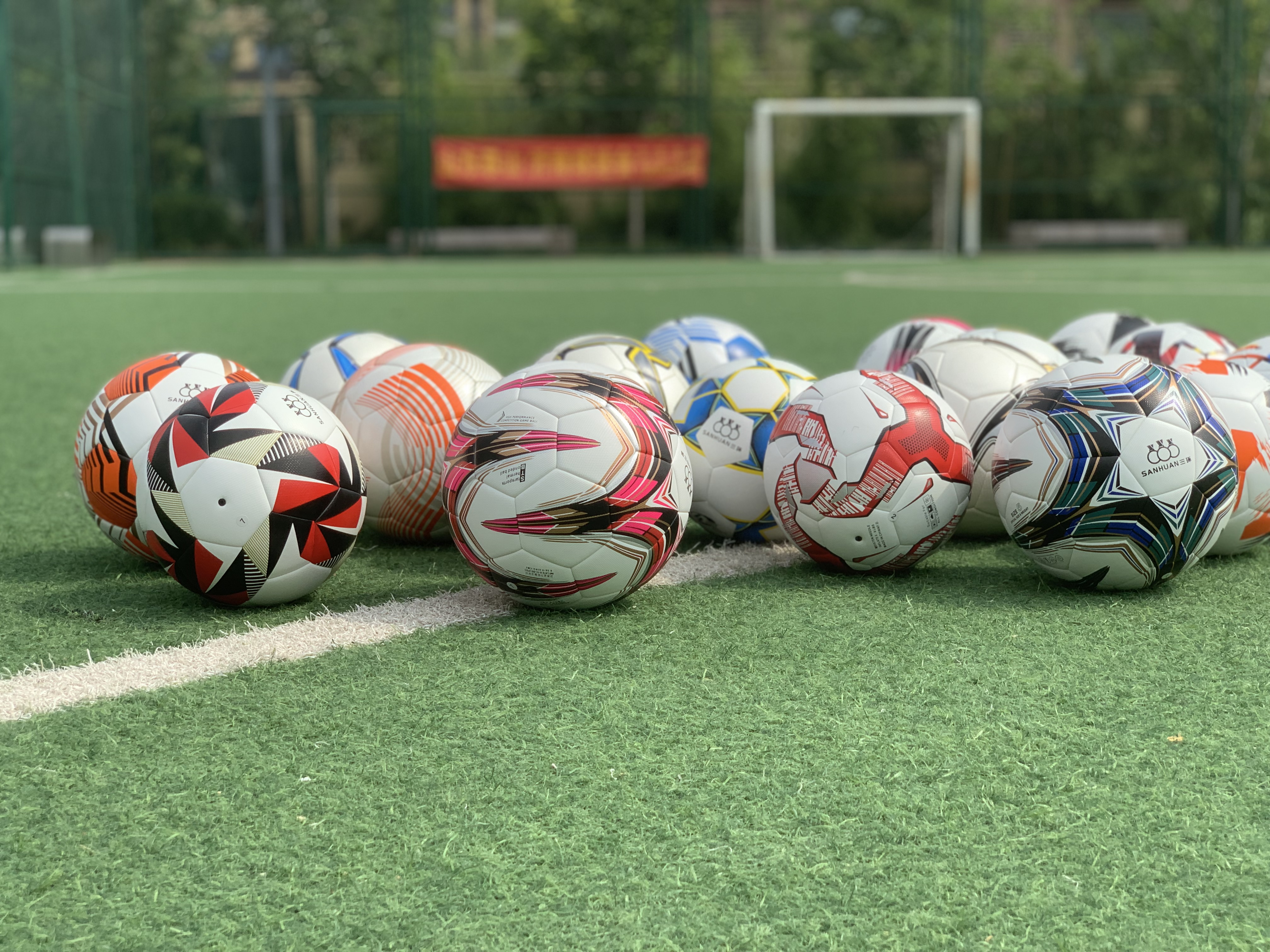
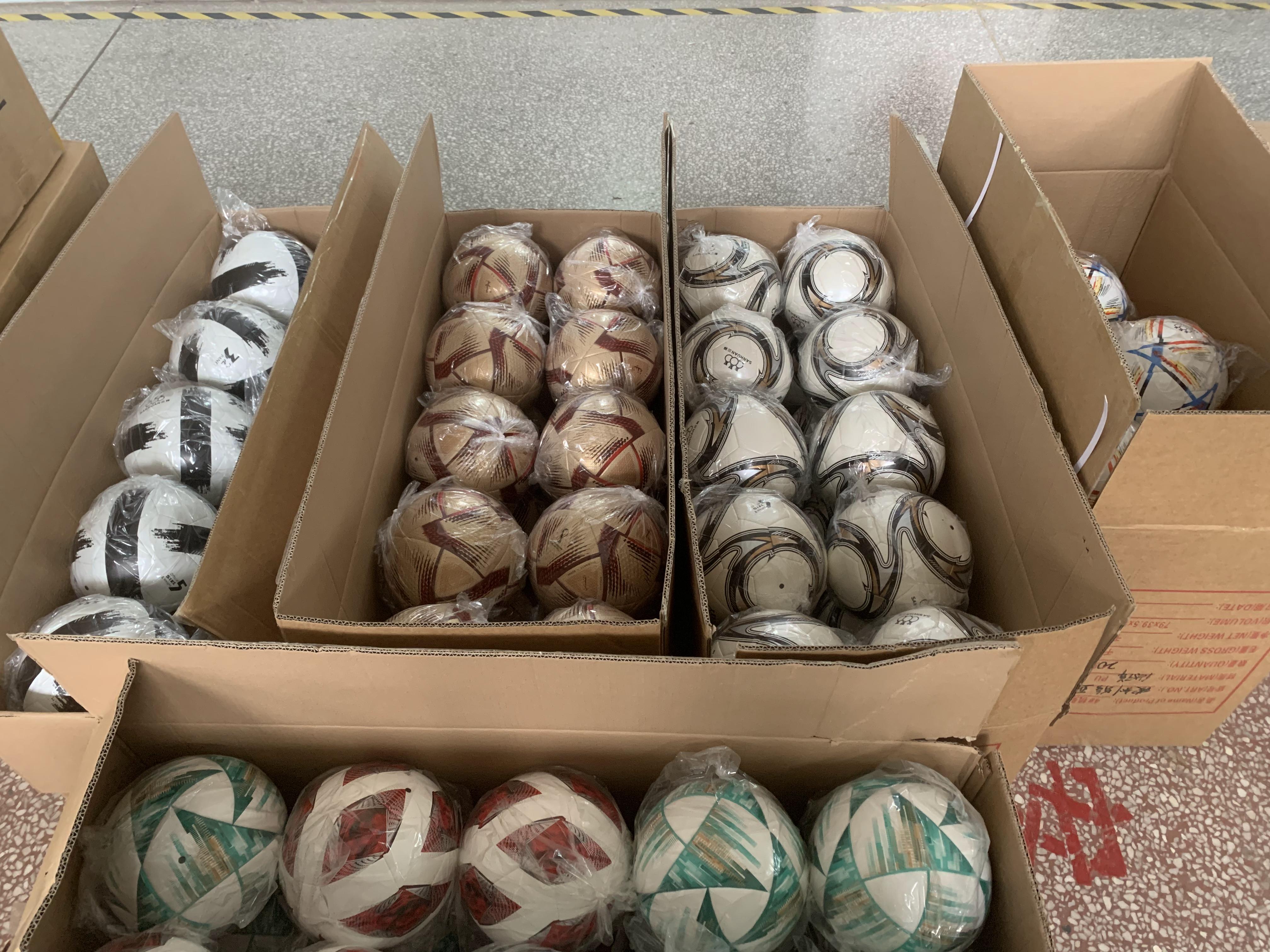
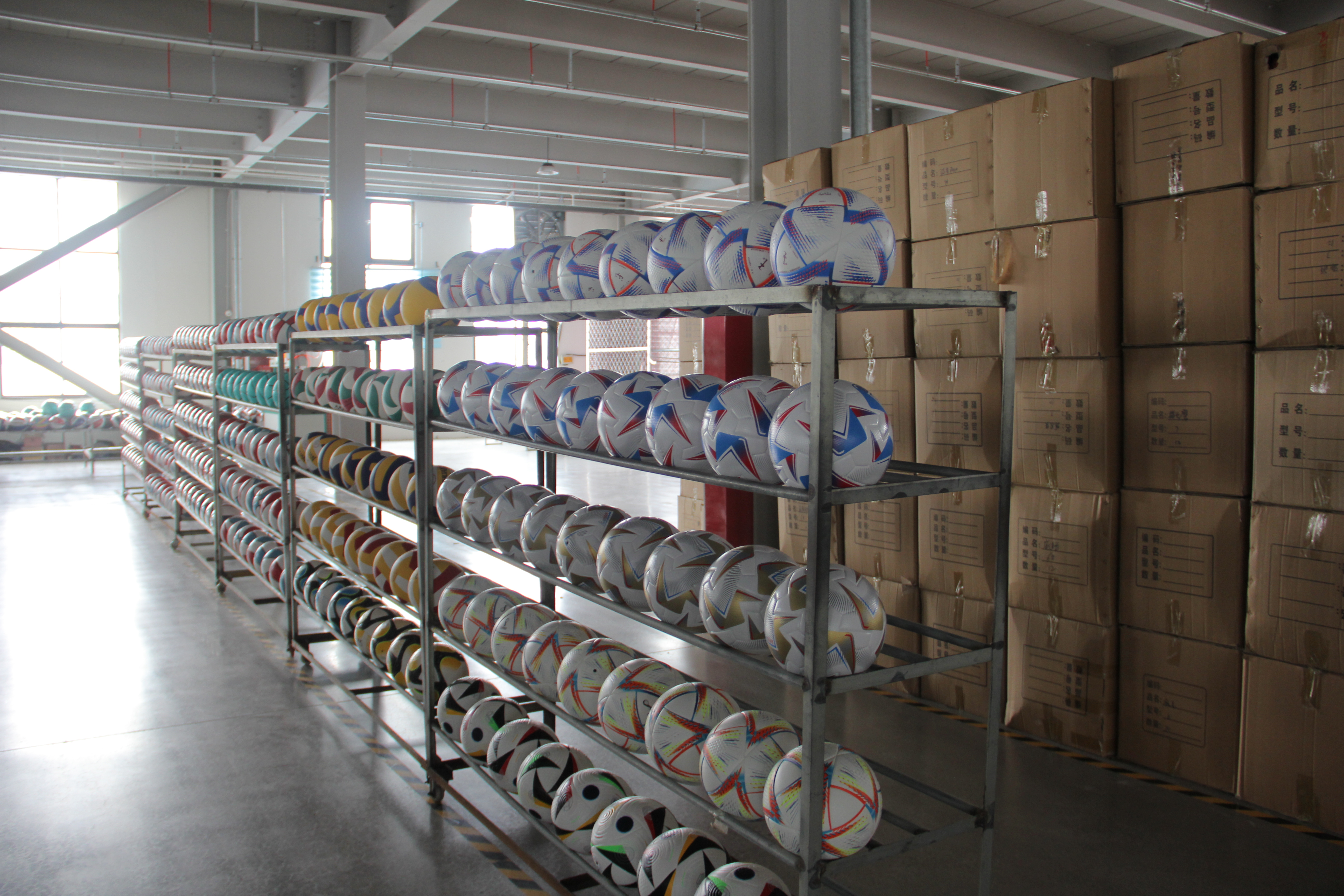
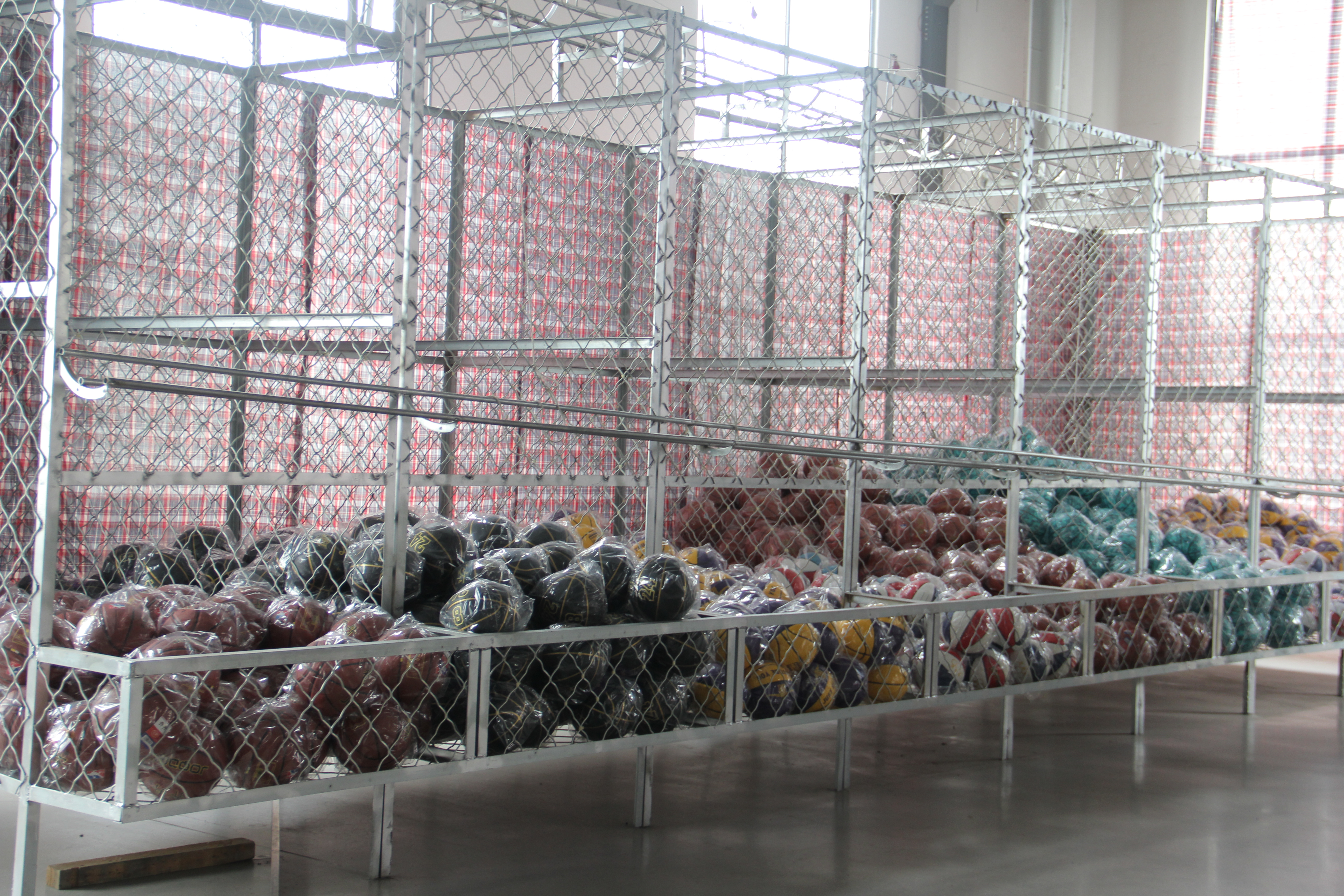
Bulk size 3 soccer ball orders include batch QC checks — circumference, weight and bounce — with pre-shipment photos for every lot. Quality manufacturers construct these balls using reinforced synthetic materials specifically selected for their resistance to abrasion, punctures, and weather exposure that would quickly degrade inferior products. The outer panels typically feature textured PVC or composite synthetic leather that maintains grip characteristics across wet and dry conditions while resisting the scuffing that occurs when balls contact pavement, gravel, or rough field surfaces common in youth sports settings. Advanced stitching techniques, whether machine-sewn with reinforced thread or thermally bonded using heat-sealed seams, ensure that panels remain securely attached despite the constant impacts from kicking, throwing, and occasional misuse that inevitably occurs with young children. The internal bladder systems utilize butyl rubber or similar materials that exhibit superior air retention properties compared to cheaper alternatives, reducing the maintenance burden of constant re-inflation and ensuring balls remain properly pressurized throughout extended practice sessions. This durability translates directly into lower total cost of ownership, as each ball delivers service across multiple seasons rather than requiring frequent replacement. When organizations purchase bulk size 3 soccer balls in larger quantities, suppliers typically offer tiered discount structures that dramatically reduce per-unit costs, often providing price breaks at quantities of 10, 25, 50, or 100 balls. These bulk discounts can reduce individual ball costs by half compared to retail pricing, generating savings that compound significantly across the total equipment needs of programs serving dozens or hundreds of participants. Financial managers and program directors appreciate how bulk purchasing allows accurate budget forecasting and eliminates the unpredictability of constantly buying replacement equipment at higher individual prices. The combination of inherent product durability and volume pricing advantages creates compelling return on investment calculations that justify initial larger expenditures through long-term savings and operational efficiency gains. Organizations also benefit from simplified procurement processes, placing fewer orders throughout the year and reducing administrative time spent on equipment purchasing activities.

 EN