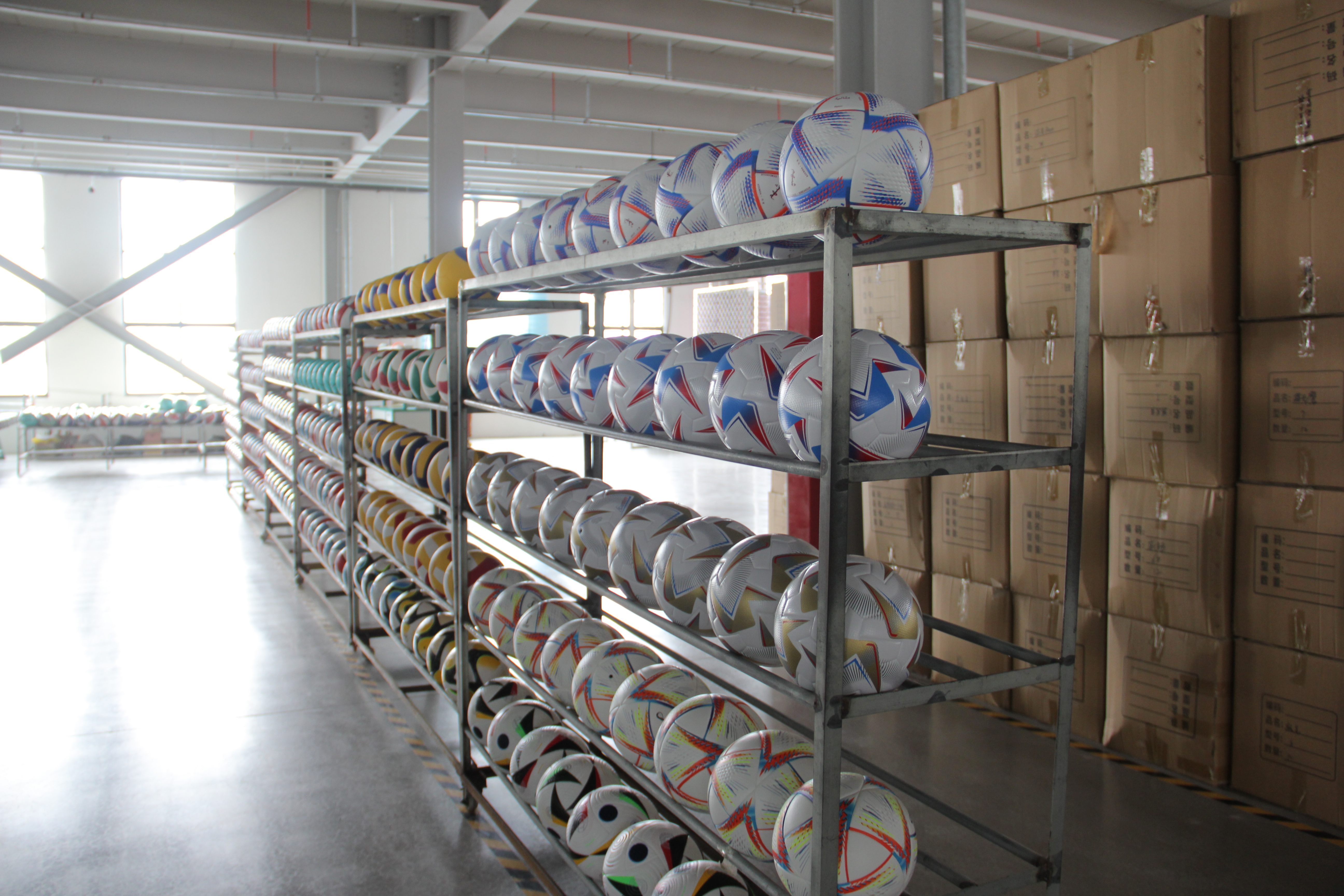
Size 3 Indoor Soccer Ball - Perfect Youth Training Equipment for Skill Development

Get a Free Quote

Our representative will contact you soon.
Email
Name
Company Name
Message
0/1000

size 3 indoor soccer ball

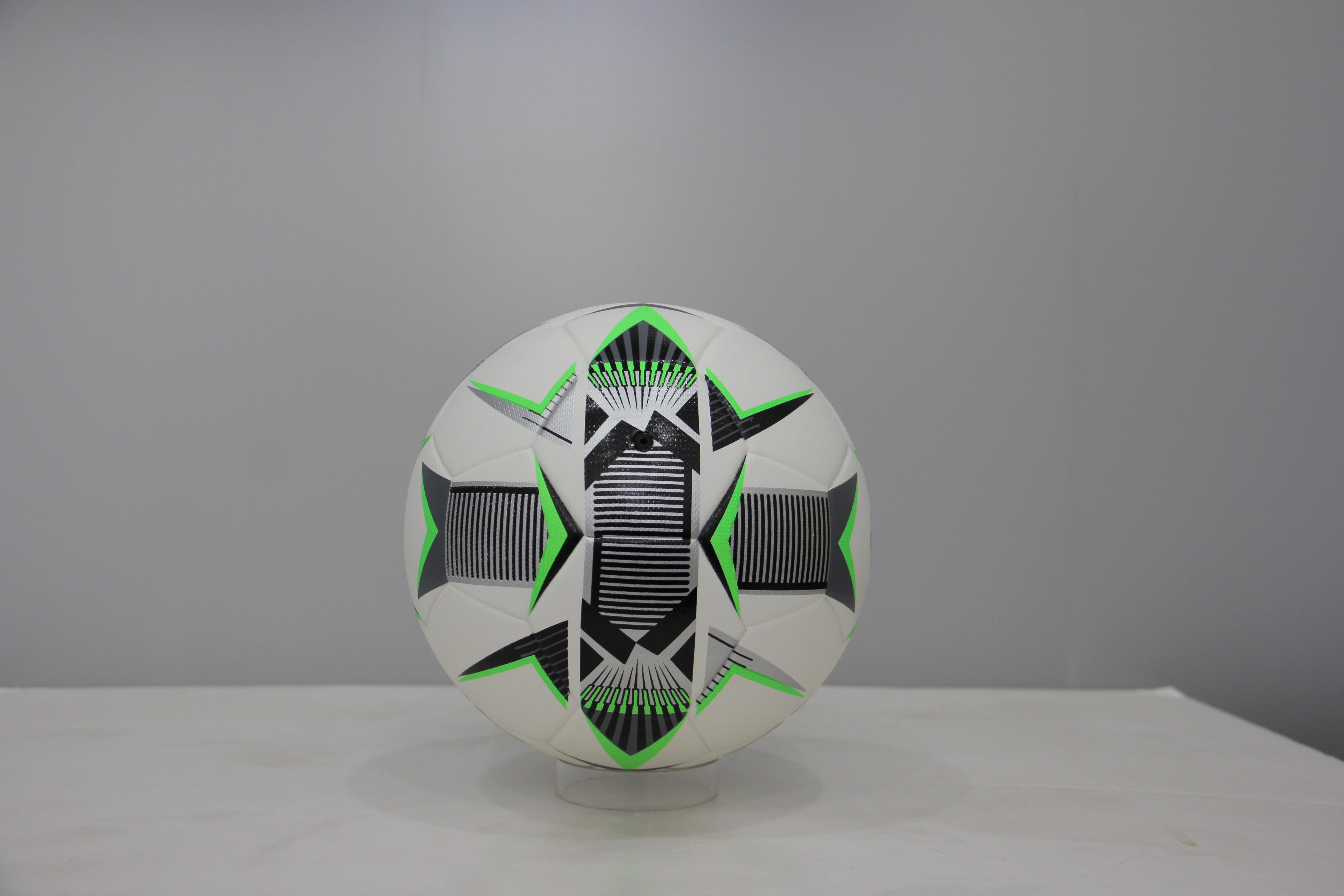
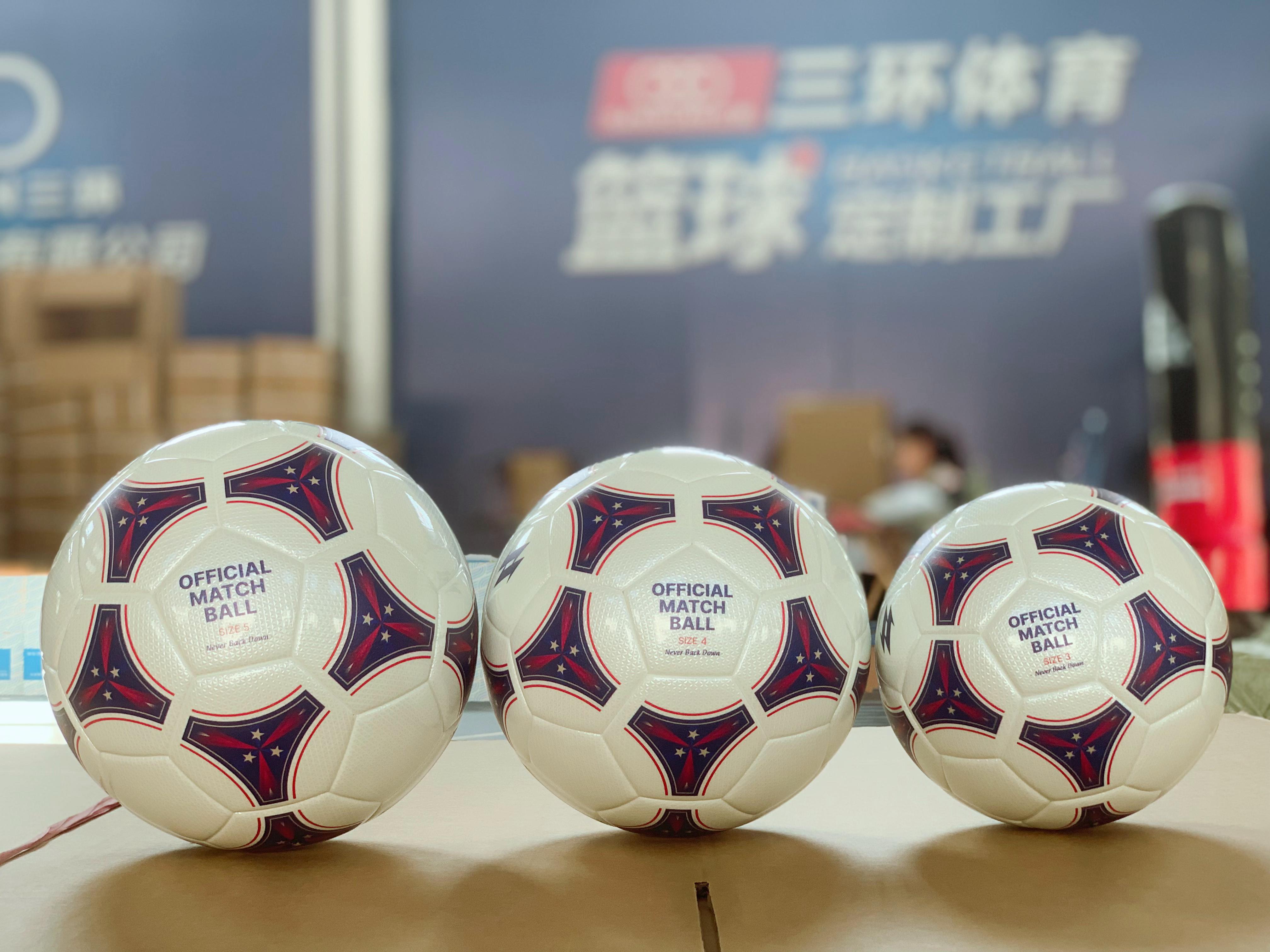
The size 3 indoor soccer ball represents a specialized piece of sporting equipment designed specifically for young players, typically ranging from ages under 8 years old, and for various training purposes in controlled indoor environments. This particular ball size adheres to strict dimensional standards, featuring a circumference of approximately 23 to 24 inches and weighing between 11 to 12 ounces, making it perfectly suited for developing fundamental soccer skills in children. The size 3 indoor soccer ball incorporates advanced construction methods that prioritize reduced bounce characteristics, which is essential for maintaining control during indoor play on hard surfaces such as gymnasium floors, sports halls, and recreational centers. The technological features embedded within this ball include specialized bladder systems that ensure consistent air retention, premium synthetic leather or composite materials that provide exceptional durability, and carefully engineered panel configurations that promote accurate flight patterns and predictable behavior. The low-bounce foam backing or felt covering distinguishes indoor variants from their outdoor counterparts, preventing the ball from bouncing excessively off walls and hard floors, thereby creating a safer and more controlled playing experience. Applications for the size 3 indoor soccer ball extend beyond recreational youth soccer, encompassing skill development programs, futsal training sessions, physical education classes, and therapeutic activities for children with special needs. The reduced weight and smaller dimensions enable young athletes to develop proper kicking techniques, improve foot-eye coordination, and build confidence without the intimidation factor associated with full-sized equipment. Coaches and educators favor this ball size for teaching fundamental concepts such as passing accuracy, dribbling control, and ball manipulation in confined spaces. The indoor-specific design minimizes potential damage to facilities while reducing noise levels during practice sessions, making it an ideal choice for schools, community centers, and indoor sports complexes seeking versatile training equipment that accommodates multiple skill levels and age groups.

New Product Recommendations

Choosing a size 3 indoor soccer ball delivers numerous practical benefits that directly impact the learning experience and skill development of young players. First and foremost, the appropriately scaled dimensions allow children to handle the ball comfortably, enabling them to practice techniques without struggling with equipment that is too large or heavy for their physical capabilities. This proper sizing accelerates learning curves because players can focus on mastering fundamental movements rather than wrestling with unwieldy equipment. The specialized indoor construction provides superior control during training sessions, as the reduced bounce technology keeps the ball closer to the playing surface, allowing for rapid successive touches that build muscle memory and refine technical abilities. Parents and coaches appreciate the safety advantages inherent in the size 3 indoor soccer ball design, as the lighter weight minimizes impact force, reducing the risk of injuries during headers or accidental contact. The softer exterior materials commonly used in indoor variants further enhance safety by providing cushioning that protects young players while they develop their skills. Economic considerations also favor the size 3 indoor soccer ball, as the durable construction withstands intensive use across multiple training sessions, delivering exceptional value over extended periods. The indoor-specific materials resist scuffing and degradation from hard surfaces, maintaining aesthetic appeal and functional performance longer than standard outdoor balls used inappropriately indoors. Facility managers benefit from the reduced wear on gymnasium floors and walls, as the controlled bounce and softer materials minimize potential damage to expensive infrastructure. The versatility of this ball size extends its utility across various sports and activities, including modified games, technical drills, and cross-training exercises that develop overall athleticism. Young players experience faster progression when using properly sized equipment, building confidence through successful skill execution that might be impossible with larger balls. The size 3 indoor soccer ball facilitates year-round training regardless of weather conditions, ensuring consistent development schedules that maintain momentum in skill acquisition. Teachers find these balls particularly effective for introducing soccer concepts in physical education settings, as the manageable size encourages participation from students with varying athletic backgrounds. The predictable flight characteristics resulting from advanced panel construction and precision manufacturing enable players to develop accurate spatial awareness and timing. Additionally, the size 3 indoor soccer ball supports inclusive sports programs by accommodating diverse ability levels, allowing beginners and advanced players to train simultaneously with appropriately challenging equipment. Investment in quality indoor soccer balls demonstrates commitment to proper athletic development, providing young athletes with professional-grade tools that foster genuine passion for the sport while establishing correct technical foundations that benefit their entire soccer careers.

Practical Tips

What is futsal and how does it differ from soccer?

29

Apr

What is futsal and how does it differ from soccer?

Futsal represents a distinct form of association football that has evolved into a globally recognized sport with its own identity, rules, and competitive structure. Originating in Uruguay during the 1930s, futsal was designed to be played indoors on ...
View More
Why does rugby ball grip matter for handling performance?

11

May

Why does rugby ball grip matter for handling performance?

The grip quality of a rugby ball fundamentally determines whether players can execute clean catches, accurate passes, and secure carries under match pressure. Unlike sports equipment where surface texture serves primarily aesthetic purposes, the grip...
View More
How does rugby ball size vary across different game levels?

04

May

How does rugby ball size vary across different game levels?

Understanding how rugby ball size varies across different game levels is essential for players, coaches, and equipment managers who want to ensure optimal performance and safety. The dimensions and weight of a rugby ball are not arbitrary—they ...
View More
What is a rugby ball and how does its shape affect play?

01

May

What is a rugby ball and how does its shape affect play?

The rugby ball stands as one of the most distinctive sporting objects in the world, instantly recognizable by its unique prolate spheroid shape. Unlike the perfectly round balls used in soccer or basketball, the rugby ball features an elongated oval ...
View More

Get a Free Quote

Our representative will contact you soon.
Email
Name
Company Name
Message
0/1000

size 3 indoor soccer ball

Perfect Size Proportions for Optimal Youth Development

Perfect Size Proportions for Optimal Youth Development

The size 3 indoor soccer ball achieves the ideal balance between functionality and age-appropriateness, representing the culmination of extensive research into youth athletic development and biomechanics. This carefully calibrated sizing addresses the specific physical capabilities and developmental needs of children in the critical early stages of soccer skill acquisition. The 23 to 24-inch circumference corresponds precisely to the foot size, leg length, and overall body proportions of players under 8 years old, creating an intuitive relationship between the athlete and equipment that facilitates natural movement patterns. When young players interact with properly sized equipment, they develop correct motor patterns from the beginning, avoiding compensatory movements that arise when children attempt to manipulate oversized balls. The weight specification of 11 to 12 ounces provides sufficient mass for realistic ball behavior while remaining light enough for small legs to strike effectively, enabling children to experience genuine success in passing, shooting, and controlling the ball. This success builds psychological confidence that motivates continued participation and practice, establishing positive associations with the sport that persist throughout athletic careers. The size 3 indoor soccer ball supports comprehensive skill development across multiple technical domains, including dribbling, where the reduced dimensions allow for tighter control and more frequent touches that accelerate the development of close ball manipulation abilities. During passing exercises, the appropriately scaled ball travels manageable distances at controllable speeds, allowing young players to focus on accuracy and technique rather than generating excessive power. The reduced size also benefits shooting practice, as children can wrap their feet around the ball more completely, promoting proper striking mechanics and teaching the fundamentals of ball spin and trajectory control. Coaches recognize that equipment matching developmental stages directly correlates with accelerated learning outcomes, making the size 3 indoor soccer ball an essential tool in structured youth programs. The psychological impact of using right-sized equipment cannot be overstated, as children who struggle with oversized balls often develop negative self-perceptions about their athletic abilities, whereas those provided with appropriate equipment experience regular success that reinforces positive self-image. Furthermore, the size 3 indoor soccer ball facilitates safer heading practice for young players, as the reduced weight and cushioned construction minimize impact forces while still teaching proper technique and timing for this important skill component.
Advanced Indoor-Specific Construction Technology

Advanced Indoor-Specific Construction Technology

The engineering behind the size 3 indoor soccer ball incorporates sophisticated material science and construction techniques specifically optimized for hard indoor surfaces and controlled environments. Unlike conventional outdoor soccer balls that prioritize durability against rough terrain and weather resistance, indoor variants employ specialized technologies that transform playing characteristics to suit gymnasium floors and sports halls. The most distinctive feature involves low-bounce construction, achieved through multiple technological approaches including dense foam underlayers, felt coverings, or reduced internal pressure specifications that dramatically limit rebound height when the ball contacts hard surfaces. This controlled bounce technology fundamentally changes game dynamics by keeping the ball in play longer and allowing for continuous action without constant interruptions from balls bouncing off walls or ceilings. The materials selected for size 3 indoor soccer ball construction typically include premium synthetic leathers or advanced composite fabrics that provide excellent grip and tactile feedback, enabling young players to develop sensitive touch and refined ball control. These materials resist the abrasion caused by indoor surfaces while maintaining consistent texture throughout extended use, ensuring predictable performance across hundreds of training sessions. The panel configuration represents another critical technological element, with most quality indoor balls featuring thermally bonded or hand-stitched panels in geometric arrangements that promote spherical accuracy and uniform weight distribution. Modern manufacturing techniques enable incredibly precise panel alignment, eliminating the wobbles and irregular flight paths associated with lower-quality balls, thereby teaching young players to anticipate true ball behavior that translates to improved game performance. The bladder system inside the size 3 indoor soccer ball utilizes advanced materials such as butyl rubber, which provides superior air retention compared to standard latex bladders, maintaining proper inflation pressure over extended periods and reducing maintenance requirements. Consistent inflation directly impacts ball performance, as even minor pressure variations alter bounce characteristics, speed, and control properties in ways that confuse developing players. The specialized valve designs incorporated into quality indoor balls prevent air leakage while allowing easy inflation adjustment, giving coaches precise control over ball characteristics to match specific training objectives or player skill levels. Some advanced size 3 indoor soccer balls incorporate vibrant color patterns and high-contrast designs that enhance visibility under various lighting conditions, supporting visual tracking development in young players while adding aesthetic appeal that increases equipment engagement. The construction durability extends beyond surface materials to reinforced seams and stress points that withstand intensive use without delamination or structural failure, protecting program investments while ensuring consistent training experiences.
Versatile Applications Across Multiple Training Environments

Versatile Applications Across Multiple Training Environments

The size 3 indoor soccer ball demonstrates remarkable versatility across diverse training scenarios, educational settings, and competitive formats, establishing itself as an indispensable tool for comprehensive youth athletic development programs. In traditional soccer training contexts, this ball size serves as the foundation for technical skill development, enabling coaches to implement progressive training methodologies that build capabilities systematically from basic to advanced levels. The controlled indoor environment eliminates weather-related disruptions, allowing year-round training consistency that accelerates skill acquisition through regular practice repetition. The size 3 indoor soccer ball proves equally valuable in futsal applications, where the naturally reduced bounce characteristics align perfectly with futsal playing requirements, teaching players the quick decision-making and close control essential in this fast-paced variation of soccer. Youth futsal programs benefit tremendously from the size 3 indoor soccer ball because it introduces tactical concepts and spatial awareness in age-appropriate contexts, preparing players for transitions to larger balls and fields as they mature. Physical education teachers incorporate these balls into curriculum designs that introduce soccer fundamentals to entire student populations, including children who might lack previous exposure to organized sports. The manageable size reduces intimidation factors, encouraging broader participation and helping educators identify athletically talented students who might benefit from additional training opportunities. Therapeutic and adaptive sports programs utilize the size 3 indoor soccer ball extensively, as the reduced size and weight accommodate participants with physical disabilities or developmental challenges, creating inclusive environments where all children experience athletic success. The predictable ball behavior resulting from quality construction enables therapists and adapted physical education specialists to design targeted interventions that address specific motor development goals while maintaining engaging, game-like contexts that motivate participation. Recreation centers and community programs favor the size 3 indoor soccer ball for multi-age activities and family participation events, where the forgiving characteristics allow parents and siblings to play together regardless of skill disparities. The durability of indoor construction withstands heavy use across back-to-back sessions, supporting high-volume programming that serves large community populations efficiently. Small-sided games and modified competitions specifically designed for young players utilize the size 3 indoor soccer ball to create developmentally appropriate competitive experiences that emphasize skill execution over physical dominance. Tournament organizers appreciate the consistency that quality indoor balls provide across multiple playing venues, ensuring fair competition where ball performance does not vary between facilities. Training academies and elite youth development programs incorporate the size 3 indoor soccer ball into technical training circuits focused on first touch, rapid passing combinations, and close-quarter ball manipulation that form the foundation of advanced playing styles. The specialized indoor characteristics support high-repetition training methodologies where players execute hundreds of touches per session, building the technical mastery required for competitive success at higher levels.

Get a Free Quote

Our representative will contact you soon.
Email
Name
Company Name
Message
0/1000