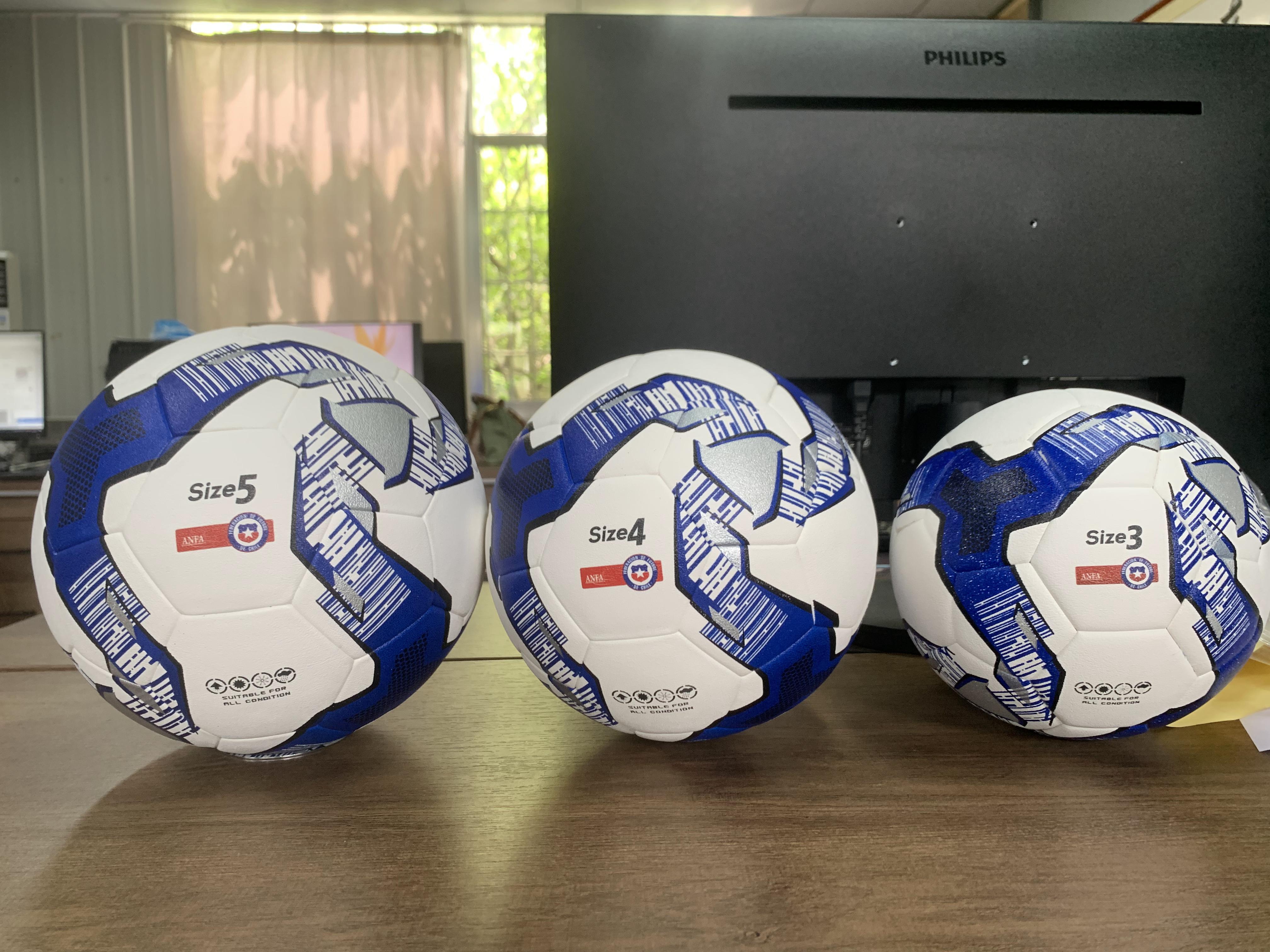
Indoor Soccer Ball Size 3 - Premium Youth Training Ball for Skill Development

Get a Free Quote

Our representative will contact you soon.
Email
Name
Company Name
Message
0/1000

indoor soccer ball size 3

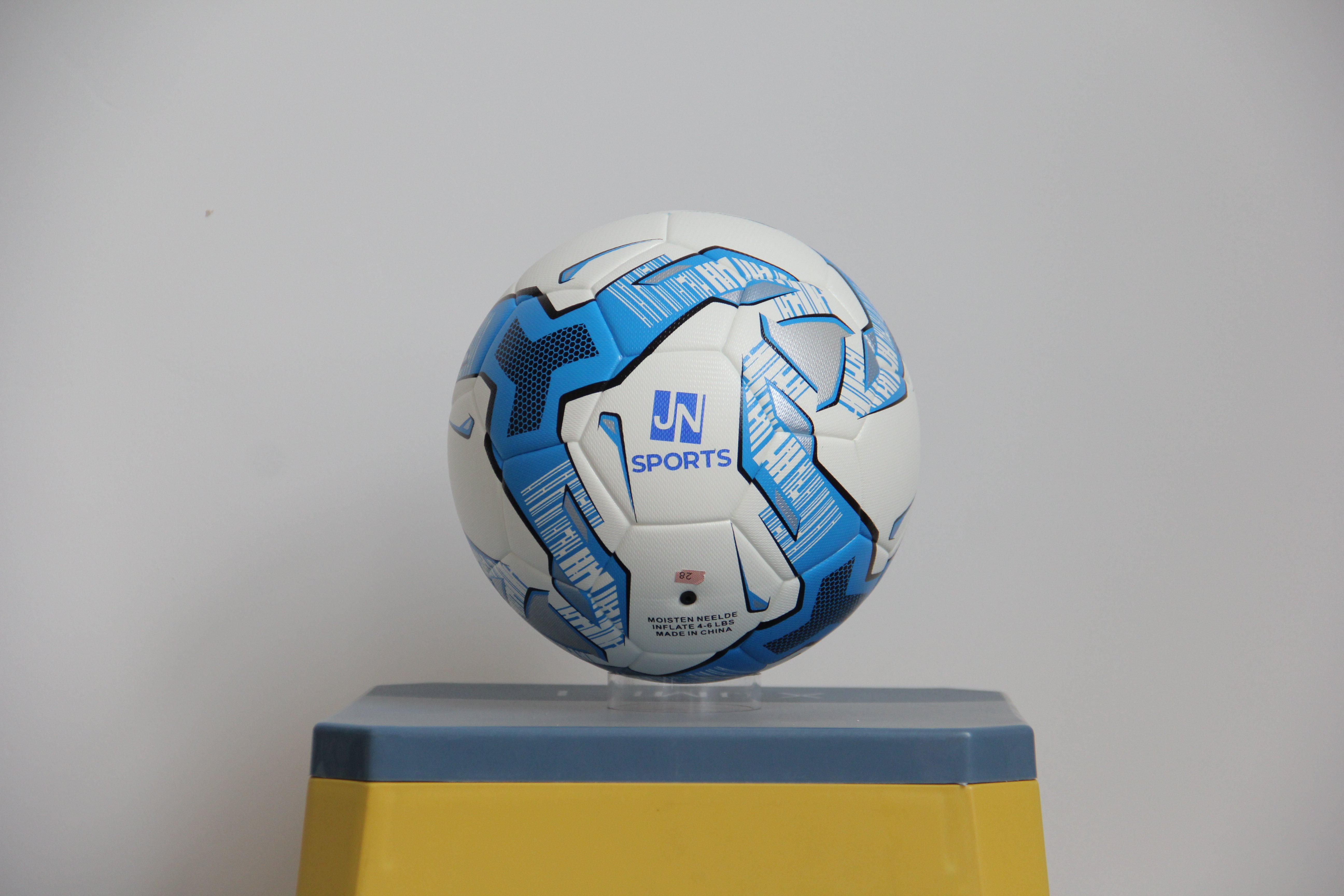
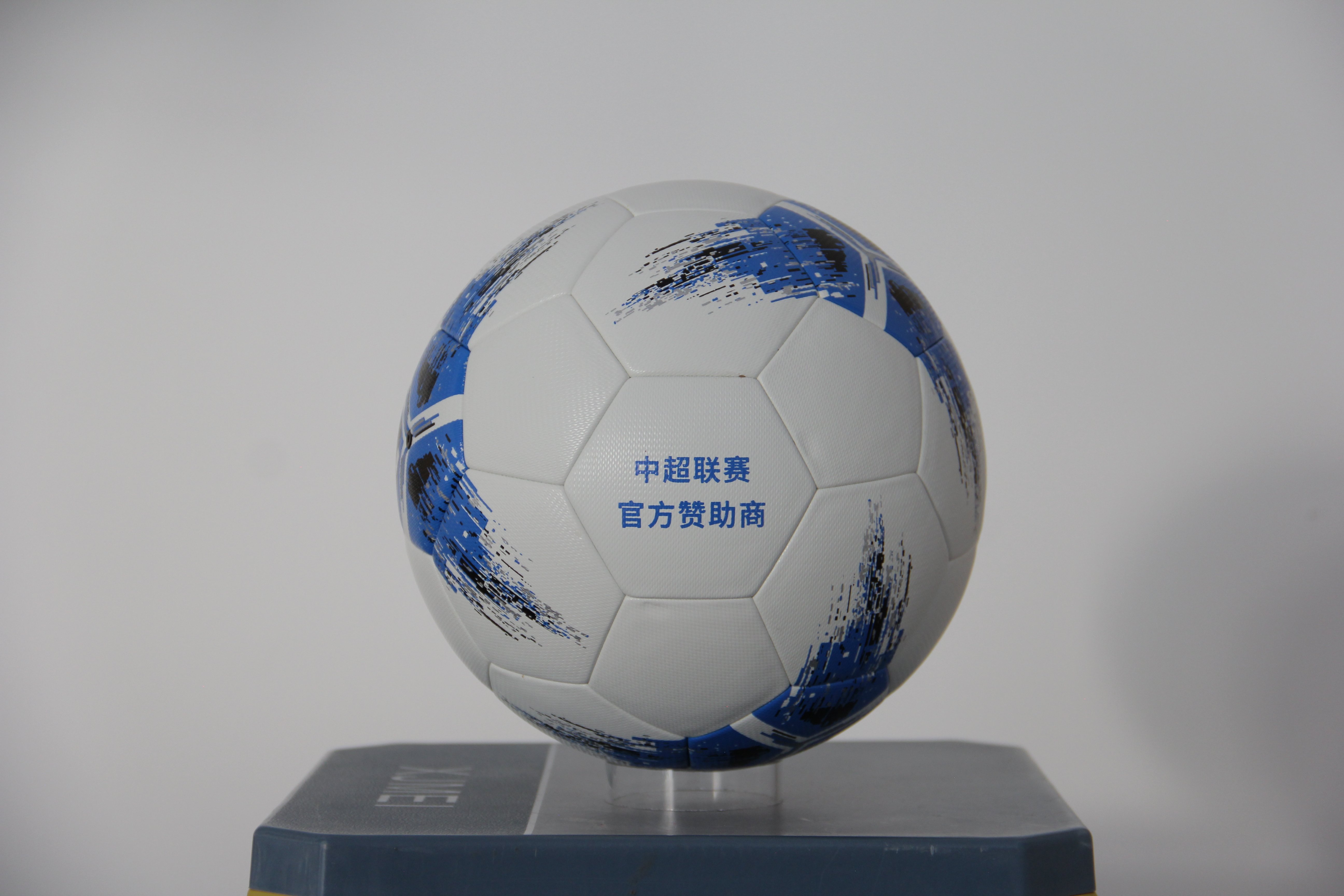
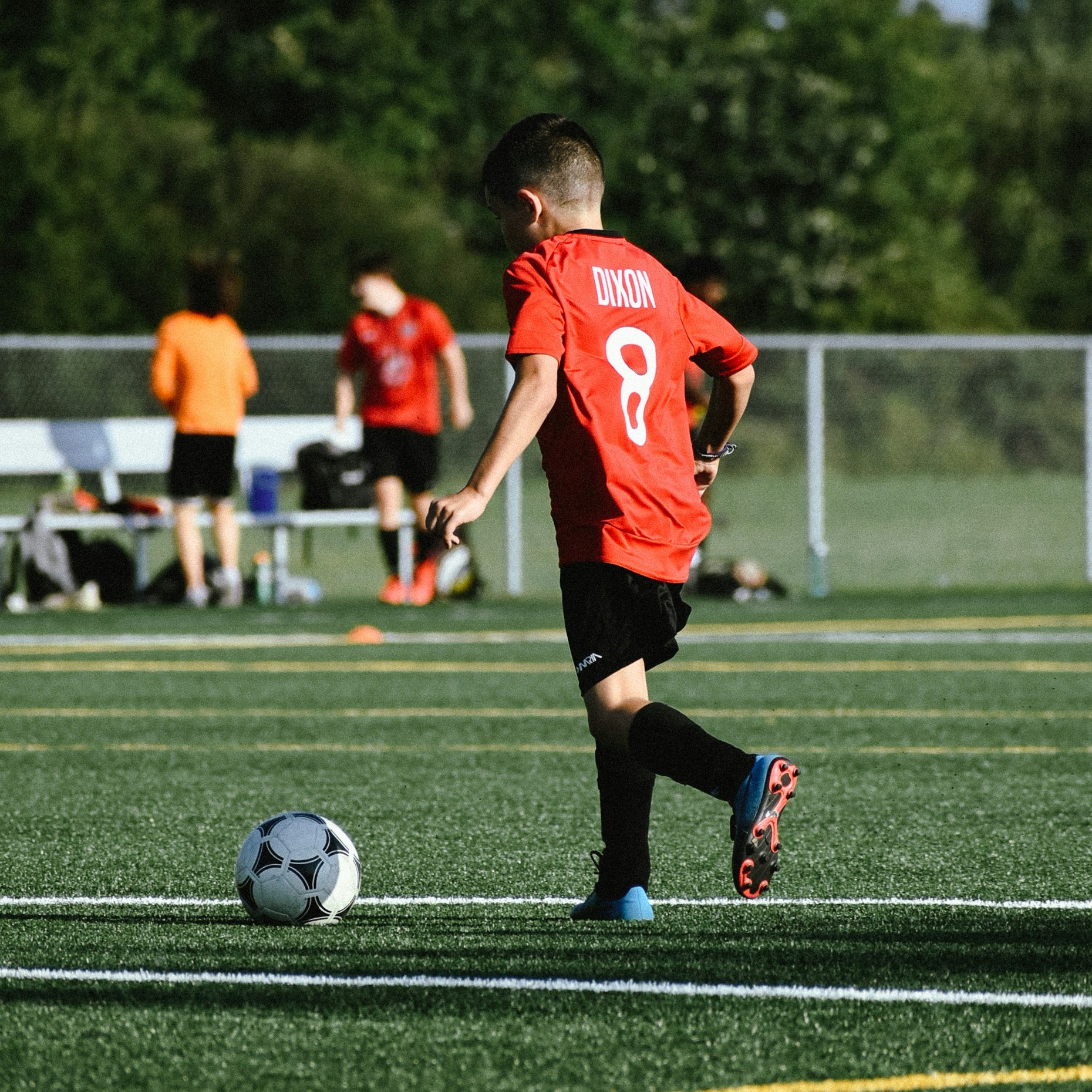
The indoor soccer ball size 3 represents a specialized sporting equipment designed specifically for young players and controlled indoor environments. This particular ball size adheres to official standards, measuring approximately 23-24 inches in circumference and weighing between 11-12 ounces, making it the ideal choice for children aged 8 years and under. The indoor soccer ball size 3 features a unique construction that prioritizes reduced bounce and enhanced control on hard indoor surfaces such as gymnasium floors, sports halls, and recreational centers. Its outer casing typically consists of synthetic leather or high-quality polyurethane materials that provide exceptional durability while maintaining a soft touch for developing young athletes. The technological design incorporates a specialized bladder system that maintains consistent air retention, ensuring the ball performs reliably throughout extended training sessions and competitive matches. Unlike outdoor soccer balls, the indoor soccer ball size 3 utilizes a felt or suede-like surface texture that minimizes unpredictable bouncing and allows players to develop precise ball handling skills. The reduced bounce characteristic is achieved through carefully engineered internal construction and lower air pressure requirements, typically ranging from 6 to 8 PSI compared to outdoor balls. This construction method enables young players to focus on fundamental techniques such as passing, dribbling, and shooting without the frustration of chasing excessively bouncy balls. The indoor soccer ball size 3 serves multiple applications including youth soccer leagues, physical education classes, recreational programs, and skill development training. Coaches and parents appreciate how this ball size perfectly matches the physical capabilities of younger children, promoting confidence and accelerating skill acquisition. The manageable weight and circumference allow small feet to make proper contact with the ball, fostering correct kicking mechanics from an early age. Additionally, the indoor soccer ball size 3 proves invaluable for futsal variations and small-sided games where precision and control take precedence over power and distance.

New Product Releases

Choosing an indoor soccer ball size 3 delivers numerous practical benefits that directly enhance the playing experience for young athletes while providing excellent value for families, schools, and sports organizations. The most immediate advantage comes from its age-appropriate sizing, which perfectly matches the developmental stage of children under 8 years old. When young players use properly sized equipment, they build confidence faster because they can actually control the ball rather than struggle with oversized equipment designed for adults. This confidence translates into greater enthusiasm for the sport and higher participation rates in practice sessions. The specialized indoor construction offers another significant benefit by protecting gymnasium floors and indoor facilities from damage. Traditional outdoor soccer balls can leave scuff marks and cause unnecessary wear on expensive flooring, but the indoor soccer ball size 3 features surface materials specifically designed to glide smoothly across indoor surfaces without causing harm. Facility managers and school administrators appreciate this protective quality, which extends the lifespan of their investment in sports infrastructure. Parents find tremendous value in the durability of quality indoor soccer balls size 3, as these balls withstand countless hours of rigorous play without losing shape or performance characteristics. The reinforced stitching and premium materials resist splitting and degradation, meaning families avoid frequent replacement costs. The reduced bounce feature provides a critical learning advantage by keeping the ball closer to the ground and within the playing area. Young players spend more time actually playing soccer instead of chasing balls that bounce unpredictably or roll away into corners and hallways. This controlled behavior accelerates skill development because children get more touches on the ball during each practice session. Coaches observe faster progression in fundamental techniques when students train with appropriate equipment. The soft exterior surface protects young players from injury concerns associated with harder outdoor balls. Children can practice heading techniques and close control without fear of painful impacts, encouraging them to attempt advanced skills earlier in their development. The lightweight nature reduces fatigue during extended training sessions, allowing young athletes to maintain proper form throughout practice rather than becoming tired and sloppy. This advantage proves especially important for maintaining engagement and preventing the physical strain that can discourage participation. The versatility of the indoor soccer ball size 3 extends its value beyond traditional soccer applications. Families use these balls for basement play, rainy day activities, and general recreational fun without worrying about breaking household items or causing indoor damage. The controlled performance makes it safe for limited spaces while still providing authentic soccer experiences. Budget-conscious organizations appreciate how these balls serve multiple programs from introductory soccer classes to after-school activities, maximizing equipment investment across various youth development initiatives.

Latest News

What is futsal and how does it differ from soccer?

29

Apr

What is futsal and how does it differ from soccer?

Futsal represents a distinct form of association football that has evolved into a globally recognized sport with its own identity, rules, and competitive structure. Originating in Uruguay during the 1930s, futsal was designed to be played indoors on ...
View More
Which factors determine rugby ball durability for training?

18

May

Which factors determine rugby ball durability for training?

When selecting equipment for intensive training programs, understanding which factors determine rugby ball durability becomes essential for coaches, club managers, and training coordinators who need to balance performance quality with long-term inves...
View More
Why does rugby ball grip matter for handling performance?

11

May

Why does rugby ball grip matter for handling performance?

The grip quality of a rugby ball fundamentally determines whether players can execute clean catches, accurate passes, and secure carries under match pressure. Unlike sports equipment where surface texture serves primarily aesthetic purposes, the grip...
View More
How does rugby ball size vary across different game levels?

04

May

How does rugby ball size vary across different game levels?

Understanding how rugby ball size varies across different game levels is essential for players, coaches, and equipment managers who want to ensure optimal performance and safety. The dimensions and weight of a rugby ball are not arbitrary—they ...
View More

Get a Free Quote

Our representative will contact you soon.
Email
Name
Company Name
Message
0/1000

indoor soccer ball size 3

Precision-Engineered Low-Bounce Technology for Superior Control

Precision-Engineered Low-Bounce Technology for Superior Control

The indoor soccer ball size 3 incorporates advanced low-bounce technology that fundamentally transforms how young players learn and interact with the ball during indoor training and competition. This engineering achievement stems from carefully calculated internal construction methods that balance air pressure requirements with bladder composition and panel configuration. Traditional soccer balls designed for outdoor grass fields require higher bounce characteristics to perform properly on softer natural surfaces, but these same properties become problematic in indoor environments where hard floors amplify bounce height and unpredictability. The indoor soccer ball size 3 solves this challenge through specialized bladder materials that respond differently to impact forces, absorbing energy rather than returning it as kinetic bounce. Manufacturers achieve this effect by selecting butyl or latex bladders with specific elasticity profiles and combining them with felt-covered or suede-textured outer panels that create friction against hard surfaces. This friction component significantly reduces the coefficient of restitution, the scientific measure of how much energy a ball retains after bouncing. Lower restitution values mean the ball stays closer to the playing surface, remaining within easy reach of young players who are still developing their spatial awareness and reaction speeds. The practical benefits of this technology extend far beyond simple convenience. When the indoor soccer ball size 3 exhibits predictable, controlled behavior, young athletes can focus their cognitive resources on learning proper techniques rather than compensating for erratic equipment performance. Every pass arrives at the intended target height, every dribble touch produces expected results, and every shooting attempt follows logical trajectories. This consistency creates ideal conditions for motor skill development and muscle memory formation. Coaches report that students training with quality indoor soccer balls size 3 demonstrate measurably faster improvement in first-touch control, passing accuracy, and spatial positioning compared to those practicing with inappropriate equipment. The reduced bounce technology also enhances safety in crowded indoor facilities where multiple activities often occur simultaneously. Balls that stay within designated playing areas minimize disruptions to adjacent classes and reduce collision risks with walls, equipment, or other participants. Parents and program administrators value this contained performance, which allows more efficient use of limited indoor space while maintaining appropriate safety margins. Furthermore, the controlled bounce characteristics make the indoor soccer ball size 3 particularly effective for teaching advanced techniques at early ages. Young players can practice trapping, cushioning, and redirecting passes without balls bouncing away unpredictably, building sophisticated ball skills that provide competitive advantages as they progress through age divisions. The engineering excellence behind this low-bounce technology represents a critical factor distinguishing premium indoor soccer balls size 3 from generic alternatives.
Optimal Size and Weight Specifications for Youth Development

Optimal Size and Weight Specifications for Youth Development

The carefully calibrated dimensions and weight parameters of the indoor soccer ball size 3 create an ideal tool specifically engineered to match the physical capabilities and developmental needs of children aged 8 years and younger. This age-appropriate scaling represents far more than simple downsizing; it reflects sophisticated understanding of pediatric biomechanics, motor skill acquisition patterns, and cognitive development stages. The standardized circumference of 23-24 inches fits perfectly within the striking range of small feet, allowing proper contact between shoe and ball surface for effective power transfer and directional control. When children use oversized equipment, they develop compensatory movement patterns and improper techniques that become difficult to correct later in their athletic careers. The indoor soccer ball size 3 prevents these developmental issues by ensuring young players can wrap their feet around the ball properly, execute inside and outside cuts cleanly, and maintain the ankle positioning necessary for accurate passing. The weight specification of 11-12 ounces provides sufficient mass for realistic soccer physics while remaining light enough for developing leg muscles to propel effectively. This balance proves crucial because excessively light balls flutter unpredictably through the air and fail to teach proper striking mechanics, while overly heavy balls cause muscle strain and discourage repeated practice attempts. The indoor soccer ball size 3 occupies the sweet spot where young athletes can execute hundreds of touches during training sessions without physical exhaustion, building the repetition volume necessary for skill mastery. Physical education teachers and youth coaches understand that appropriate equipment sizing directly correlates with engagement levels and skill progression rates. When children experience success manipulating the ball during their first exposures to soccer, they develop positive associations with the sport that encourage continued participation. Conversely, frustration with inappropriately sized equipment often leads to dropout rates that rob children of valuable physical activity and team sport experiences. The indoor soccer ball size 3 maximizes early positive experiences by providing immediate feedback when young players execute techniques correctly, reinforcing proper form through successful outcomes. The size 3 specification also facilitates important cognitive development benefits beyond pure physical skills. Young children learning soccer simultaneously develop spatial reasoning, trajectory prediction, and cause-effect understanding as they observe how their actions influence ball movement. The indoor soccer ball size 3 travels at speeds and distances proportional to child-scale environments, keeping ball movement within the processing capabilities of developing brains. This cognitive accessibility allows children to connect their intentions with outcomes, building the mental models necessary for strategic thinking and tactical awareness. Families investing in youth sports equipment should recognize that the indoor soccer ball size 3 represents more than a training tool; it functions as a developmentally appropriate learning instrument designed by experts who understand childhood growth patterns. The standardized sizing ensures compatibility with organized league play, allowing children to practice at home with the same equipment specifications they will encounter during team activities. This consistency between practice and competition environments accelerates skill transfer and builds confidence. Quality manufacturers maintain strict tolerances on size and weight specifications, ensuring every indoor soccer ball size 3 meets performance standards regardless of brand or price point variations.
Durable Indoor-Specific Materials and Construction Methods

Durable Indoor-Specific Materials and Construction Methods

The material composition and construction techniques employed in manufacturing indoor soccer balls size 3 represent specialized engineering solutions designed to withstand the unique demands of indoor playing environments while protecting both the ball and facility surfaces. Premium indoor soccer balls size 3 utilize synthetic leather or advanced polyurethane compounds for their outer panels, materials selected for their specific performance characteristics on hard indoor surfaces. These synthetic materials offer significant advantages over traditional leather, including consistent performance across varying humidity conditions, resistance to moisture absorption, and superior shape retention throughout extended use periods. The molecular structure of quality polyurethane creates a surface that remains soft and responsive to touch while resisting the abrasion that occurs during repeated contact with gymnasium floors, concrete surfaces, and indoor court materials. Manufacturers often apply specialized coatings or textures to these outer materials, creating the distinctive felt-like or suede appearance that defines premium indoor soccer balls. This textured surface serves multiple critical functions beyond aesthetics. The micro-texture increases friction coefficients between ball and floor, reducing slide distance after rolling contact and enhancing player control during dribbling sequences. This same texture minimizes scuff marks on expensive gymnasium flooring, addressing a primary concern of facility managers who must balance athletic programming with building maintenance responsibilities. The construction method for quality indoor soccer balls size 3 typically employs thermal bonding or precision machine stitching techniques that create seamless or near-seamless surfaces. Traditional hand-stitched balls, while offering certain performance characteristics for outdoor play, feature pronounced seams that can catch on indoor surfaces and create irregular bounce patterns. Thermal bonding fuses panels together at molecular levels, eliminating raised seams entirely and producing perfectly spherical shapes that roll true across flat surfaces. Machine stitching with reinforced synthetic threads provides similar benefits while offering slightly different feel characteristics preferred by some players and coaches. Both methods significantly exceed the durability of basic recreational balls, with quality indoor soccer balls size 3 maintaining structural integrity through thousands of impacts, kicks, and playing hours. The internal bladder component represents another critical element of durable construction, with premium models utilizing butyl rubber bladders that offer superior air retention compared to latex alternatives. Butyl bladders maintain consistent pressure over extended periods, reducing the maintenance burden of frequent re-inflation and ensuring the indoor soccer ball size 3 performs reliably between uses. This air retention capability proves particularly valuable for schools and recreational programs managing large equipment inventories where individual ball maintenance becomes impractical. The valve system integrated into quality bladders features precision-engineered components that seal completely after inflation, preventing the gradual pressure loss that degrades performance in cheaper alternatives. Reinforcement layers between the outer cover and internal bladder provide additional structural support, distributing impact forces across the entire ball surface rather than concentrating stress at contact points. This engineering approach prevents the deformation and weak spots that develop in poorly constructed balls, extending usable lifespan considerably. Parents and program administrators recognize that investing in properly constructed indoor soccer balls size 3 delivers better long-term value than purchasing multiple cheap replacements. The durable materials and expert construction also contribute to consistent performance characteristics that remain stable throughout the ball's lifespan. Young players benefit from this consistency because they can develop reliable expectations about how the ball will respond to their touches, accelerating skill development and building confidence.

Get a Free Quote

Our representative will contact you soon.
Email
Name
Company Name
Message
0/1000