Optimal Size Engineering Supporting Youth Development and Versatile Applications
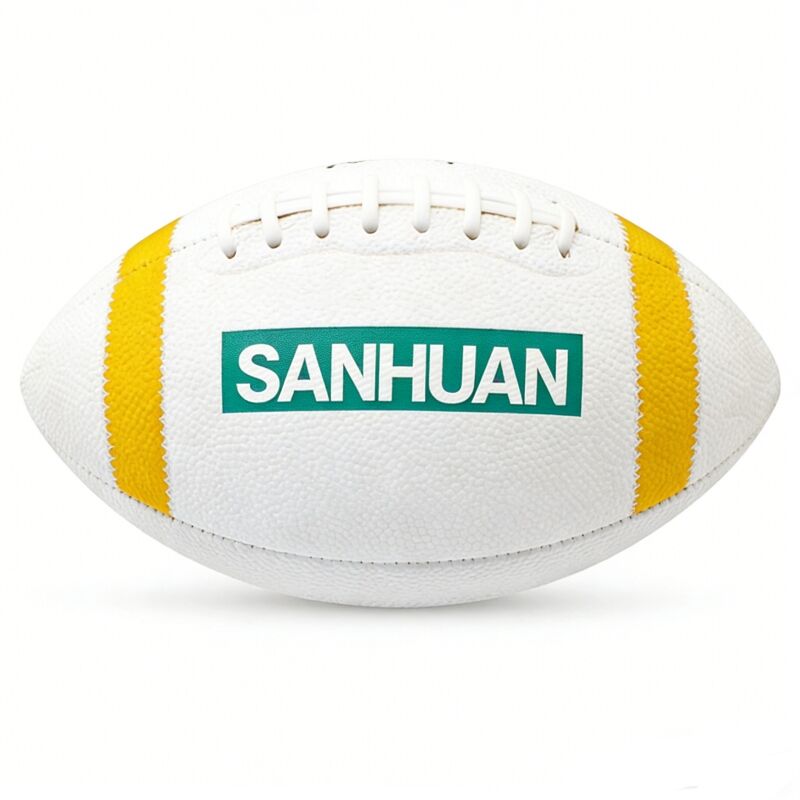
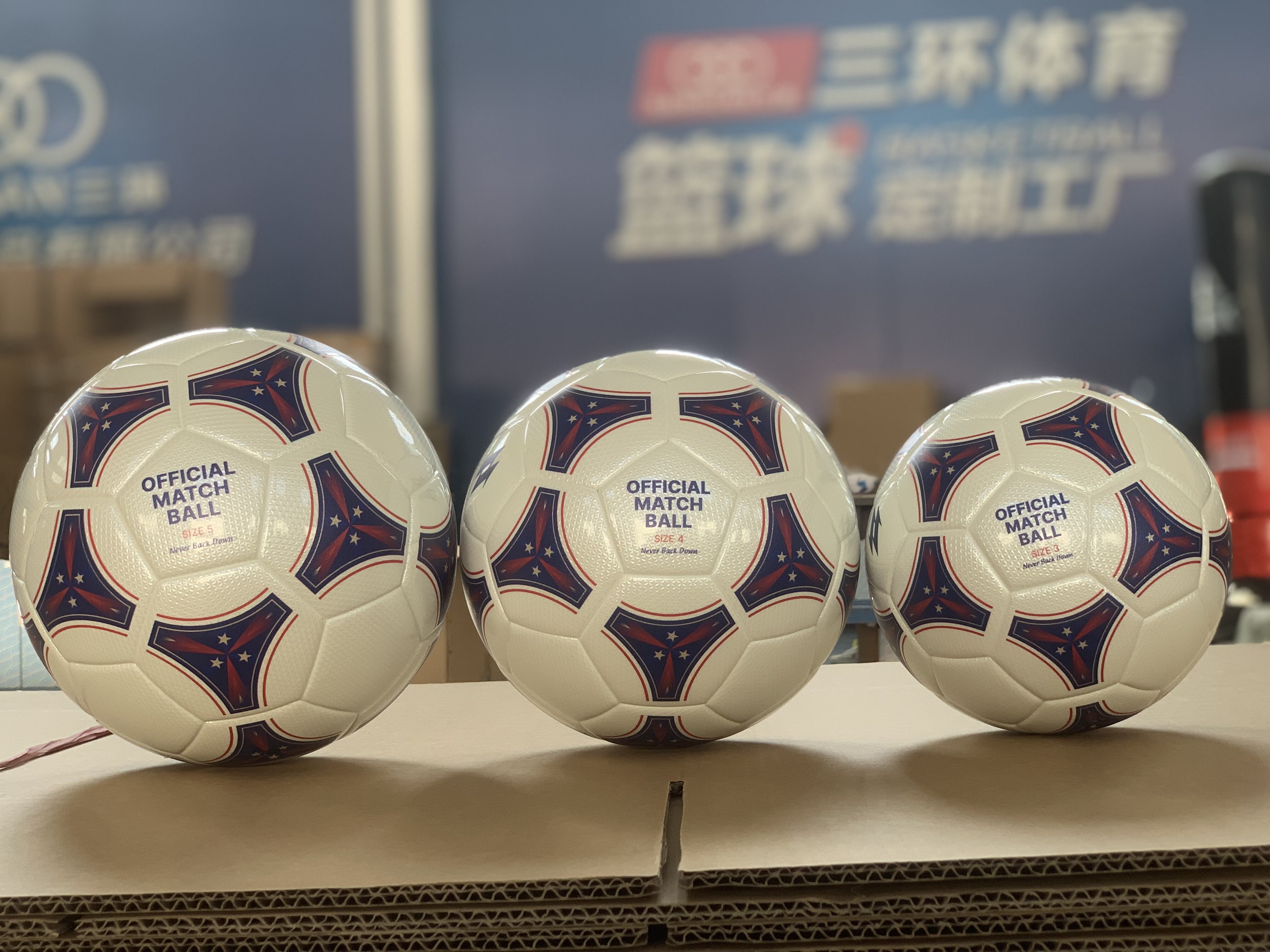
The engineering specifications of the personalised small football prioritise dimensional accuracy that serves multiple purposes across different user demographics and application scenarios. Size selection typically ranges from Size 1 (circumference 18-20 inches, weight 7-8 ounces) perfect for toddlers and decorative purposes, through Size 2 (circumference 20-22 inches, weight 9-11 ounces) suited for children aged 3-5 years, to Size 3 (circumference 23-24 inches, weight 11-12 ounces) designed for youth players aged 6-8 years and training applications. This scaled sizing philosophy recognises that appropriately proportioned equipment fundamentally impacts skill acquisition, with research demonstrating that children using correctly sized balls develop superior technique, confidence, and sustained interest in football activities compared to those struggling with oversized equipment. The reduced dimensions facilitate better grip and control for smaller hands, enabling young players to execute throwing, catching, and manipulation exercises that build hand-eye coordination and spatial awareness essential for athletic development. Ball control advantages extend to foot skills, as the smaller surface area requires and develops greater precision in passing, dribbling, and shooting movements, creating training benefits that translate effectively when players progress to larger ball sizes. The lightweight construction minimises injury risks associated with heading practice or accidental impacts, providing parents and coaches with confidence that young athletes can safely develop skills without excessive force concerns that accompany full-sized balls. Indoor applications particularly benefit from compact dimensions, as the personalised small football operates effectively in confined spaces including gymnasiums, recreational rooms, and training facilities where standard balls prove impractical or potentially damaging to surroundings. The portability factor emerges as significant advantage, with small footballs easily fitting into backpacks, luggage, or storage compartments, encouraging spontaneous play opportunities during family outings, vacations, or breaks between structured activities. Technical training programmes utilise these dimensions for specific drill work, with coaches designing exercises targeting weak foot development, close control enhancement, or rapid passing sequences where smaller balls intensify difficulty and accelerate skill progression. Promotional effectiveness correlates directly with size, as compact footballs prove more economical to produce, ship, and distribute in bulk quantities while remaining substantial enough to serve functional purposes rather than mere novelty items quickly discarded. Display applications showcase another dimensional advantage, with personalised small footballs requiring minimal space for presentation in offices, retail environments, trophy cases, or home collections while maintaining visual impact through customised designs. The therapeutic applications deserve recognition, as occupational therapists and special education programmes employ small footballs for motor skill development, sensory integration activities, and adaptive sports programmes serving individuals with developmental differences who benefit from appropriately scaled equipment supporting their specific needs and capabilities.

 EN
EN